Mt. Washington — History & Analysis
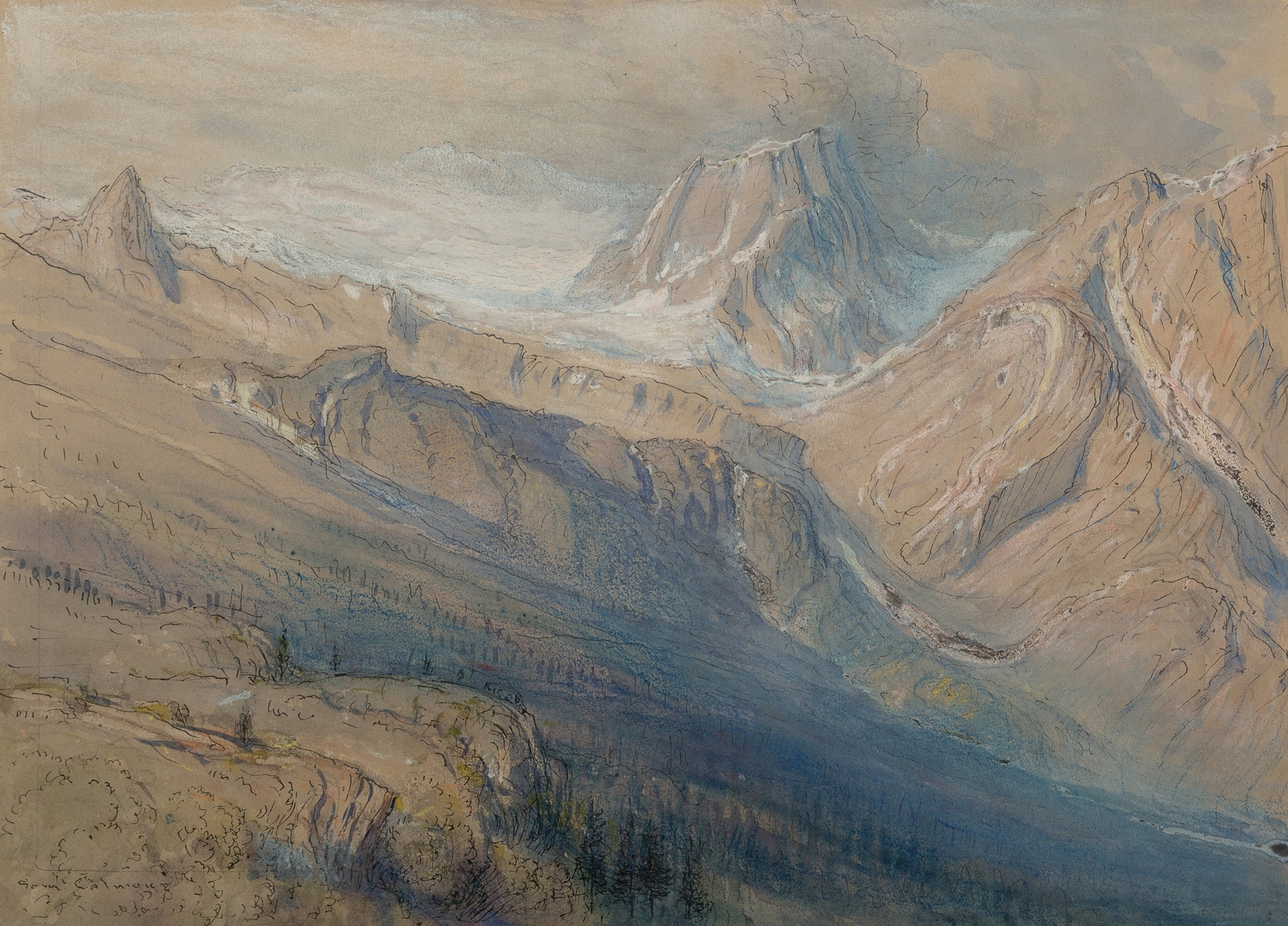
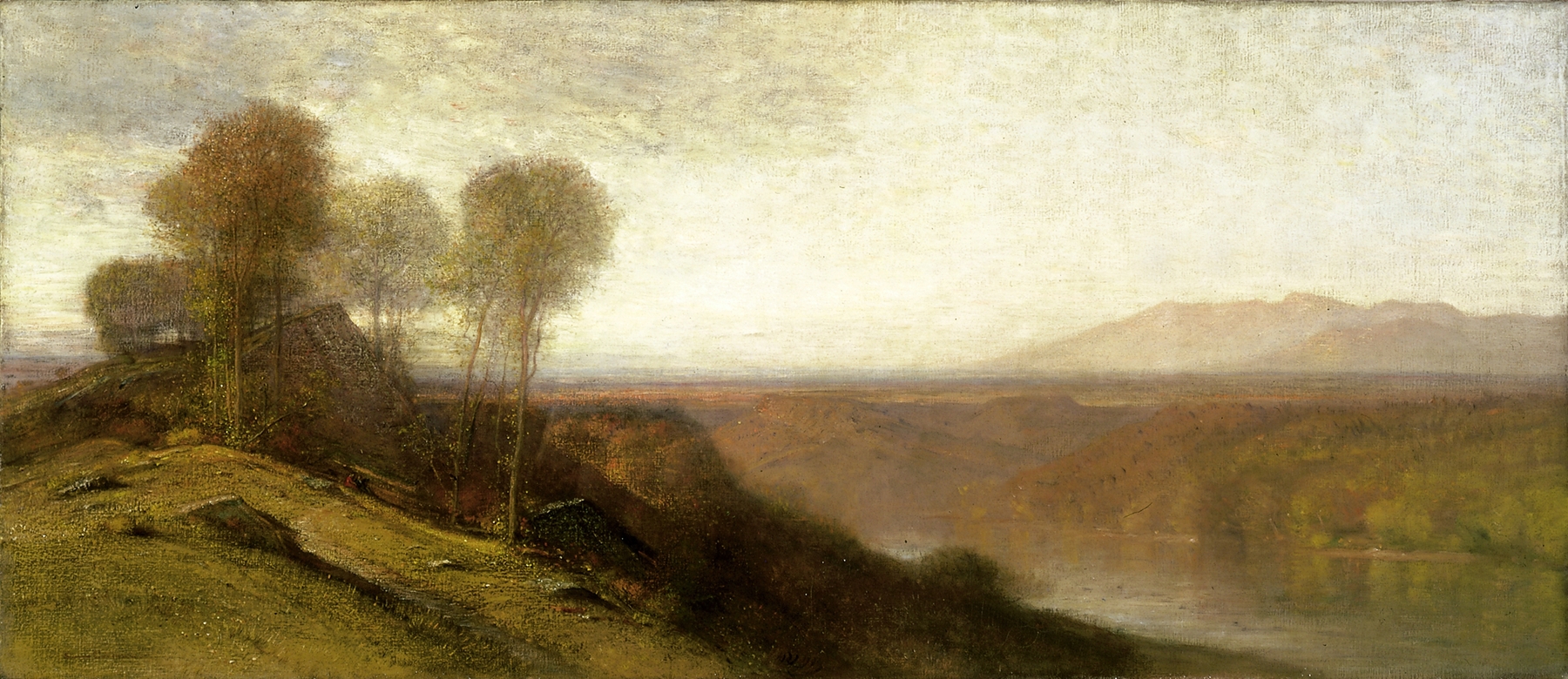
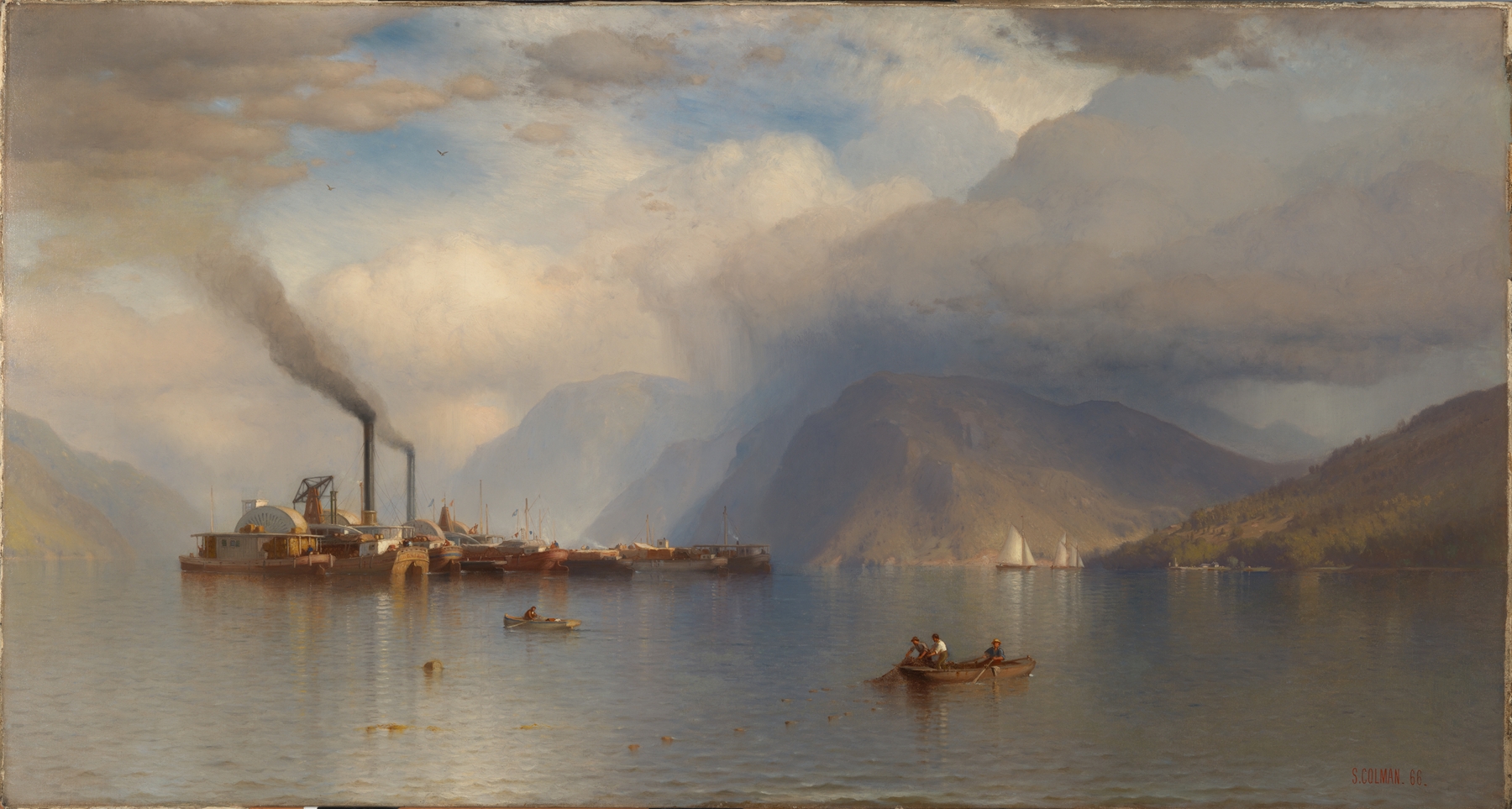
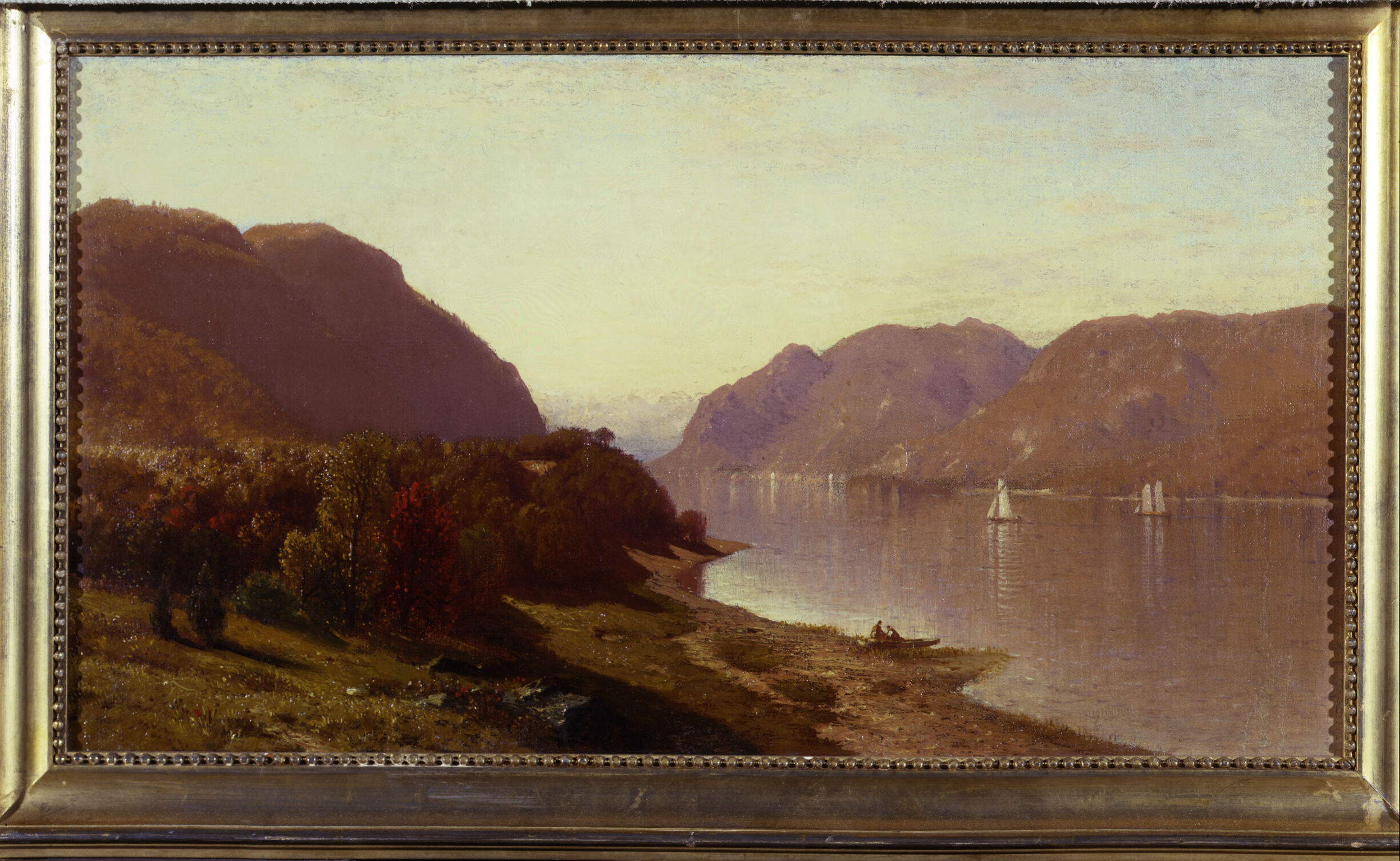
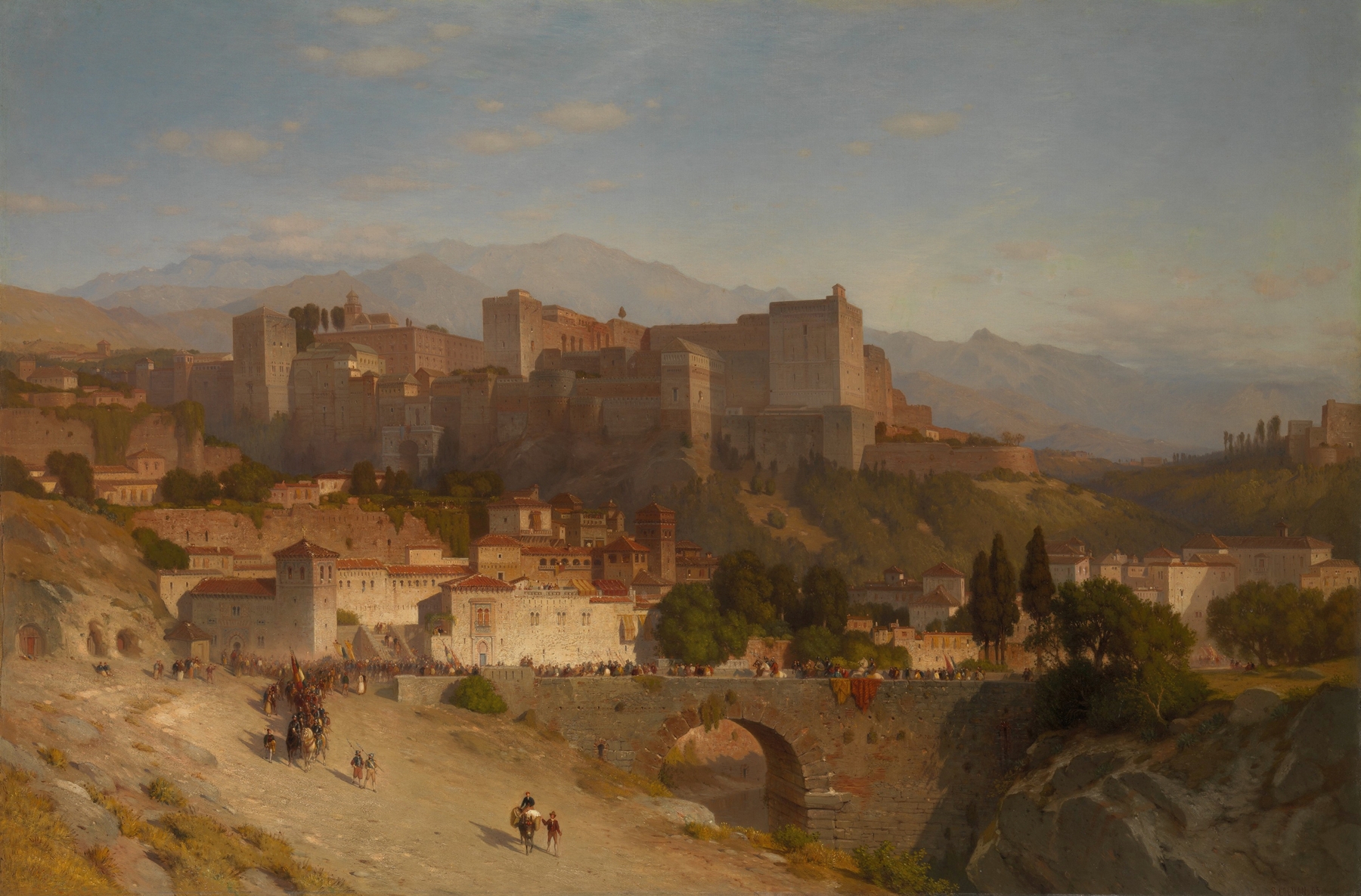
When did color learn to lie? In the heart of nature, hues breathe life and evoke memories, yet they can cast shadows upon the truth of our yearnings. Look to the deep blue skies painted with soft, swirling clouds, where the light seems to dance just beyond reach. Notice how the vibrant greens of the mountain slopes cradle the soft browns and golds of the foreground, inviting your gaze deeper into the canvas. The sweeping brushstrokes create a rhythmic harmony that leads your eye toward the imposing peak of Mount Washington, its majesty framed by an ethereal glow.
The use of light and shadow here is masterful, evoking a sense of both wonder and melancholy, as if the mountain itself holds secrets of the past. Beneath the surface lies a juxtaposition of solitude and connection, where nature's beauty strikes a chord of longing within the viewer. The expansive sky suggests freedom, yet the steep mountain hints at isolation. The varying shades of green represent not just the life that thrives there, but also the essence of yearning for something greater, something unattainable.
Each color choice resonates with an emotional depth, capturing the complexity of human desire against the backdrop of an eternal landscape. Samuel Colman created this work in 1880, during a period when he was becoming known for his innovative use of light and color within the American landscape painting movement. Colman was exploring the relationship between nature and man, influenced by his travels and the burgeoning sense of nationalism in art. As America was evolving, so too was his pursuit of a deeper, more emotional connection to the sublime beauty of the natural world.