Młyn nad rzeką — History & Analysis
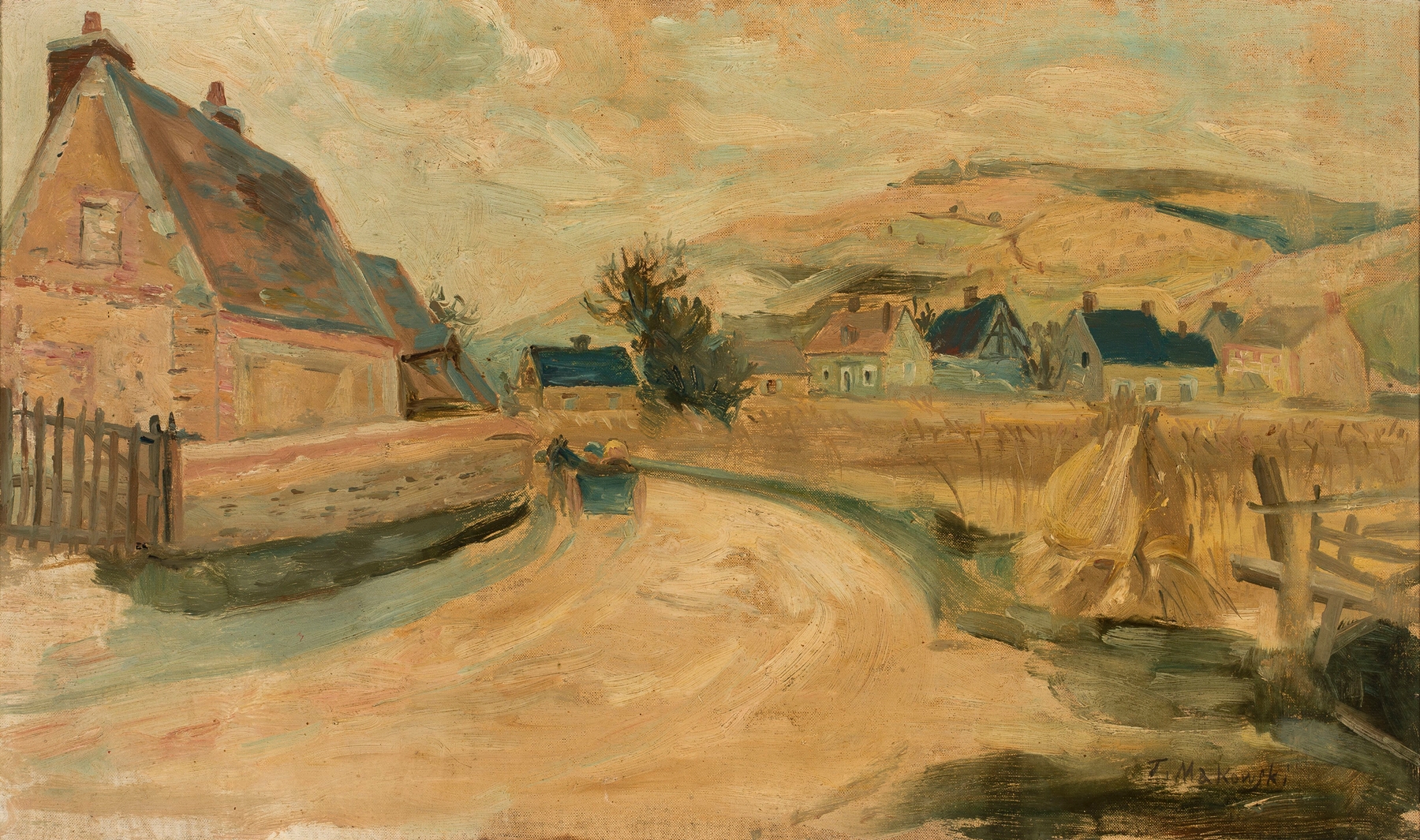
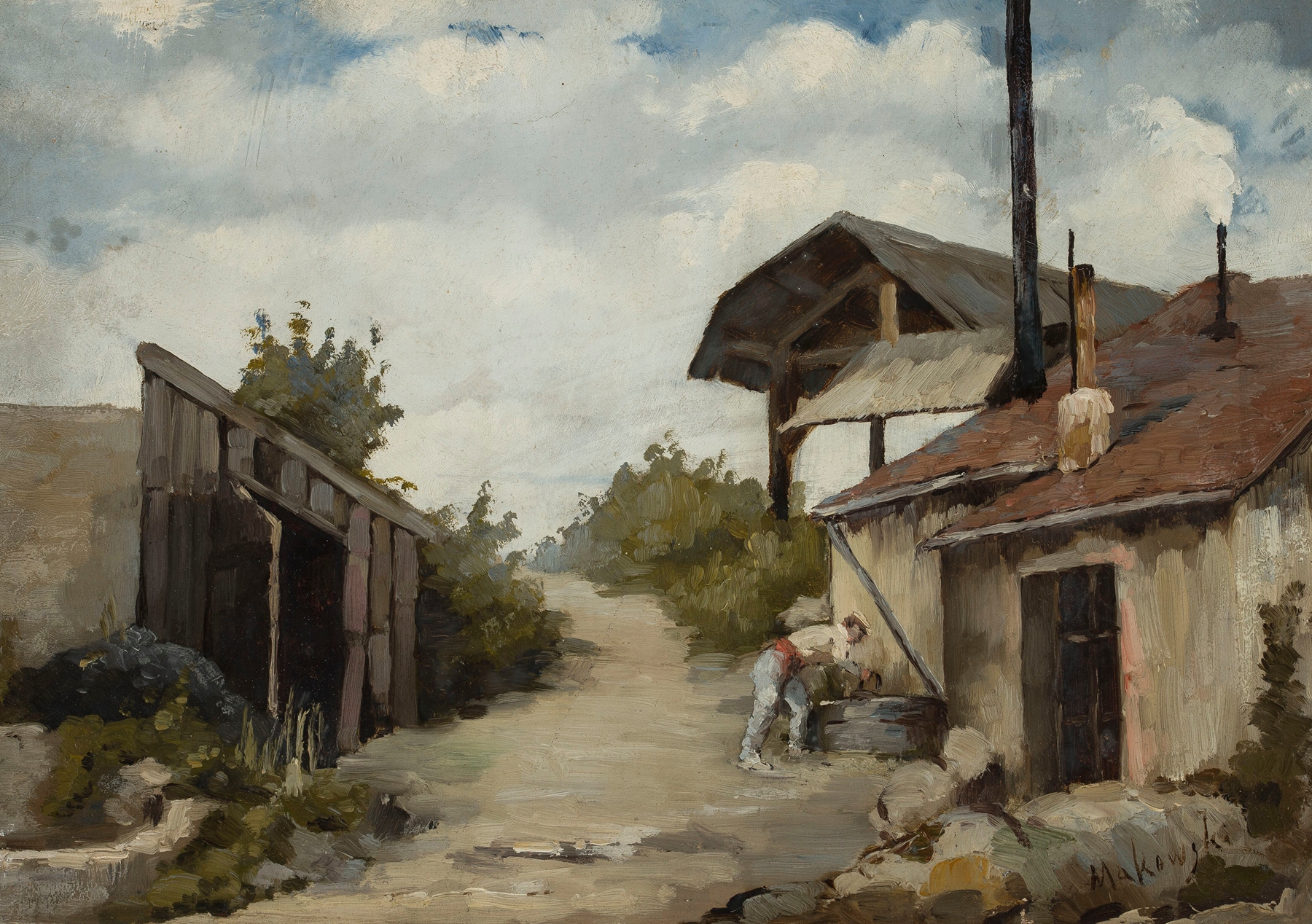
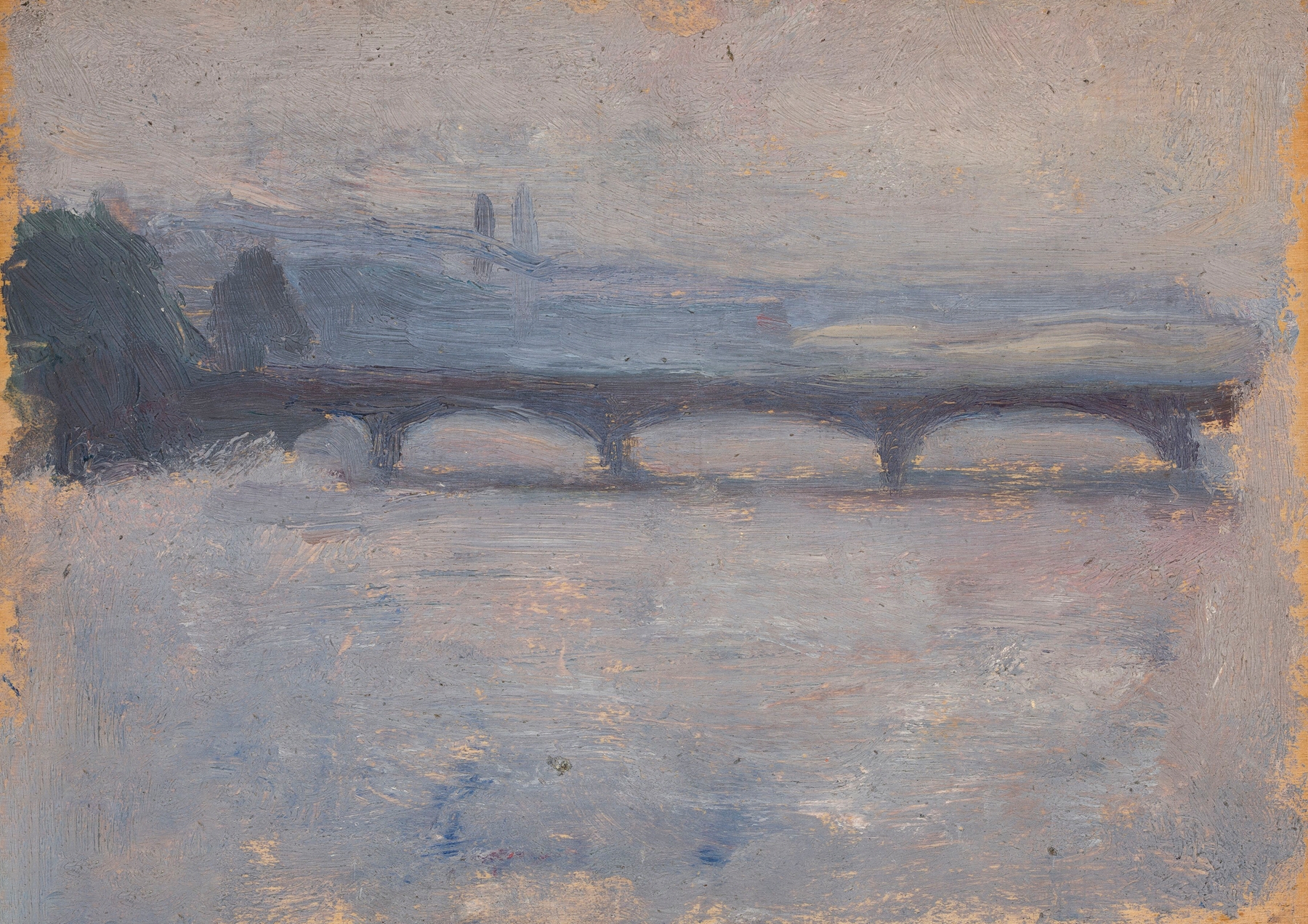
Under the brush, chaos becomes grace. In a world often overshadowed by despair, how can a single image inspire hope? Focus first on the serene river that glistens beneath a clear sky, the gentle ripples reflecting a palette of soft blues and greens. Notice how the wind stirs the grass along the riverbank, creating a dance of shadows and light that draws your gaze toward the windmill standing proudly to the left. The delicate brushwork captures not just the essence of the scene but also a sense of harmony, as if nature and mankind coexist in an unspoken understanding.
Delve deeper into the painting’s layers. The windmill, a symbol of industriousness, contrasts beautifully with the tranquil water — a reminder of human perseverance against the backdrop of nature's serenity. The gentle curves of the landscape evoke warmth and comfort, while the bright colors infuse the scene with an optimism that feels almost tangible. Look closely at the interplay of light and shadow; it speaks to the duality of existence — the struggle inherent in life, yet the promise of renewal that follows.
Tadeusz Makowski created this work in 1917, during a tumultuous period marked by World War I. Living in Paris after leaving his native Poland, he was surrounded by the avant-garde movements that were redefining art. This painting reflects both the personal and global conflict of the time, revealing an artist searching for hope amid uncertainty. Makowski's style blended influences of fauvism and expressionism, and Młyn nad rzeką stands as a testament to his belief in beauty and resilience.