Nadab en Abihu gedood door vlammen — History & Analysis
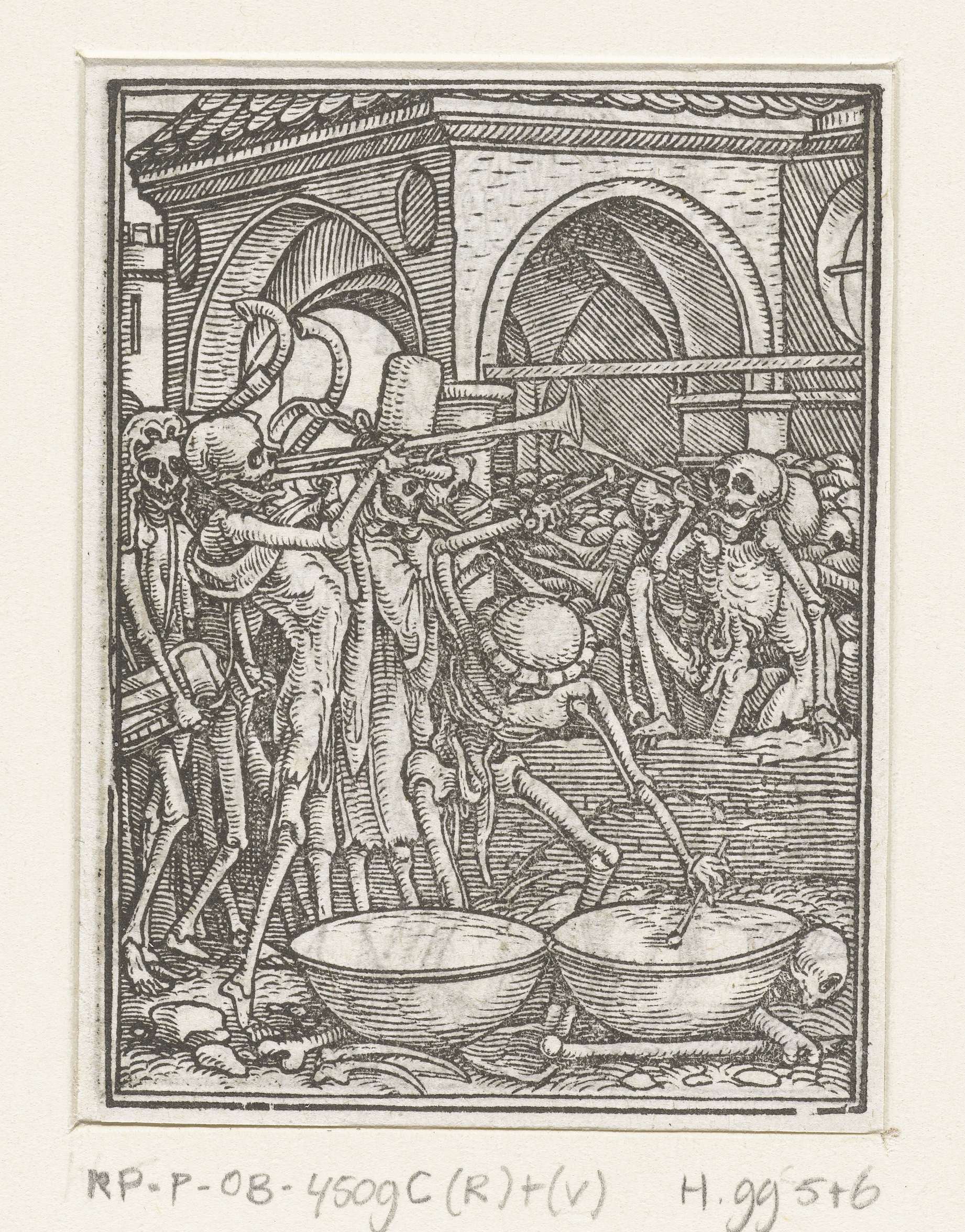
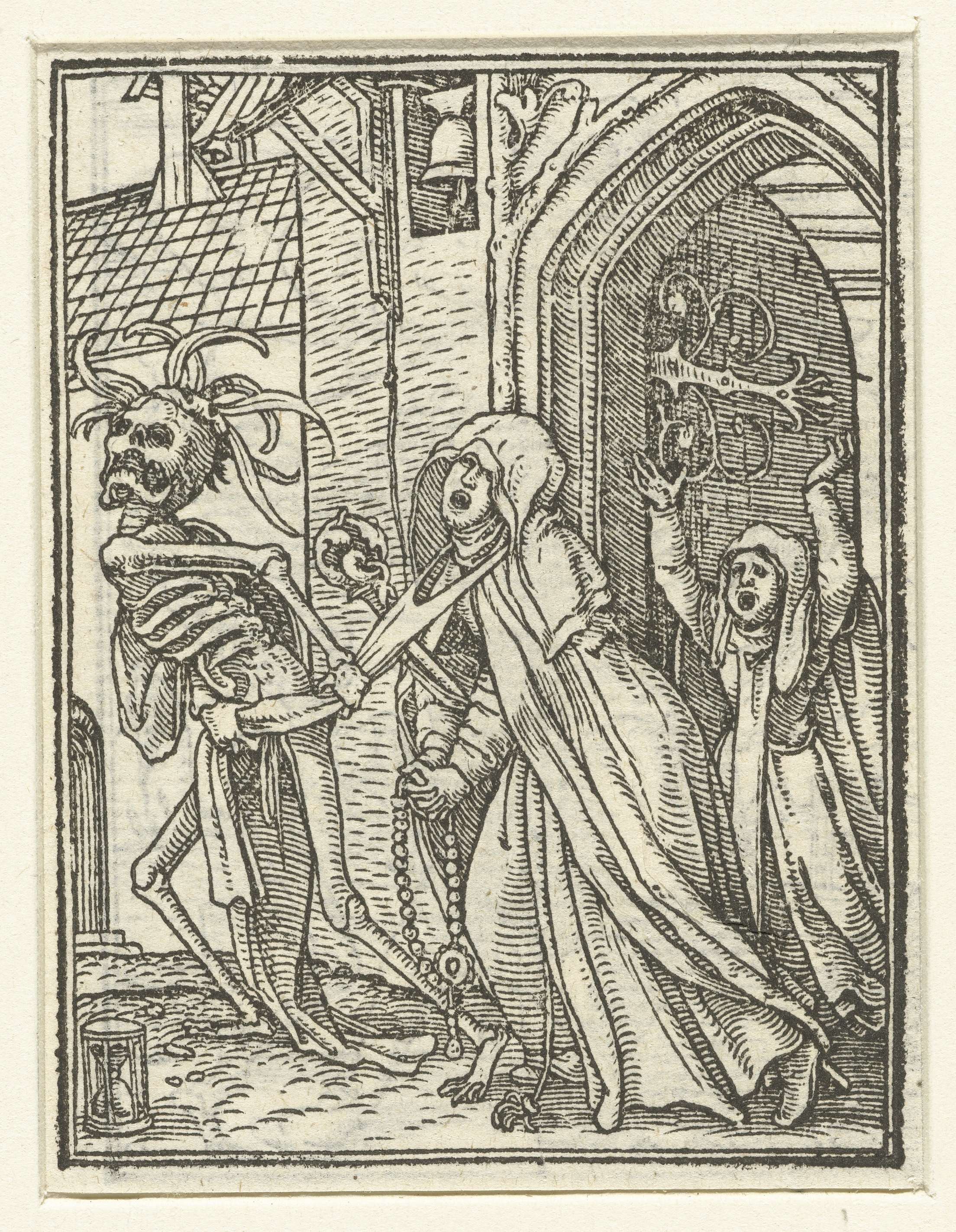
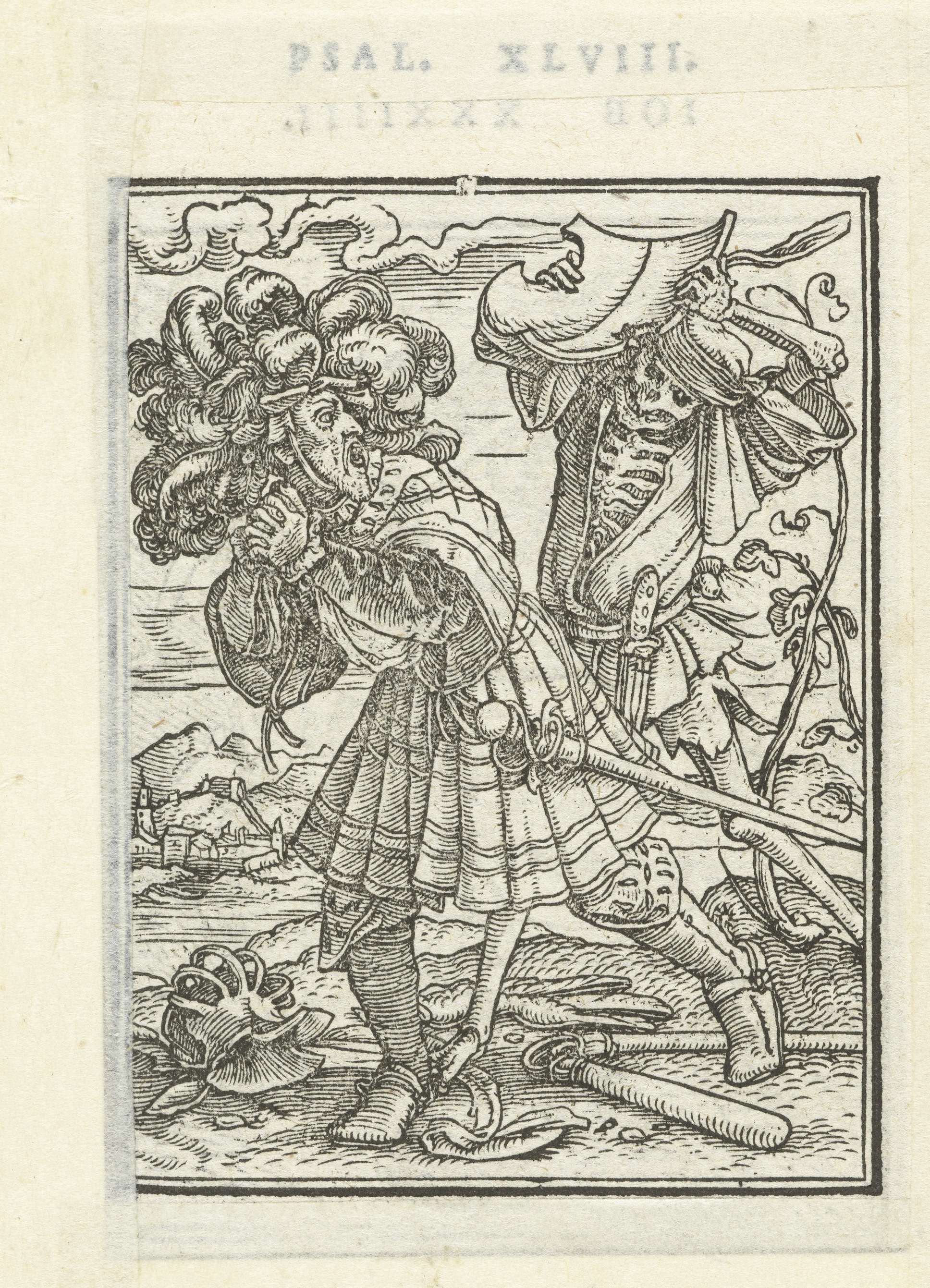
Who listens when art speaks of silence? In Nadab en Abihu gedood door vlammen, fragility resonates through a moment captured between life and the void, inviting reflection on the profound consequences of human actions. Look to the left at the striking figures of Nadab and Abihu, their bodies contorted in a moment of despair. The vibrant reds and golds of the flames consuming them starkly contrast with the pallor of their faces, highlighting the brutality of their fate. Notice how the brushwork conveys movement within the turbulence; the flames appear almost alive, reaching for the viewer with a ferocity that is both captivating and horrific.
The dark background further intensifies the scene, drawing your gaze to the unfortunate duo caught in their tragic narrative. Beneath the surface of this vivid tableau lies a deep tension between authority and rebellion. The figures represent not just individuals but the fragility of human existence when faced with divine law. Their desolation speaks to the consequences of hubris, while the flames symbolize a transformative force—both destructive and purifying.
This duality invites contemplation on the balance of power, belief, and the ephemeral nature of life itself, entwining personal tragedy with broader universal themes. Created in 1538, this work emerges during a period of religious upheaval in Europe, as the Reformation challenged traditional beliefs. Holbein, a key figure in the Northern Renaissance, was deeply influenced by these tensions in society and art. While residing in England, he was instrumental in navigating the complexities of faith and representation, using this dramatic scene to reflect on the fragile human condition amid the conflicts of his time.