Neighborhood Street in The Hague or Scheveningen — History & Analysis
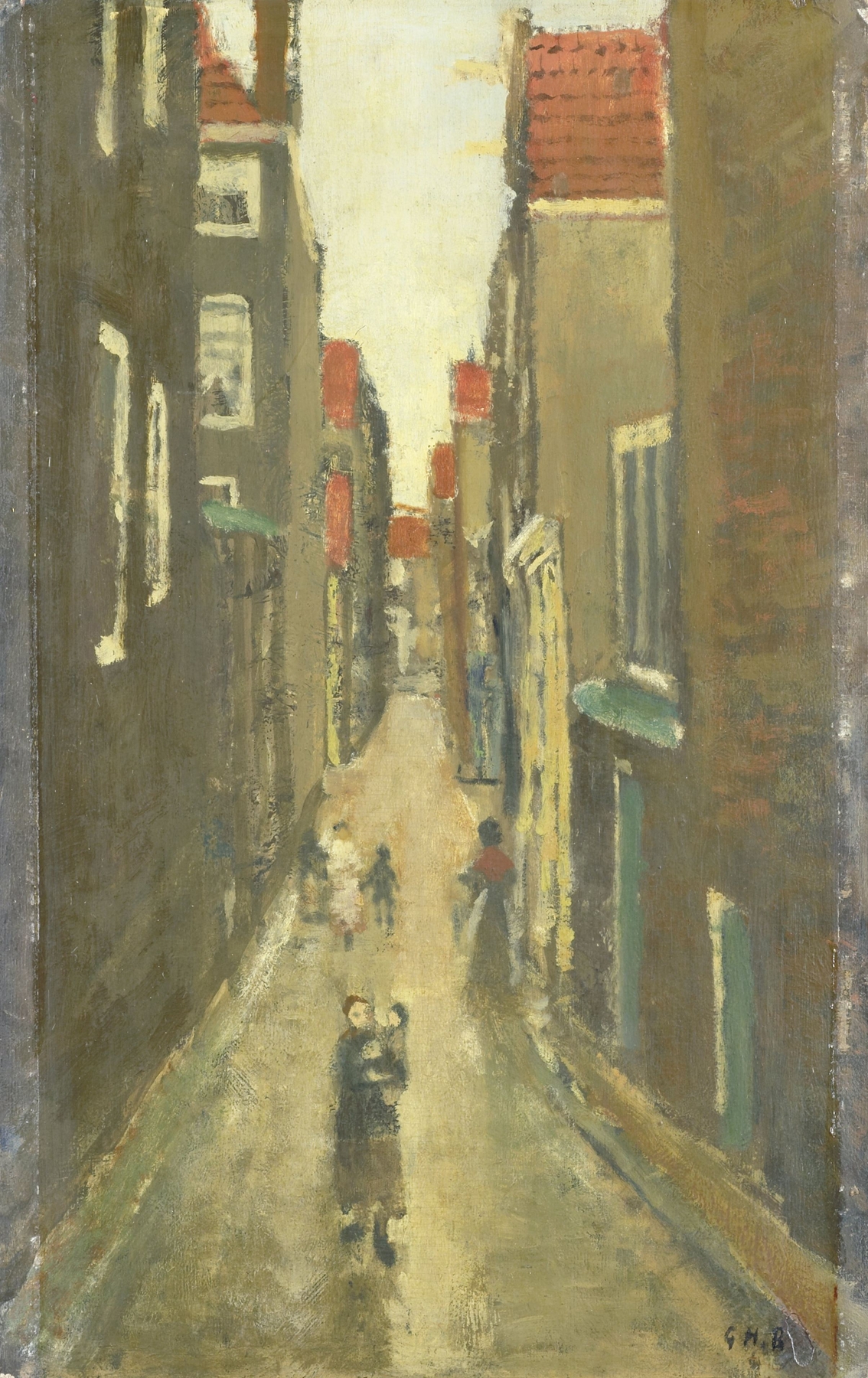
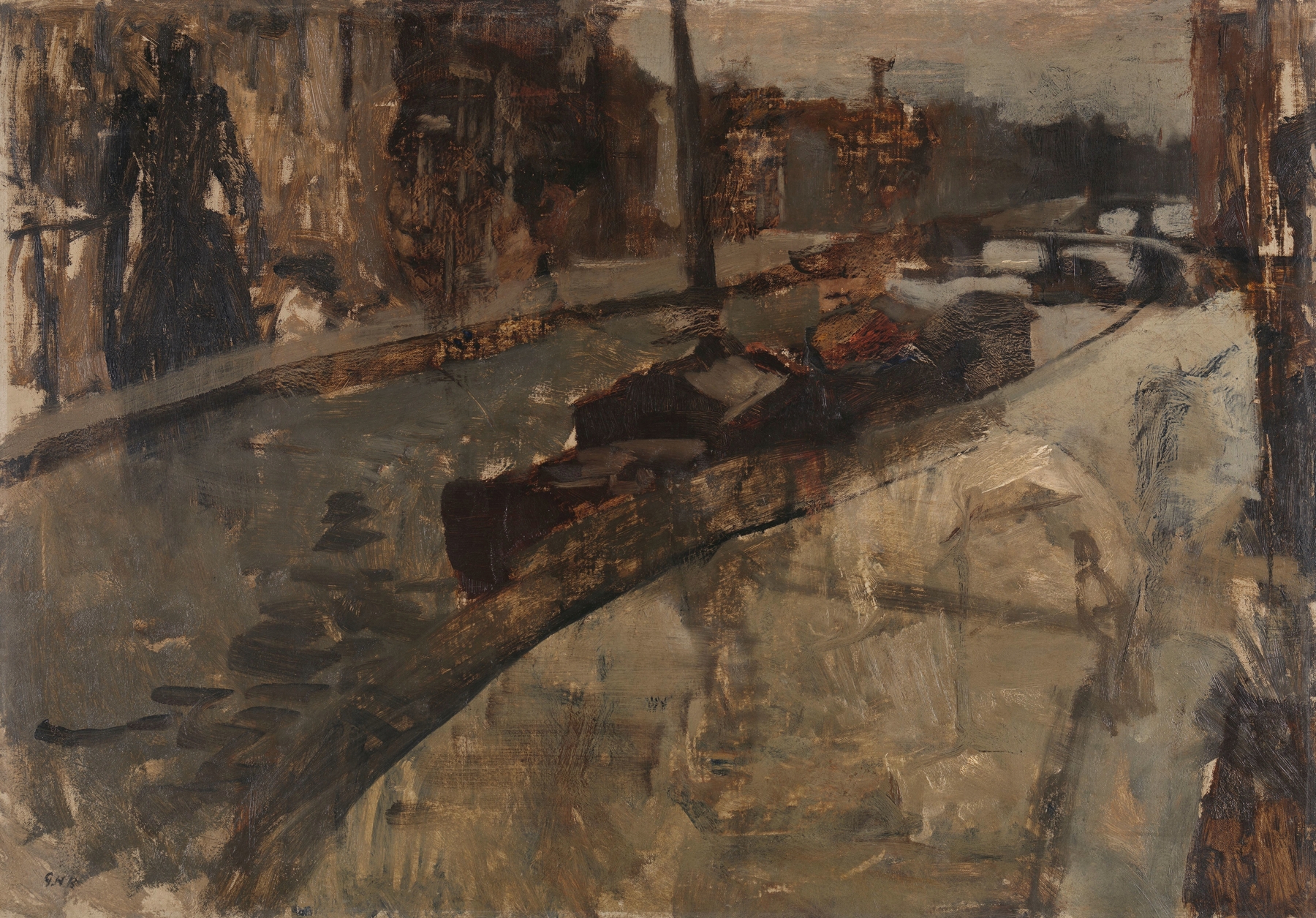
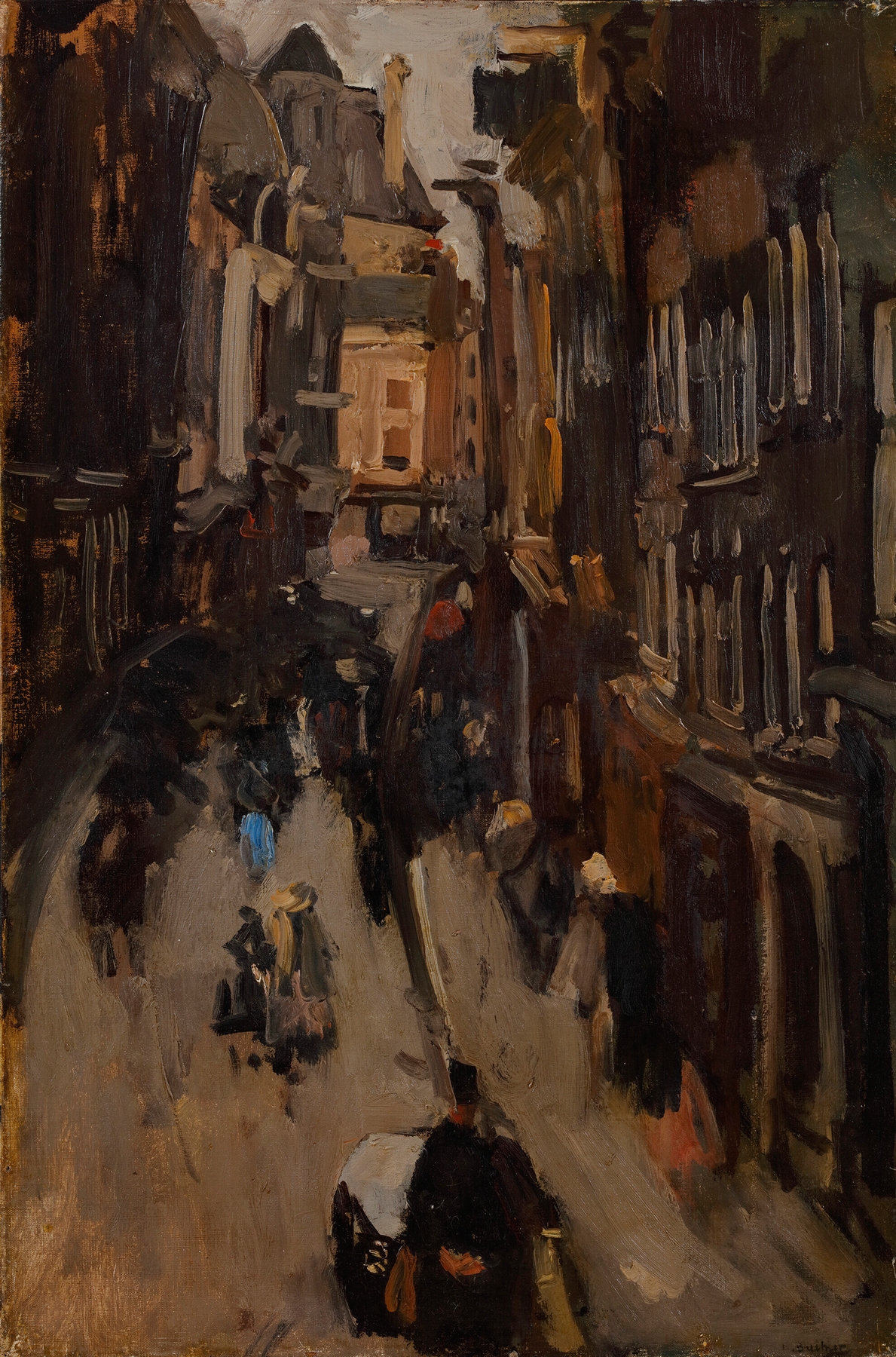
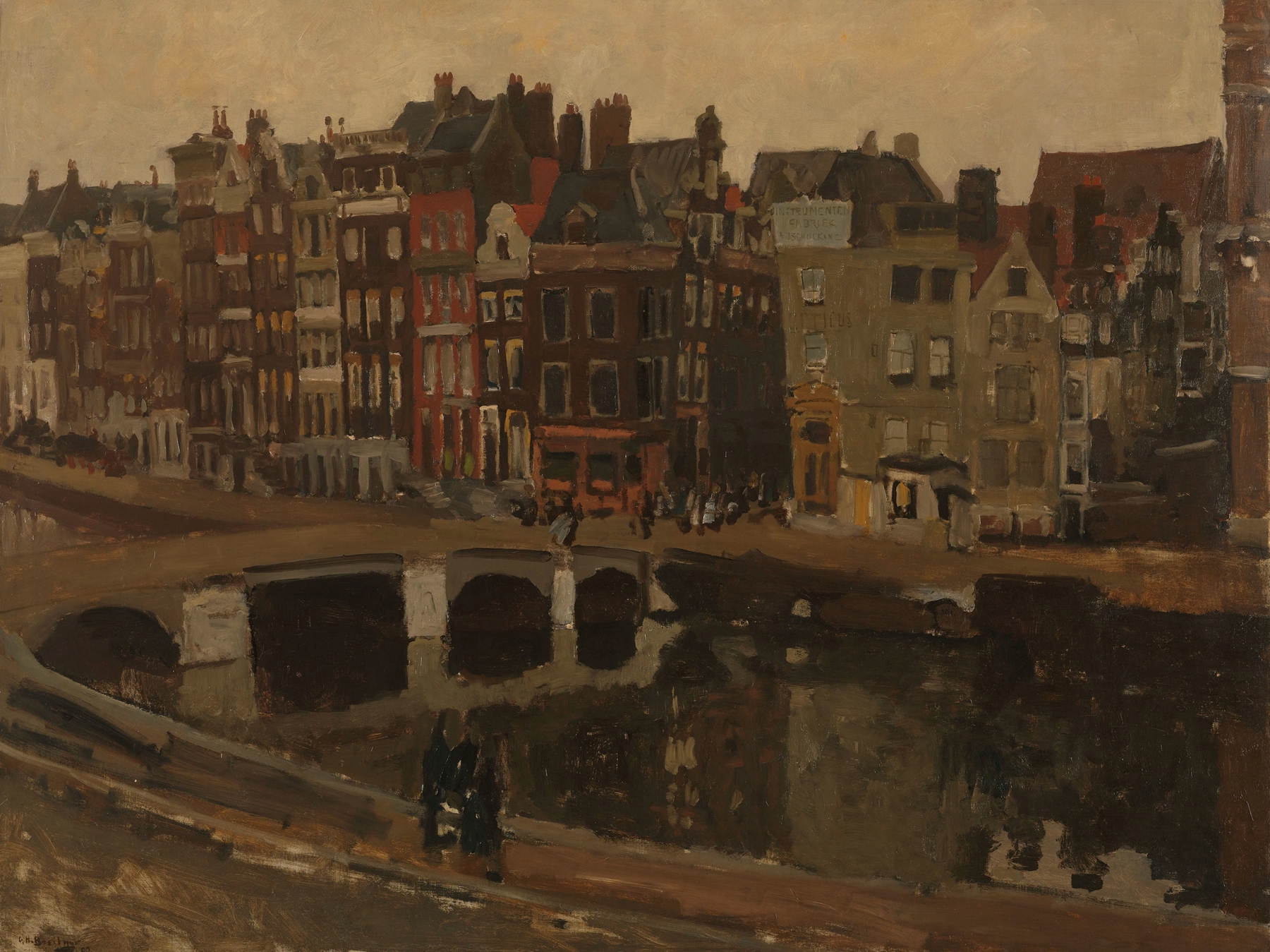
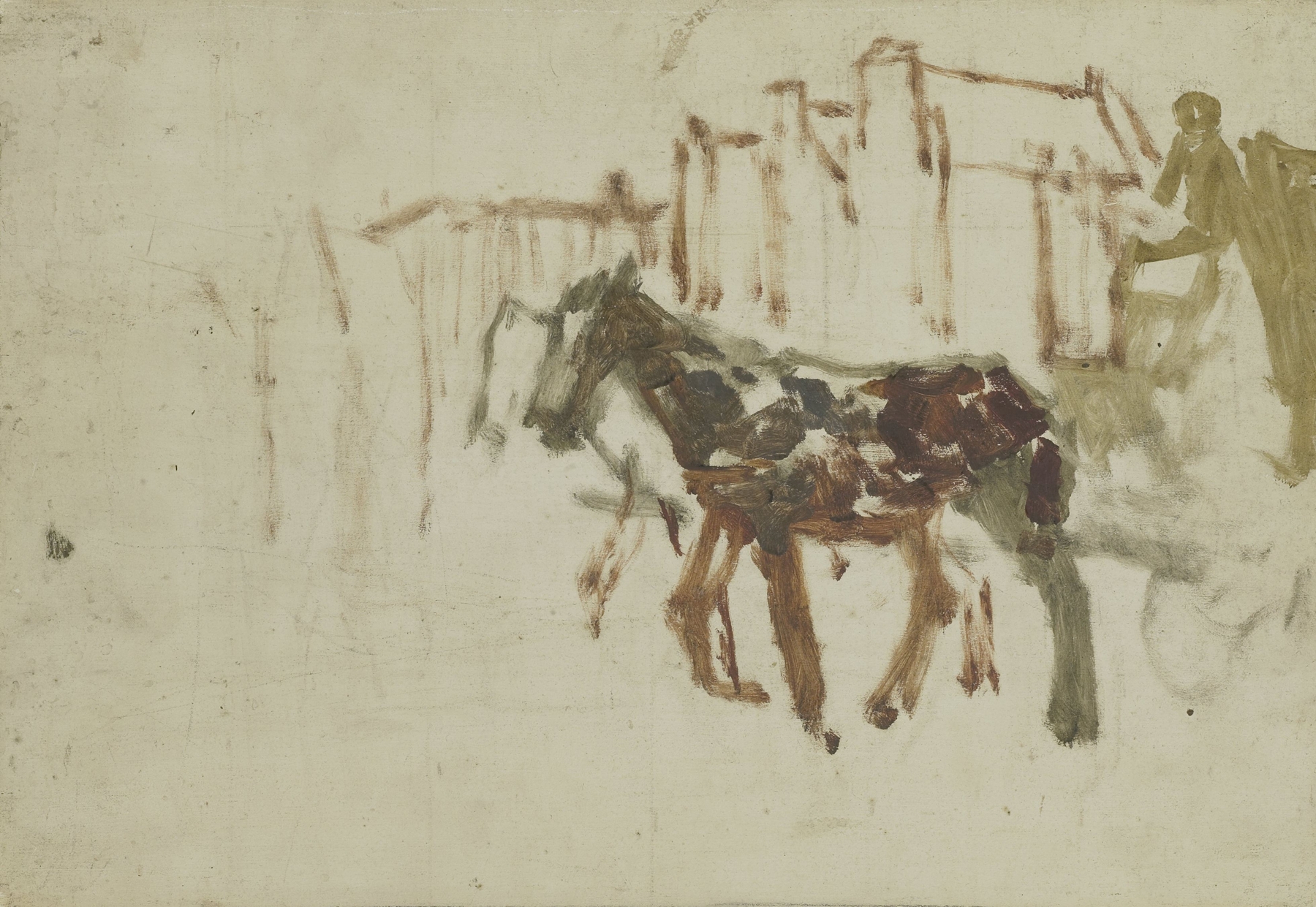
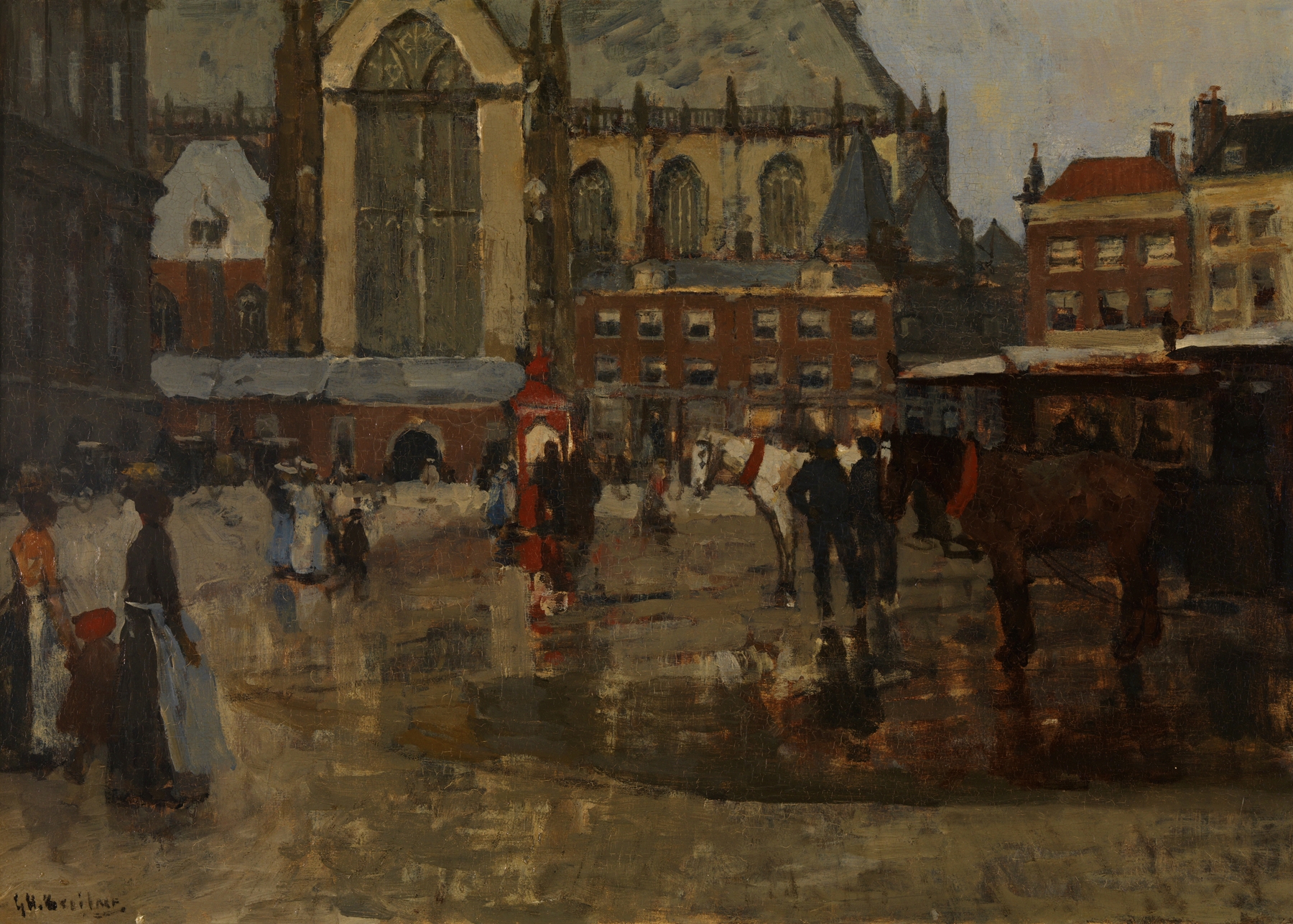
What if silence could speak through light? In Neighborhood Street in The Hague or Scheveningen, it whispers tales of daily life, balance, and fleeting moments captured in time. The stillness of the scene invites viewers to pause, reflecting on the harmony found in simple yet profound existences. Look to the left where the warm, amber glow of the streetlamps gently illuminates the cobblestones. The play of light and shadow creates a rhythmic dance across the canvas, leading your eye toward the figures strolling beneath the awnings of quaint buildings.
The artist's brushwork is deliberate, with soft strokes that convey movement, while the muted palette enhances a sense of tranquility, ensuring the viewer feels both present and introspective. Yet, beneath the serene surface, a tension simmers. The juxtaposition of light and shadow suggests an undercurrent of urgency, as if time itself is caught between the hustle of daily life and the stillness of the moment. The figures, though seemingly leisurely, are on the brink of engaging in the bustling rhythm of their surroundings, embodying a delicate balance between rest and activity.
Each detail, from the slight tilt of a hat to the gathering clouds above, reflects the intricate dynamics of urban life. In the early 1900s, Breitner created this piece while living in The Hague, a city known for its artistic community. At this time, he was exploring the interplay of light and the urban landscape, influenced by the advent of Impressionism. This period marked a significant evolution in his style, as he sought to capture moments that resonated with the everyday experiences of people, thereby enriching the dialogue between art and reality.