Nocturne — History & Analysis
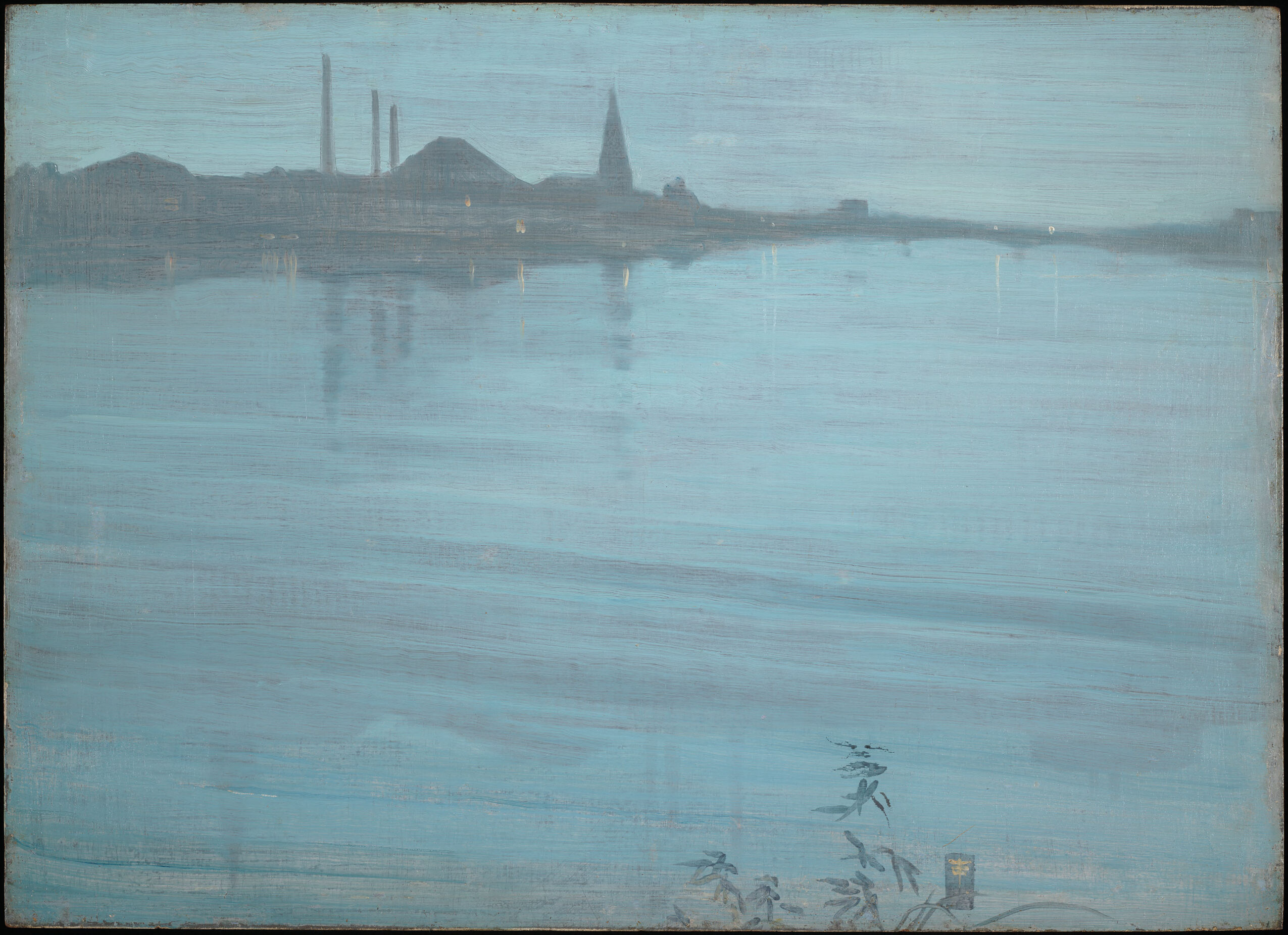
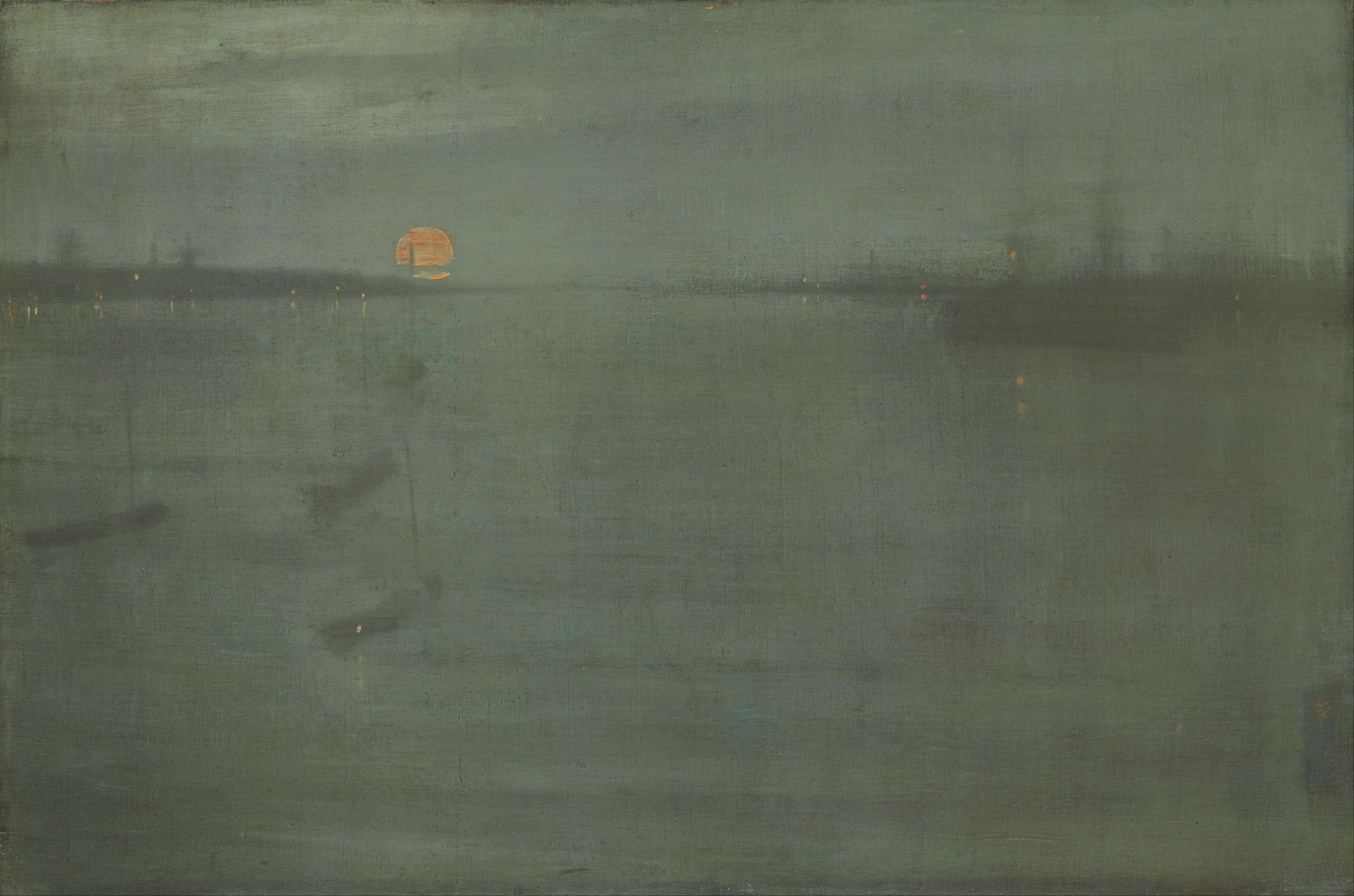
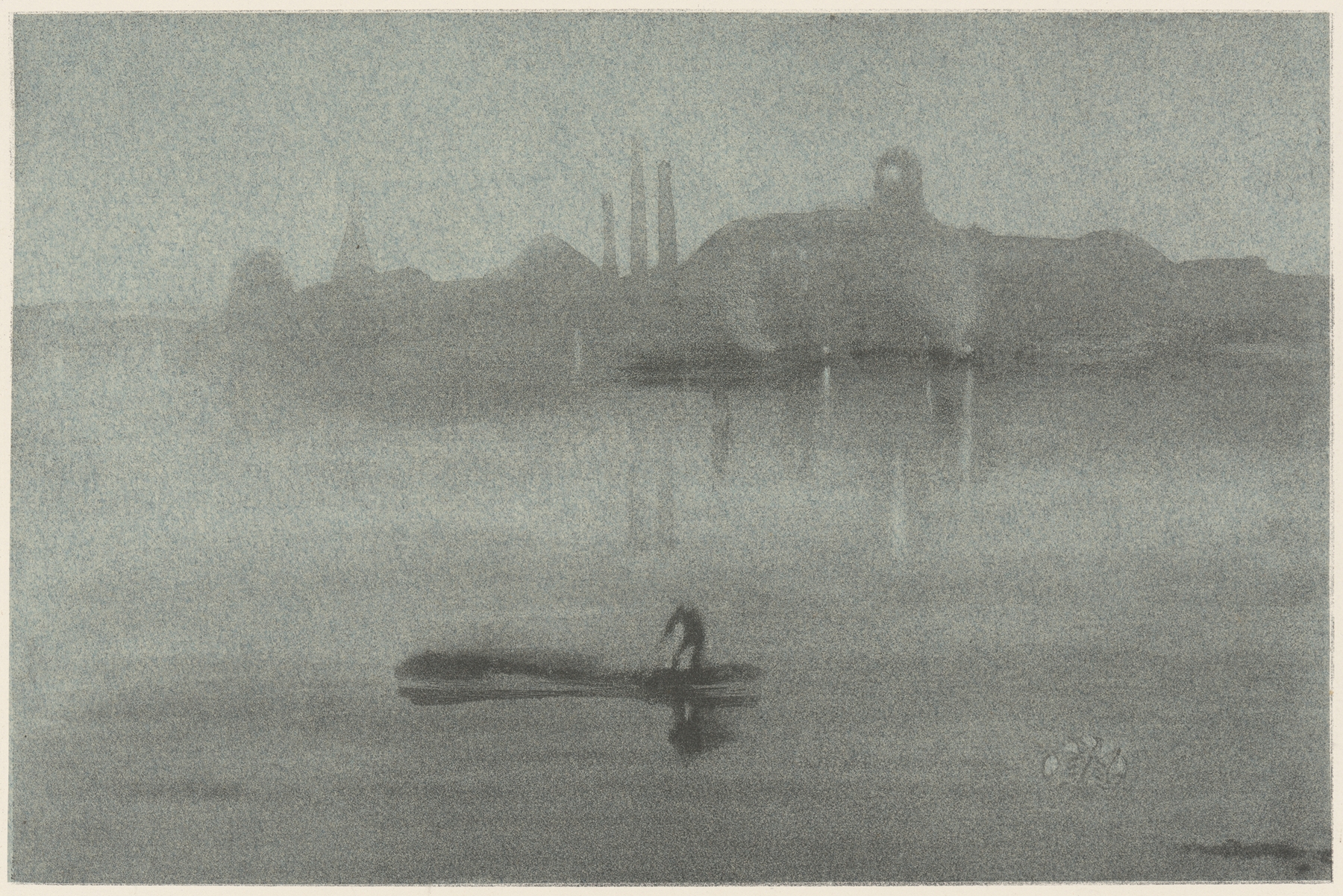
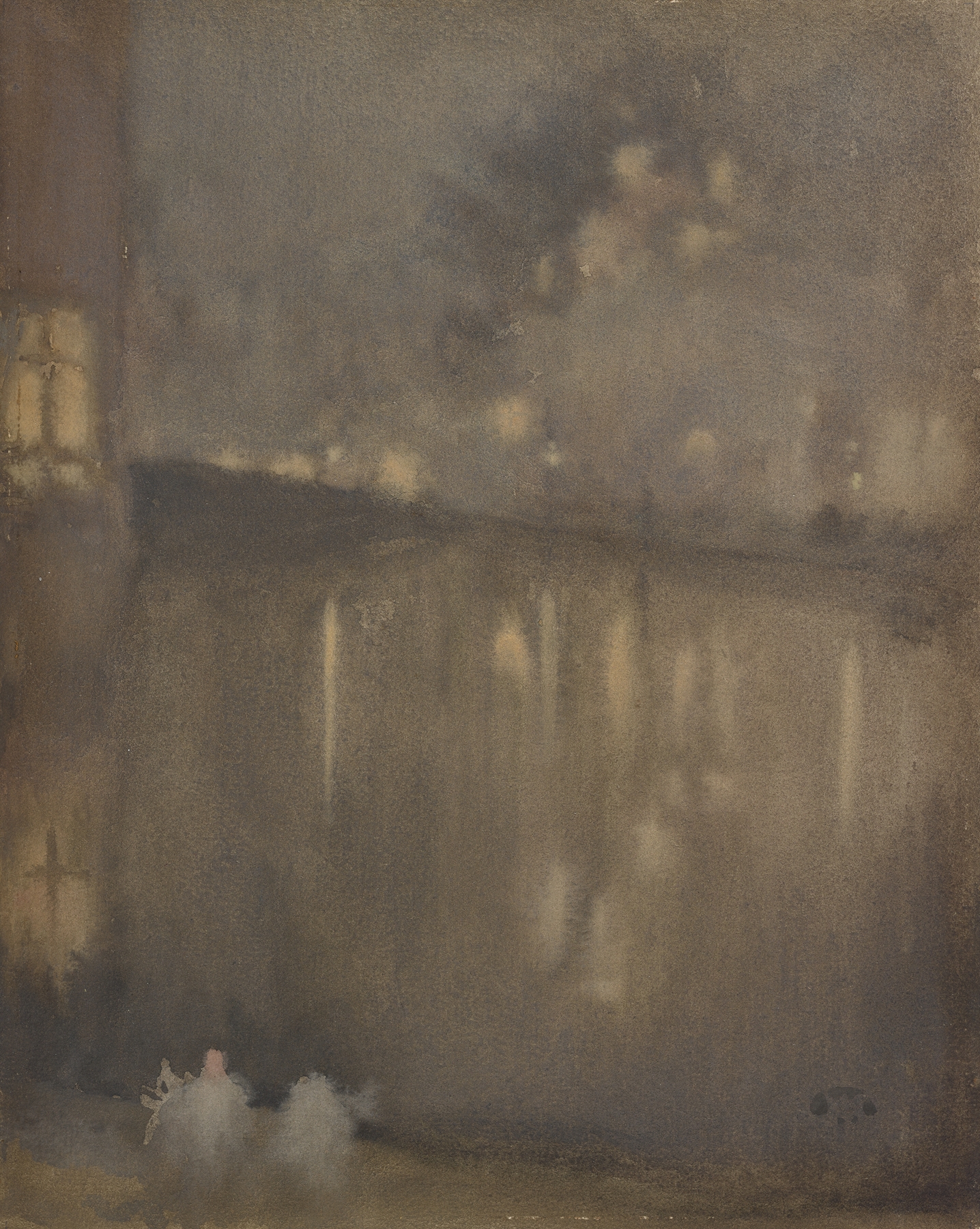
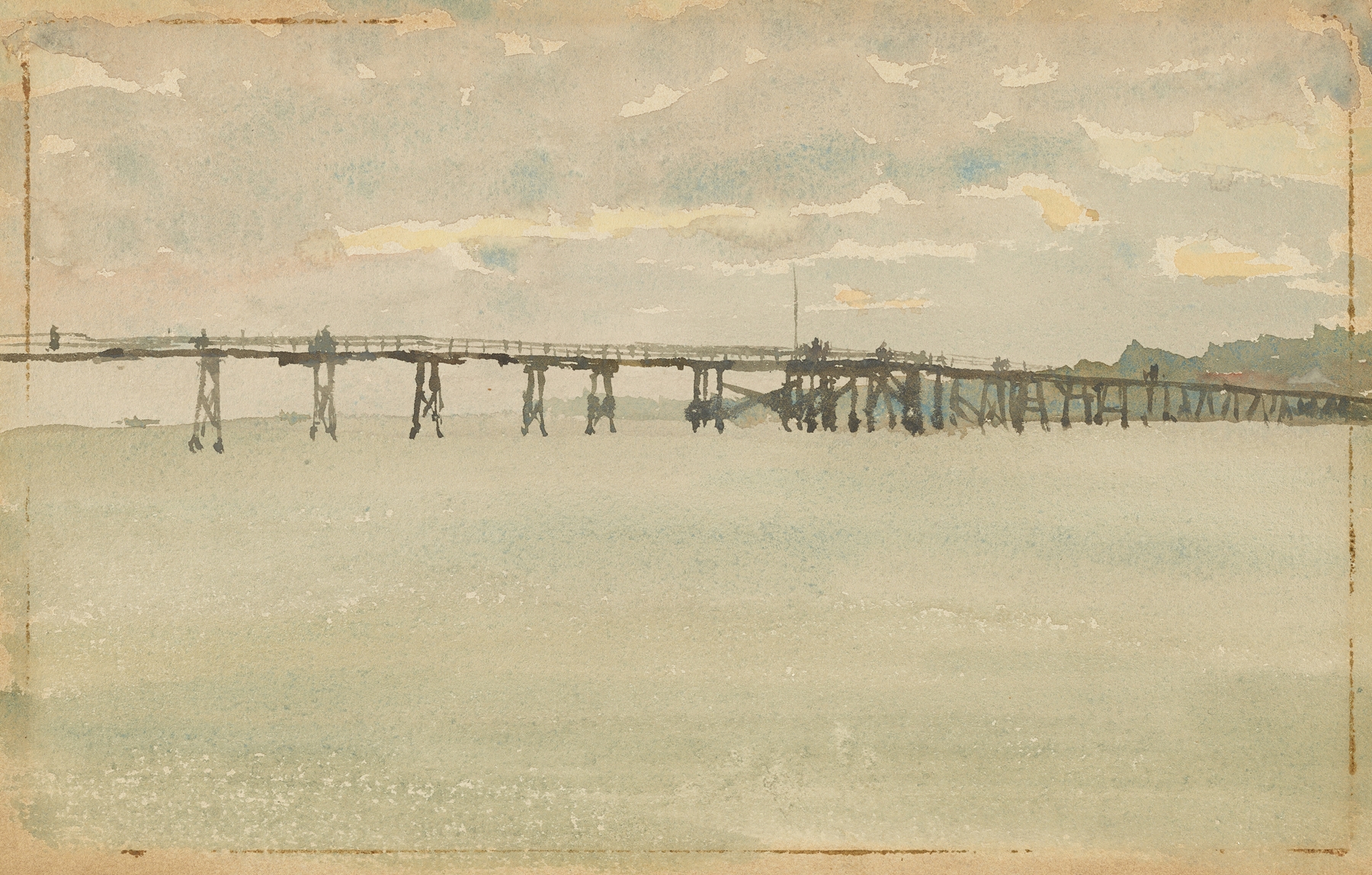
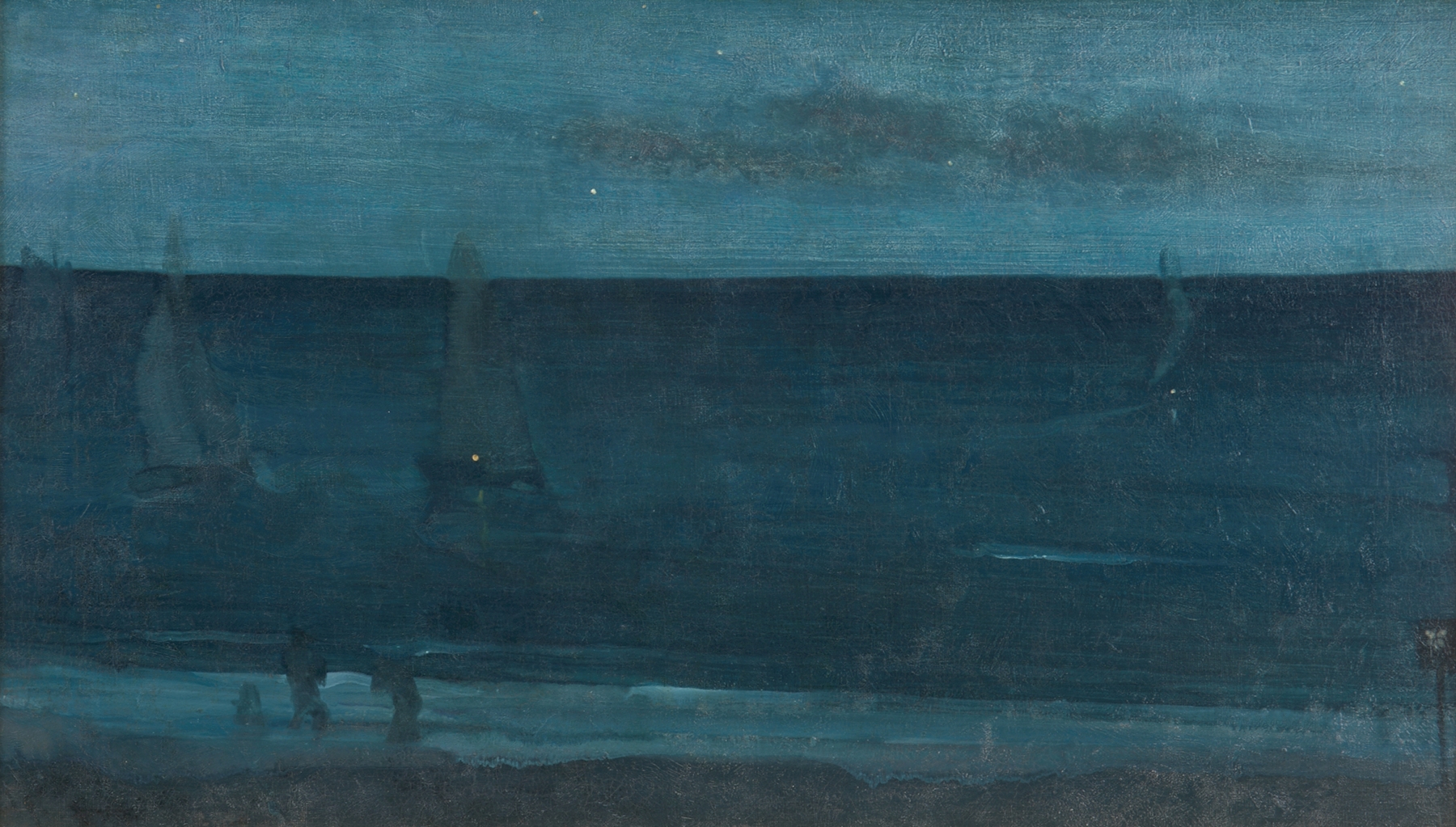
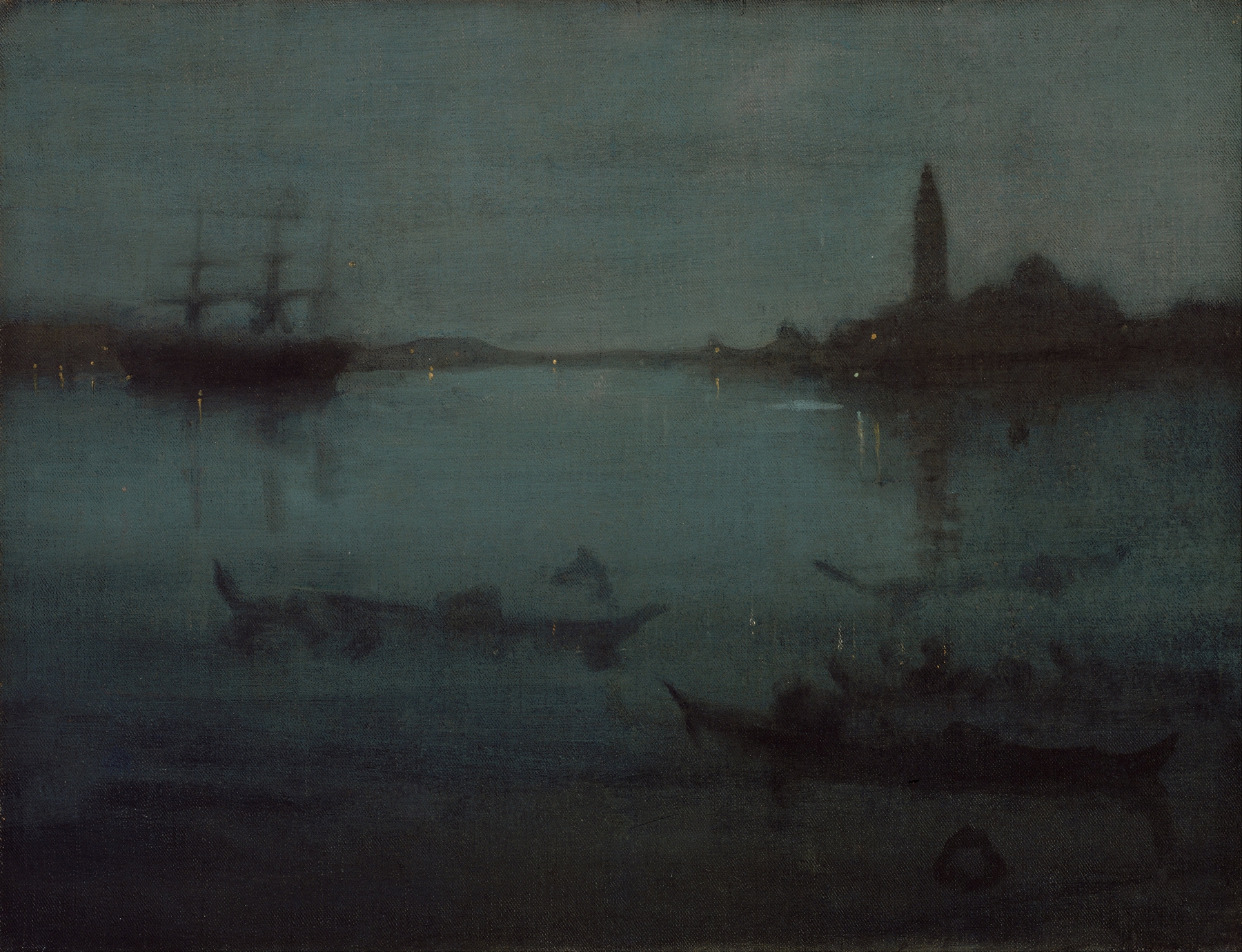
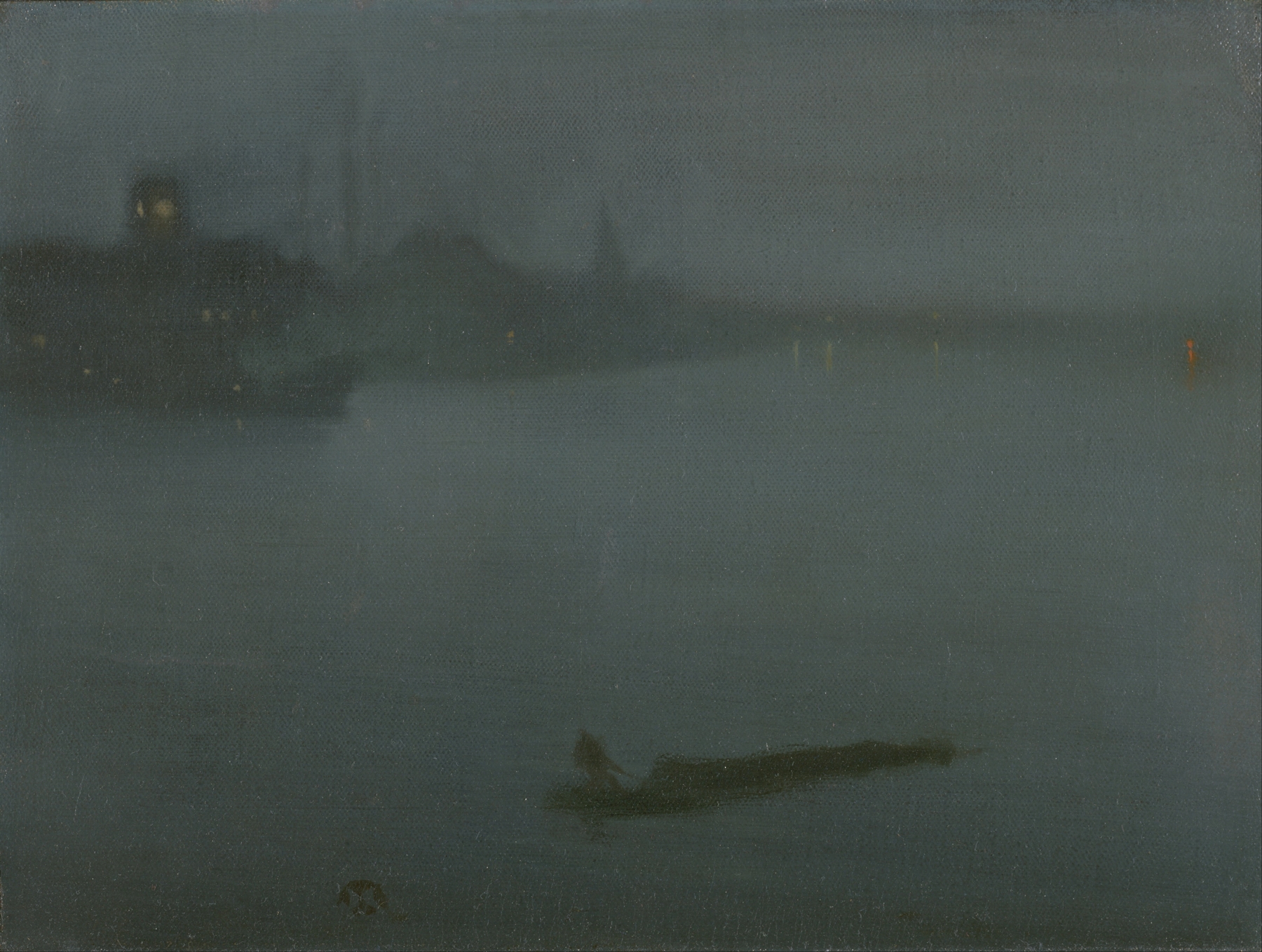
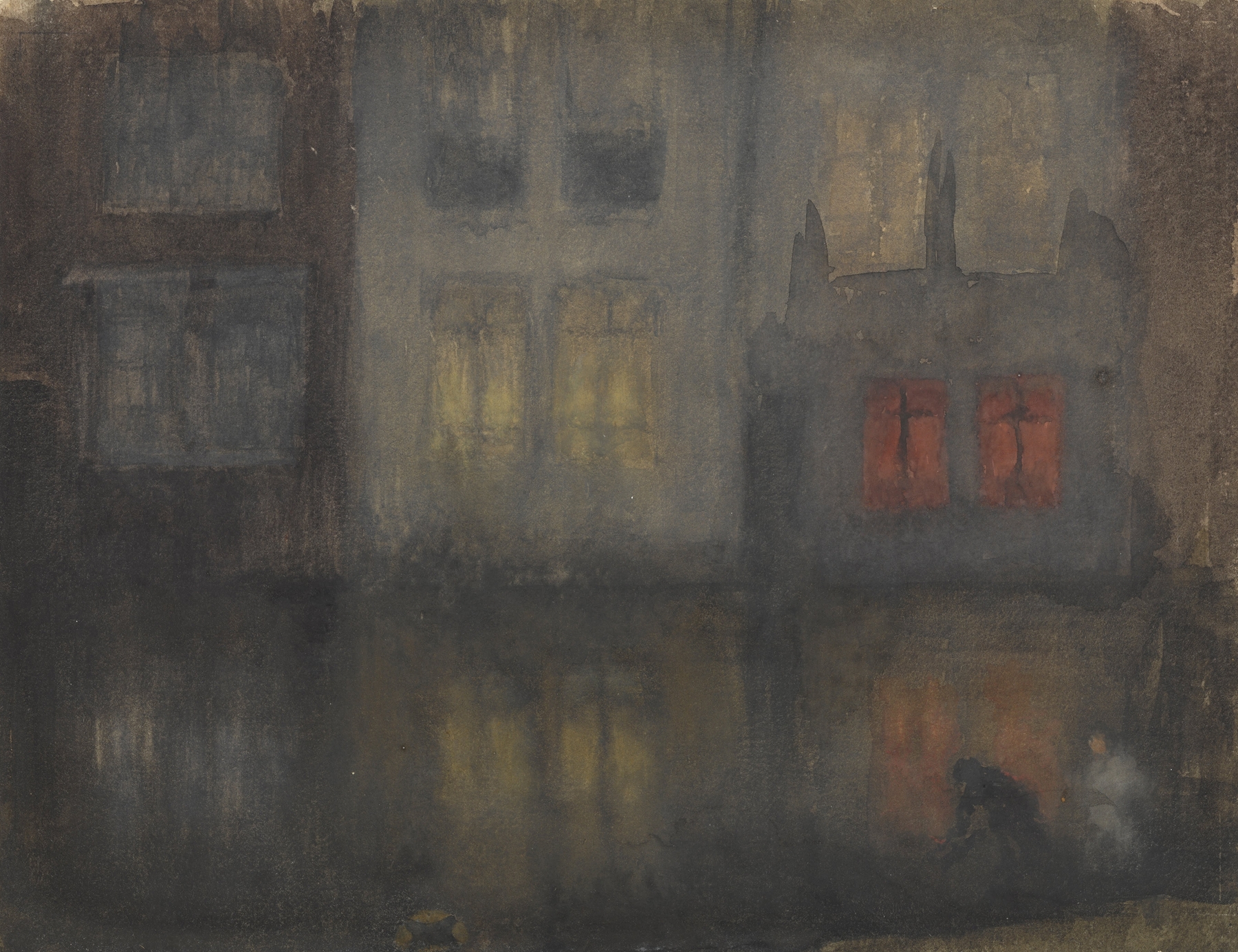
“Between color and silence, truth hides.” In the hushed embrace of shadows, one can almost hear the breath of night, where faith intertwines with the unseen. Look to the center of the canvas, where a soft luminescence emerges from a shadowy backdrop, hinting at an ethereal form. The cool blues and grays envelop the scene, inviting contemplation, while subtle hints of warm tones breathe life into the otherwise muted landscape. The delicate brushwork creates a sense of fluidity, as if the very essence of night flows across the surface, suggesting movement and emotion in the stillness.
Beneath the tranquil exterior lies a profound tension: the interplay of light and dark evokes a sense of longing and introspection. The shadows conceal as much as they reveal, illustrating the complexity of human perception and belief. Each stroke contributes to an atmosphere that feels both intimate and vast, allowing the viewer to traverse the delicate line between reality and a dreamlike reverie, where personal faith resides in the nuances of existence.
During the late 19th century, the artist created this work while living in London, a time when he was influenced by the burgeoning movement of aestheticism. Whistler was striving to elevate the status of visual art, seeking to convey emotions through color and composition, rather than mere representation. Nocturne embodies this ethos, reflecting a period of exploration in both his personal life and the wider art world, where the significance of impressionistic ideals began to take hold.