Note in Blue and Opal–Jersey — History & Analysis
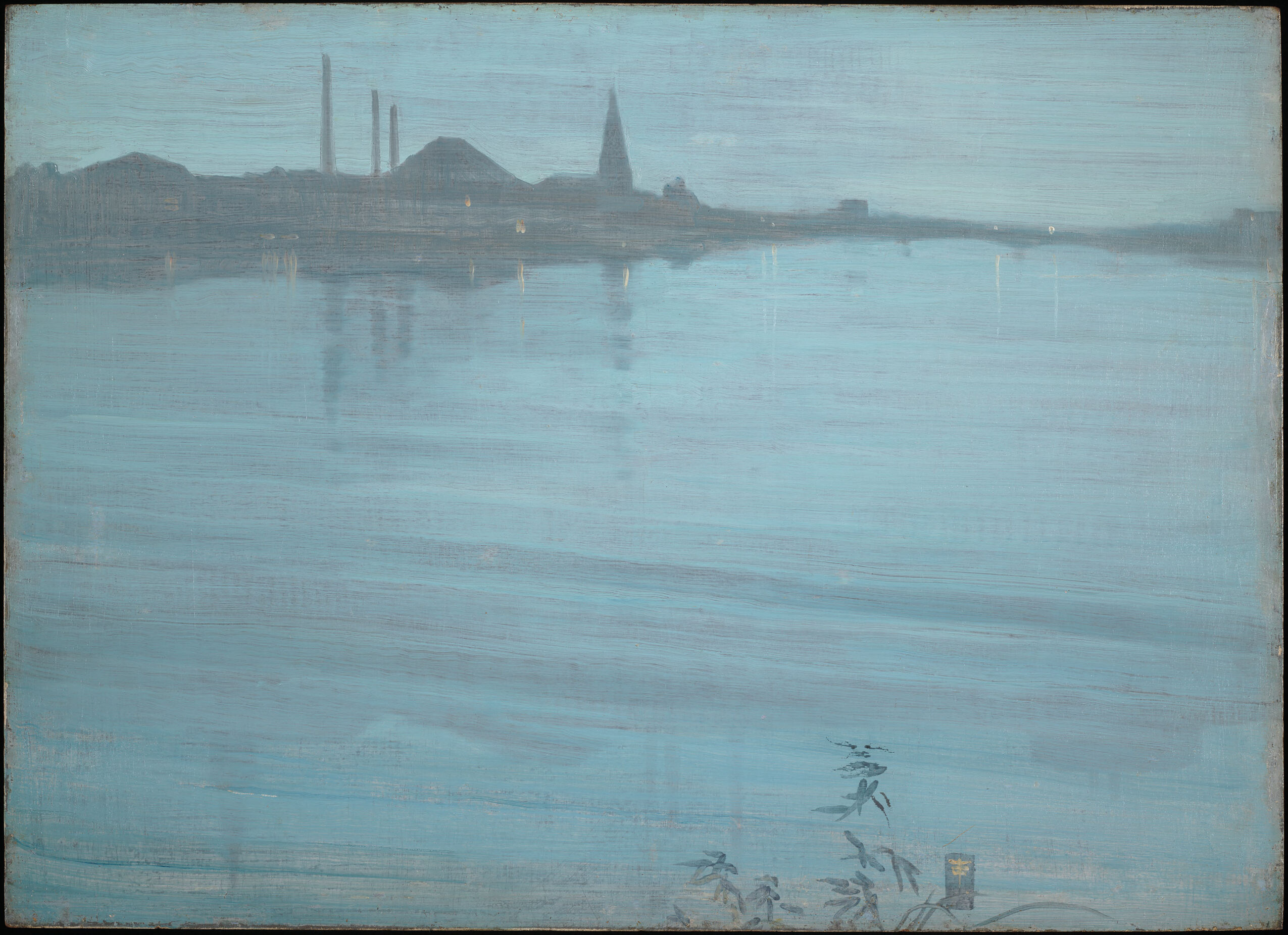
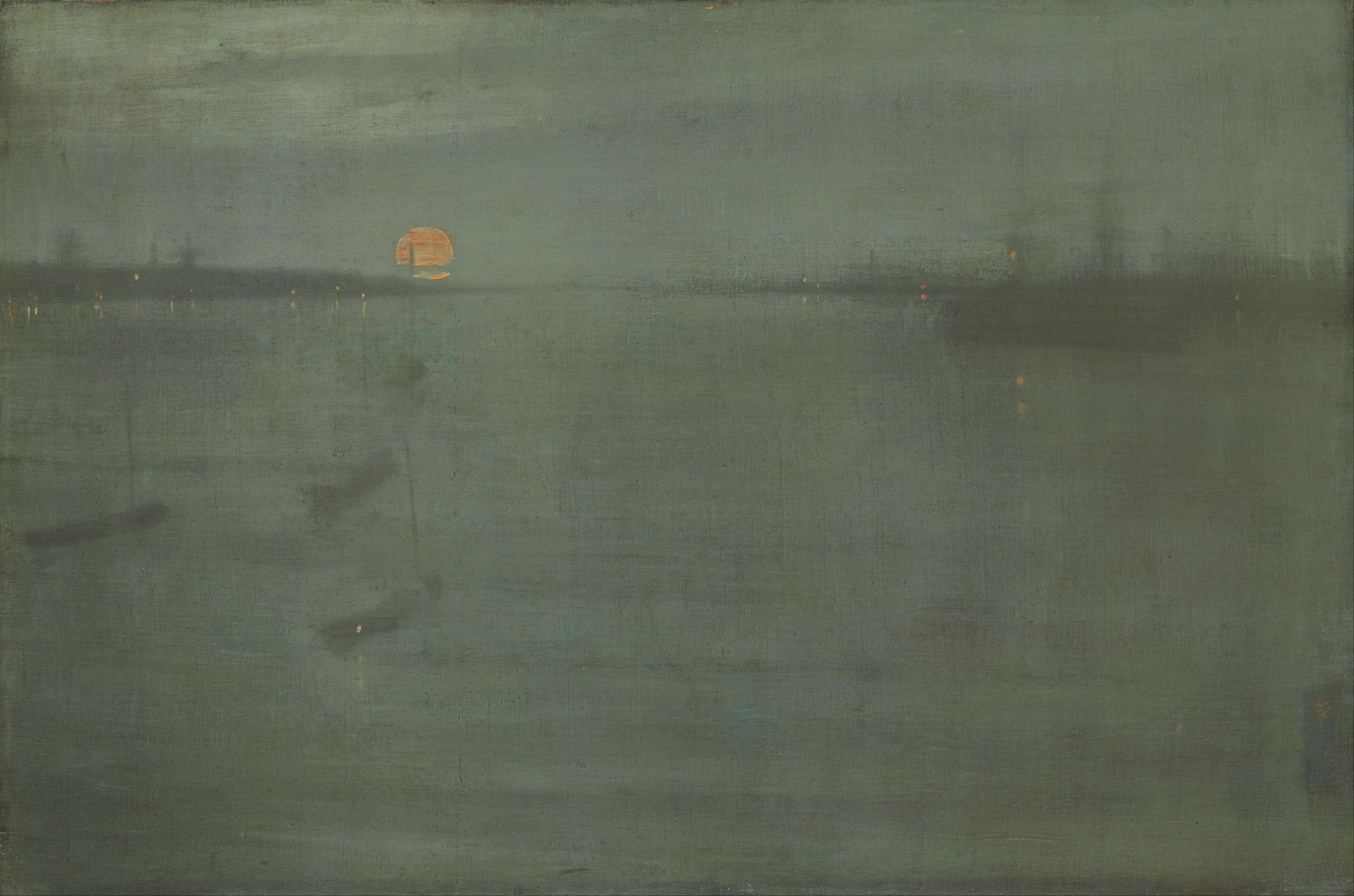
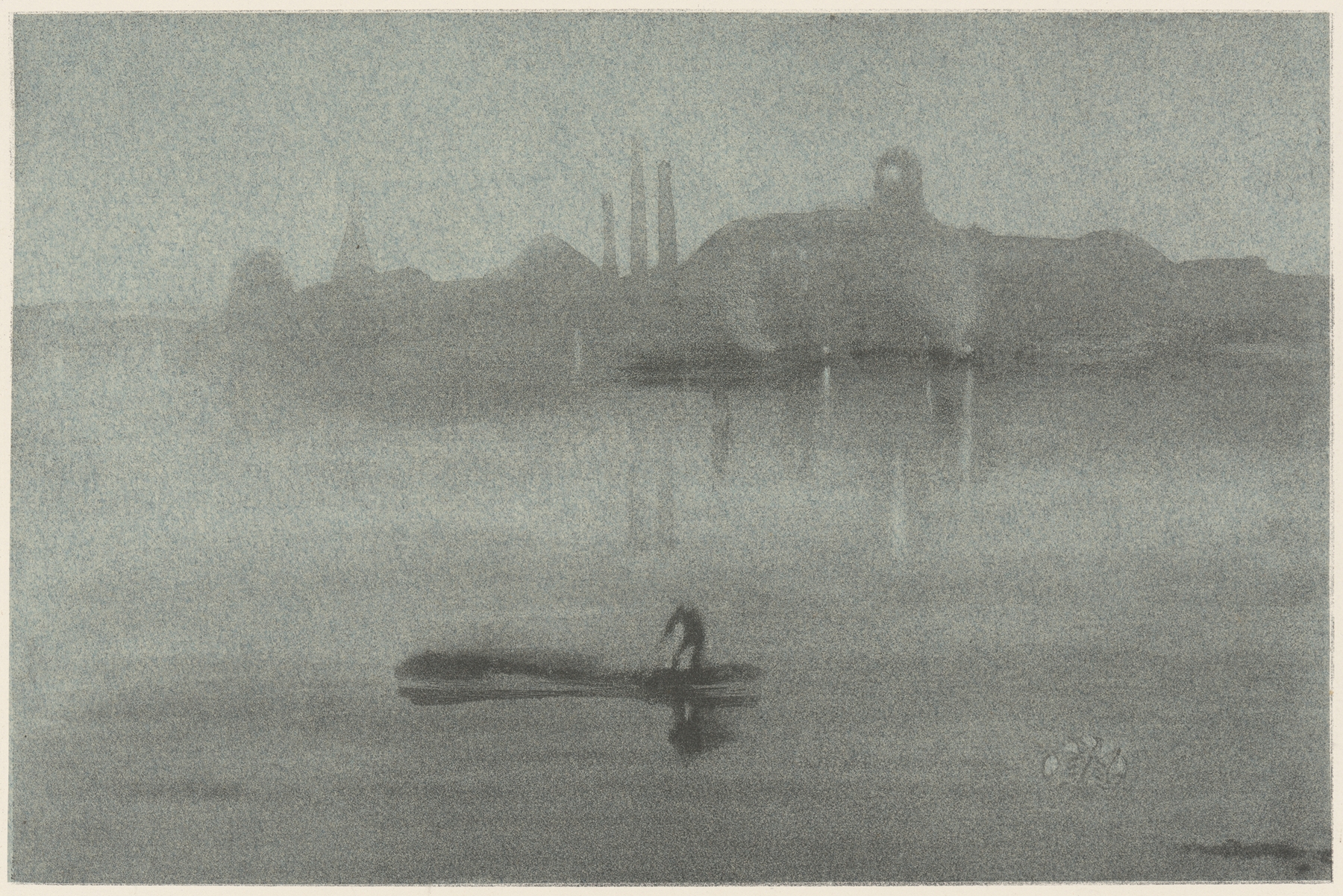
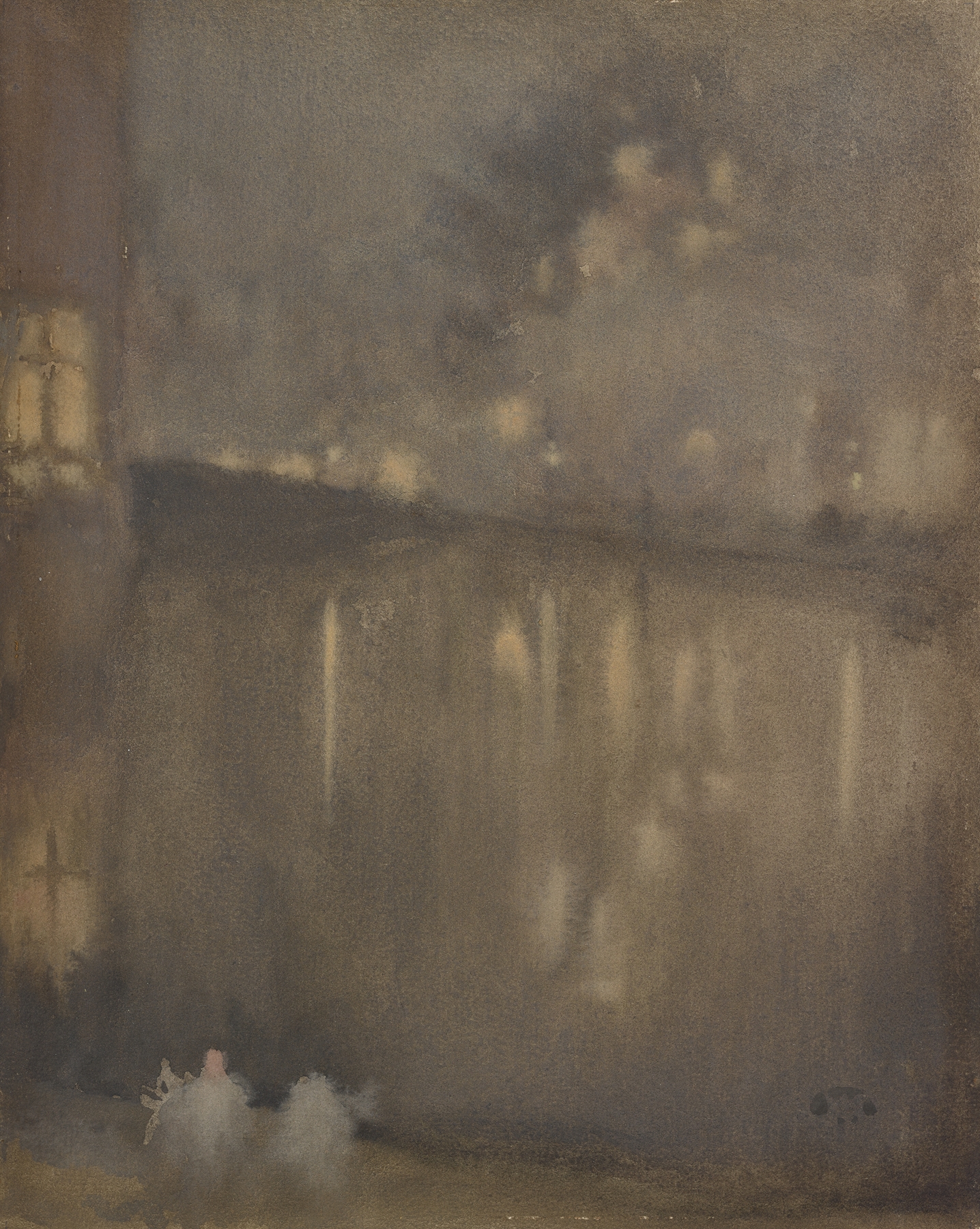
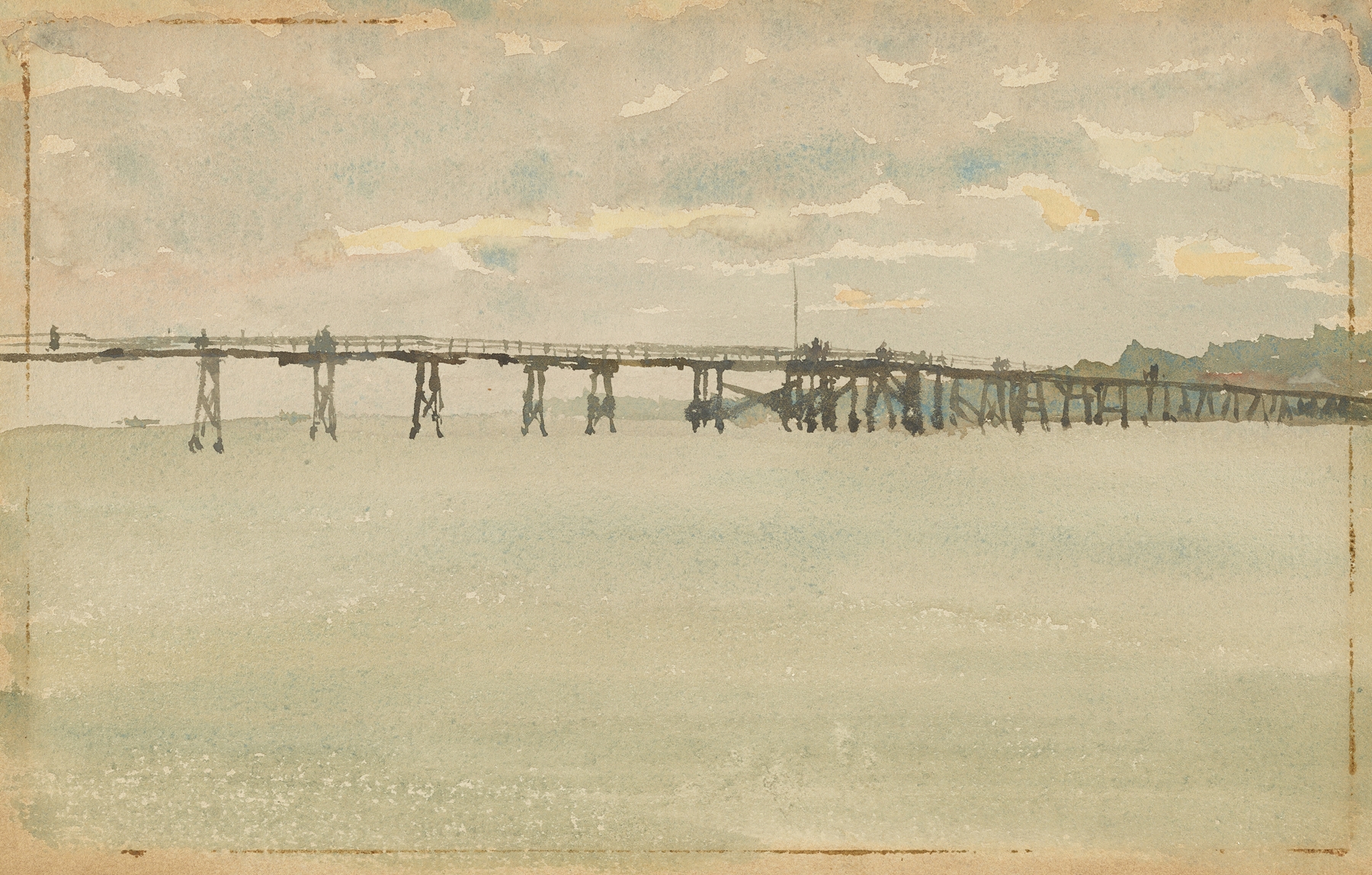
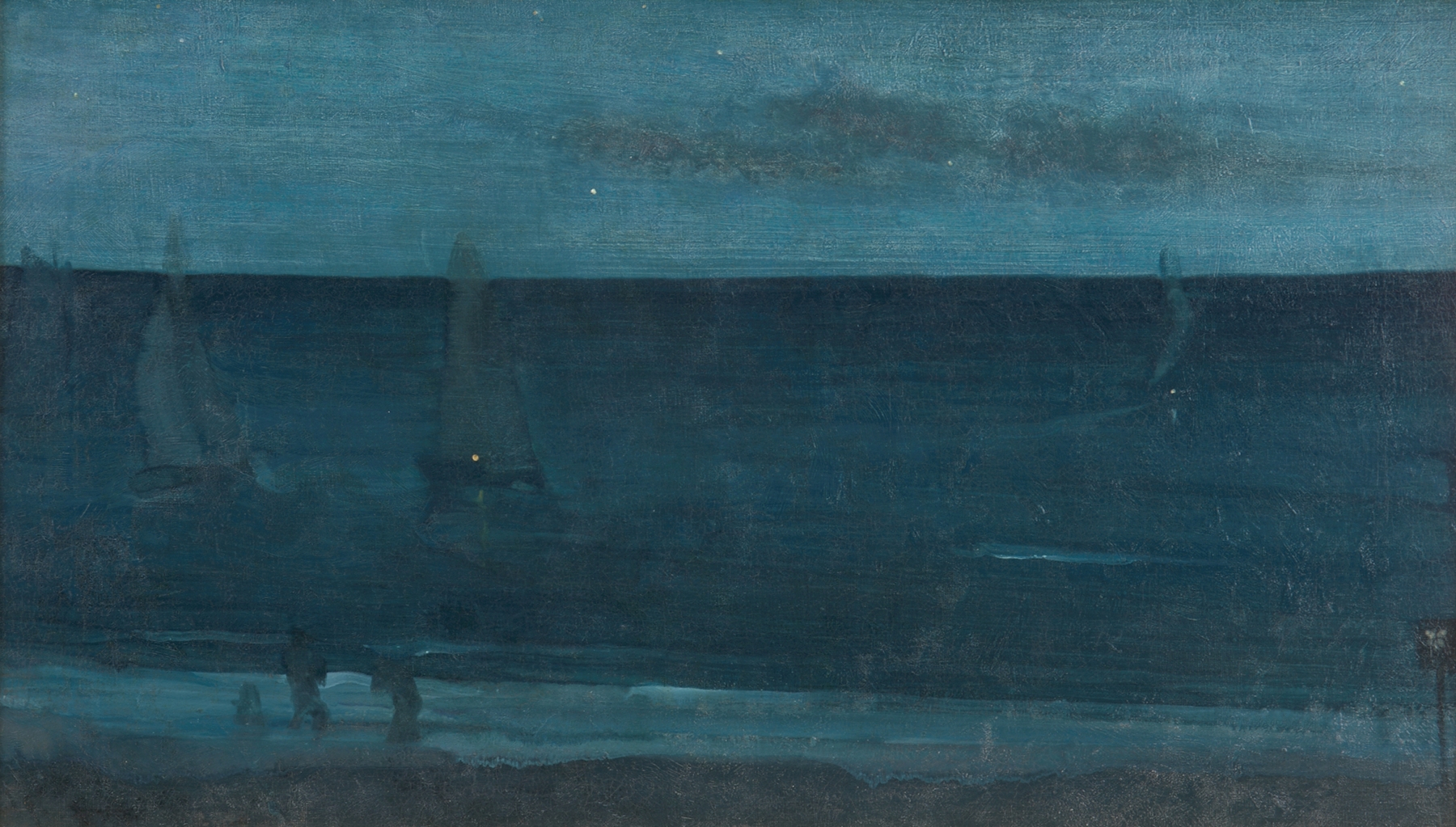
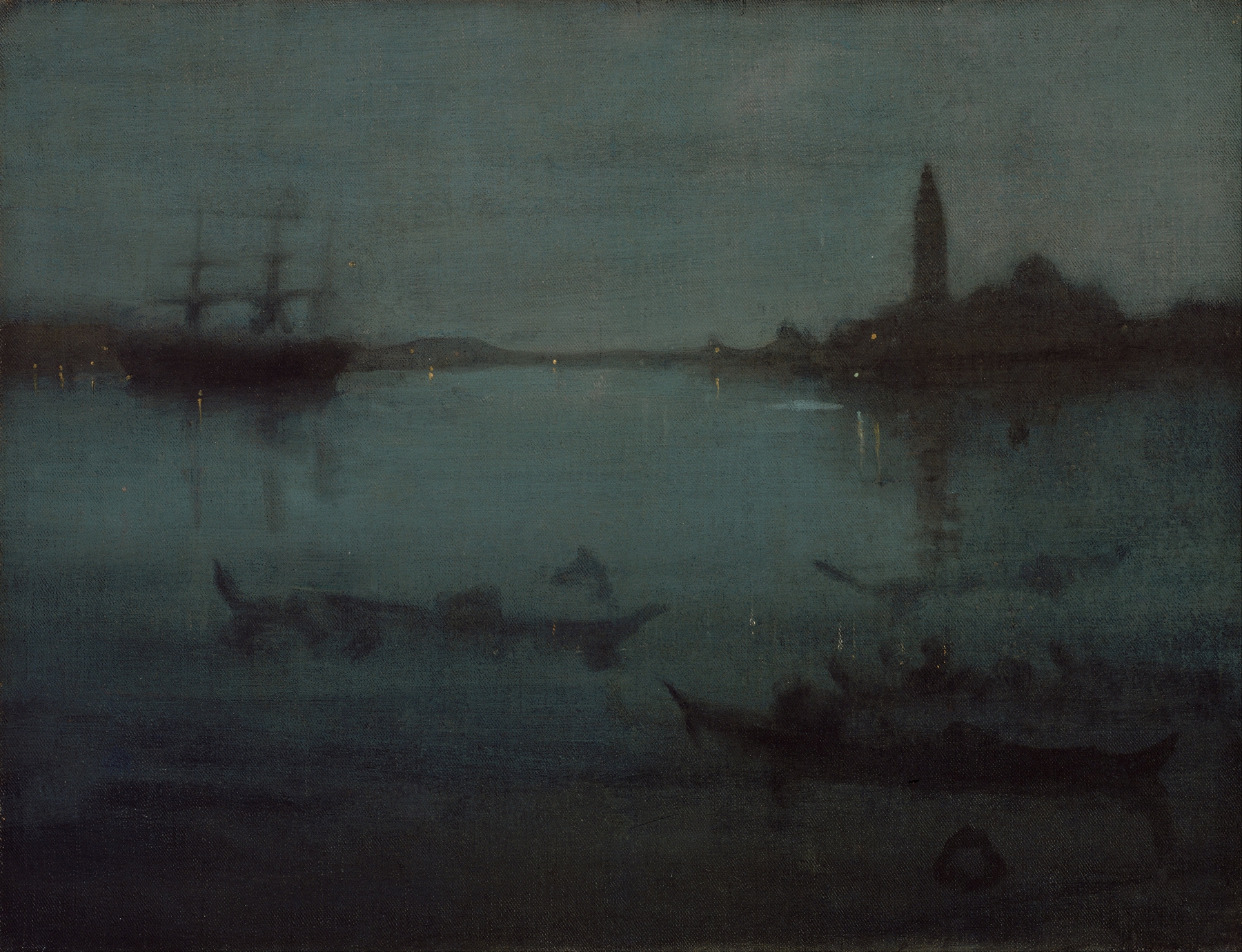
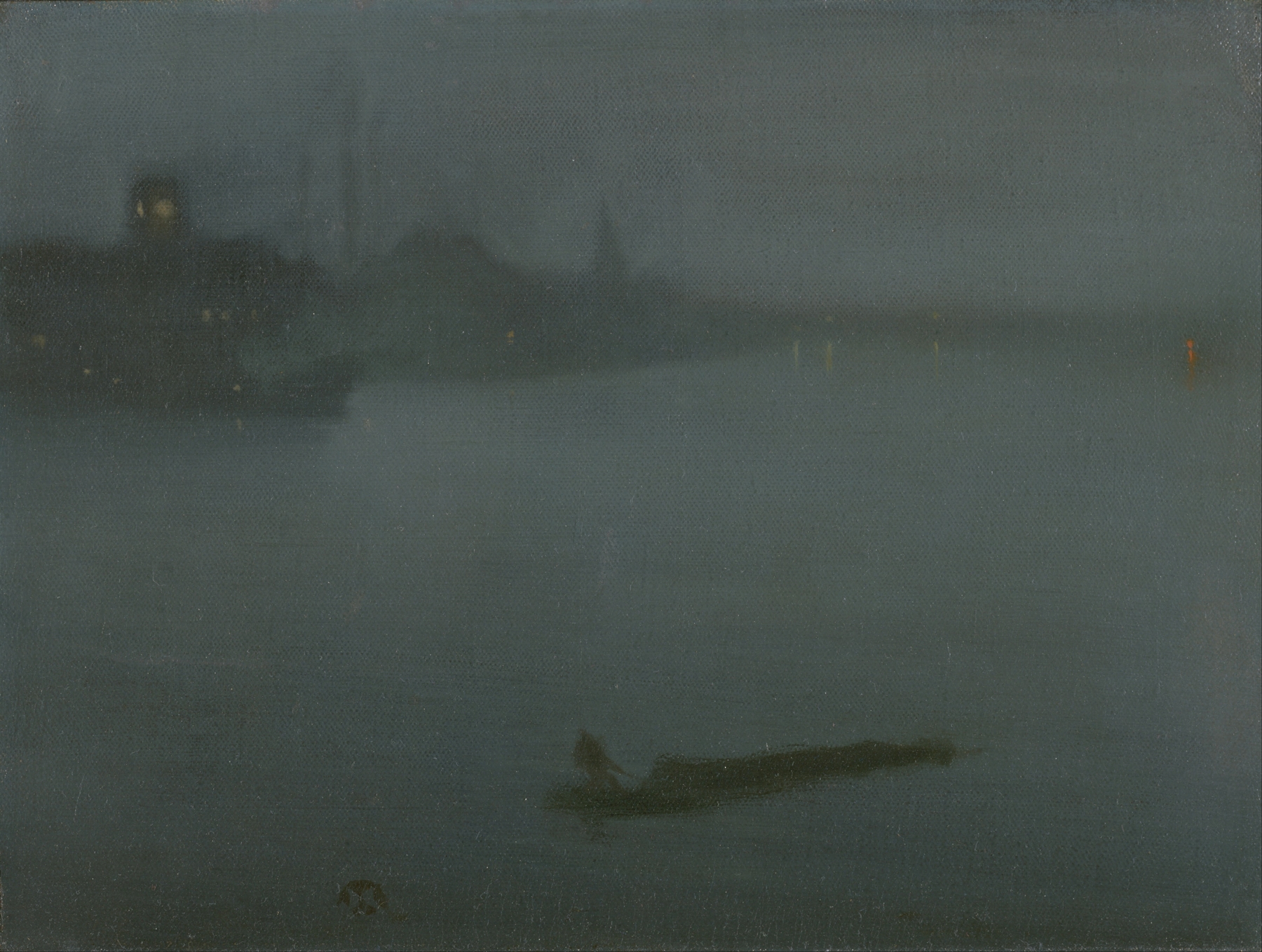
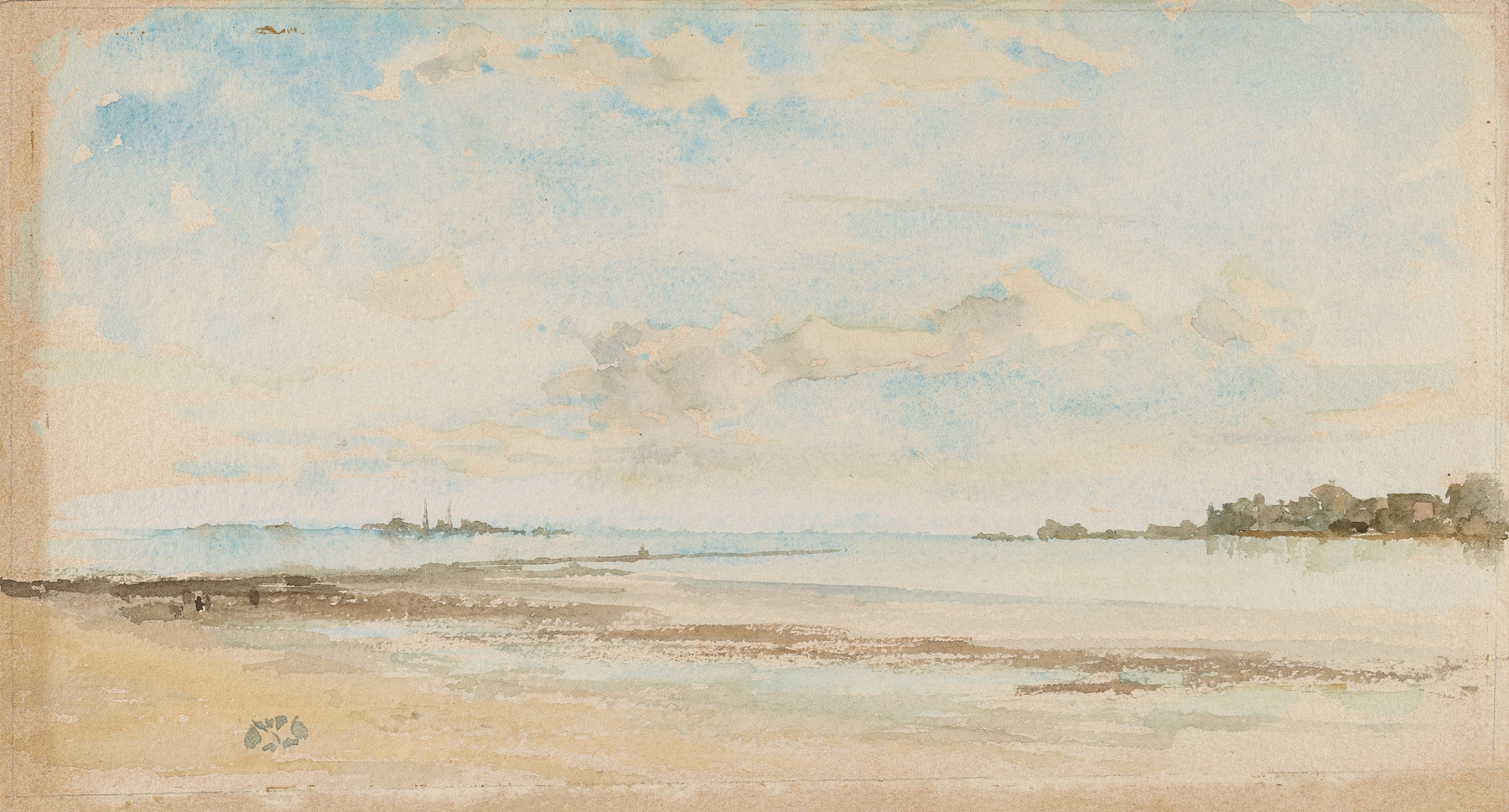
What secret hides in the quiet of the canvas? A delicate interplay of color and emotion whispers of profound loss, inviting the viewer to explore depths of grief. Focus first on the soft blue tones that envelop the composition, as they create a serene yet melancholic atmosphere. The gentle strokes blend harmoniously, guiding your gaze to the figure draped in opalescent hues, subtly shimmering against the muted background.
Notice how the interplay of light and shadow defines the contours of the subject, suggesting an elegance marred by an underlying sadness—a sense of vulnerability that resonates within the viewer. Hidden beneath the surface lies a narrative steeped in personal history. The juxtaposition of the serene palette with the figure’s haunting expression evokes the complexities of mourning and reminiscence. Every brushstroke seems to echo unspoken words, the quietude capturing the tension between presence and absence, drawing us into a world where silence speaks louder than noise.
The opalescent elements may symbolize the fleeting nature of beauty and life itself, entwining the viewer in the poignant realization of what has been lost. In 1881, Whistler painted this work during a period of personal reflection and artistic exploration while living in London. His innovative approach to color and form was at the forefront of the art world, as he sought to convey emotional truths through abstracted representations. This piece, like much of his oeuvre, captures the essence of impressionism while also providing insight into the artist's own experiences of loss and the complexities of human emotion during the Victorian era.