Note in Blue and Opal—The Sun Cloud — History & Analysis
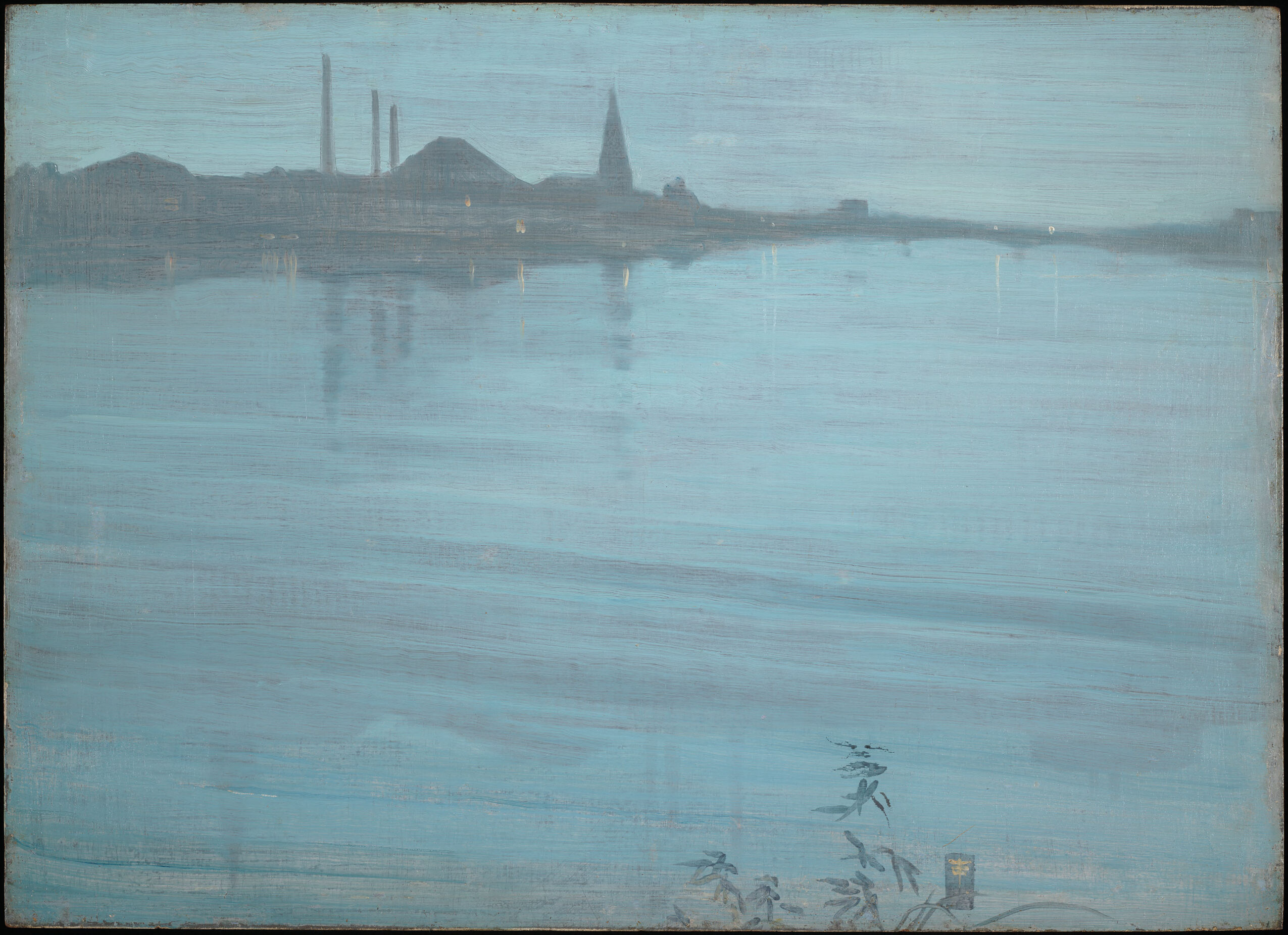
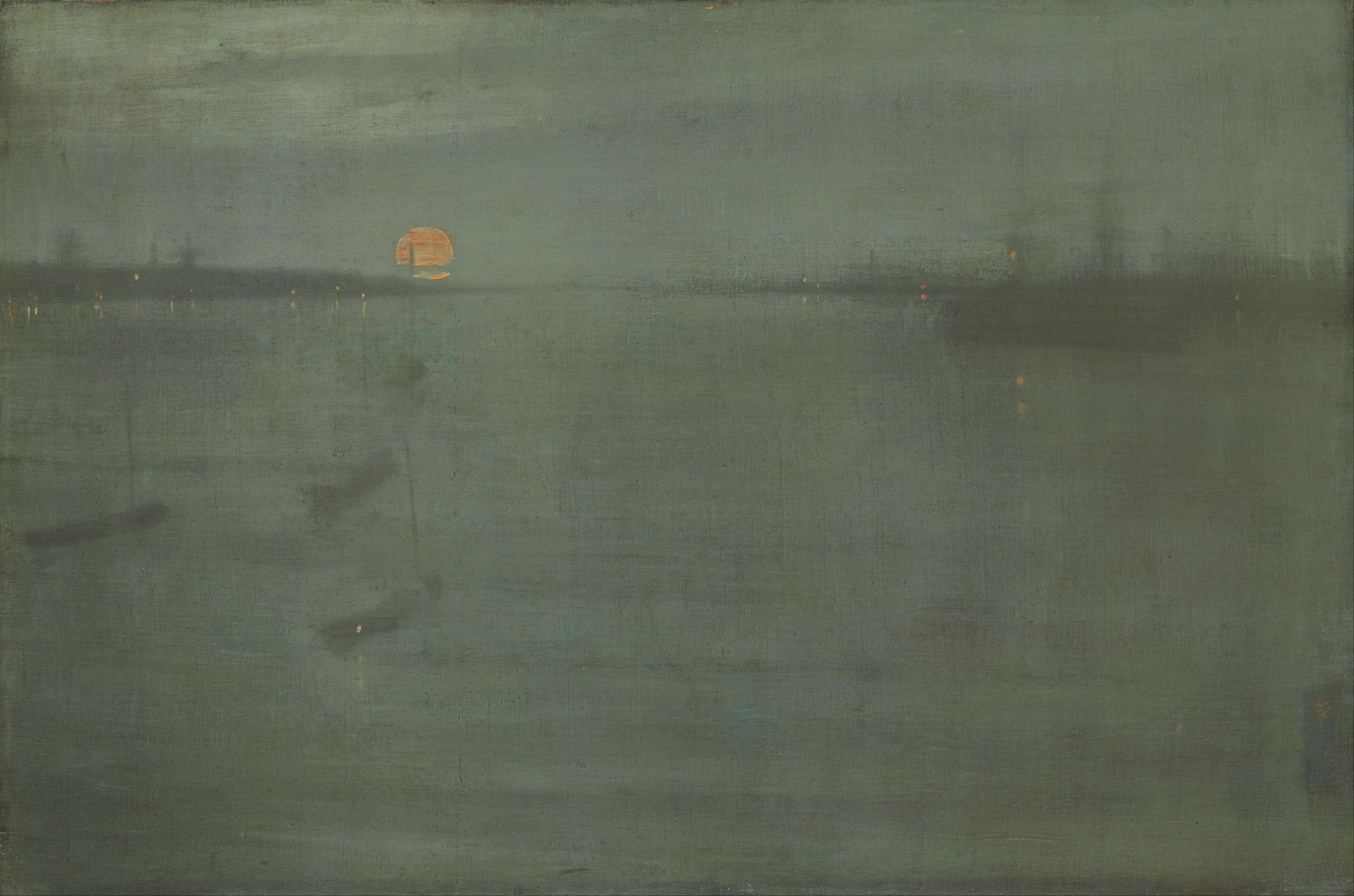
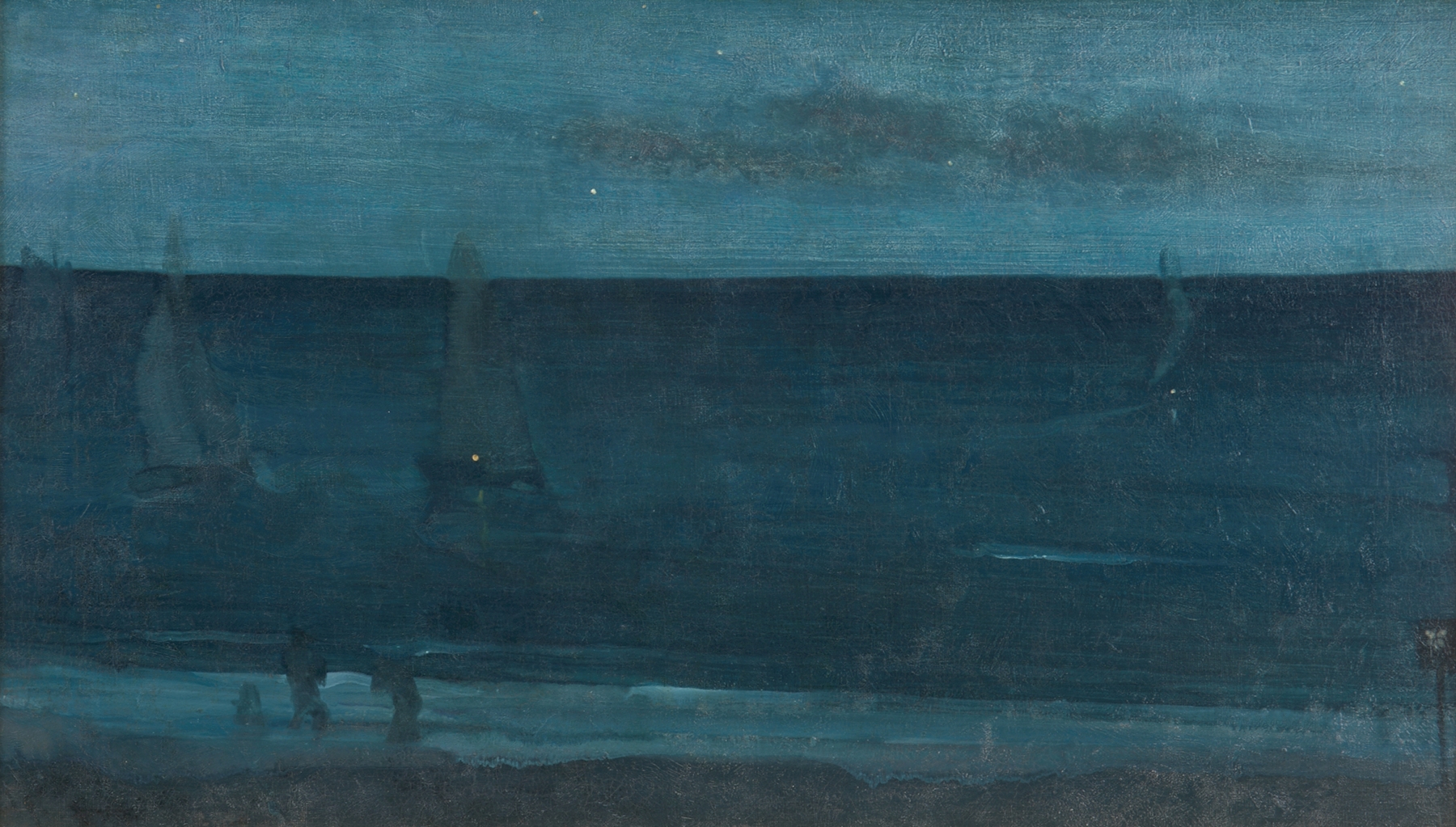
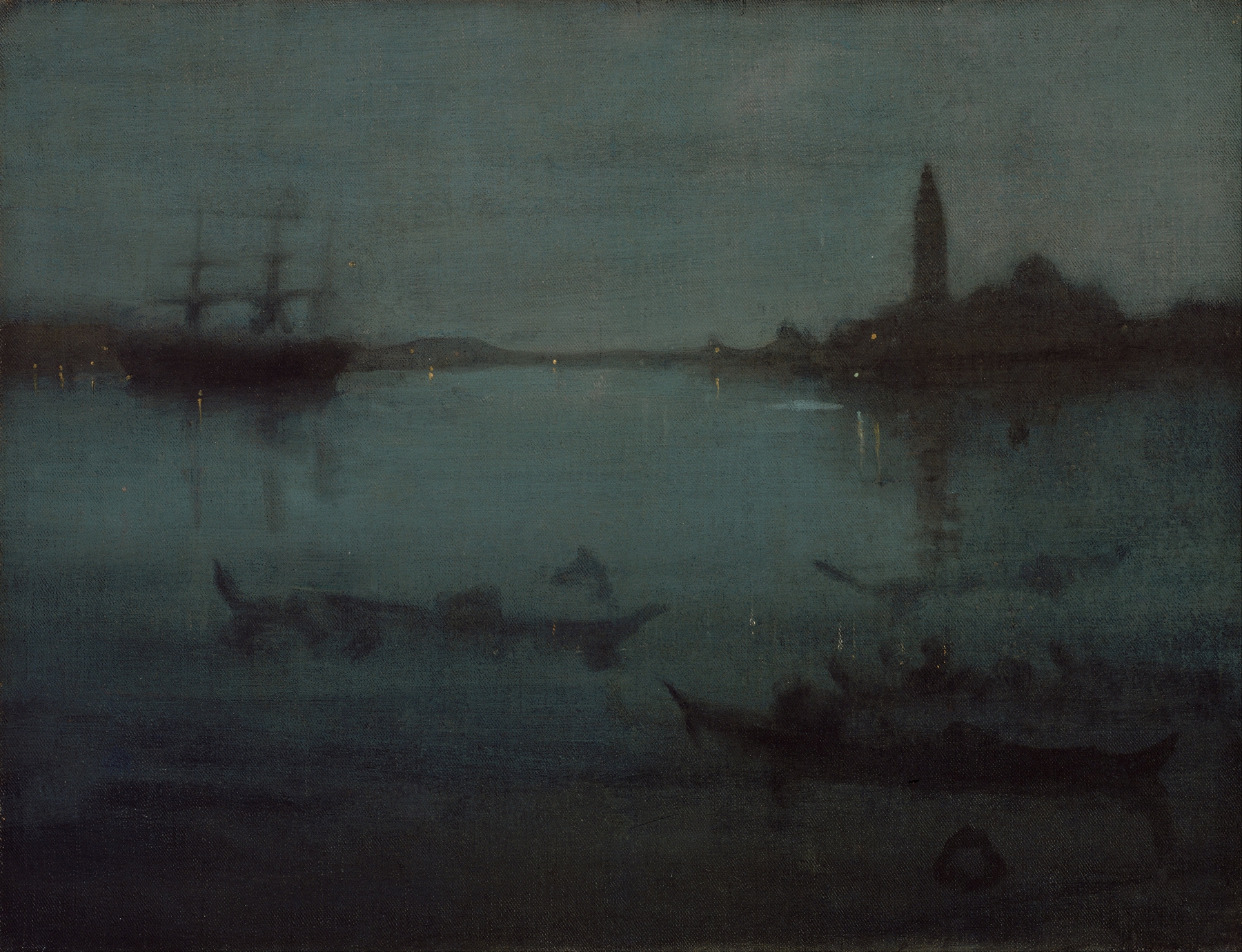
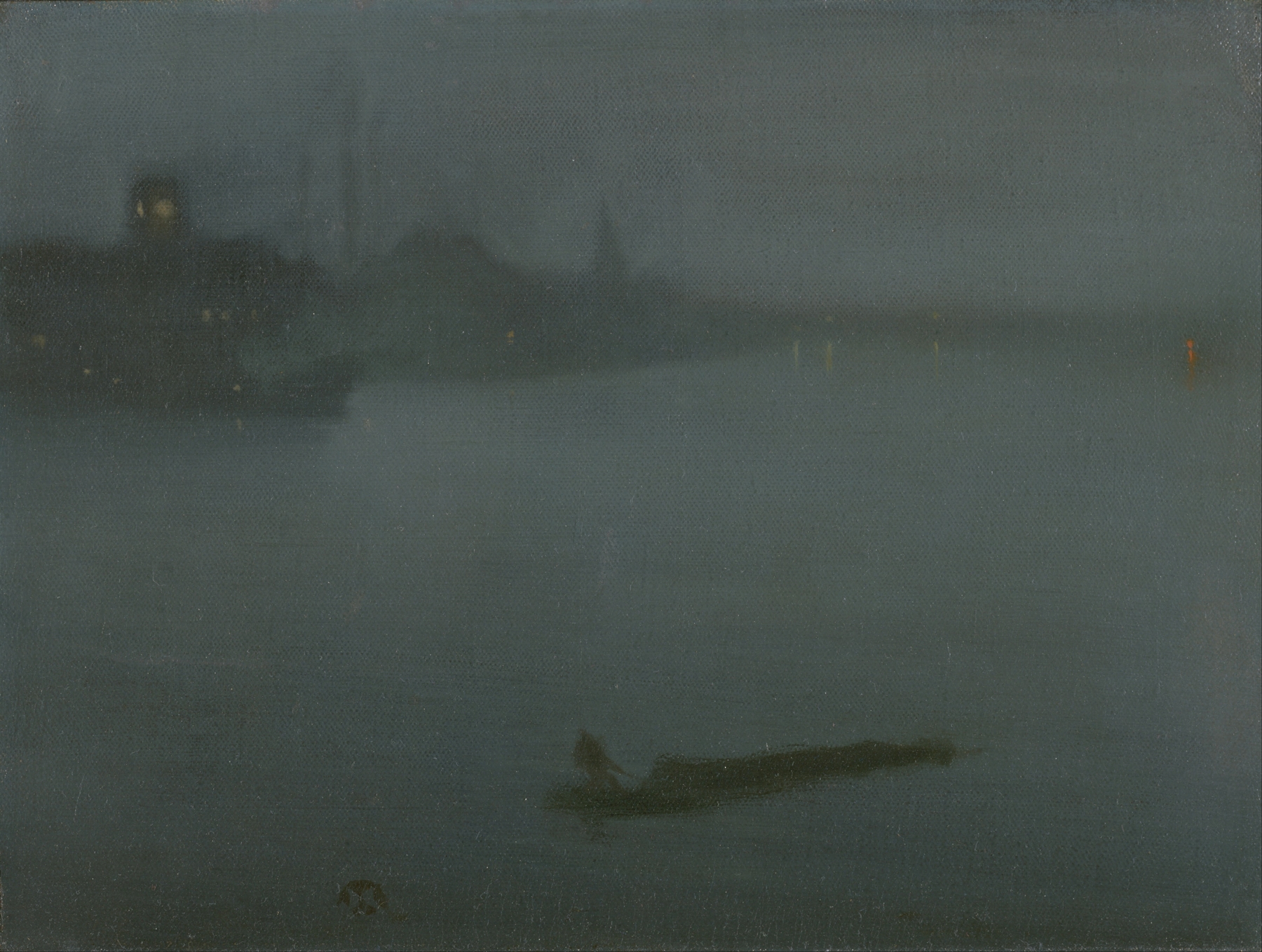
Can paint confess what words never could? The delicate hues and whispered forms in this work invite us to explore the profound emptiness that often lingers in human experience. Focus on the gentle interplay of blues and opalescent whites. Notice how the brushstrokes unravel across the canvas, creating an ethereal landscape that seems to float in a dreamlike state.
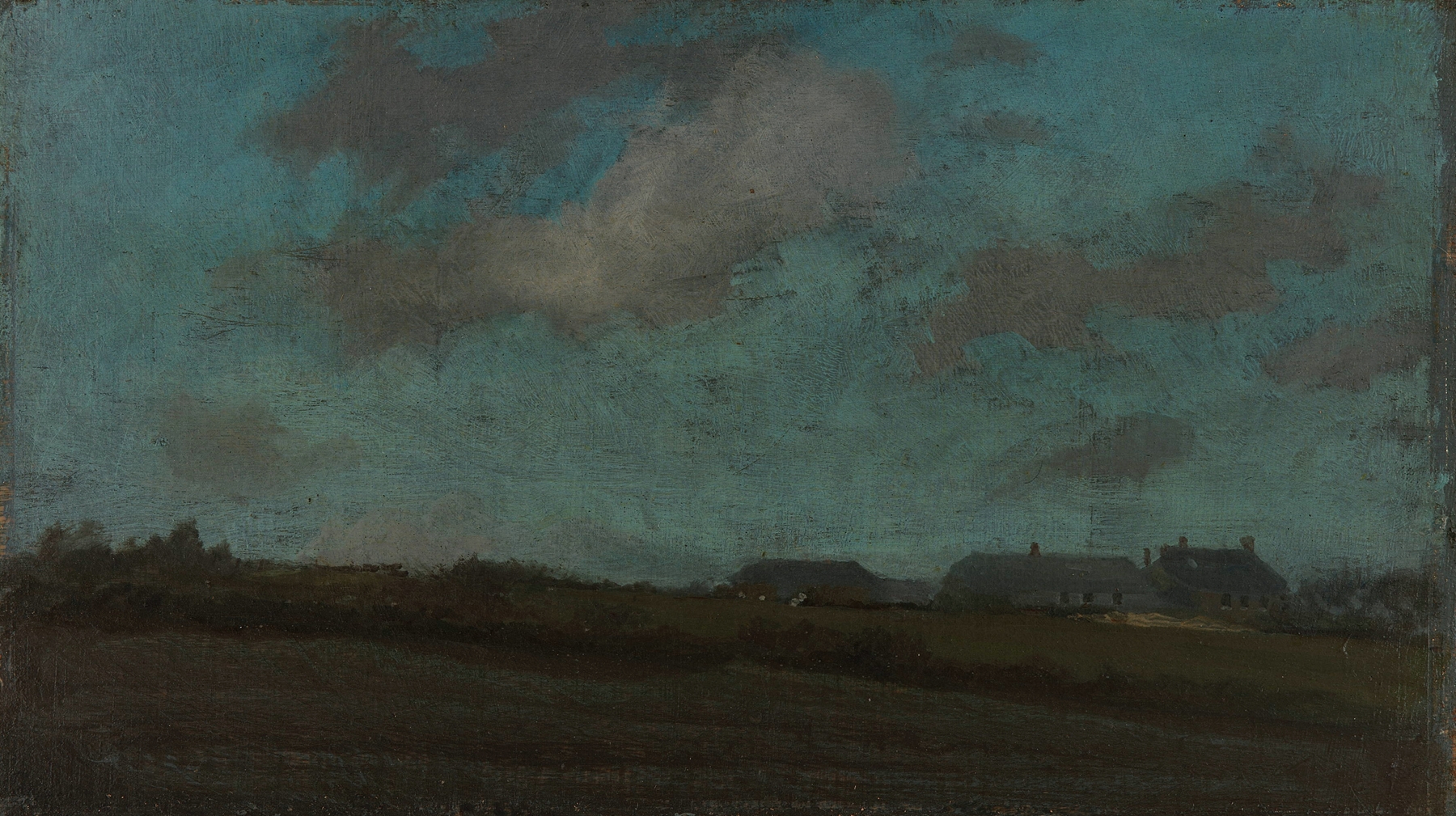
The soft layering of colors evokes a sense of tranquility, while the hints of darker tones suggest an underlying tension. Here, light dances, illuminating the spaces between forms, reflecting the elusive nature of what we feel but cannot articulate. Delve deeper into the subtleties: the horizon line is almost indistinguishable from the sky, capturing the essence of a fleeting moment. Look closely and you’ll find the juxtaposition of light and shadow beneath the surface, hinting at the complexity of existence.
This tension between the serene and the poignant speaks volumes about the artist's exploration of emptiness—a void filled with unexpressed thoughts and emotions that echo through the viewer’s own experience. In 1883, during his time in London, the artist was grappling with both personal struggles and a changing art world moving towards Impressionism. At this juncture in his career, Whistler sought to capture the essence of atmosphere and mood rather than mere representation, redefining the boundaries of modern art. Note in Blue and Opal—The Sun Cloud stands as a testament to his innovative spirit, inviting contemplation on the depths of silence and solitude.