Op het landgoed Houdringe bij De Bilt — History & Analysis
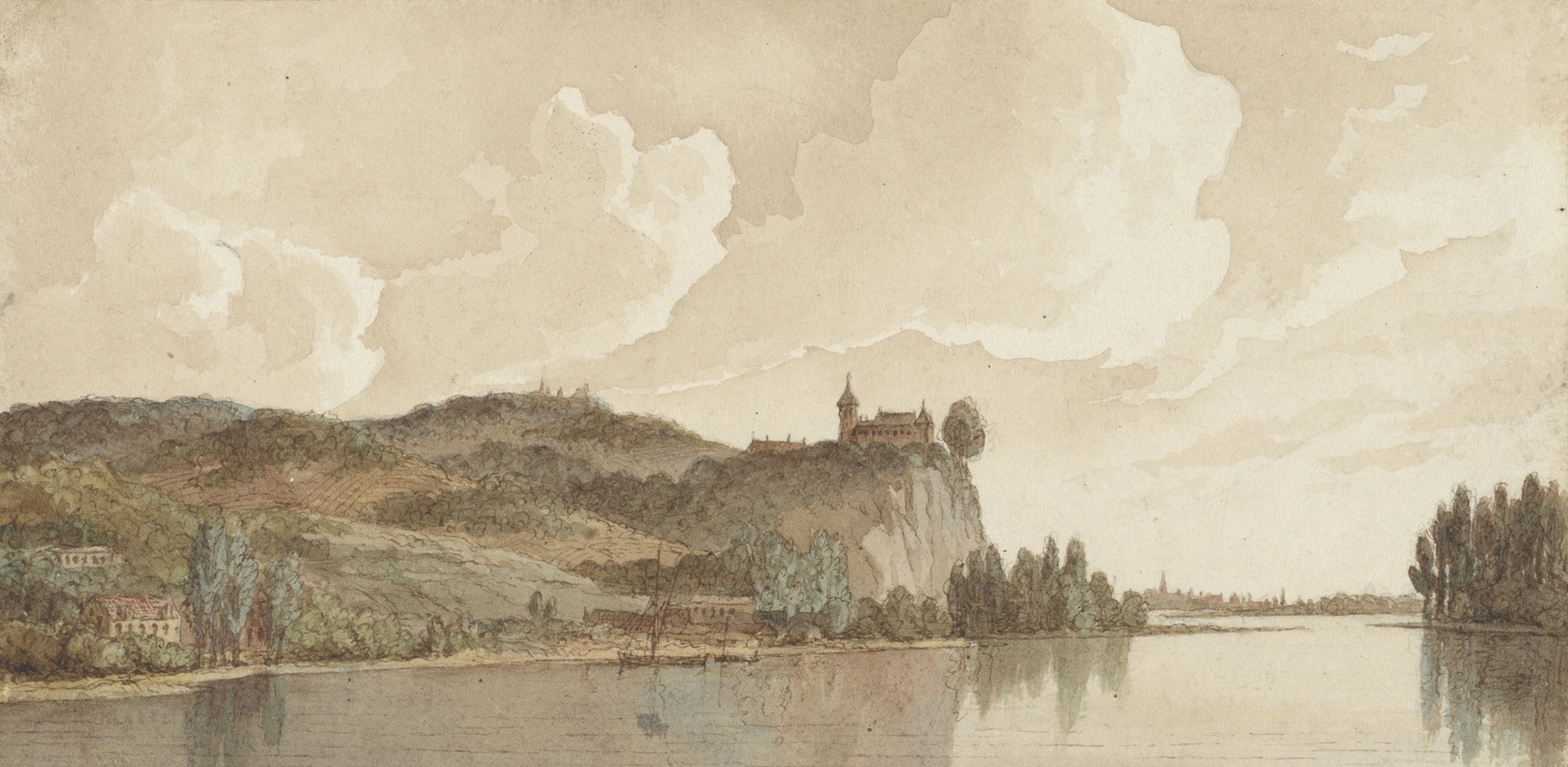
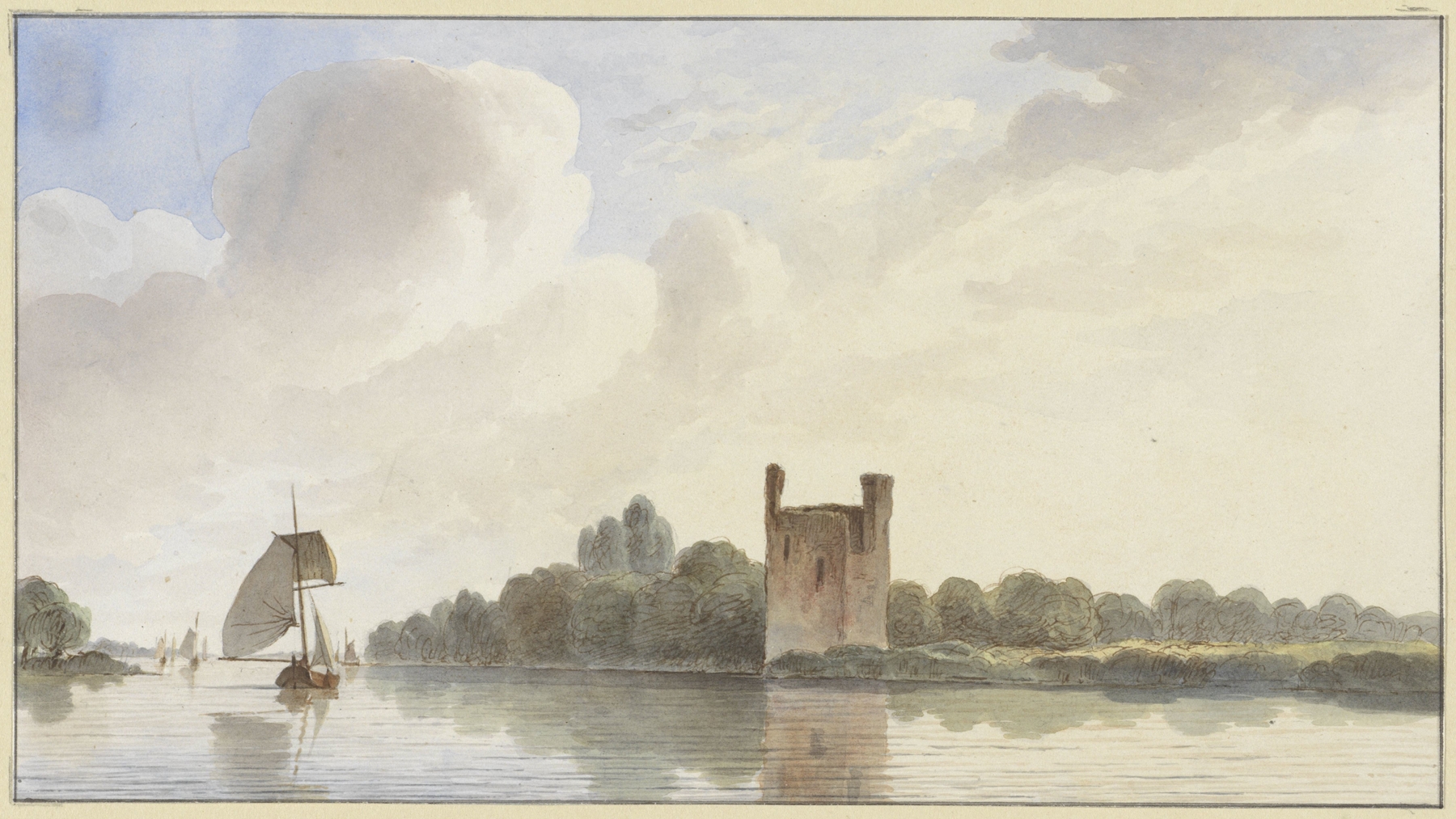
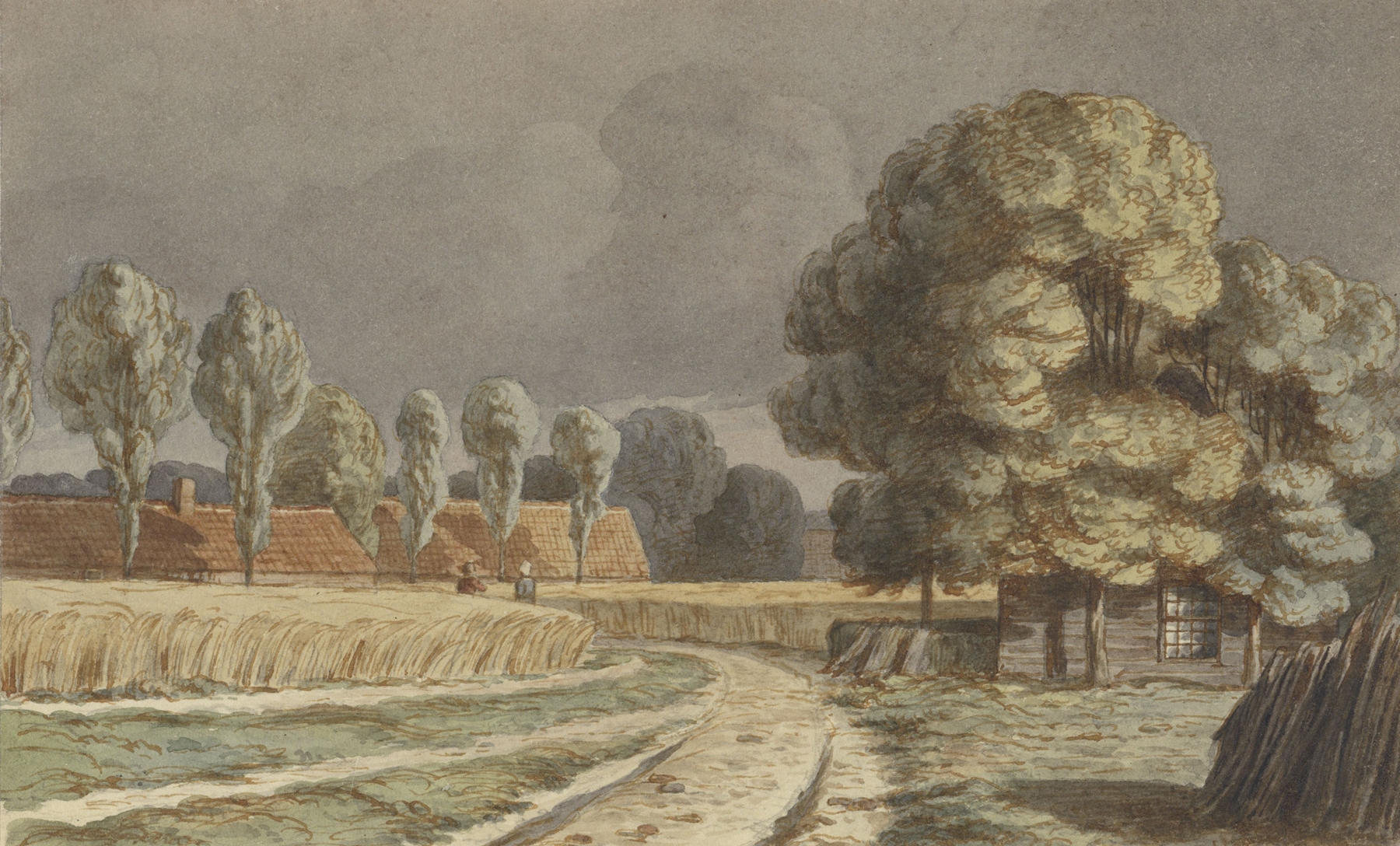
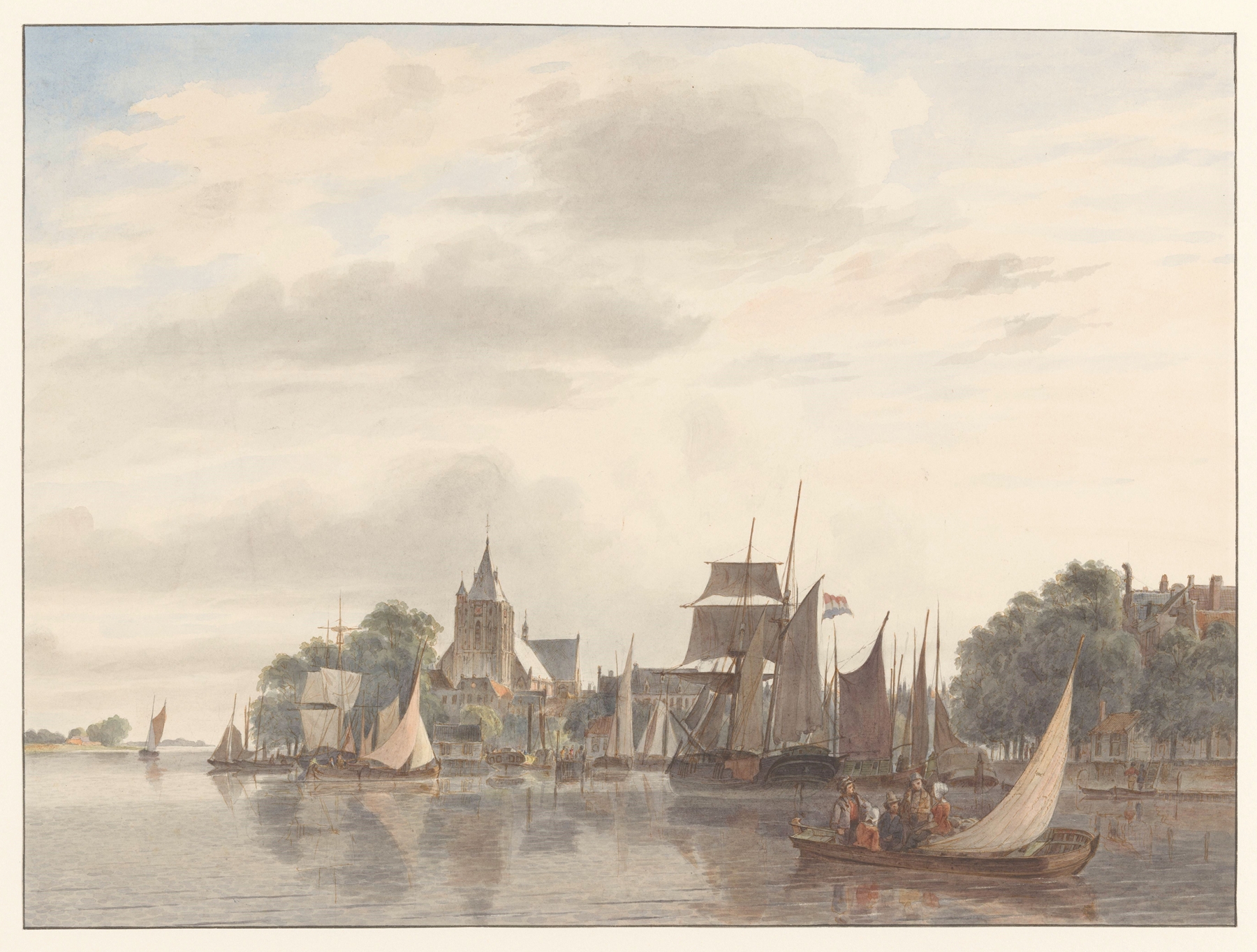
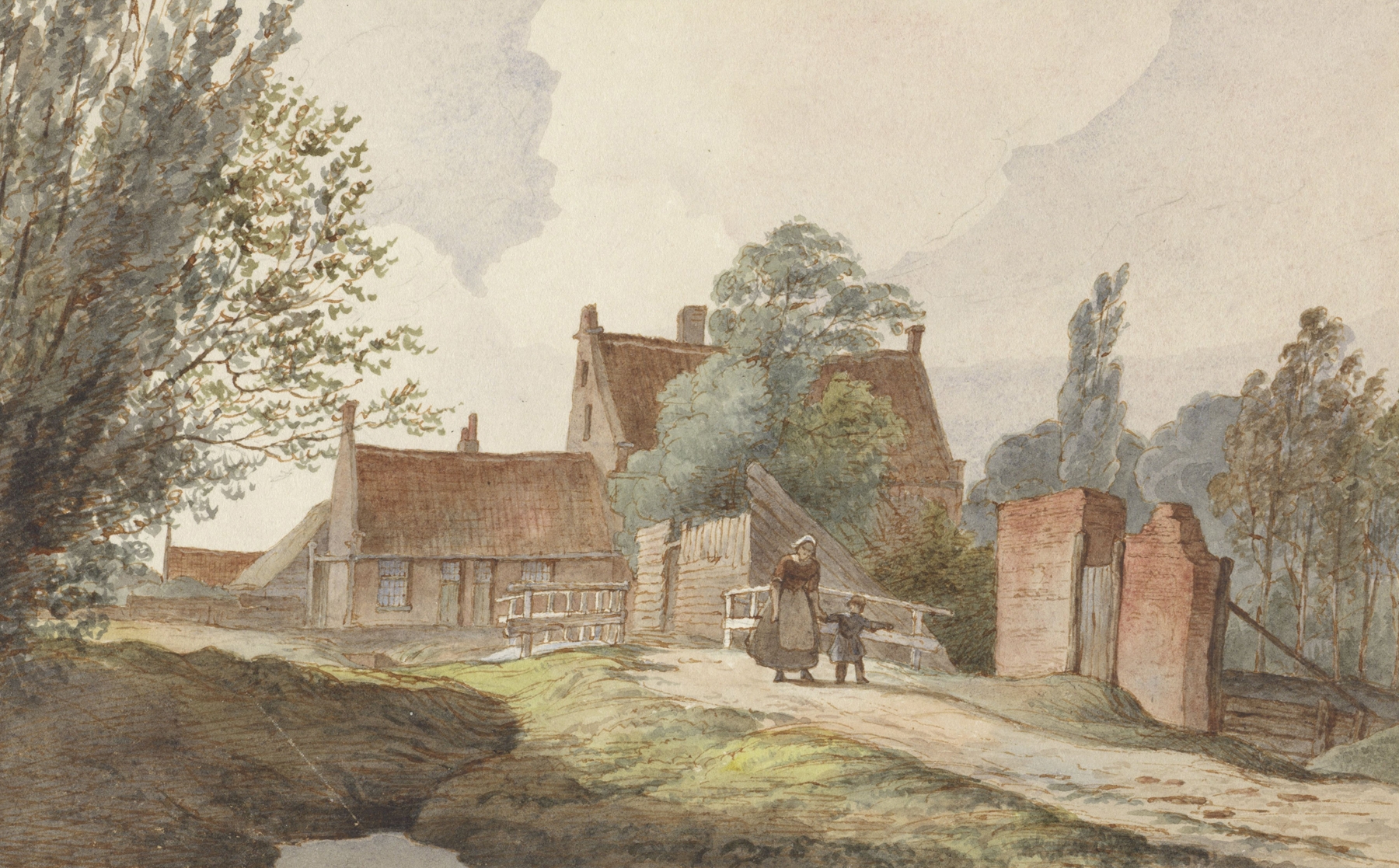
Is this a mirror — or a memory? The interplay of light and shadow in Op het landgoed Houdringe bij De Bilt invites the viewer to ponder the nature of reflection itself, where the landscape becomes a canvas for both reality and imagination. Focus first on the tranquil water, its surface glistening like glass, perfectly capturing the surrounding trees and the distant horizon. Notice how the gentle ripples disrupt the reflections, creating a delicate tension between what is seen and what lies beneath. The palette is rich and earthy, filled with deep greens and soft browns, while golden sunlight filters through the foliage, casting dappled patterns on the ground and adding warmth to the scene.
Each brushstroke seems to breathe life into the canvas, guiding your gaze toward the harmonious blend of nature and sky. Beneath the serene surface lies a more profound commentary on memory and perception. The way the trees reach toward the heavens, their reflections almost ghostly, suggests a yearning for something beyond the immediate. The juxtaposition of solid forms with their ethereal counterparts sparks a dialogue about the transient nature of experience, evoking the feeling that memories are both vivid and elusive.
This subtle exploration of duality invites deeper contemplation about what we choose to remember and forget. In 1860, Klinkhamer painted this piece during a period of significant artistic evolution in the Netherlands, as Romanticism began to give way to Impressionism. Working in his studio in Utrecht, he sought to capture the essence of the natural world, inspired by the landscapes surrounding him. This painting reflects not just a moment in time, but the very act of seeing—an invitation to engage with art as a reflection of life itself.