Oriental Landscape with Mosque — History & Analysis
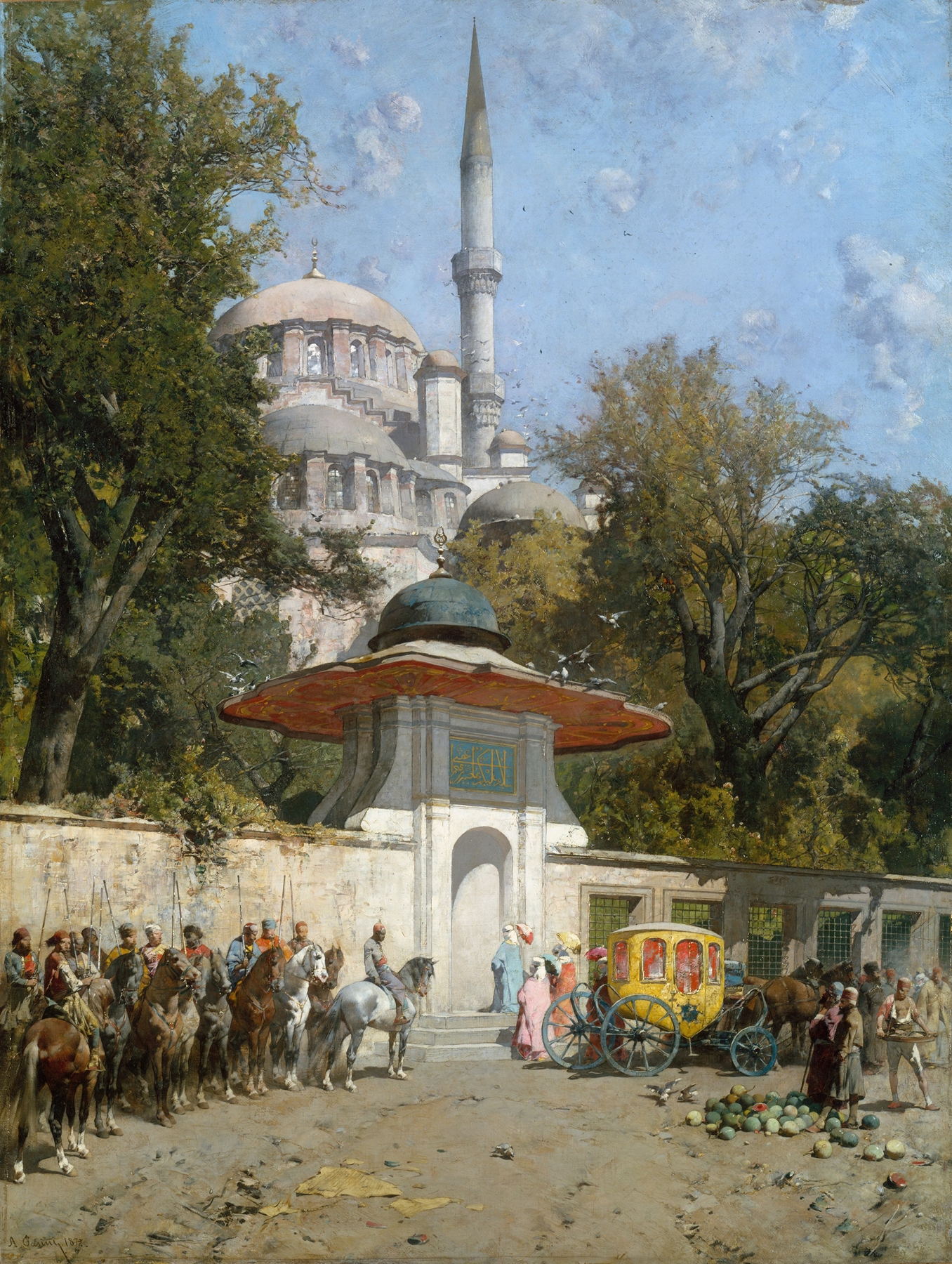
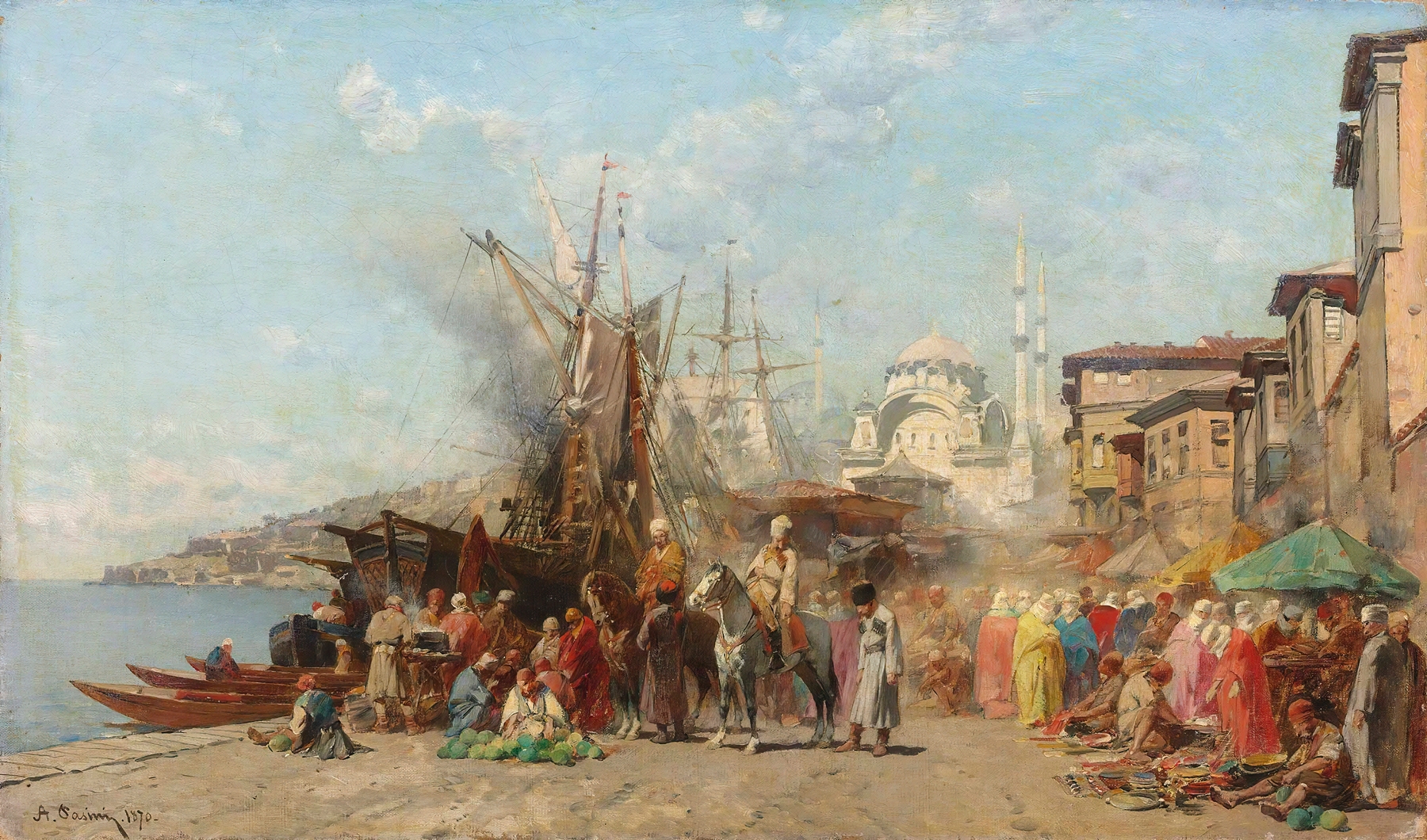
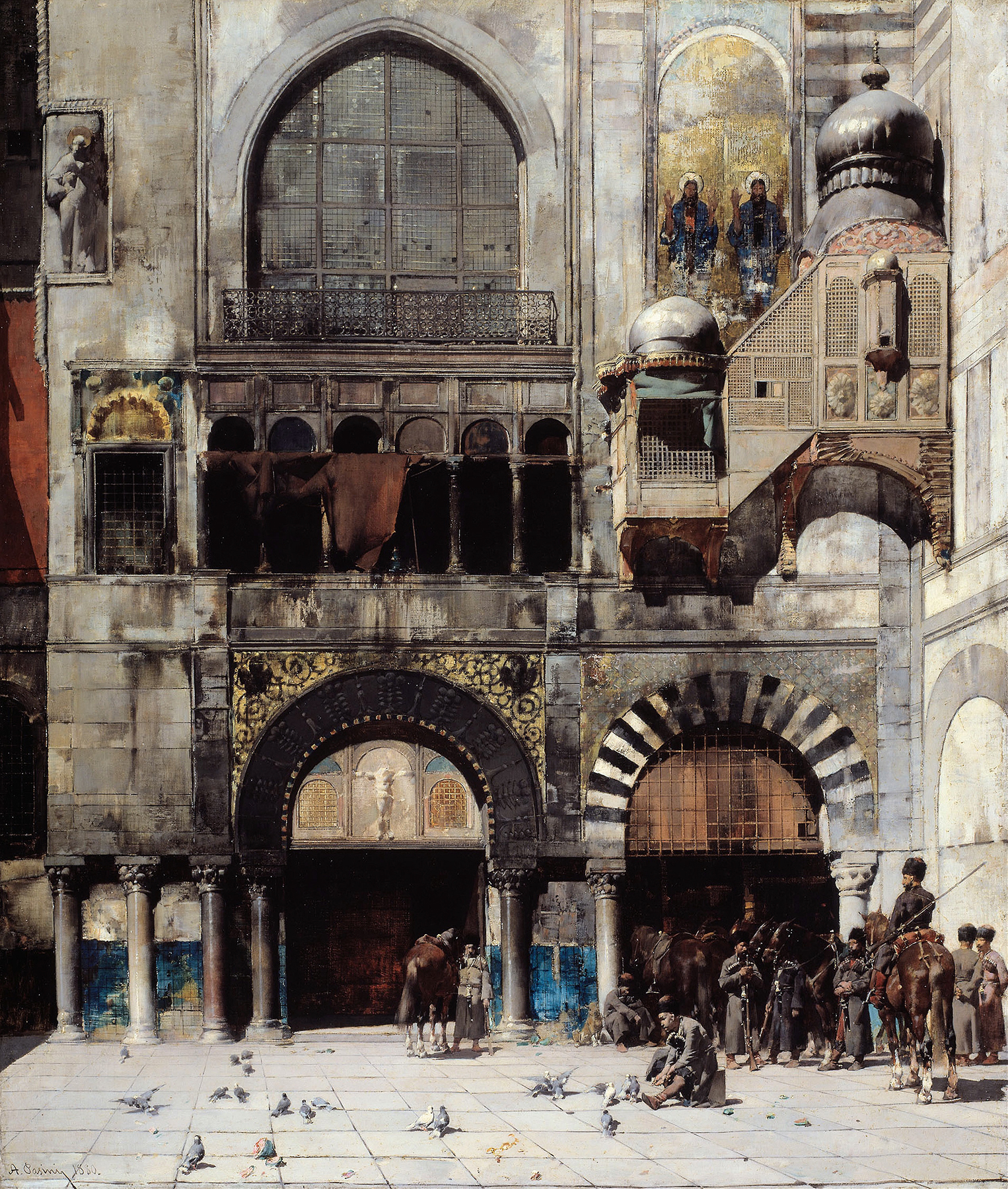
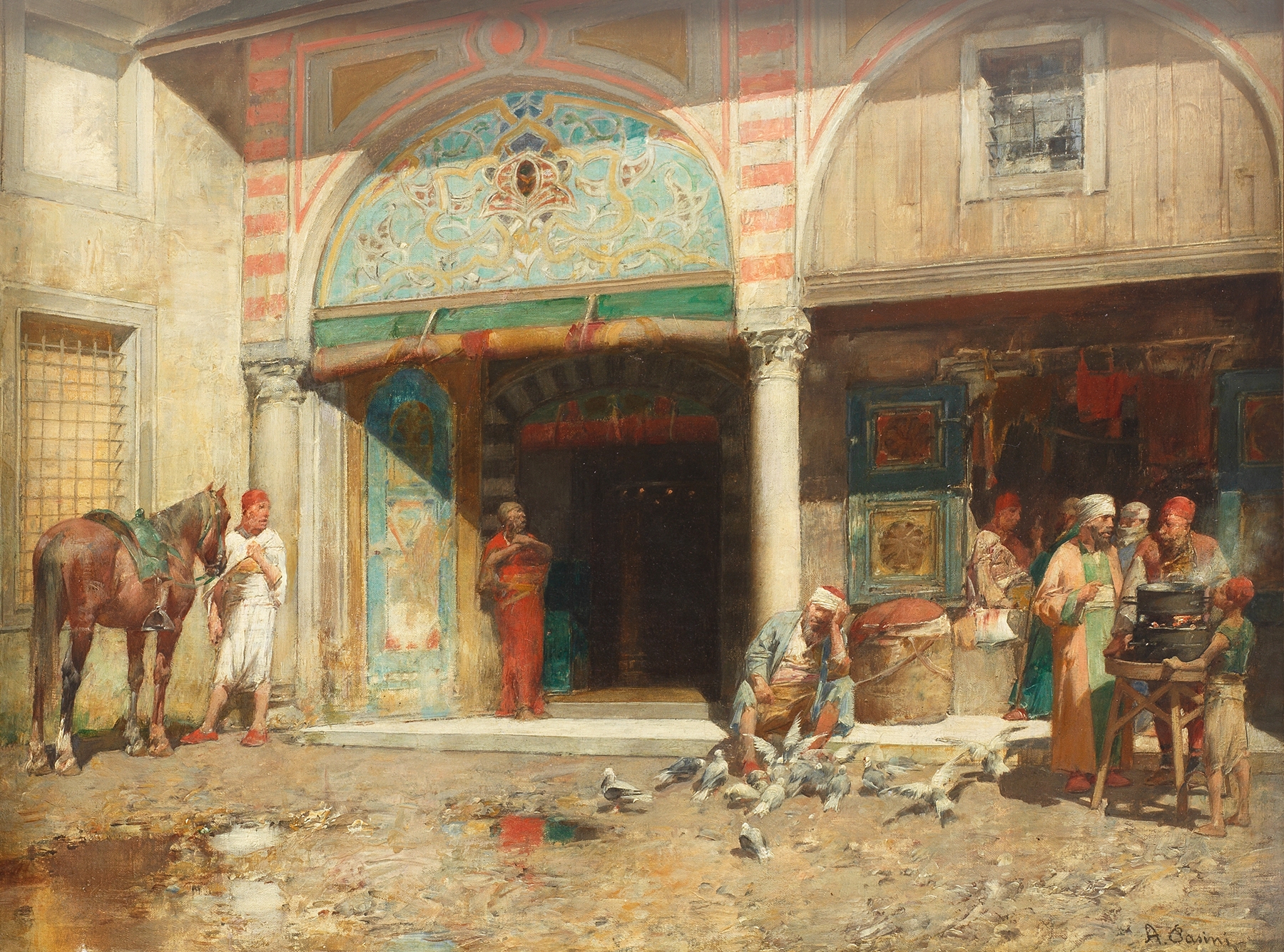
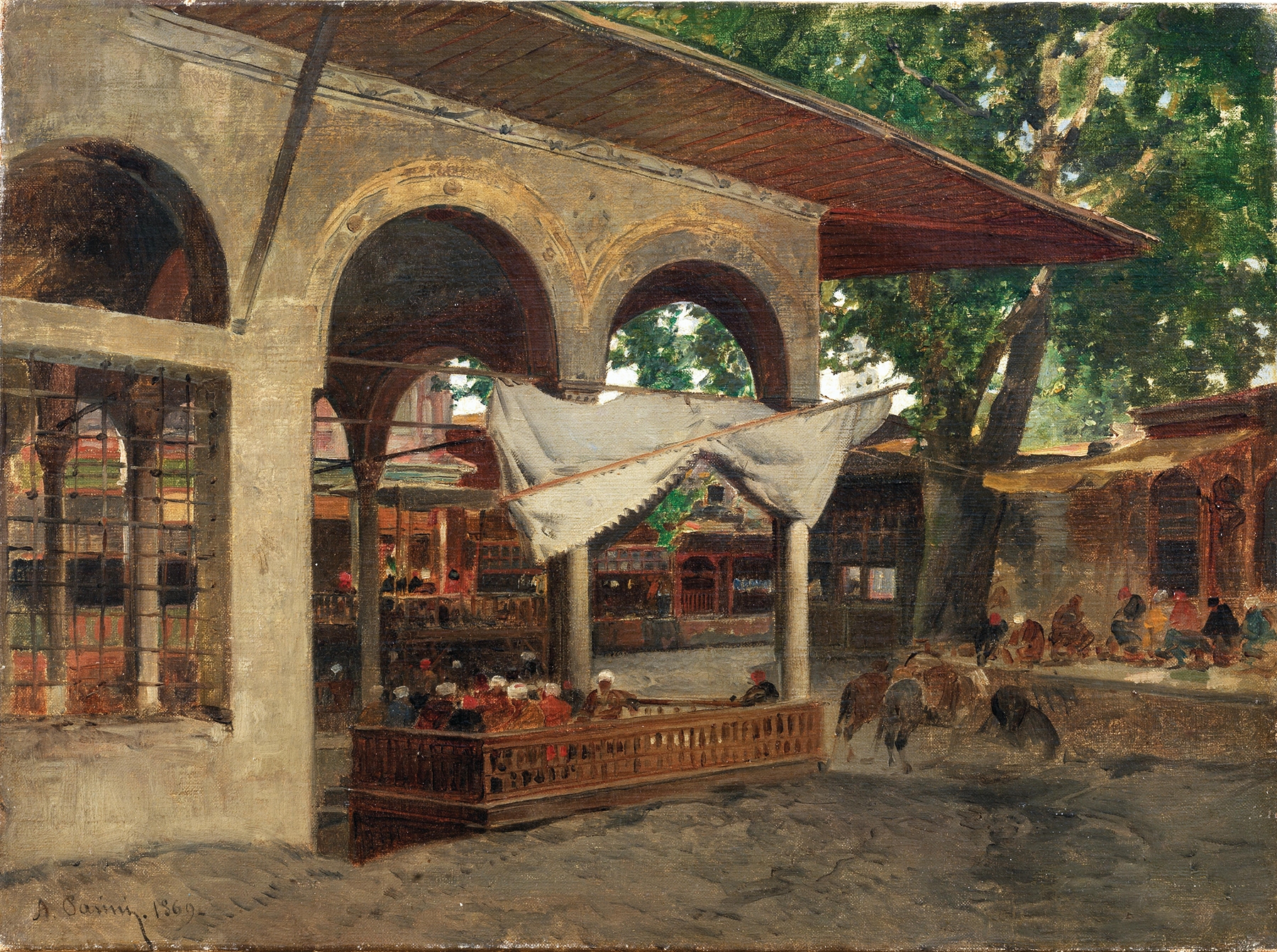
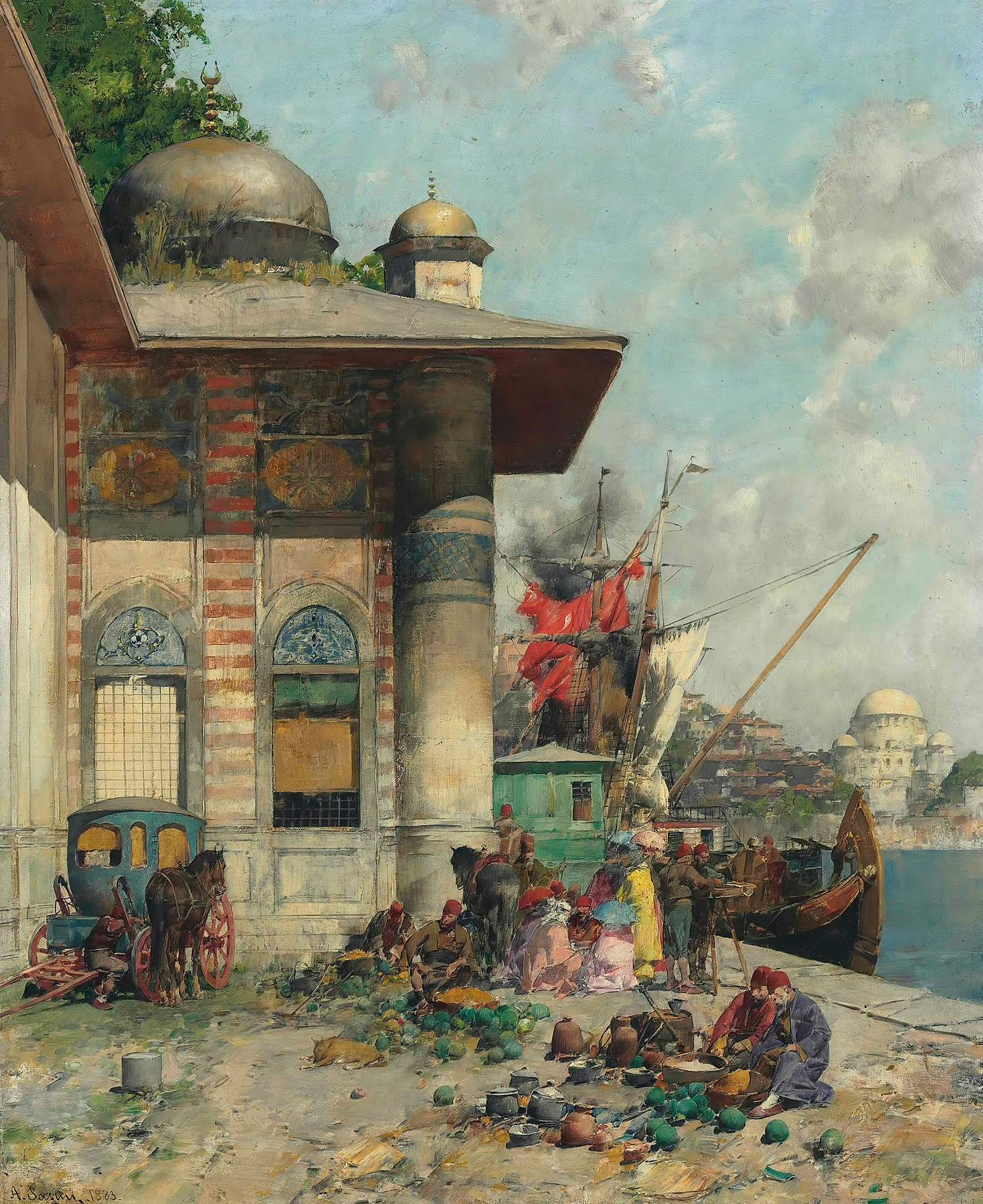
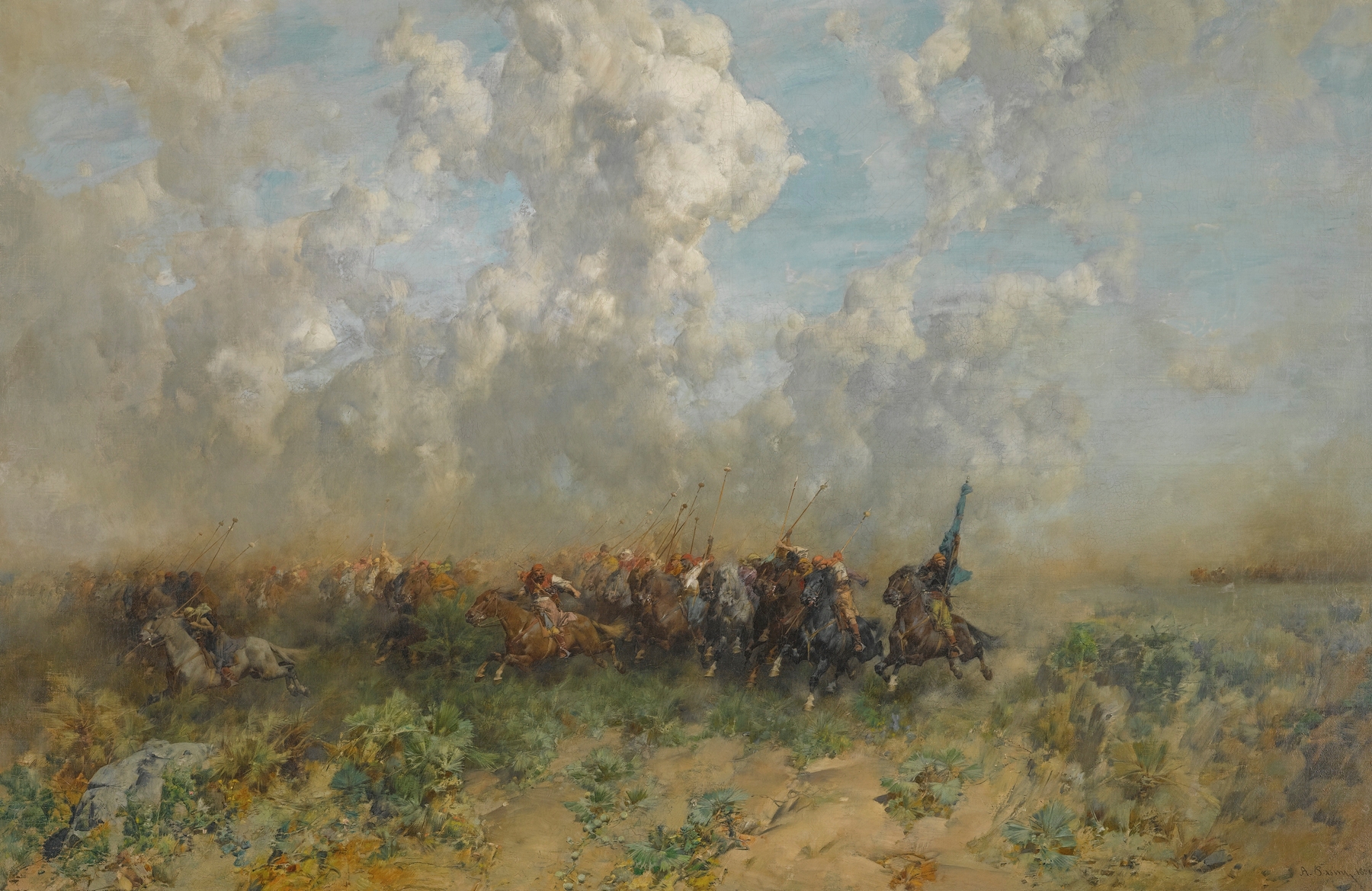
“Under the brush, chaos becomes grace.” In Oriental Landscape with Mosque, vibrant hues collide and converse, creating a symphony of color that transcends mere representation. It invites us to explore the world through a lens that blurs the line between reality and dream. Focus first on the rich, saturated oranges and deep blues that dominate the canvas, leading the eye towards the intricate mosque nestled among the undulating hills. Notice how the artist uses the warm sunlight to illuminate the architecture, casting playful shadows that dance on the ground.
Each brushstroke is deliberate, revealing the textures of nature and the structure, while the fluidity of the landscape evokes a sense of movement, as if the scene breathes. Within this harmonious chaos lies a profound tension between the serenity of the mosque and the wildness of the surrounding landscape. The blending of colors suggests a merging of cultures and ideas, hinting at the dialogue between nature and man-made beauty. The mosque stands as a symbol of faith and tranquility, yet its vivid surroundings remind us of the vibrant chaos of life, urging the viewer to contemplate their place within it.
Alberto Pasini created this piece in a time when Orientalism was gaining prominence in the art world, particularly in the late 19th century. Working primarily in Italy, he was influenced by the allure of the East, capturing its essence while navigating his own artistic journey. This work reflects a period of personal exploration and broader artistic trends, as Western artists sought to interpret and celebrate the beauty of Eastern cultures.