Ouse Bridge, York — History & Analysis
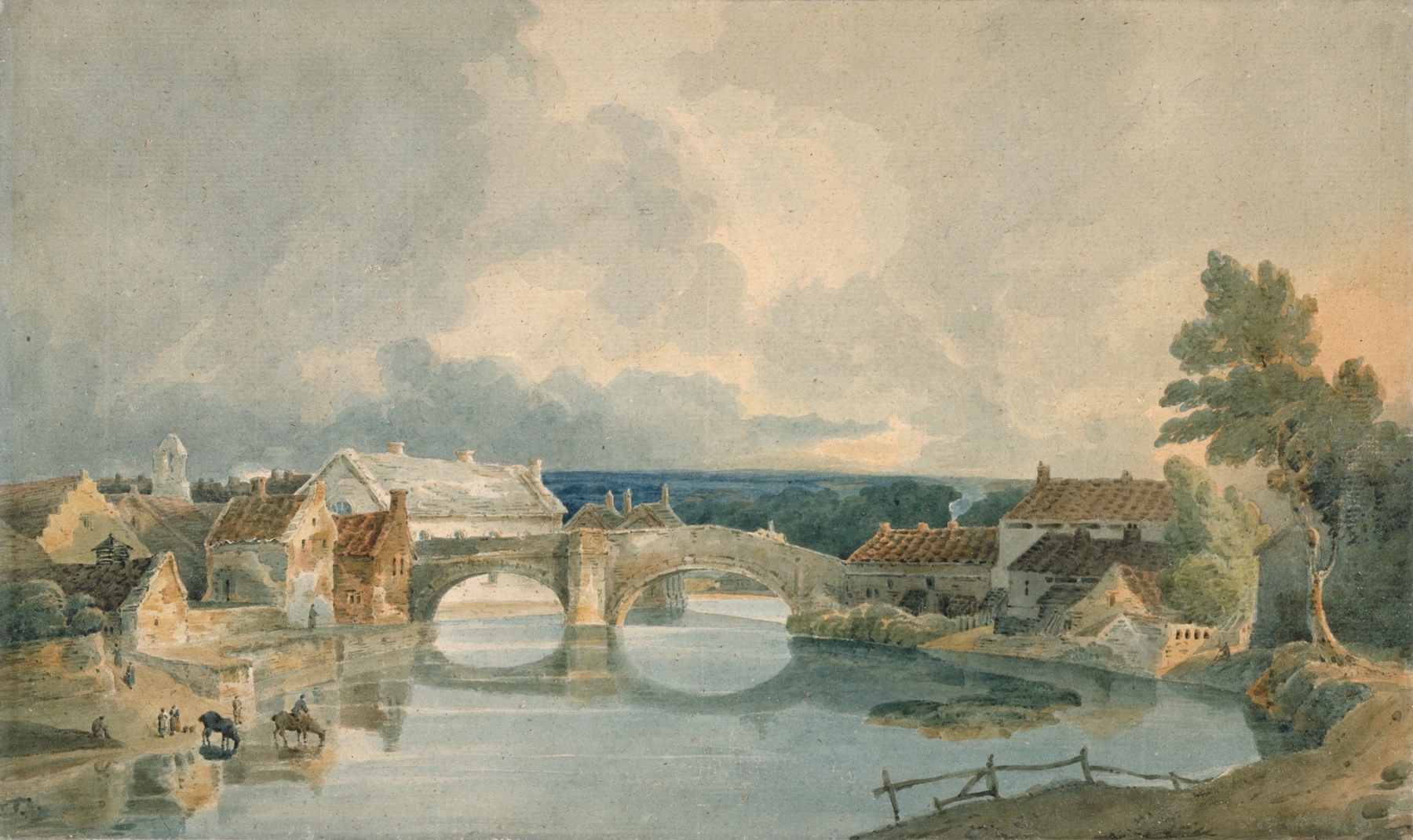
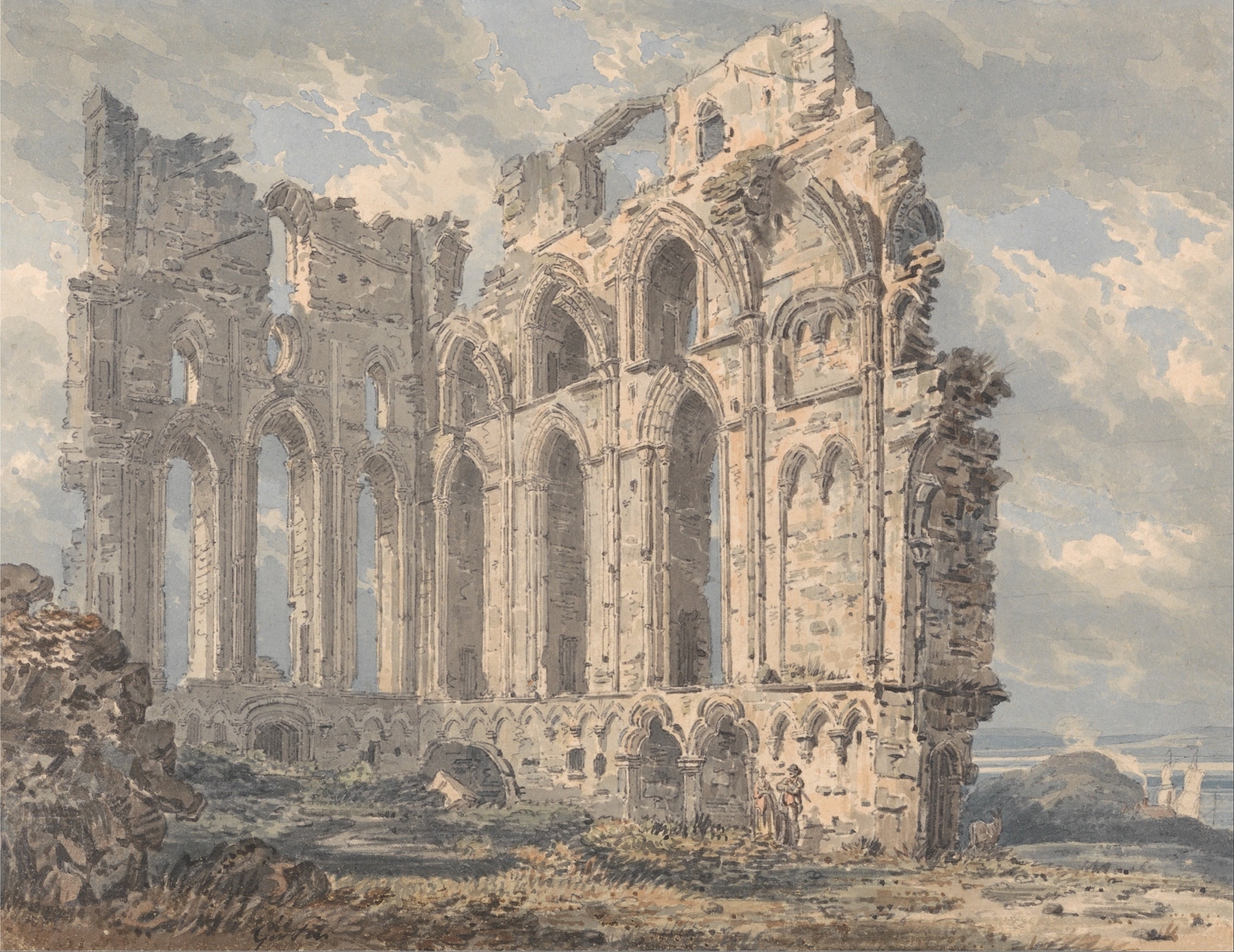
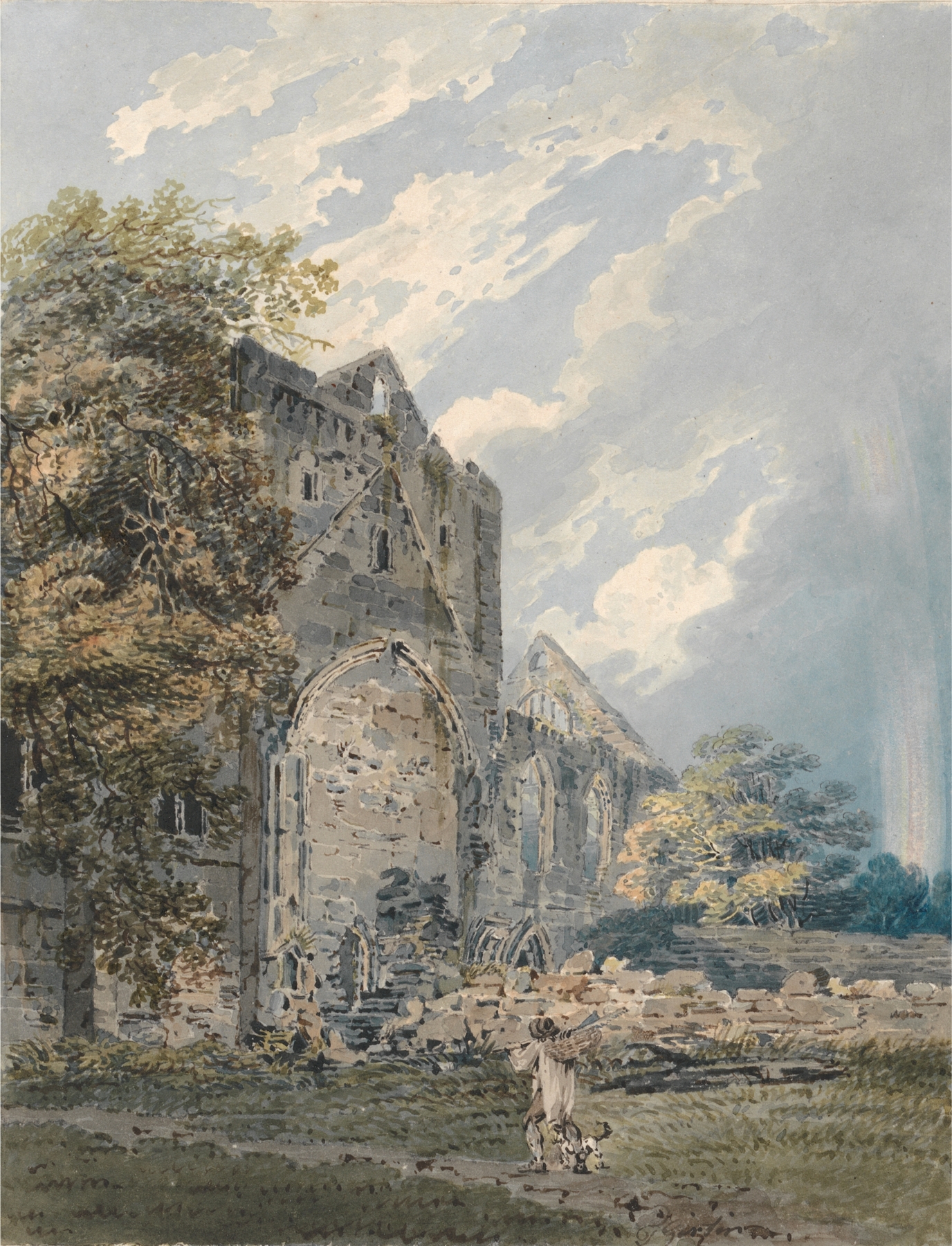
“Every brushstroke is a heartbeat remembered.” In Ouse Bridge, York, the artist captures a moment where the ephemeral meets the eternal, inviting viewers to transcend the ordinary and embrace the beauty of life’s fleeting instances. Look to the sweeping arch of the bridge, where the eye is drawn first to its grandeur against the tranquil river. The soft blues and greens evoke a serene atmosphere, while delicate strokes of white suggest the gentle ripples of water. Notice how the light dances across the surface, creating a shimmering pathway that leads us on a journey into the depths of the scene.
It’s a masterful interplay of shadow and illumination, highlighting the bridge not merely as a structure, but as a bridge between the mundane and the sublime. Beneath the surface of this idyllic landscape lies a subtle tension between nature and human innovation. The bridge stands steadfast, a testament to human ingenuity, while the serene water embodies the passage of time and change. The muted palette suggests a nostalgic longing, as if the artist captures not just a physical place but a memory steeped in emotion.
This juxtaposition urges us to ponder our own connections to both the natural world and the creations we leave behind. In 1800, Thomas Girtin painted this work in England during a period marked by a growing interest in Romanticism, where artists began to explore emotional depth and the sublime in nature. Girtin, a pioneer of watercolor painting, was influenced by his contemporaries, navigating an art world that celebrated both the beauty of landscapes and the complexities of human experience. This painting illustrates his deep appreciation for the ephemeral moments that exist within our surroundings.