Oxenbridge Pond — History & Analysis
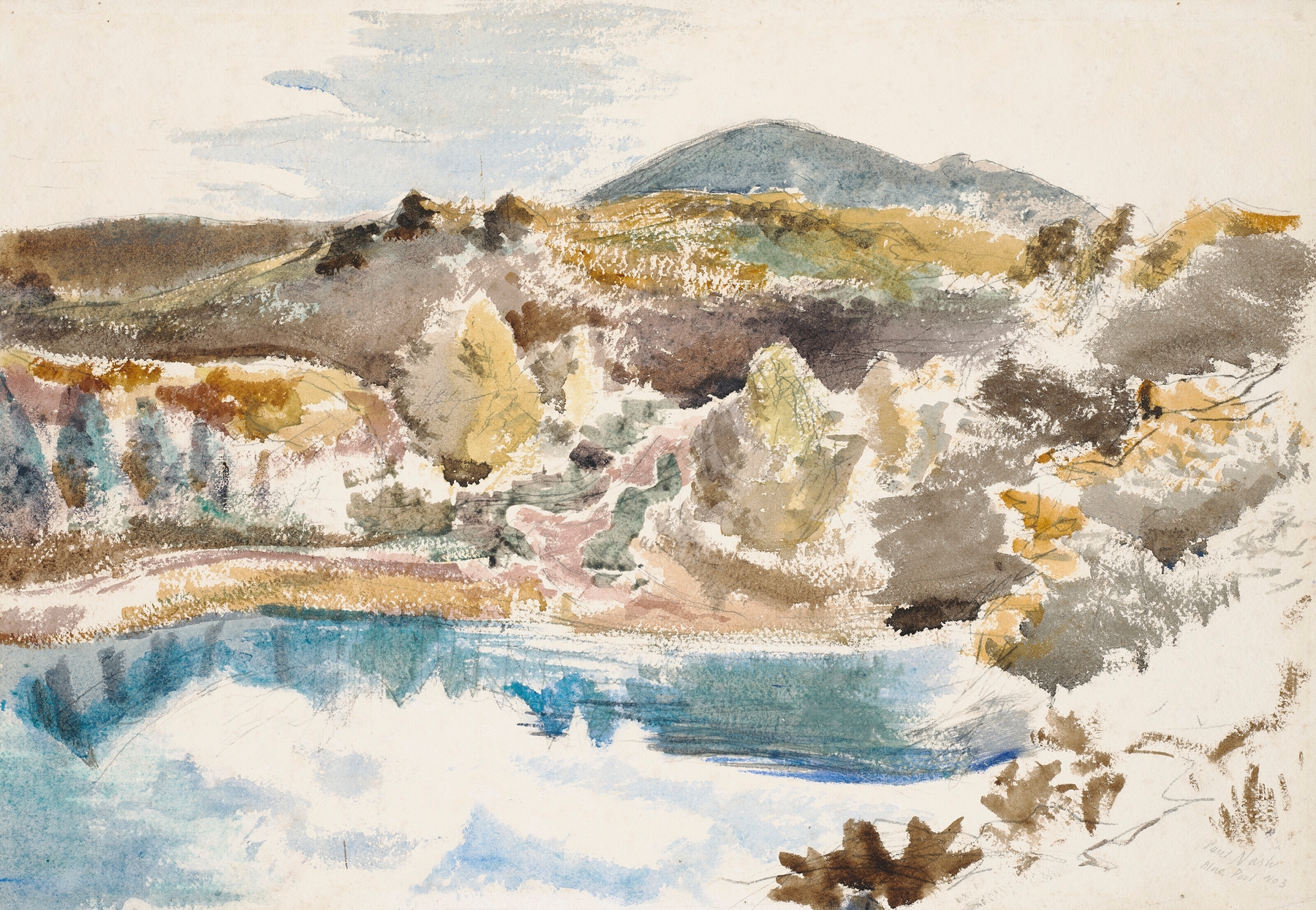
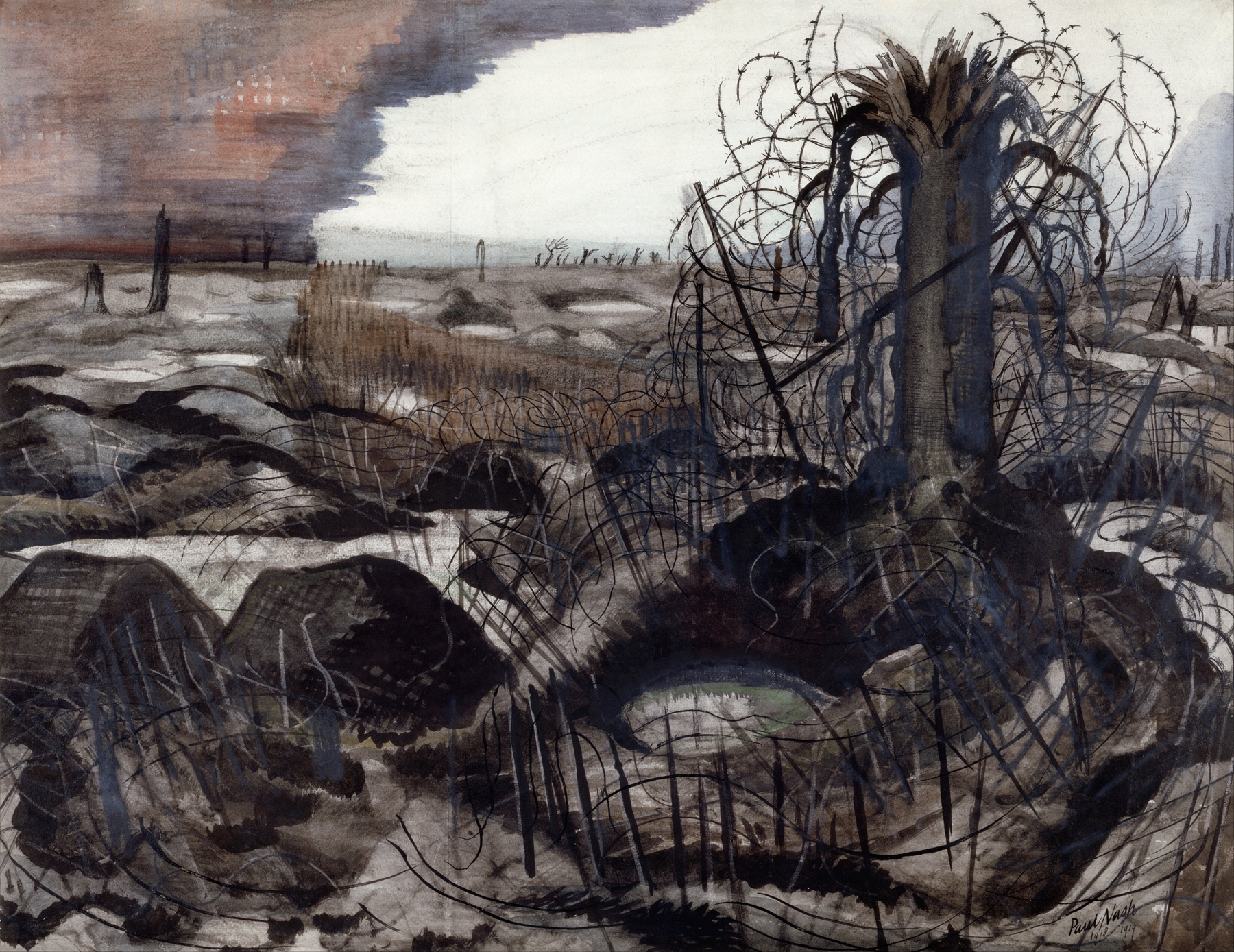
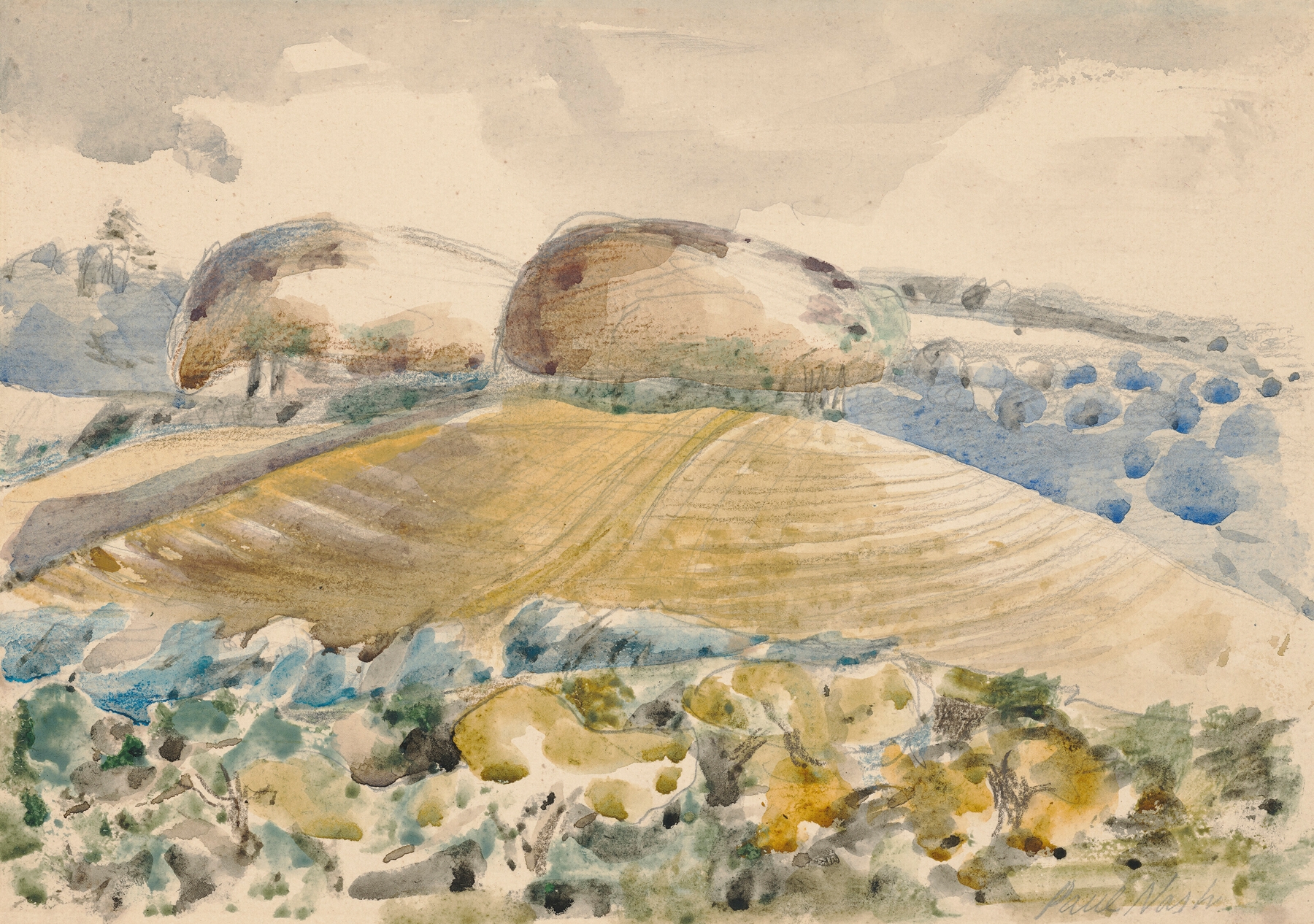
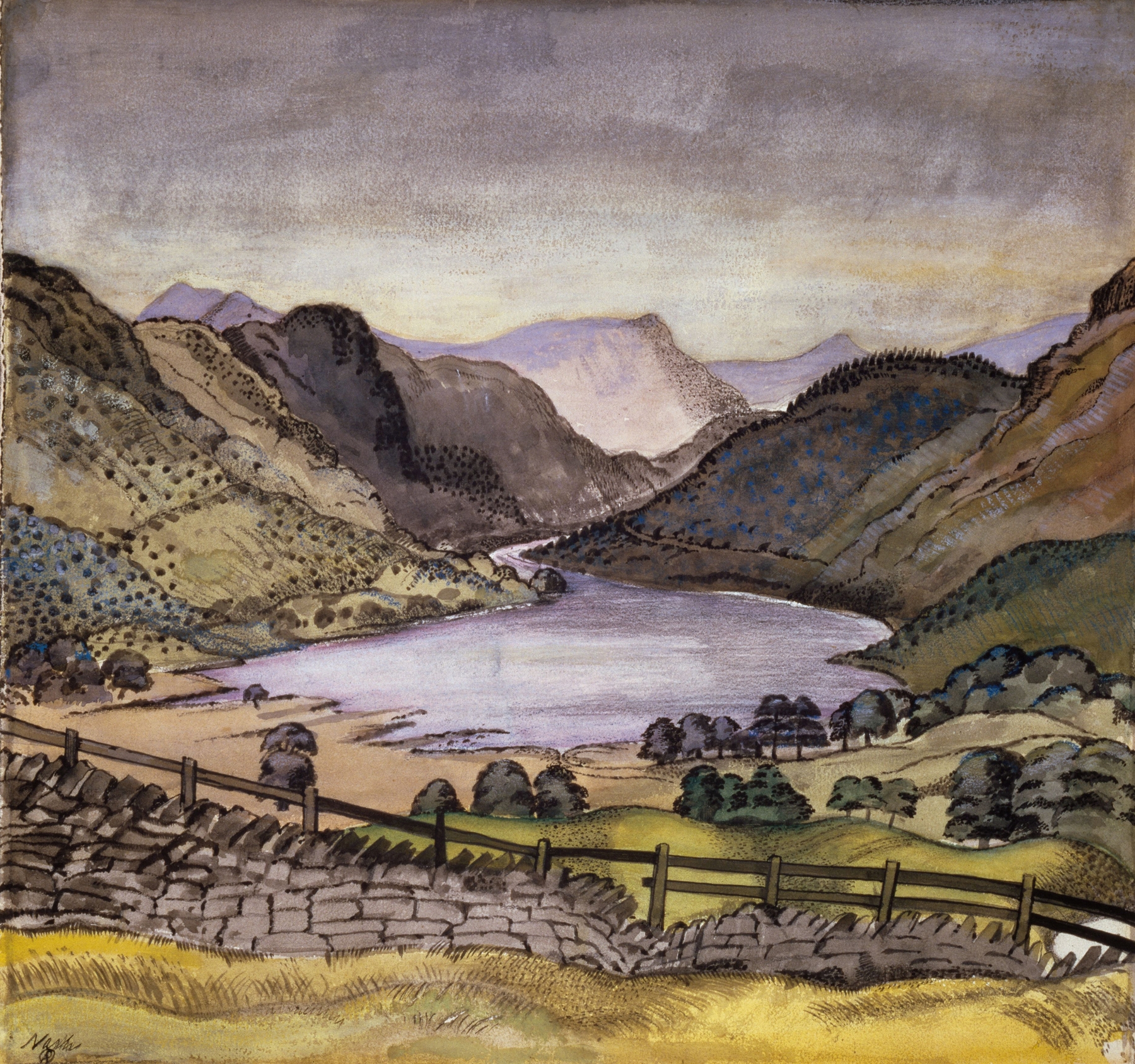
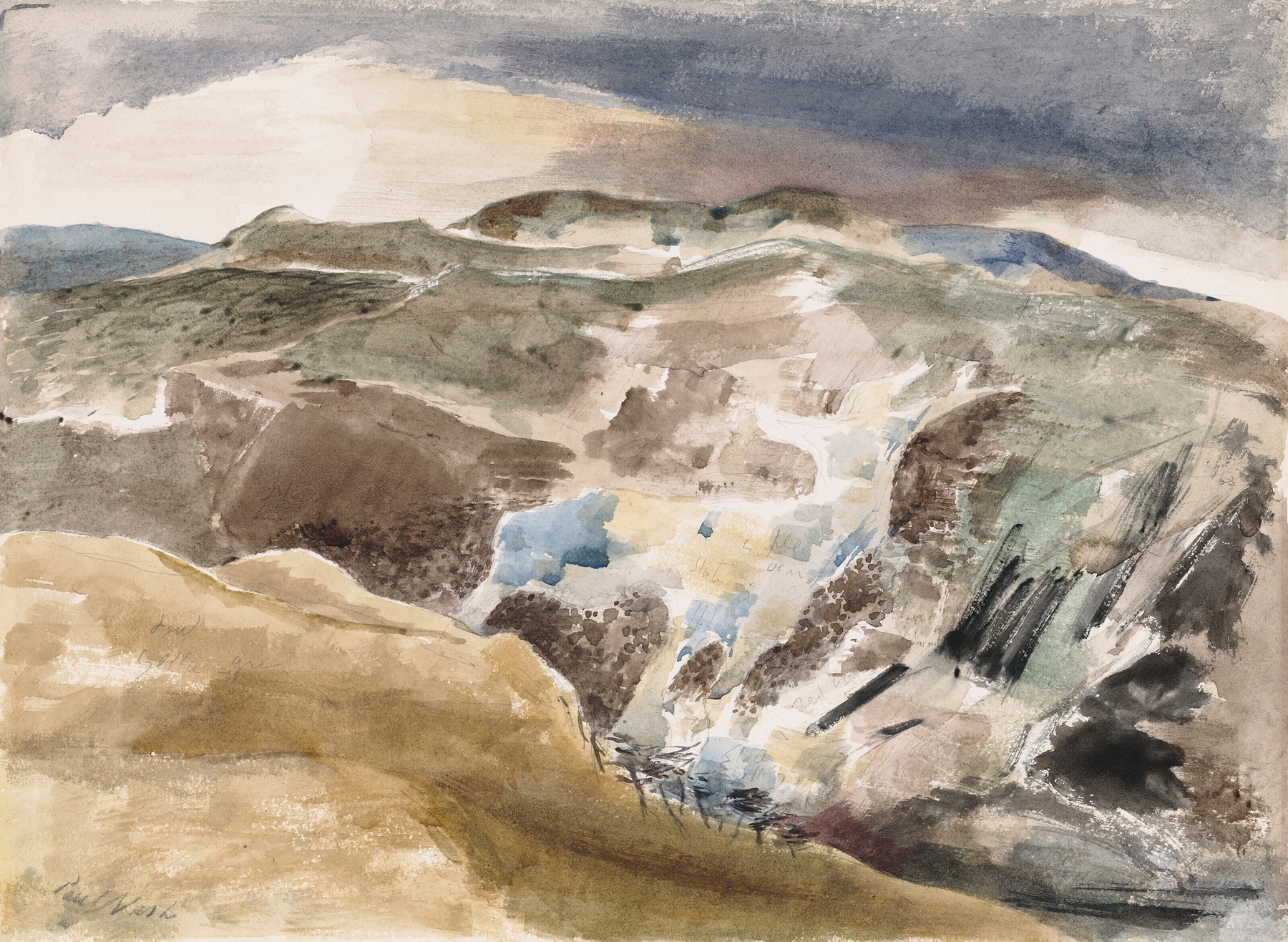
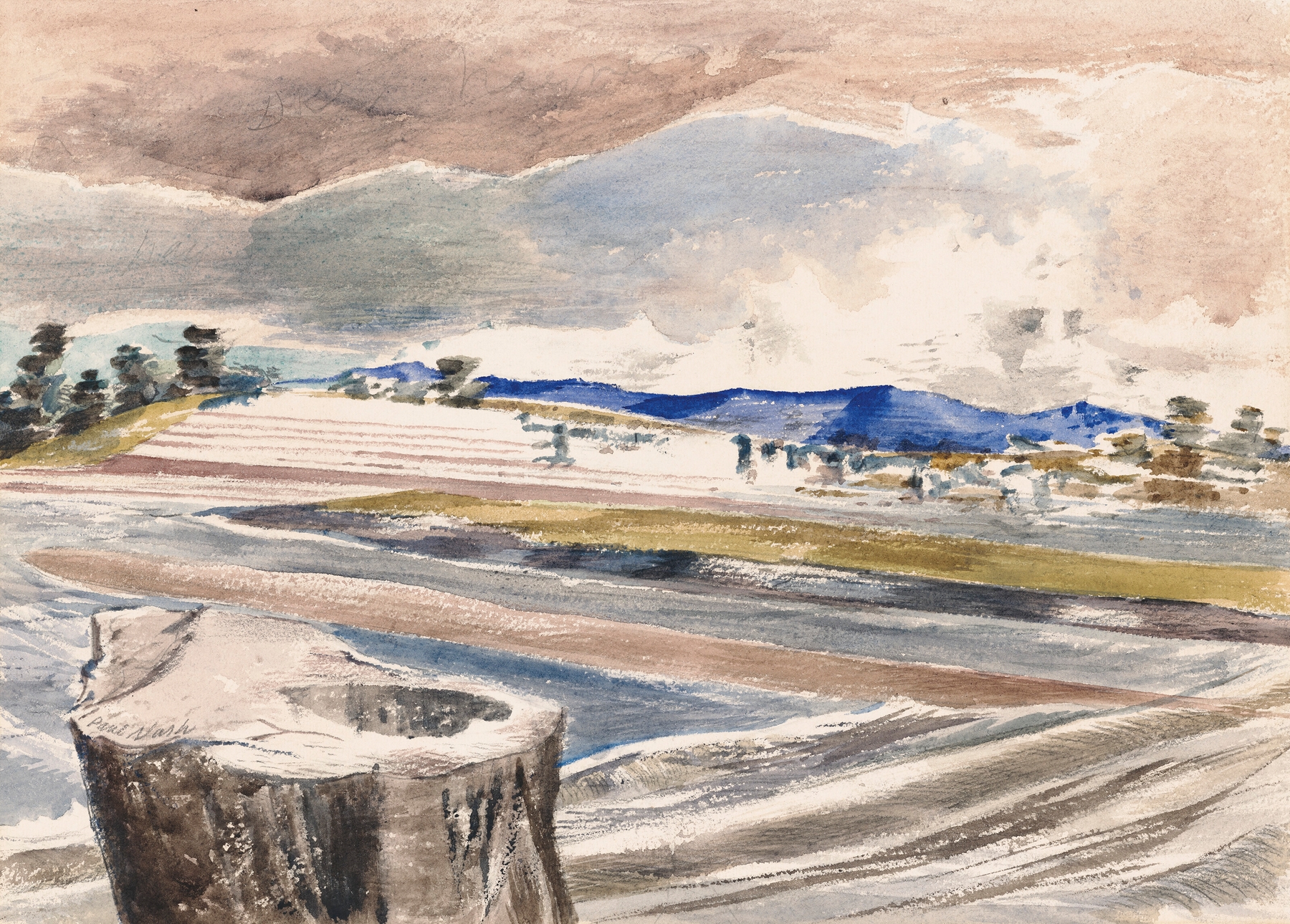
Could a single brushstroke hold eternity? In Oxenbridge Pond, the chaos of nature is depicted with tender precision, inviting the viewer to explore the depths of tranquility amidst disorder. Look to the right at the gentle curve of the pond, where the still water reflects an array of colors — the vibrant greens and somber browns collide, creating an atmosphere of peaceful chaos. Notice how the painter’s deft brushwork captures the movement of the surrounding flora, each stroke a whisper of life that dances upon the canvas.
The composition draws the eye inward, towards the center, where the soft blend of hues evokes a feeling of harmony — an oasis within the tumult of nature. Delve deeper into the artwork, and you’ll uncover emotional tensions present in the juxtaposition of calm waters against the thick, chaotic vegetation that encroaches upon it. The contrast between the serene surface and the wild, untamed shapes surrounding it speaks to the duality of life, the ever-present balance between tranquility and turmoil.
A subtle urgency permeates the scene, as if nature itself is on the brink of an unseen transformation. During the years 1927-28, Paul Nash was deeply engaged with the English landscape, reflecting his personal experiences in a post-war society grappling with change. It was a time when artists sought to reconnect with nature, and this piece reflects his exploration of the landscape's beauty and chaos, a hallmark of his innovative approach to modernism that resonated with the emerging art movements of the era.