Paradise Point — History & Analysis
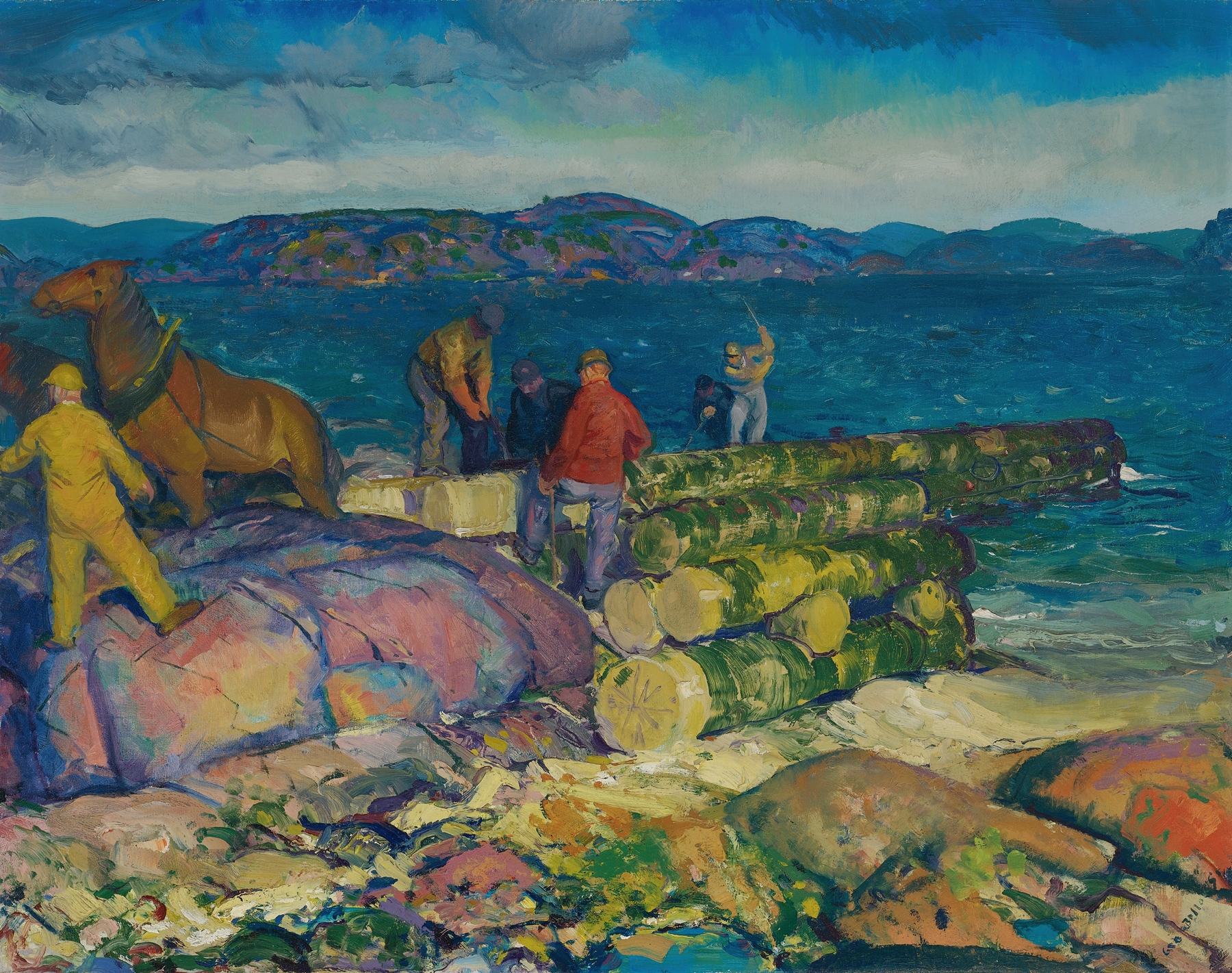
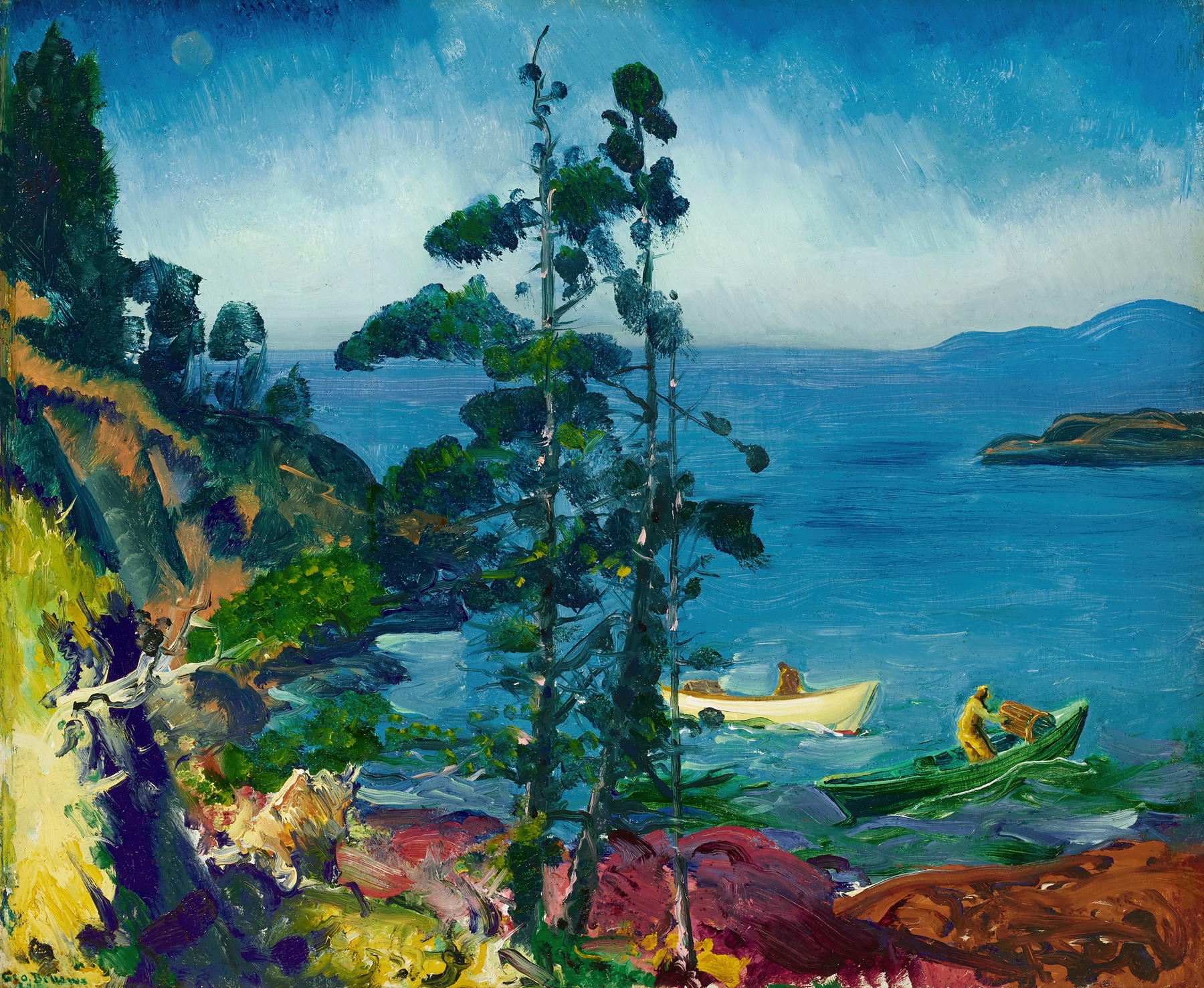
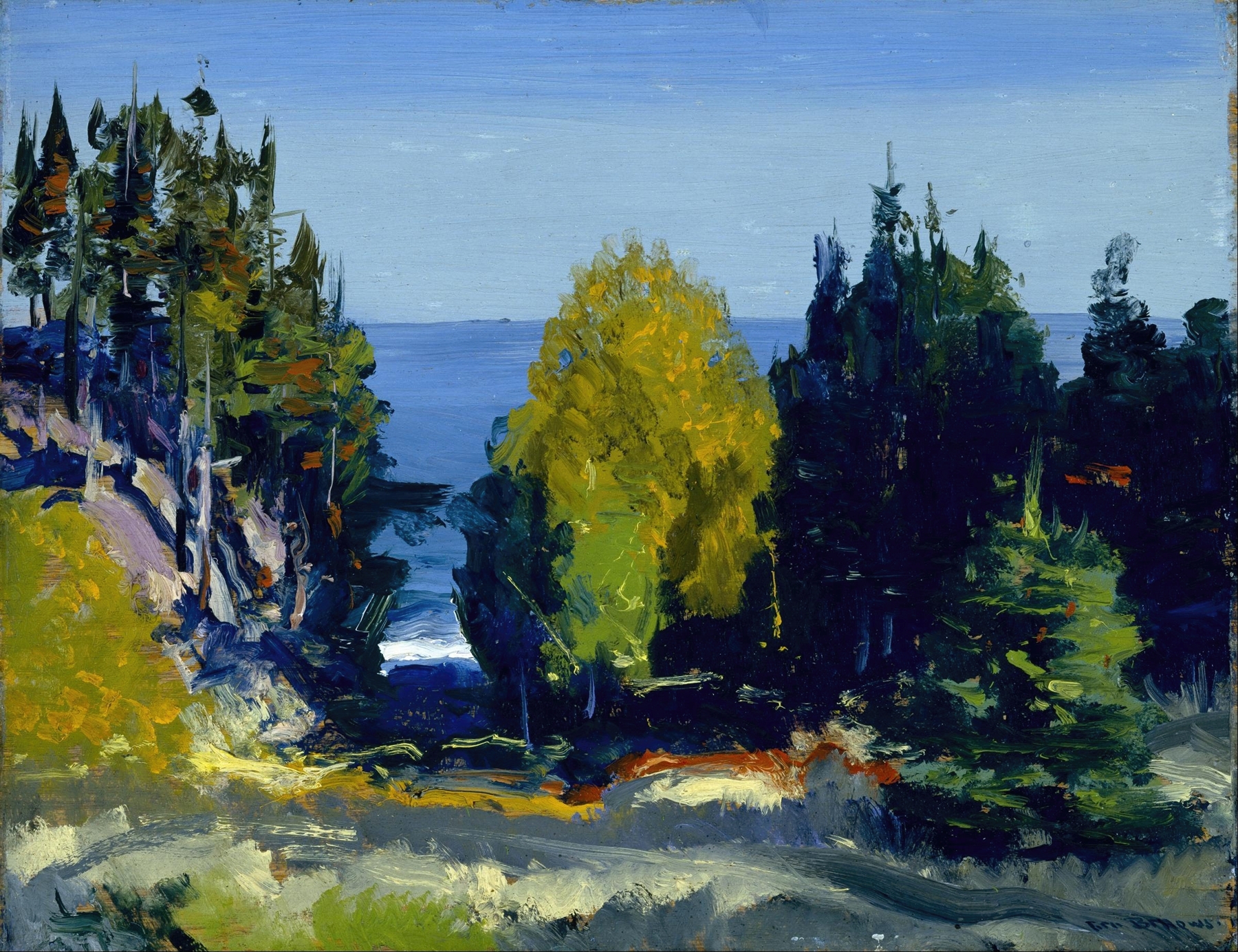
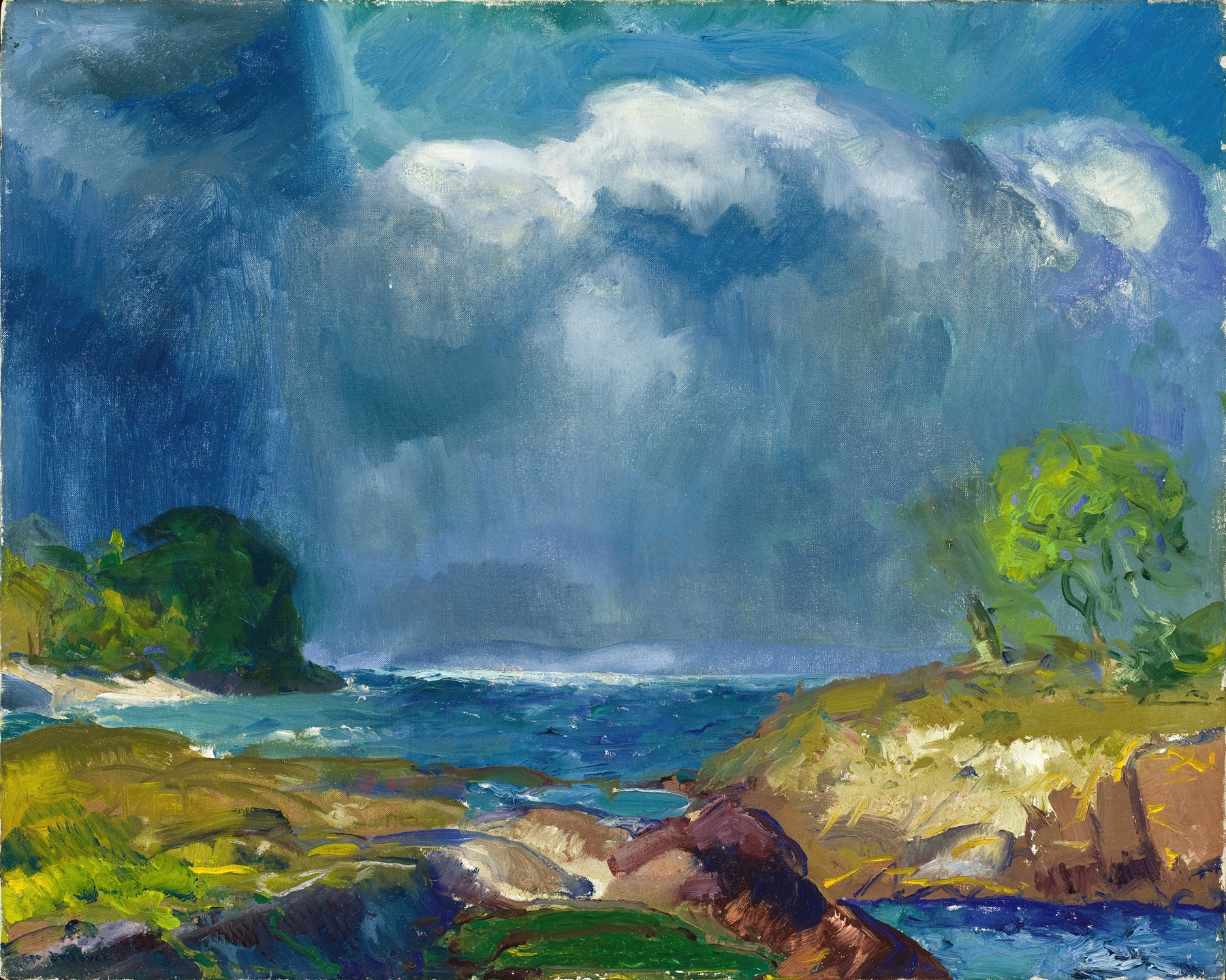
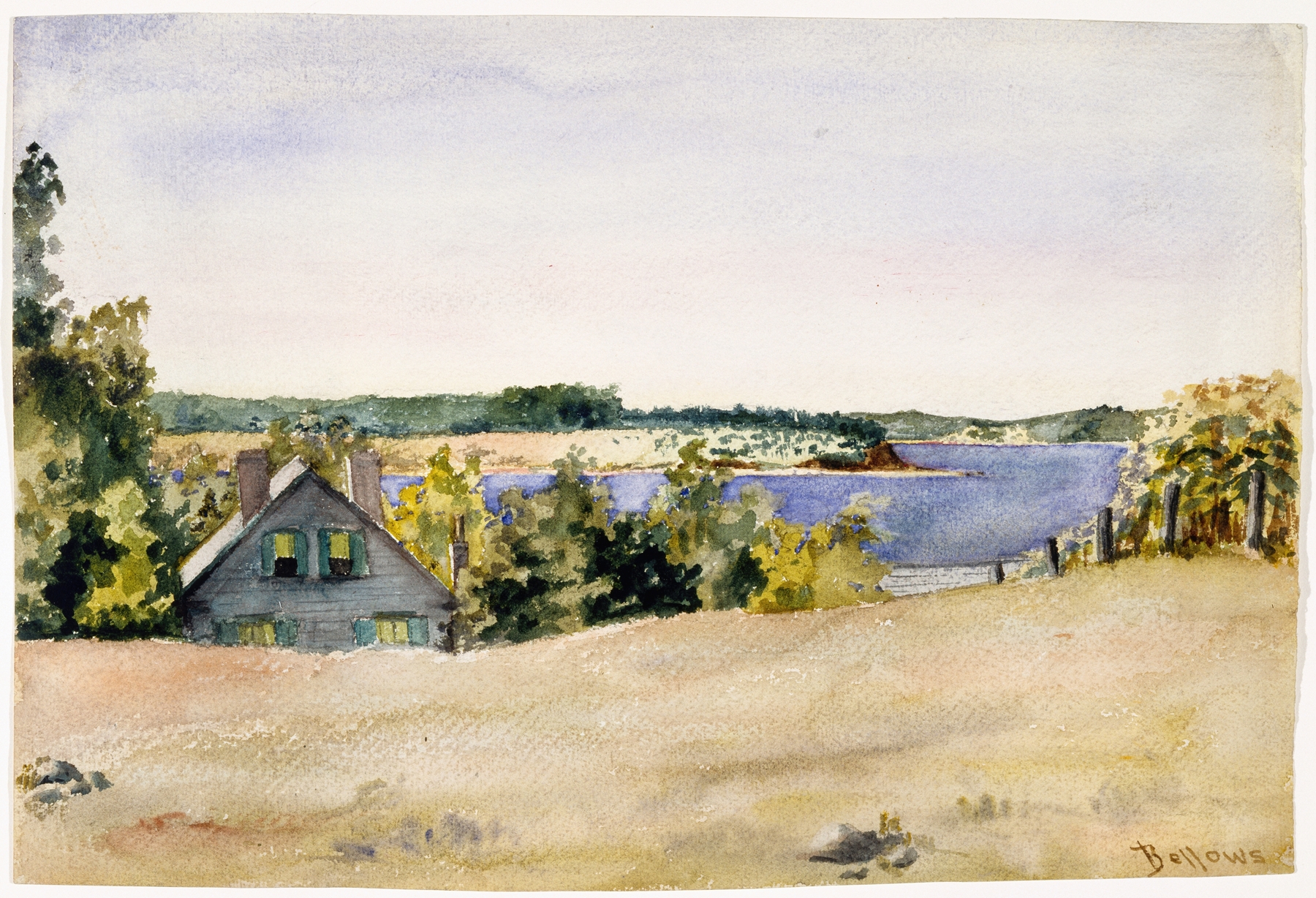
“Between color and silence, truth hides.” Here, in the stillness of Paradise Point, destiny unfolds within the embrace of vibrant hues and tranquil landscapes. Each brushstroke whispers of the paths we choose and the still moments that shape our journeys. Look to the center, where the shimmering waters invite you in, reflecting a clear sky that dances with soft clouds. Notice how the greens of the foliage frame the scene, casting shadows that evoke a sense of depth and serenity. The bold brushwork suggests movement—an undercurrent of life, yet the composition feels peaceful, almost suspended in time.
The rich palette draws you in, making the colors feel almost tangible as they intermingle, blending light and shadow to create an atmosphere of quiet wonder. Delve deeper, and you'll find contrasts at play: between man and nature, stillness and flux. The lone figure standing at the water’s edge embodies contemplation, a moment of introspection amid the natural world. This juxtaposition speaks of the human condition—the quest for belonging, the search for purpose amidst the vastness of existence.
The interplay of light suggests hope, while surrounding shadows hint at uncertainty, inviting viewers to reflect on their own destinies. In 1919, George Wesley Bellows painted Paradise Point during a time of personal and artistic transition. Having recently moved to New York, he was influenced by the changing landscape of the American art scene, exploring themes of modern life through a lens that revered nature. This work marked a significant shift in his career, embodying a contemplative spirit that resonated with a nation healing from the ravages of war, as he sought solace and truth within the beauty of the world around him.