Part of the Old Fortifications at Saint Lo, Normandy — History & Analysis
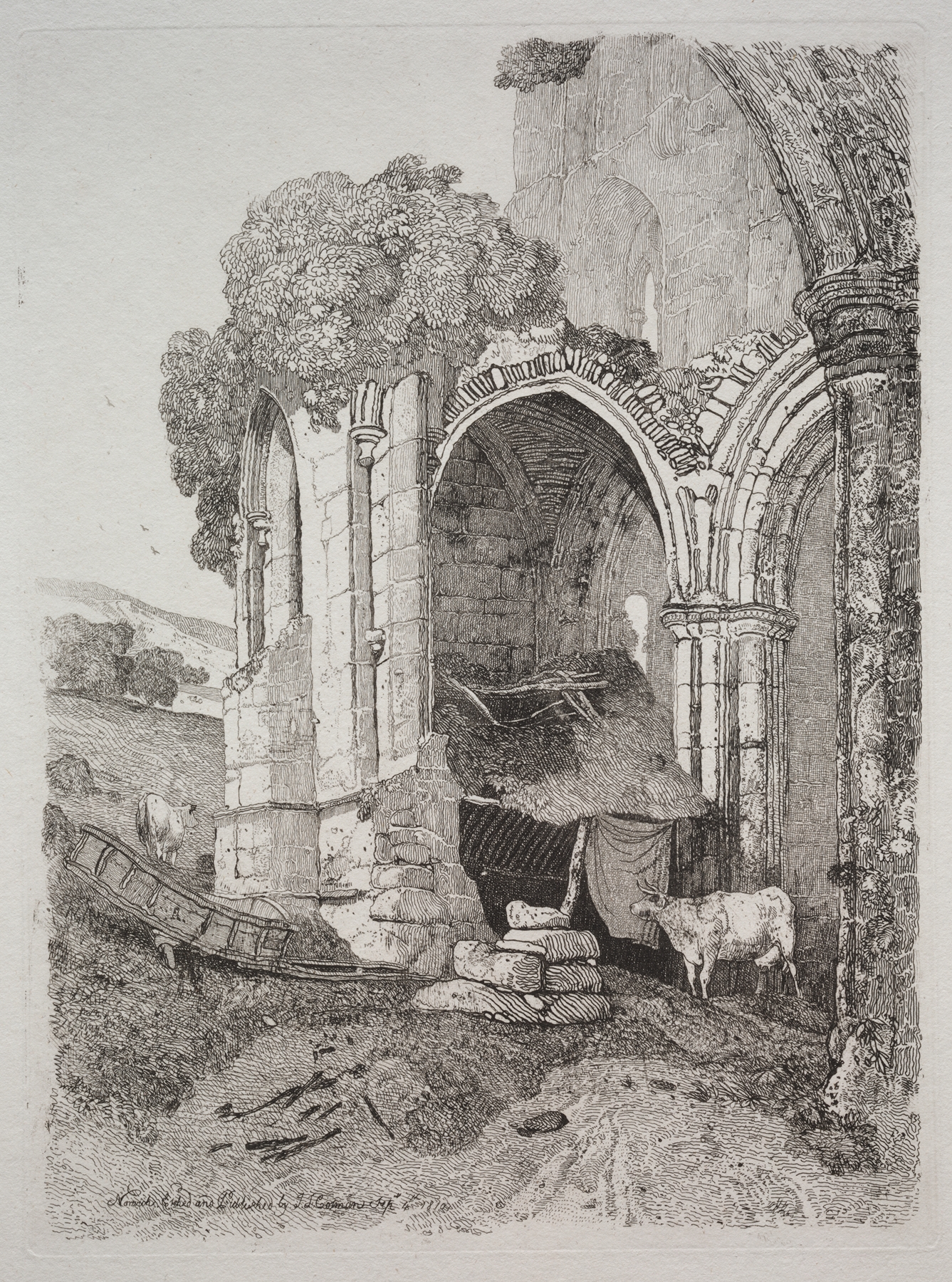
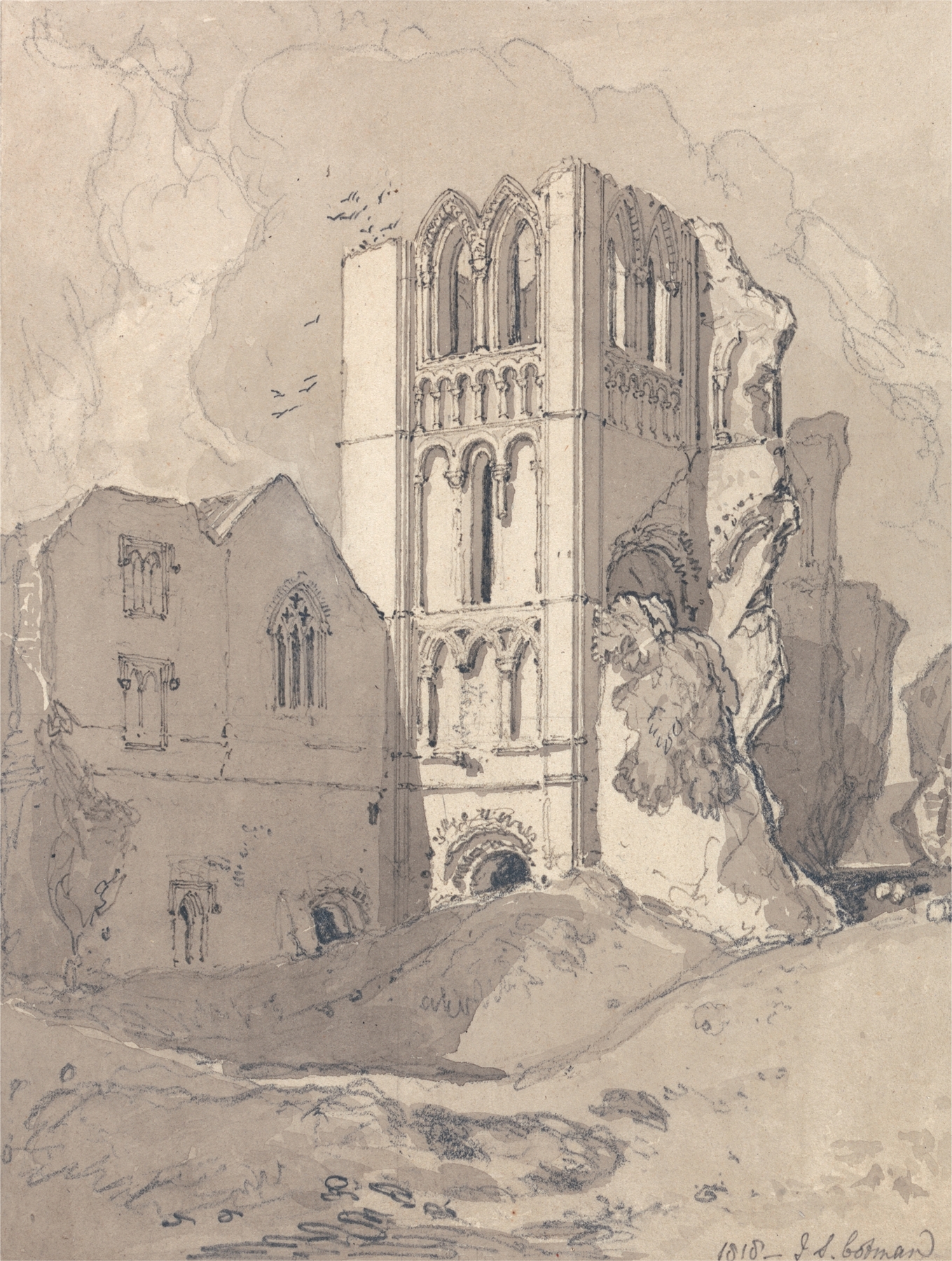
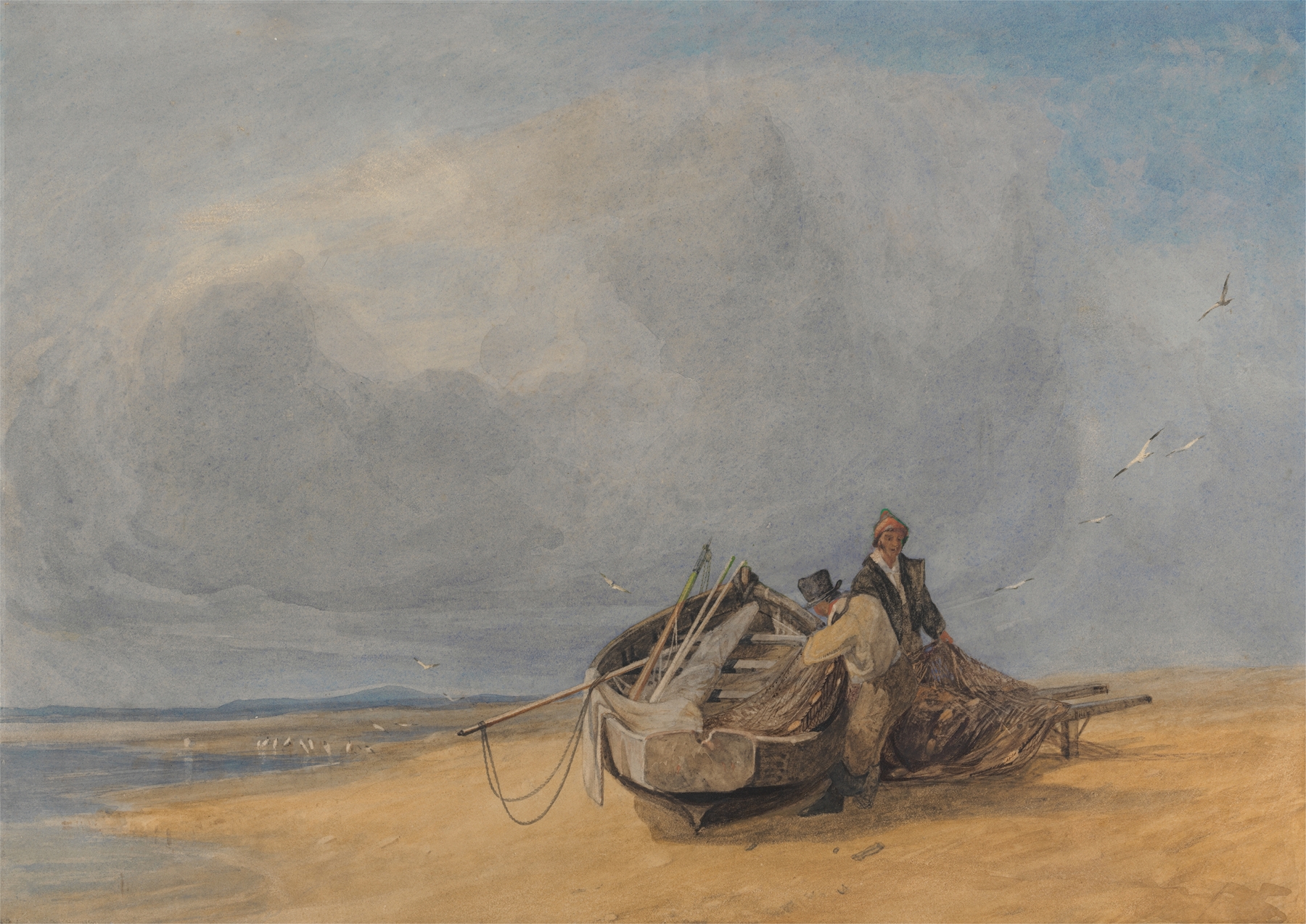
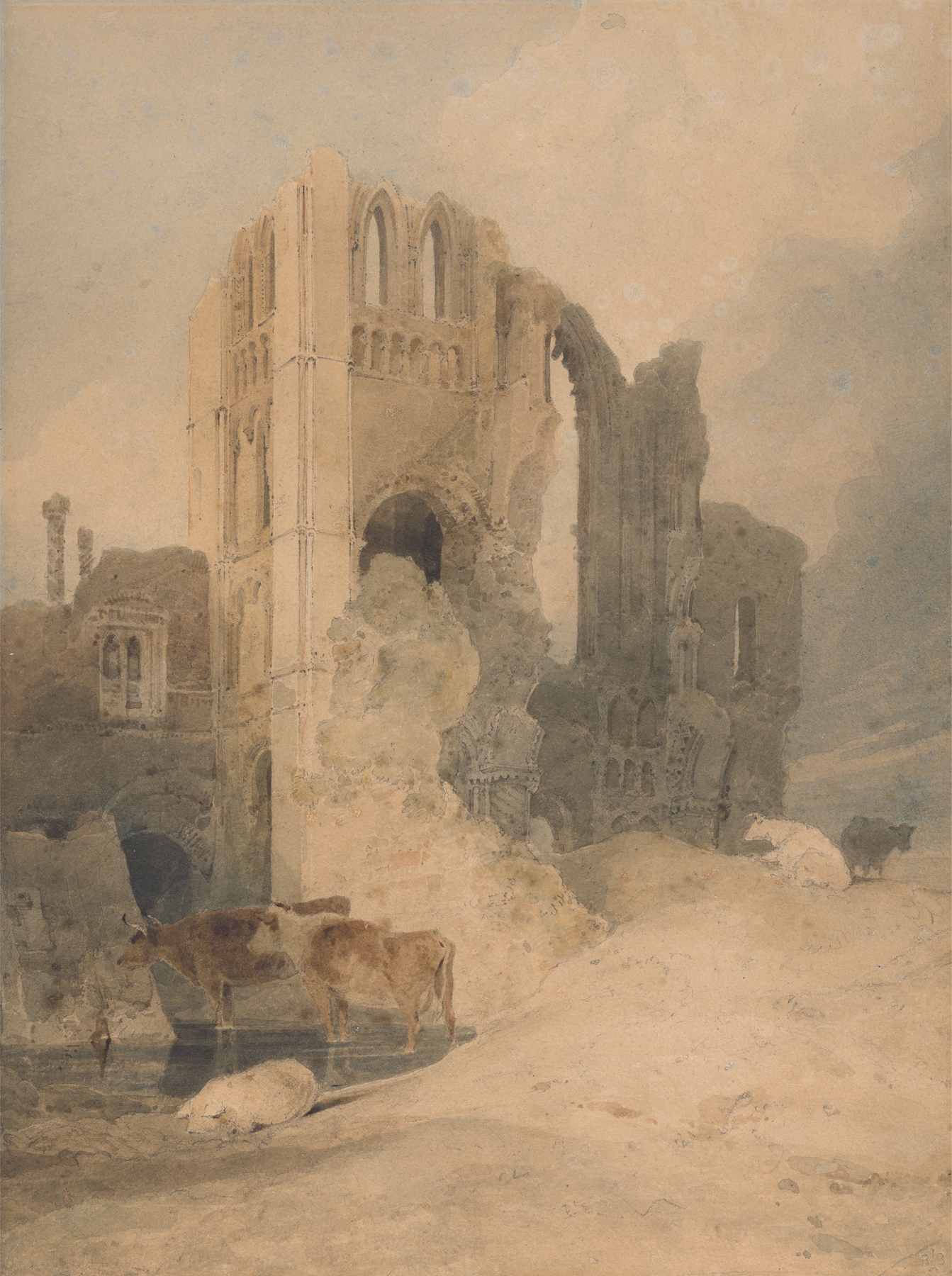
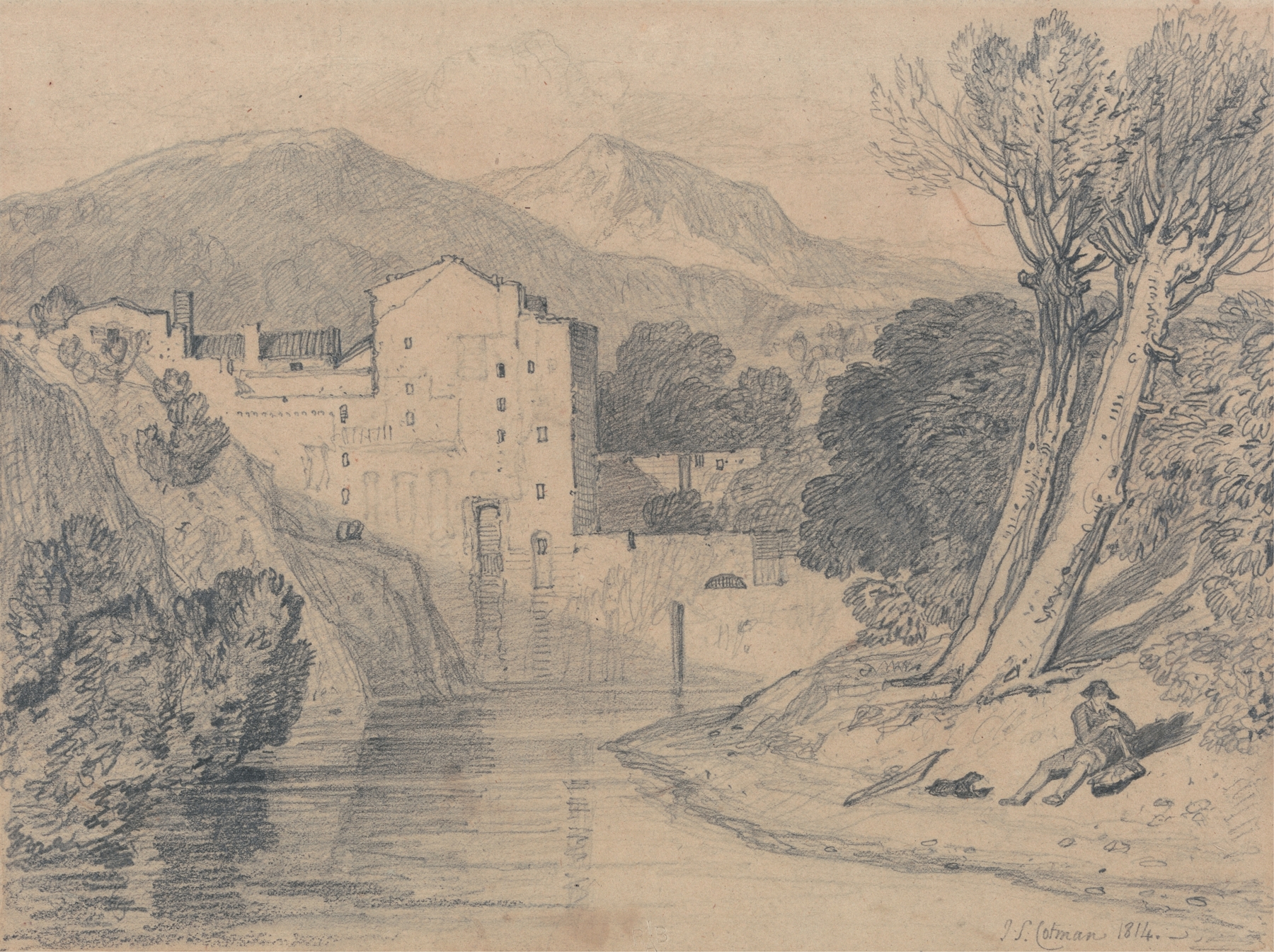
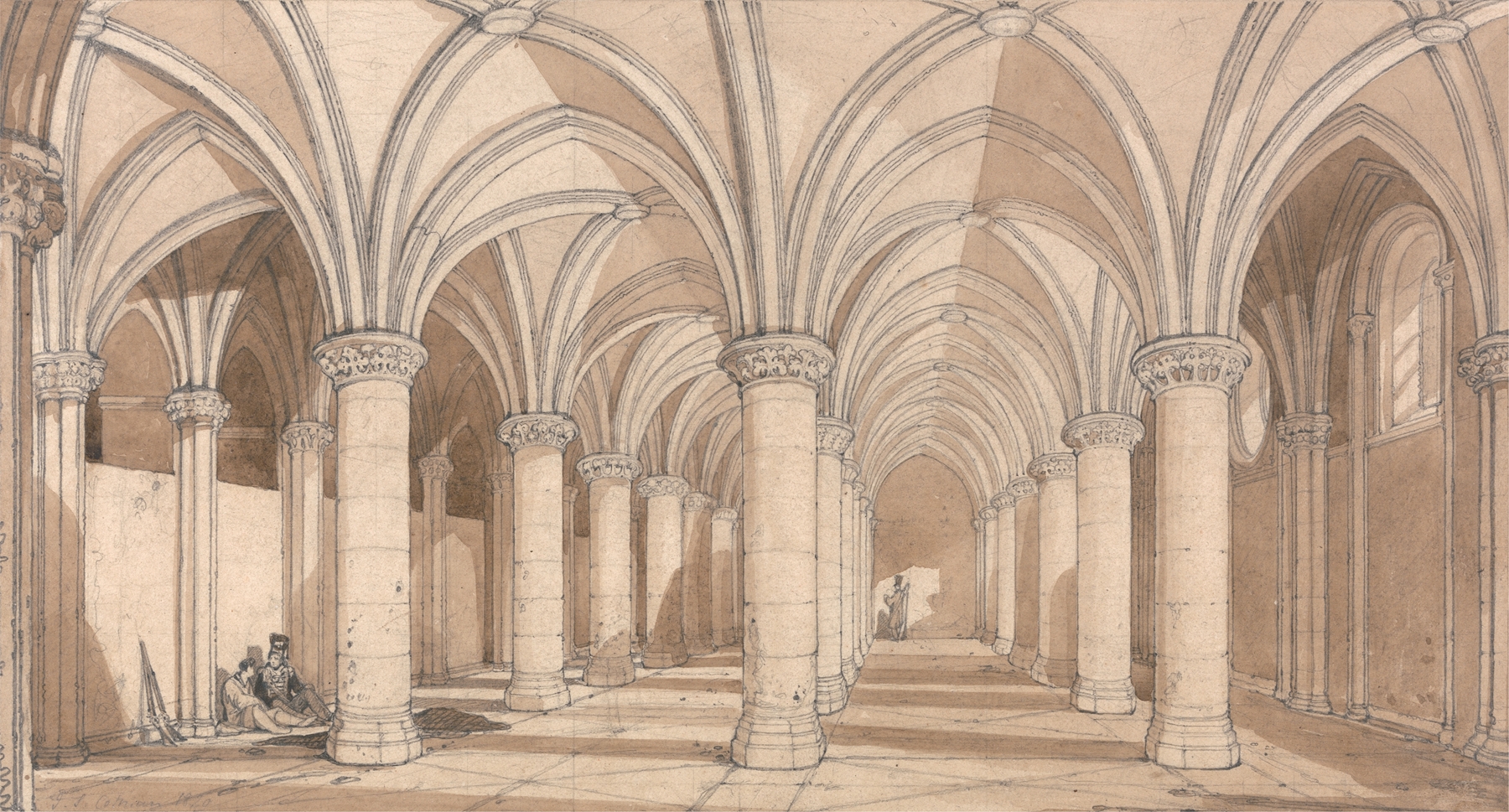
“To paint is to remember what time wants us to forget.” In a world often ruled by chaos, art provides a sanctuary where the past can be contemplated, preserved, and understood. Look to the foreground, where the rugged stone remains rise defiantly against a tumultuous sky. The textured brushstrokes convey not only the age of the fortifications but also hint at the ravages of time upon them. Notice the interplay of light and shadow; the sun’s waning rays illuminate the edges of the stones, while deeper shadows cling to the recesses, suggesting hidden stories waiting to be unearthed.
The muted palette of grays and earth tones grounds the viewer, evoking a sense of both melancholy and resilience. Within this composition lies a profound tension between stability and decay. The ancient walls, steadfast yet crumbling, symbolize the relentless passage of time, while the stormy sky looms above, echoing the chaos of history that surrounds the fortifications. The scattered foliage at the fort's base is a reminder of nature's reclamation, quietly challenging the permanence of human constructs.
Each element in the scene speaks of the legacies of conflict and survival that have shaped the landscape. Created in 1817, this work emerged during a period when John Sell Cotman was immersed in the study of antiquity and natural landscapes. Living in England, he traversed the picturesque regions of Europe, capturing the sublime intersect of human artistry and the chaos of nature. His focus on historical sites was not merely about documentation; it was an exploration of how the remnants of the past can inform the present, even amidst a world fraught with change.