Pass in the Mountains Between Nisa and Villa Velha — History & Analysis
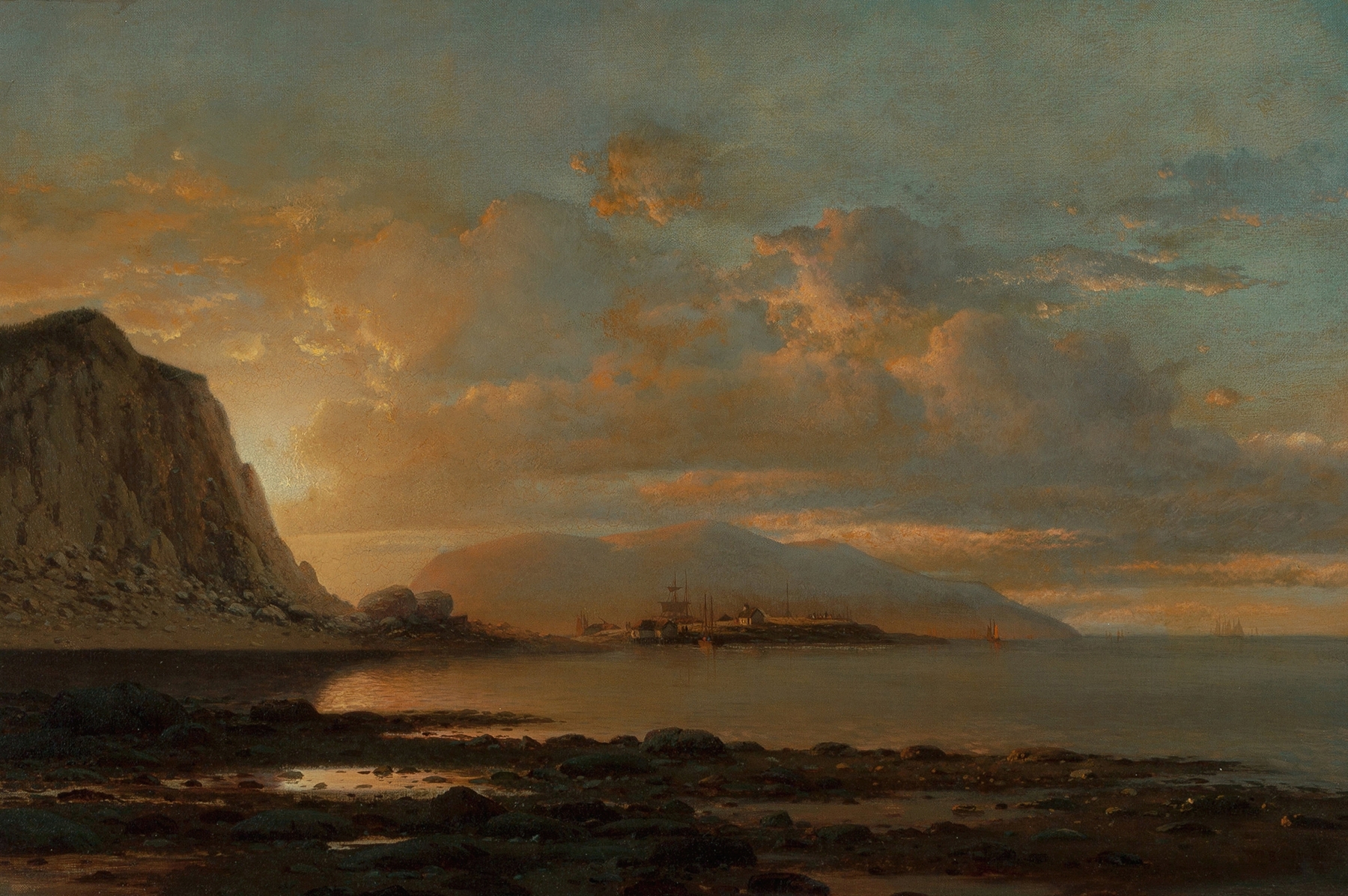
Who listens when art speaks of silence? In the hushed expanse of nature, memories linger like whispers, inviting us to contemplate their weight and presence. Look closely at the sweeping vista that unfolds on the canvas. The rugged mountains rise majestically, their jagged peaks bathed in a soft, almost ethereal light.
Notice how the muted palette of blues and grays conveys a sense of tranquility, while the wisps of clouds hover delicately above the horizon, creating a dreamlike quality. As you trace the winding path that cuts through the landscape, your gaze is drawn along the intimate journey between the foreground and background, symbolizing the passage of time and experience. Within this serene composition lies a deeper tension: the contrast between the grandeur of nature and the subtle fragility of human presence. The isolated path suggests solitude, perhaps memory itself, as if it leads to forgotten moments lost in the vastness of time.
The interplay of light and shadow reveals a dialogue between the seen and unseen, drawing us into its quiet reflection on exploration and existence. In 1809, William Bradford painted this work during a period marked by burgeoning interest in the American landscape. He sought to capture the sublimity of nature while also reflecting his own experiences of travel and discovery. As Europe grappled with revolutionary change, Bradford turned his focus inward, creating evocative depictions of uncharted territories that resonated with a growing national identity.