Paus en de Dood — History & Analysis
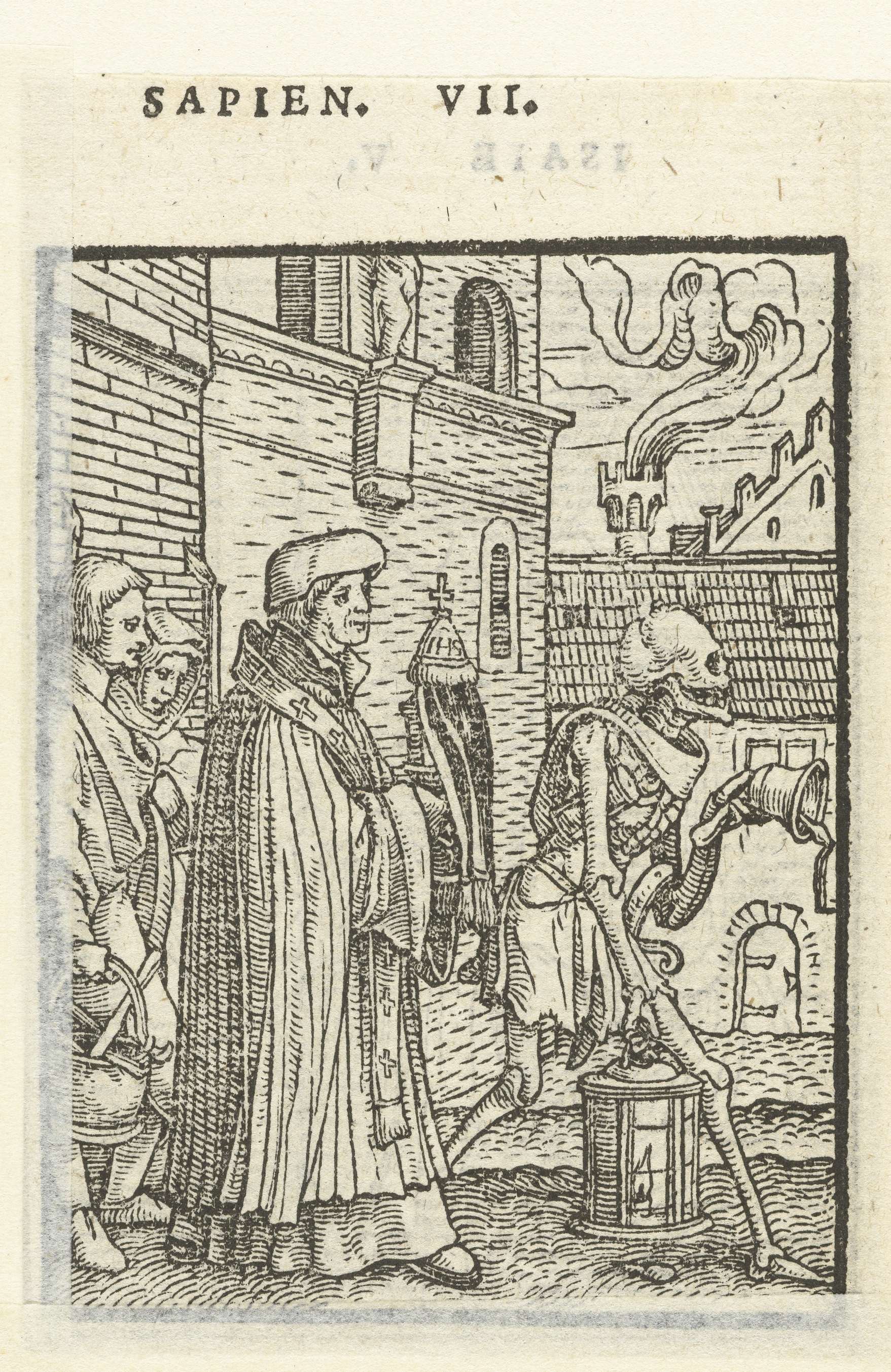
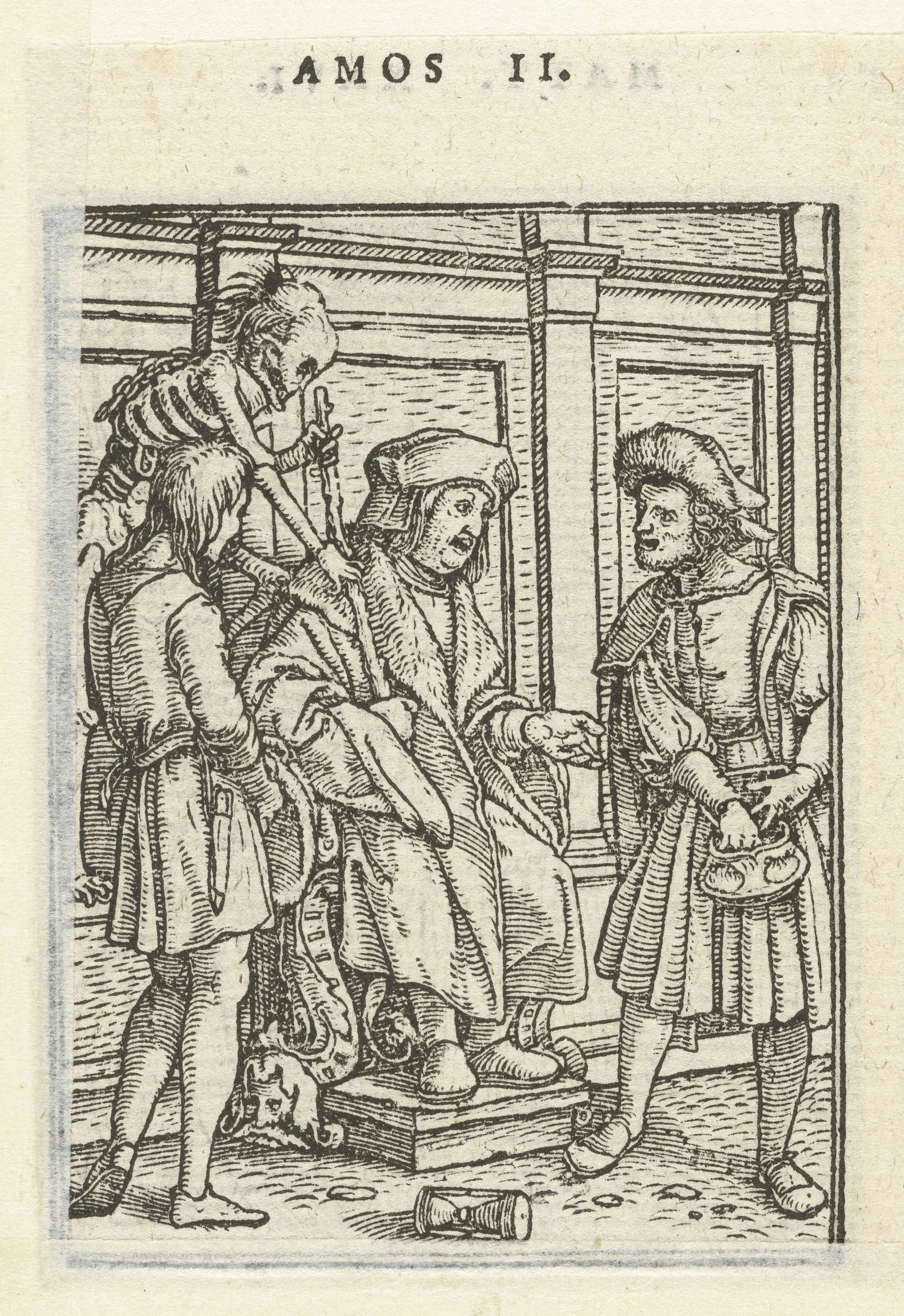
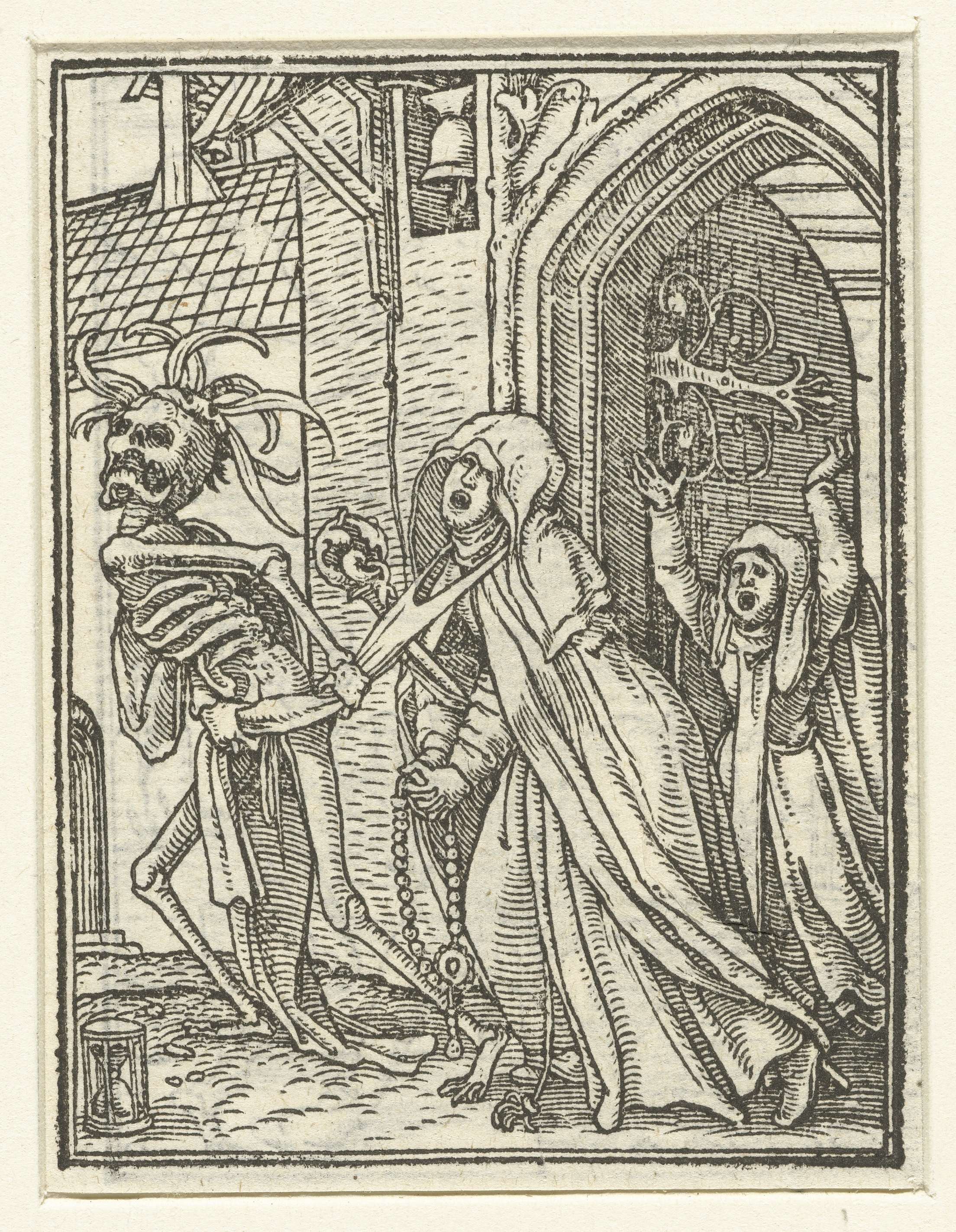
Where does light end, and longing begin? In the stillness of Paus en de Dood, a poignant silence envelops the viewer, inviting introspection about mortality and the ephemeral nature of existence. Look closely at the central figure, the Pope, his somber expression framed by the rich, gilded textures of his vestments. The stark contrast of deep shadows and soft highlights creates a palpable tension, drawing your gaze to the interplay of light across the papal insignia.
Notice how the intricate details of the skull, placed ominously at the forefront, echo a sense of impending finality, a reminder that power is transient, and all paths ultimately lead to the same end. As you explore further, consider the delicate balance of hope and despair captured within the composition. The Pope’s eyes, while resolute, reflect a quiet wrestling with the weight of his earthly authority against the inevitability of death—a universal truth that transcends time.
This duality resonates through the subtle gestures, such as his hand reaching toward the skull, suggesting an unwillingness to confront the specter of mortality that lurks in the shadows. Created in 1538, Holbein painted this profound work during his time in England, where he was immersed in the complexities of the Tudor court. The reformation and the shifting tides of religious power were at the forefront of society, and this painting serves as both a commentary on the impermanence of man's reign and a reflection of the artist's own grappling with the human condition amidst an ever-evolving world.