Paysage — History & Analysis
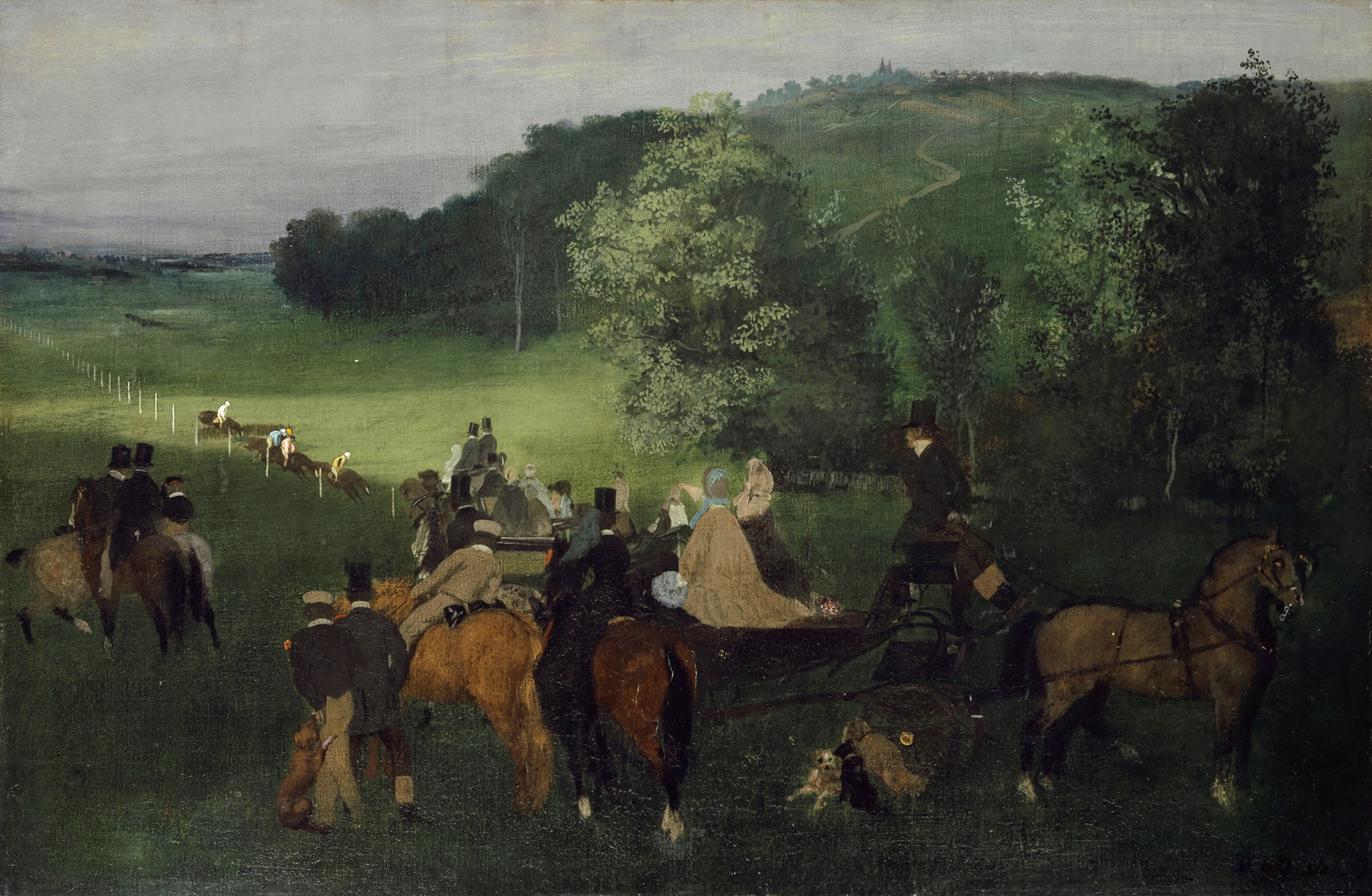
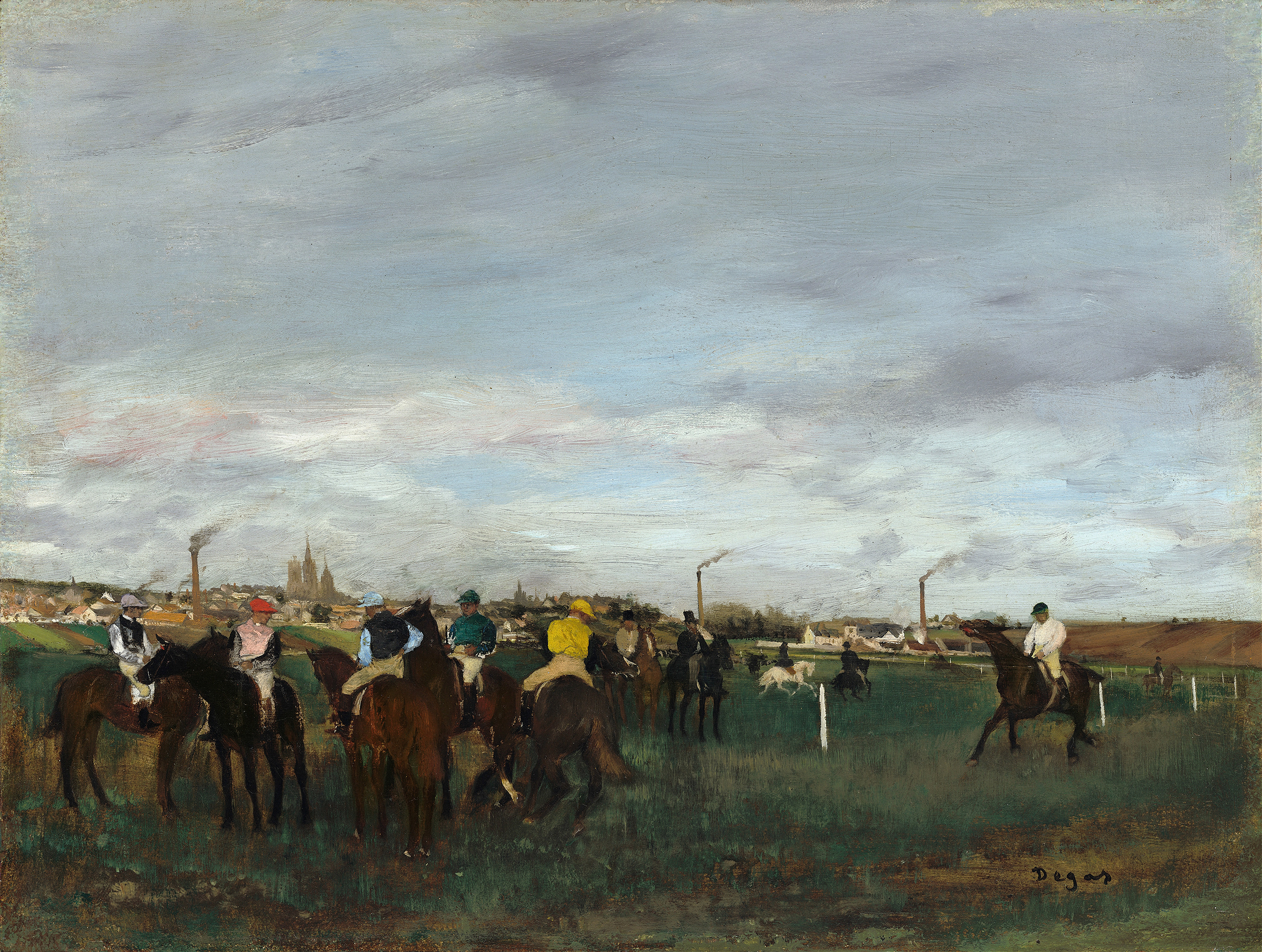
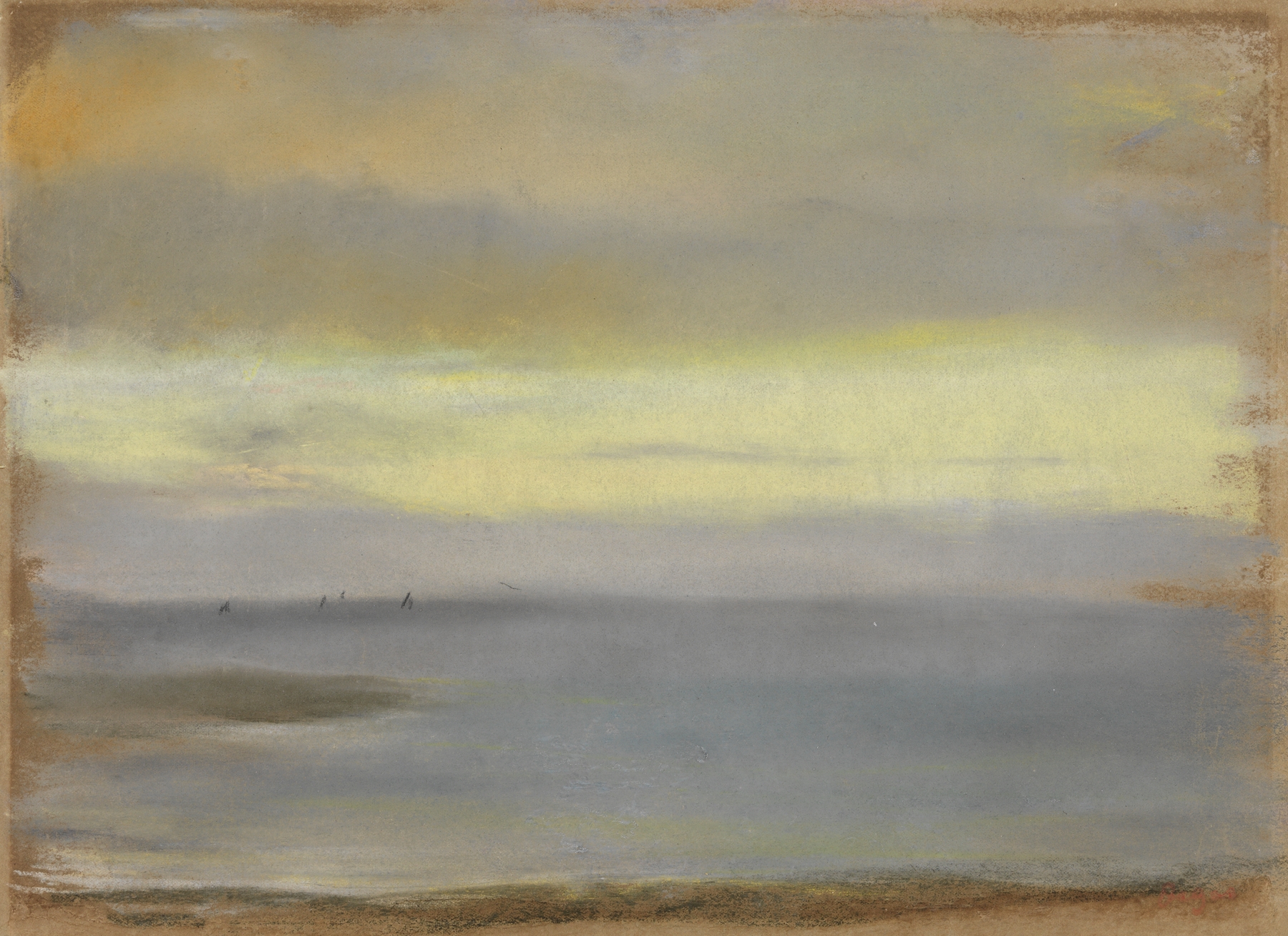
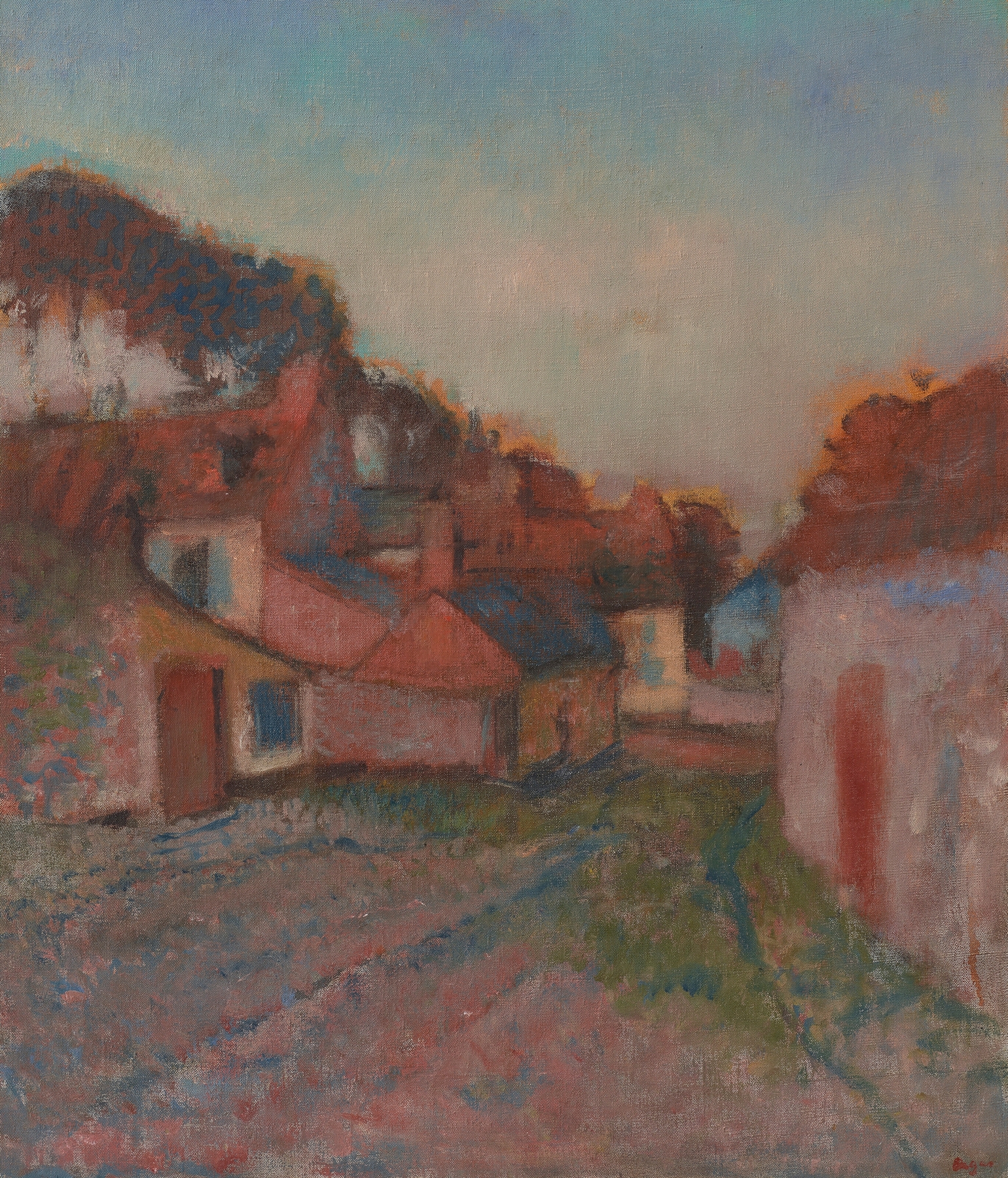
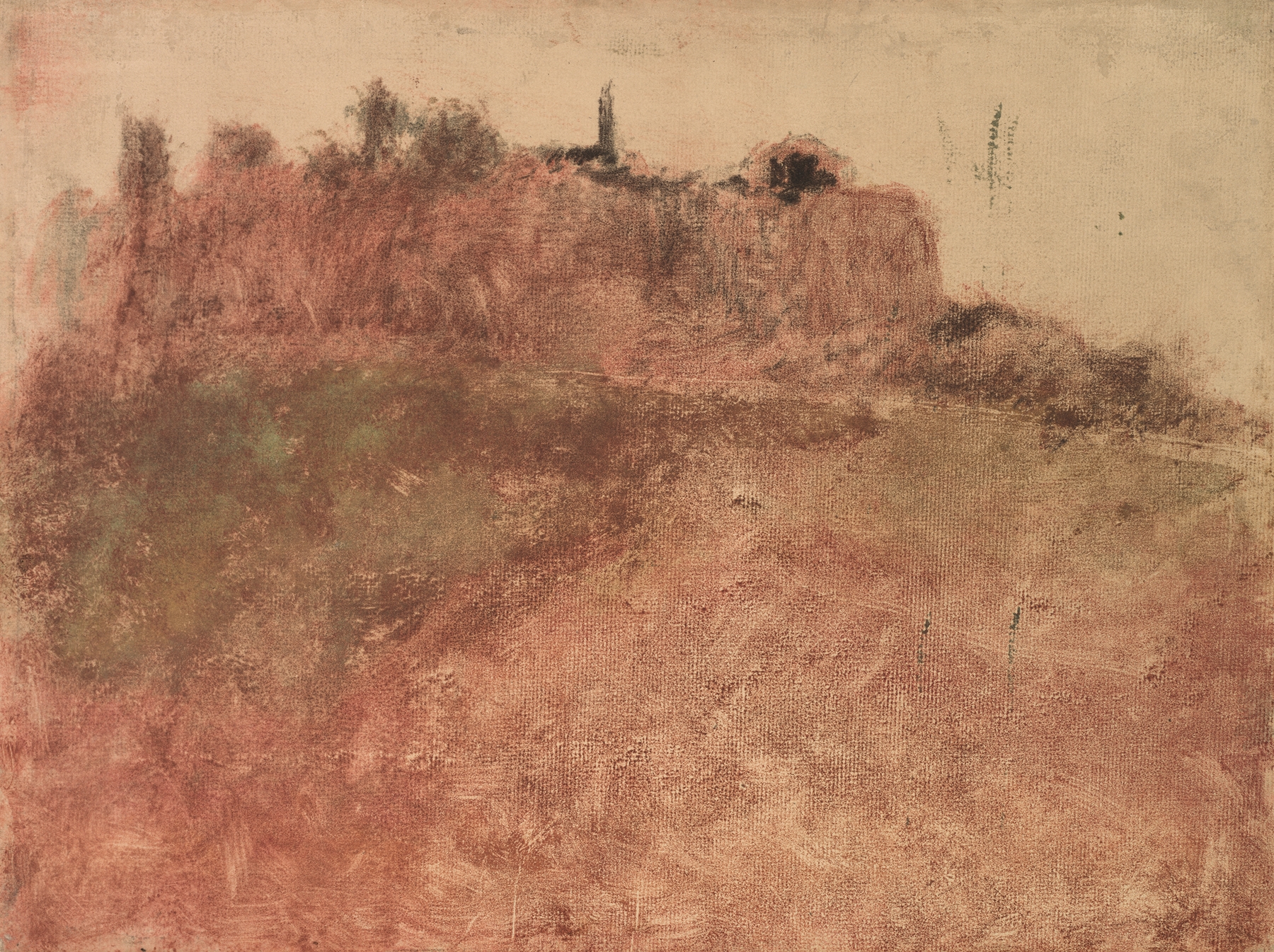
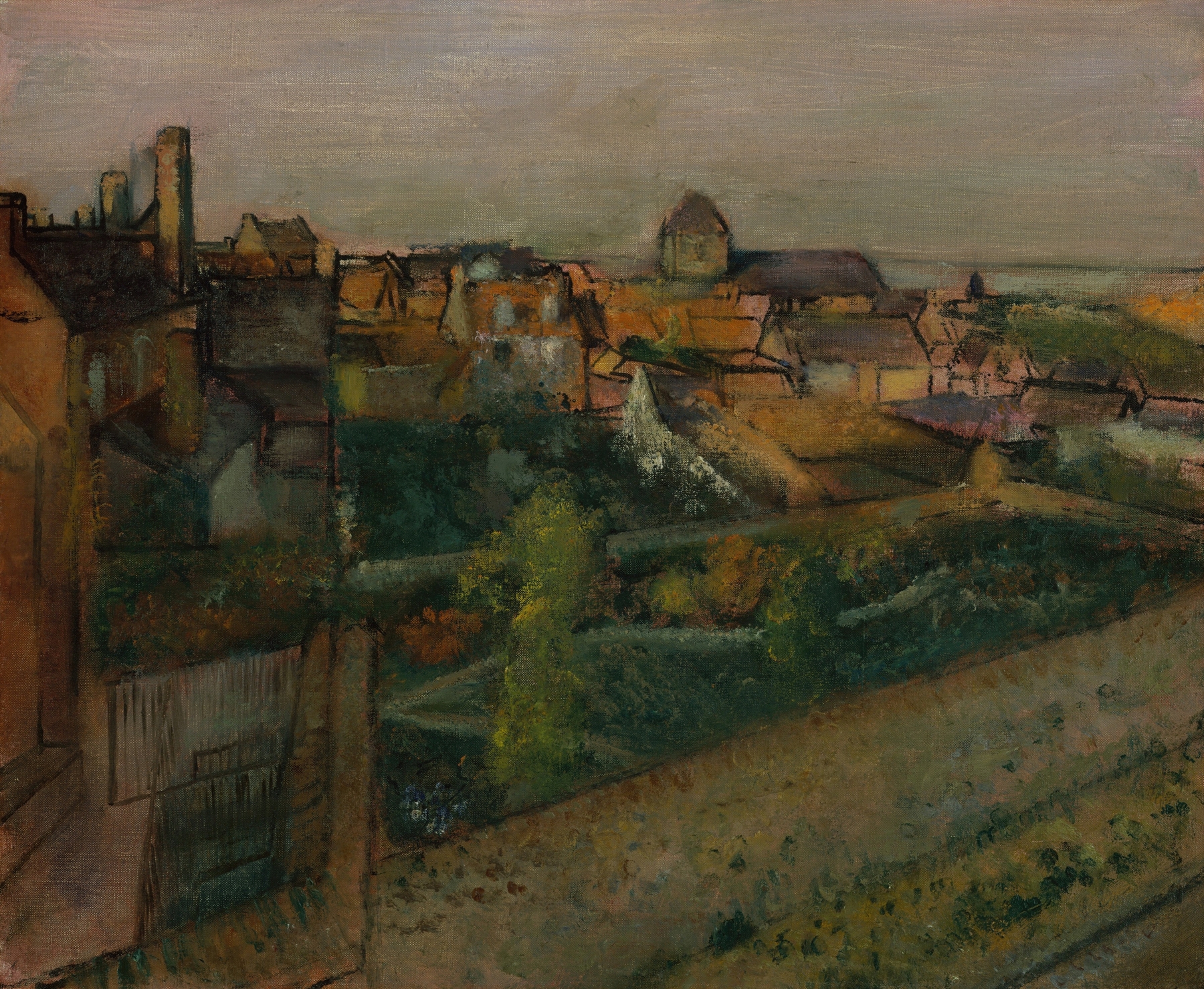
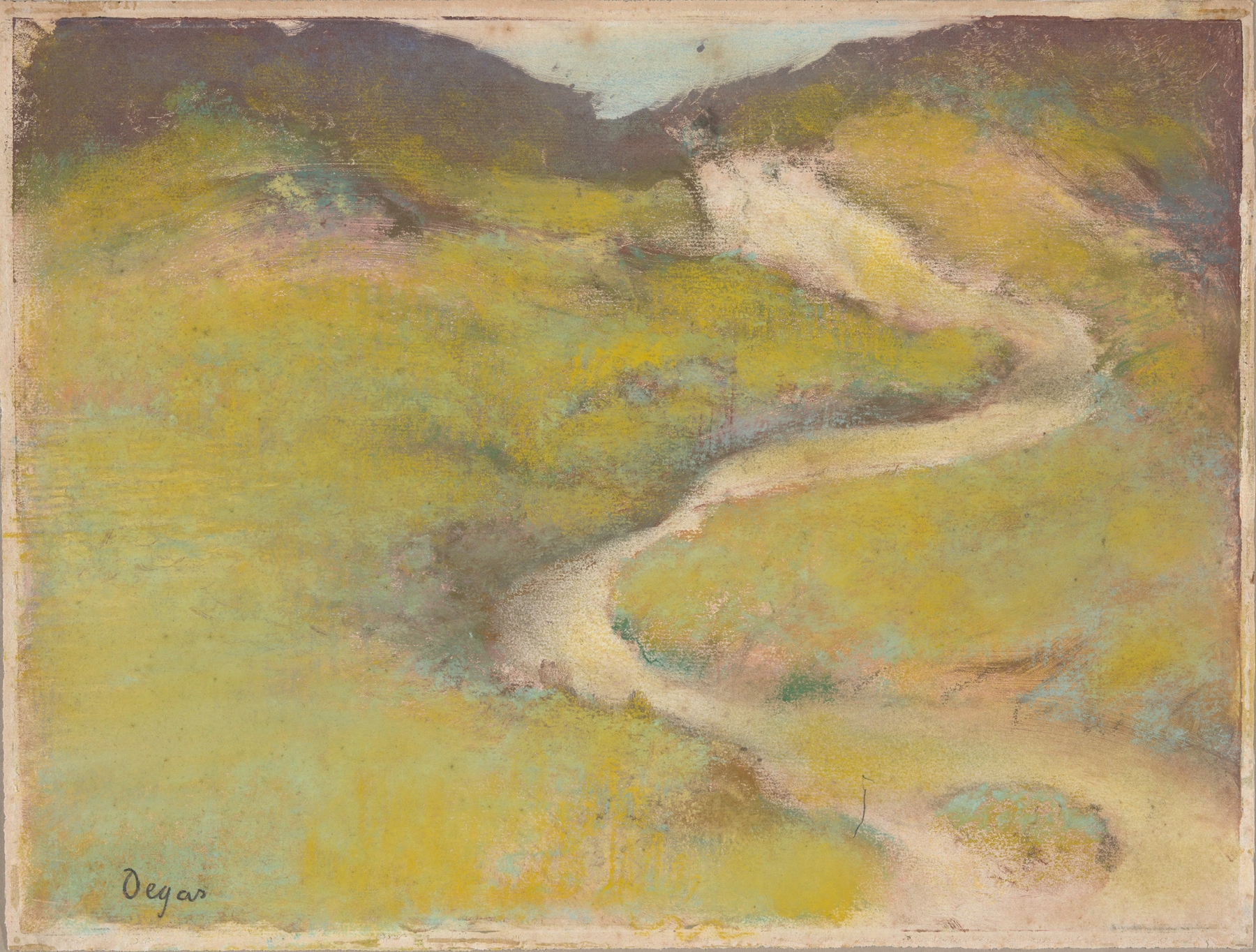
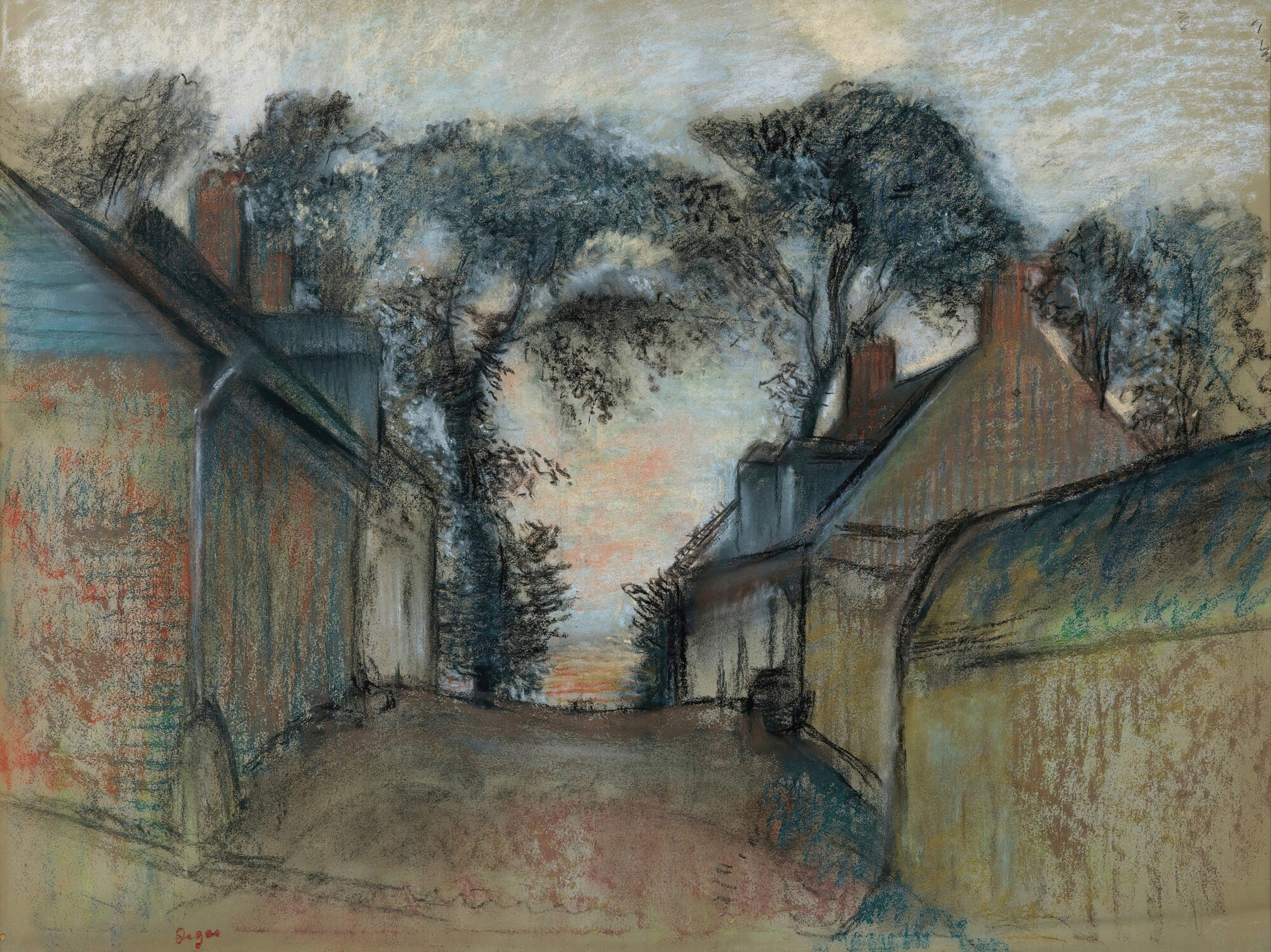
Could a single brushstroke hold eternity? In Paysage, a fleeting tranquility is captured, inviting the viewer to ponder the transient beauty of nature and the faith in the artist's hand. Look to the foreground where gentle blades of grass rise, their vibrant greens harmonizing with soft hints of yellow. The delicate brushwork creates a sense of depth and movement, as if the breeze is dancing through the scene. Notice how the light falls upon each stroke, illuminating the landscape with a warm, golden glow that seems to breathe life into the canvas.
The composition balances both chaos and order, where the seemingly random bursts of color coalesce into a serene vista, drawing the eye deeper into its embrace. Beneath the surface lies a rich tapestry of emotional tension. The juxtaposition of the lush, vibrant greenery against the muted, distant hills evokes a sense of longing and introspection. There’s a faith present in the spontaneous strokes, a belief in the beauty of impermanence, urging the viewer to appreciate the moment before it fades.
The scene speaks to an invisible connection between the artist and the landscape, a reminder of nature's sacredness and the fleeting nature of existence. In the early 1890s, while creating this work, the artist was immersed in a period of exploration and experimentation with landscapes, a deviation from his renowned depictions of ballet dancers. Working in the tranquility of the countryside, he sought to capture the essence of nature, which stood in contrast to the bustling life of Paris. This was a time marked by a growing appreciation for plein air painting, and Paysage reflects this blend of innovation and reverence for the world around him.