Paysage au crépuscule — History & Analysis
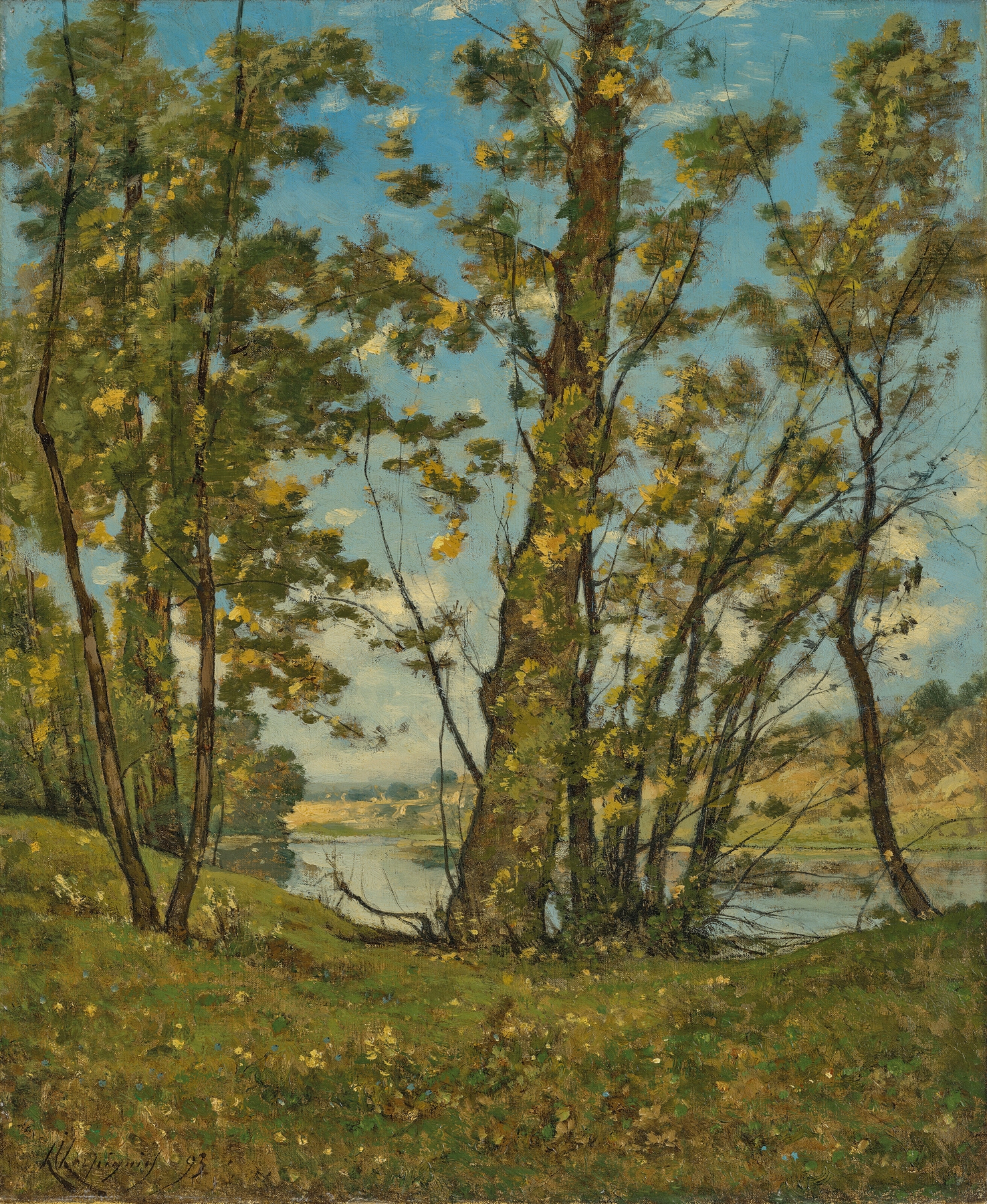
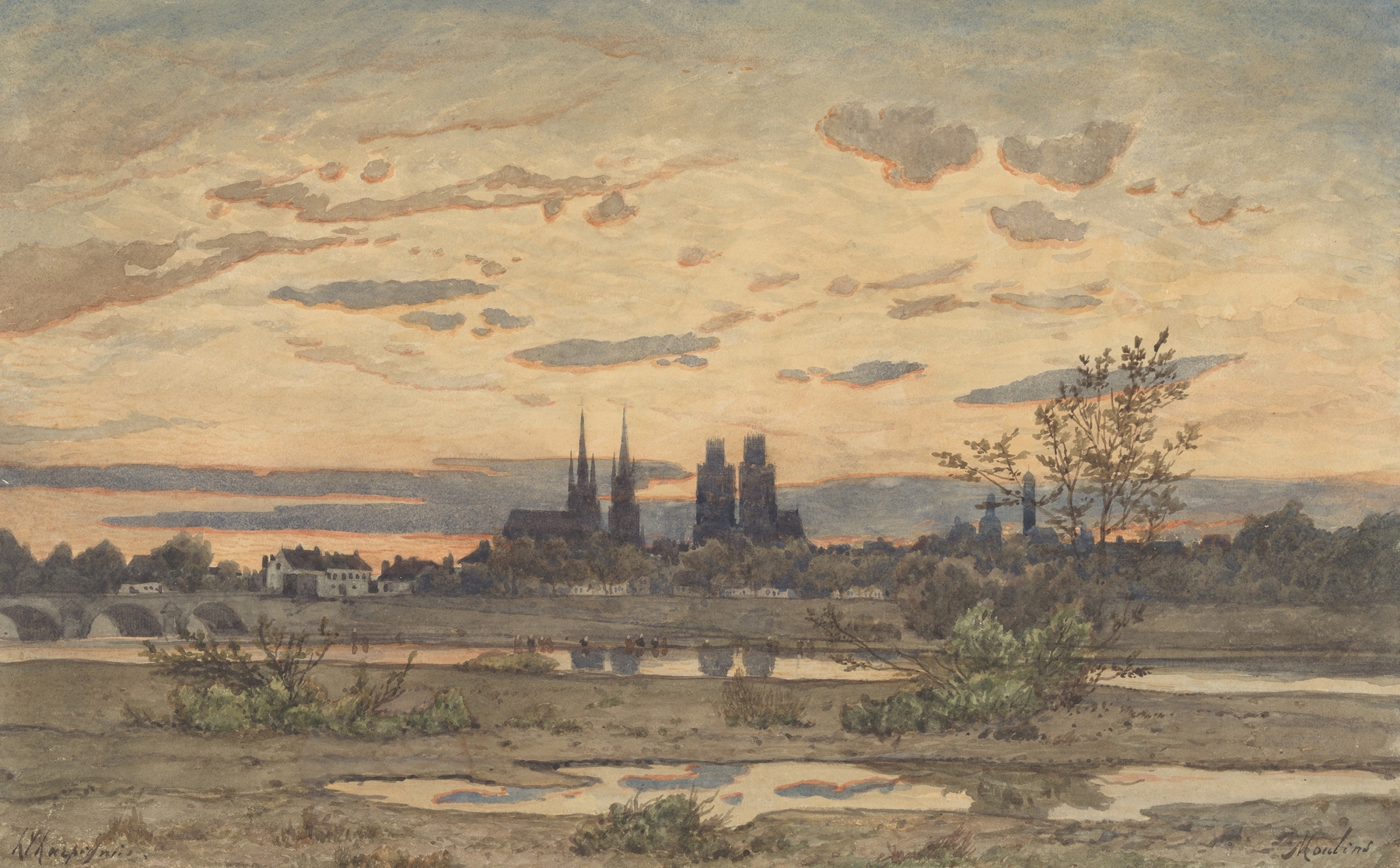
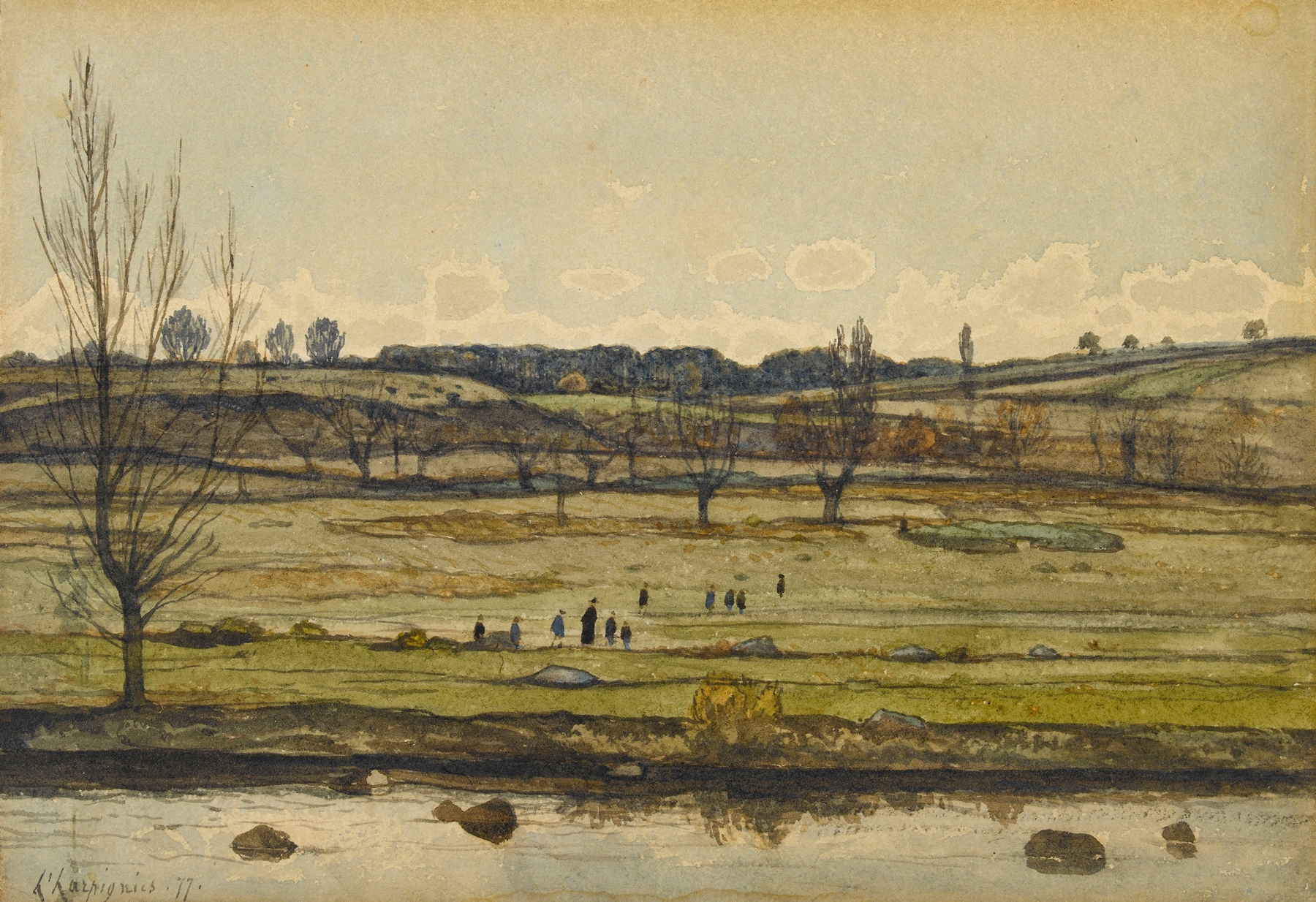
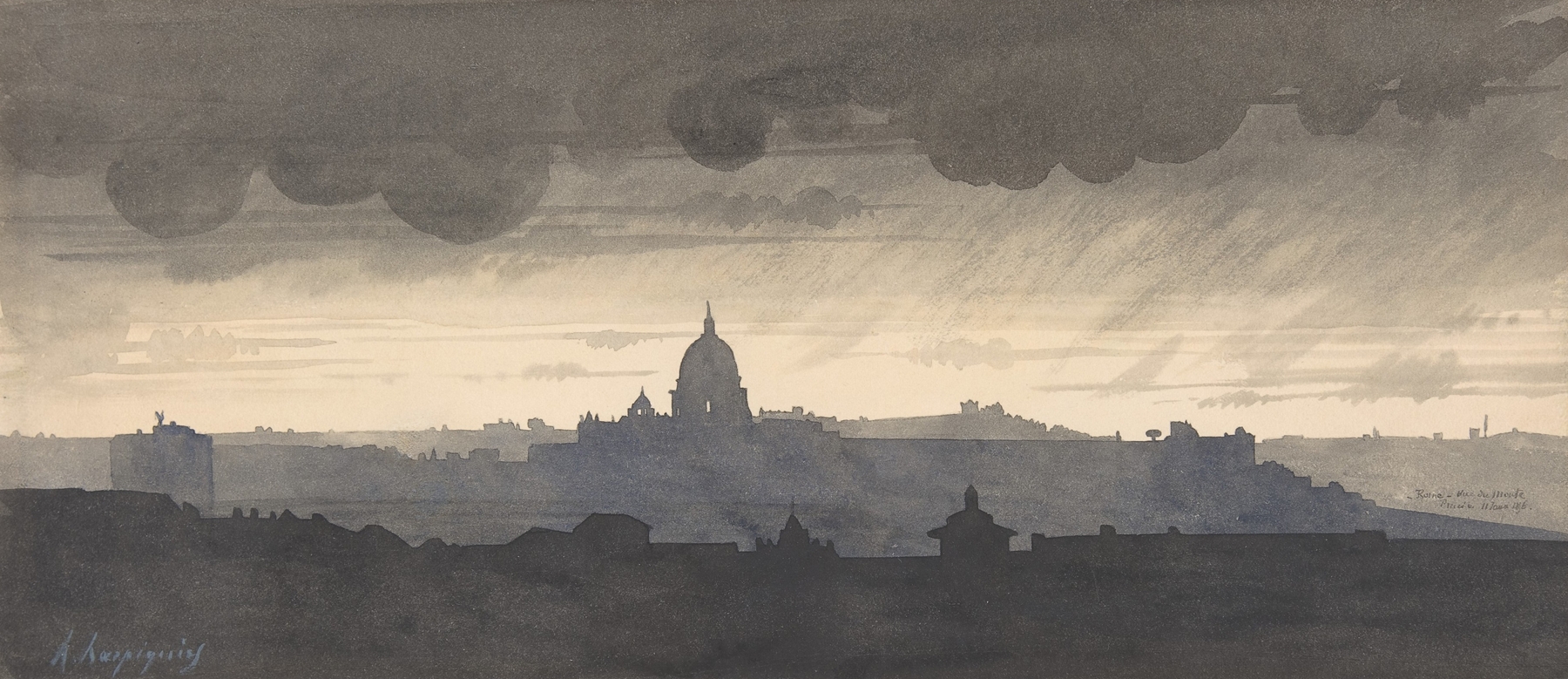
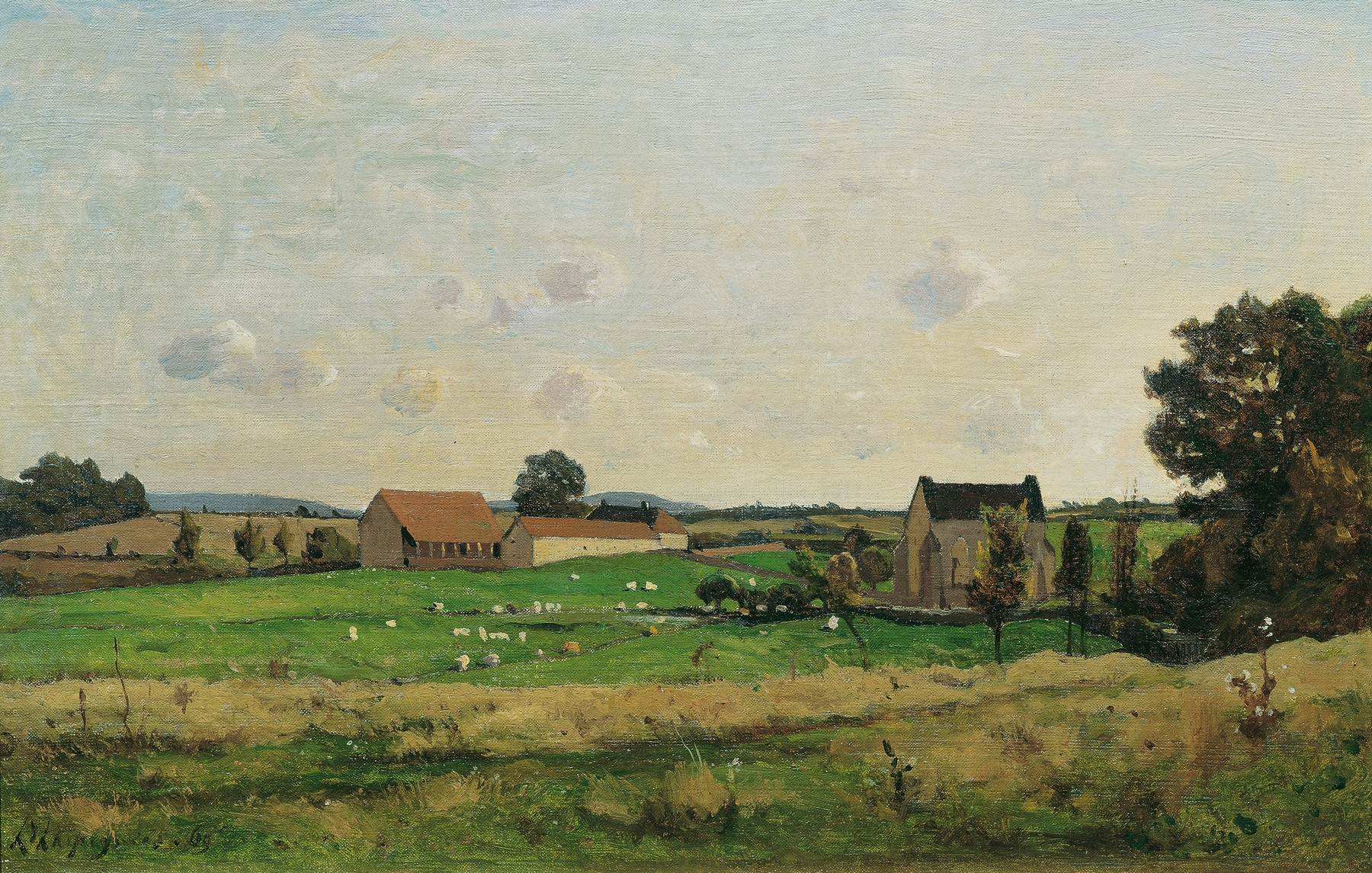
Did the painter know this moment would outlive them? In Paysage au crépuscule, a twilight landscape unfolds like a whisper from the past, inviting us to linger in the soft embrace of fading light and memory. Look to the horizon, where the last rays of the sun melt into a symphony of deep blues and gentle purples. The sky is a canvas of emotion, a delicate balance that draws the eye to the serene water below, reflecting the colors like a restless dream.
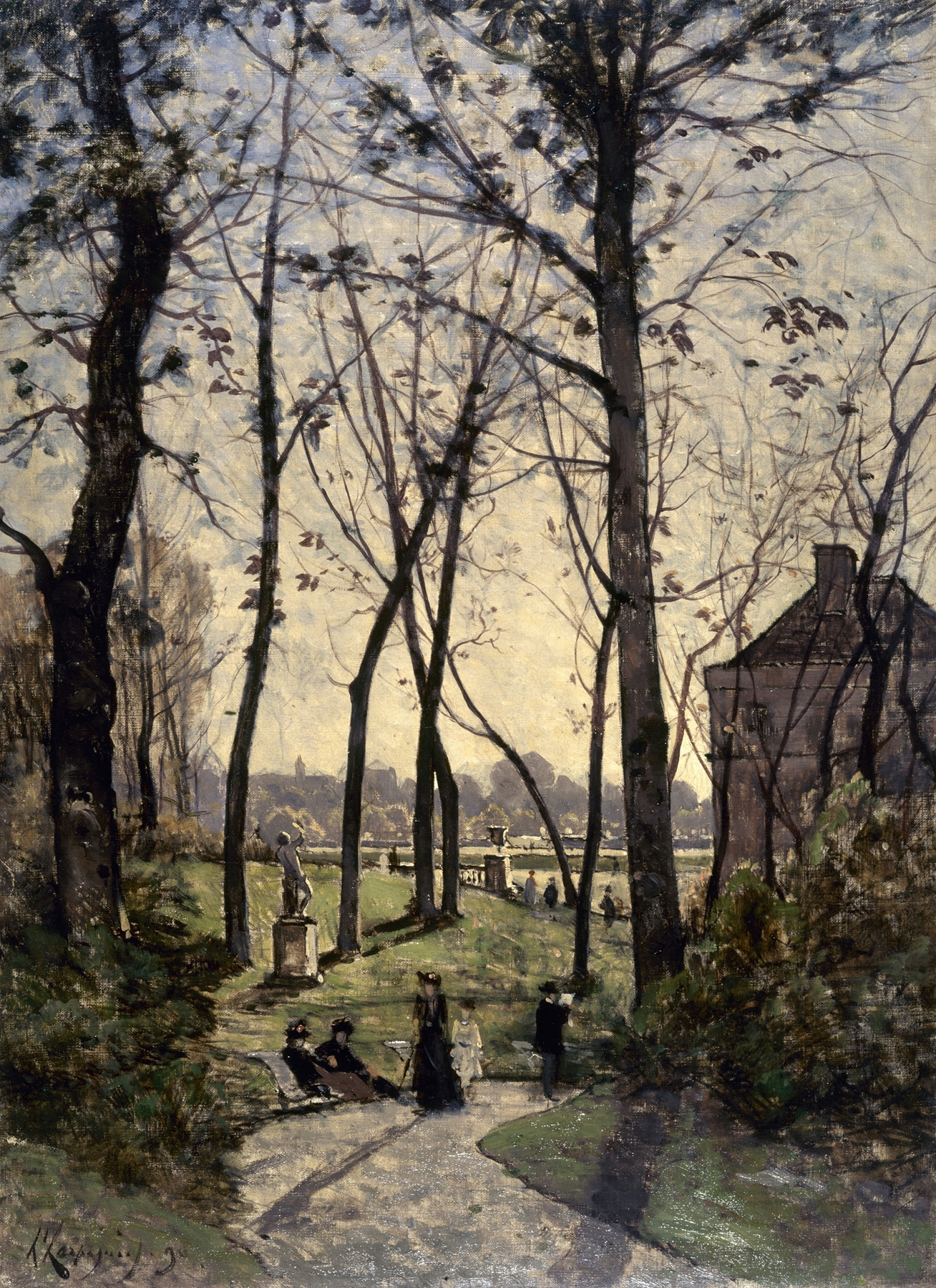
Notice how the trees frame the scene, their silhouettes etched sharply against the luminous backdrop, each brushstroke revealing the artist's subtle mastery of light and shadow. The soft, wispy clouds appear almost suspended in time, enhancing the sense of tranquility that envelops the entire canvas. In this artwork, contrasts simmer beneath the surface—the warmth of the sunset against the impending night, the stillness of nature juxtaposed with the untamed spirit of memory. Each element holds significance; the reflective water suggests nostalgia, while the trees stand sentinel, guarding the secrets of the landscape.
The interplay of colors evokes a bittersweet longing, reminding us of moments that slip away yet leave their mark on the heart. Created in 1877, Paysage au crépuscule was painted during a period when Harpignies was exploring the nuances of light in landscapes, often working in the serene environments of France. This was a time of burgeoning impressionism, where artists sought to capture the ephemeral qualities of nature, reflecting both personal sentiment and the broader shifts in the artistic landscape of the era.