Paysage de Saint-Privé — History & Analysis
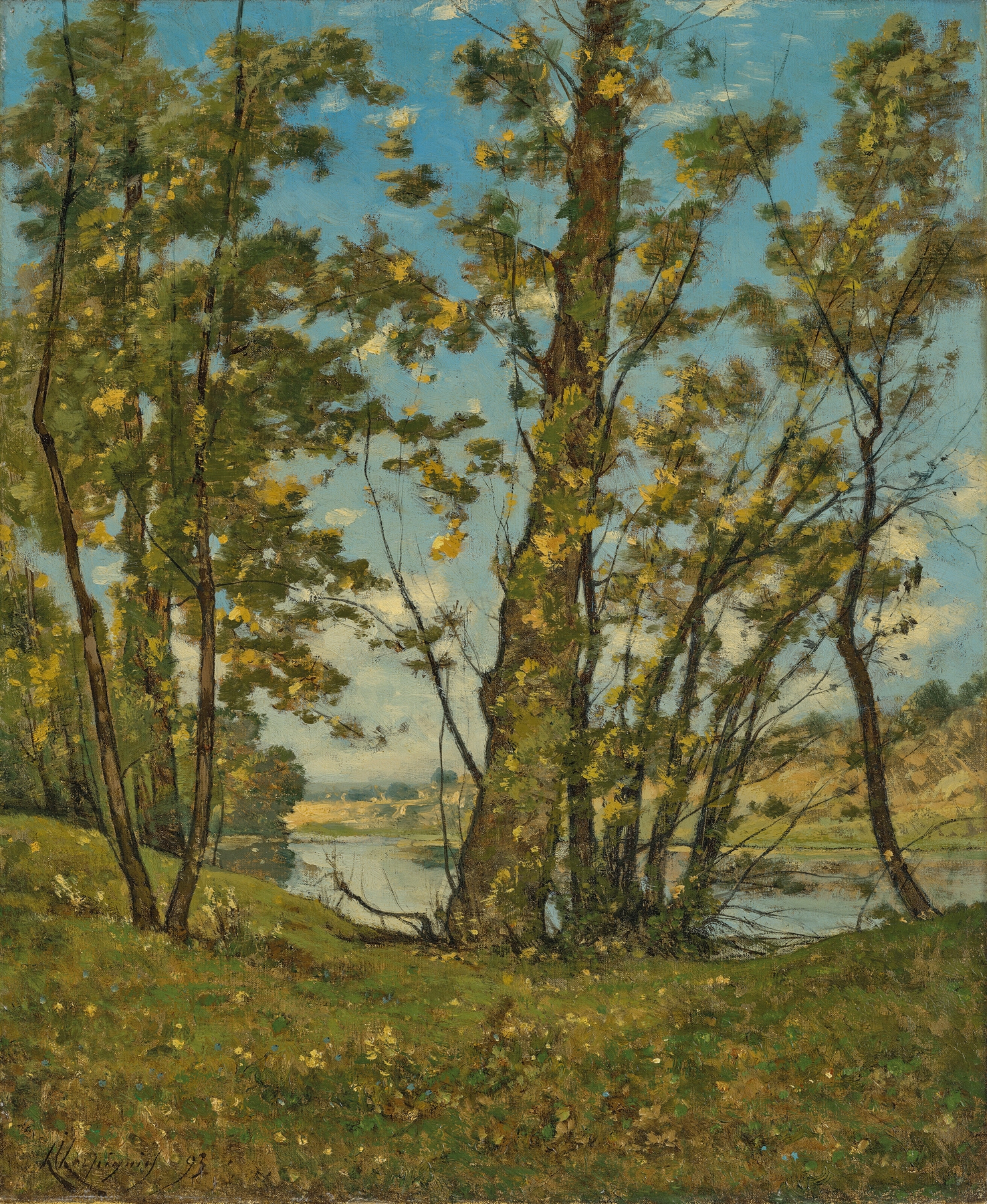
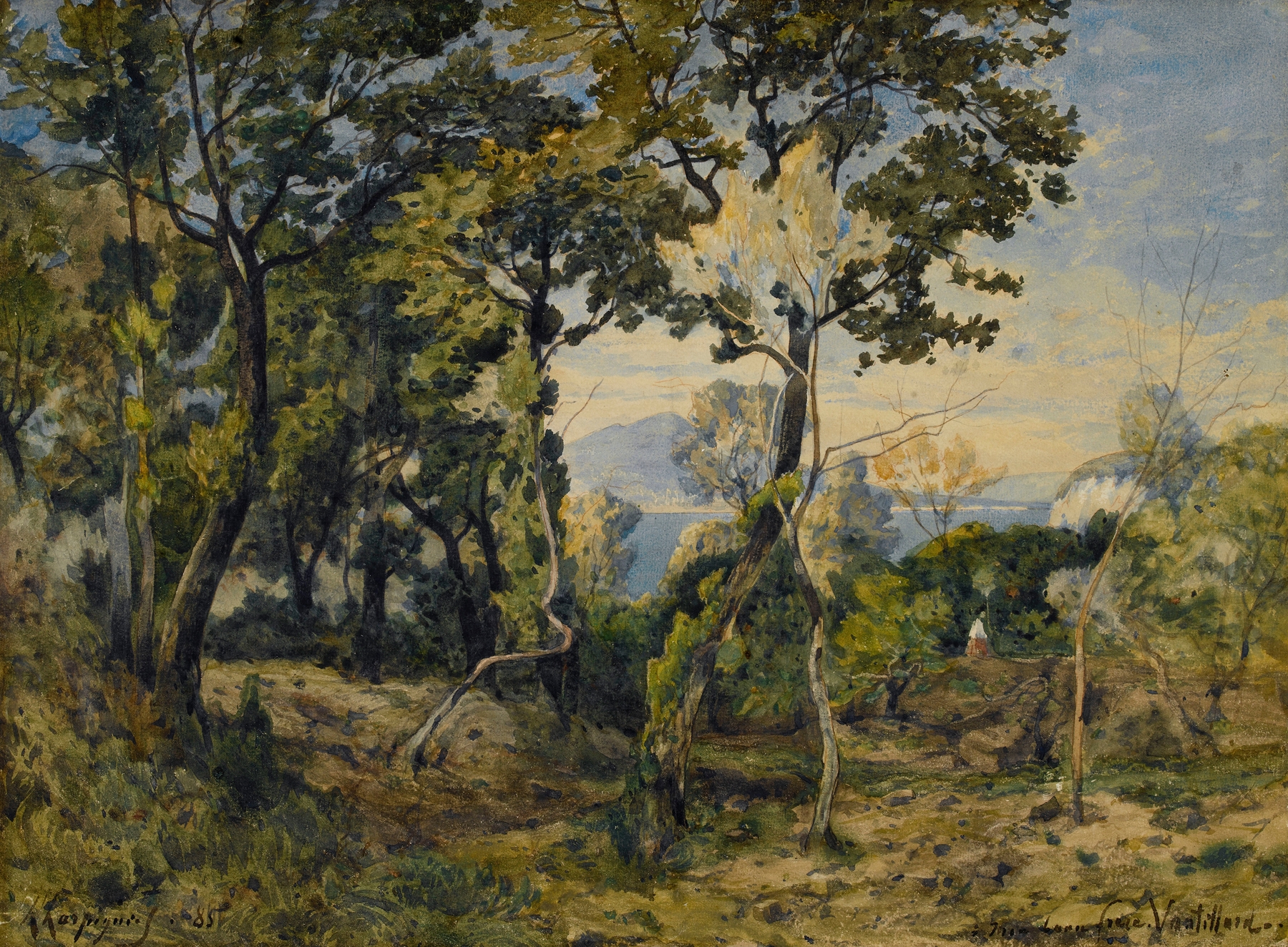
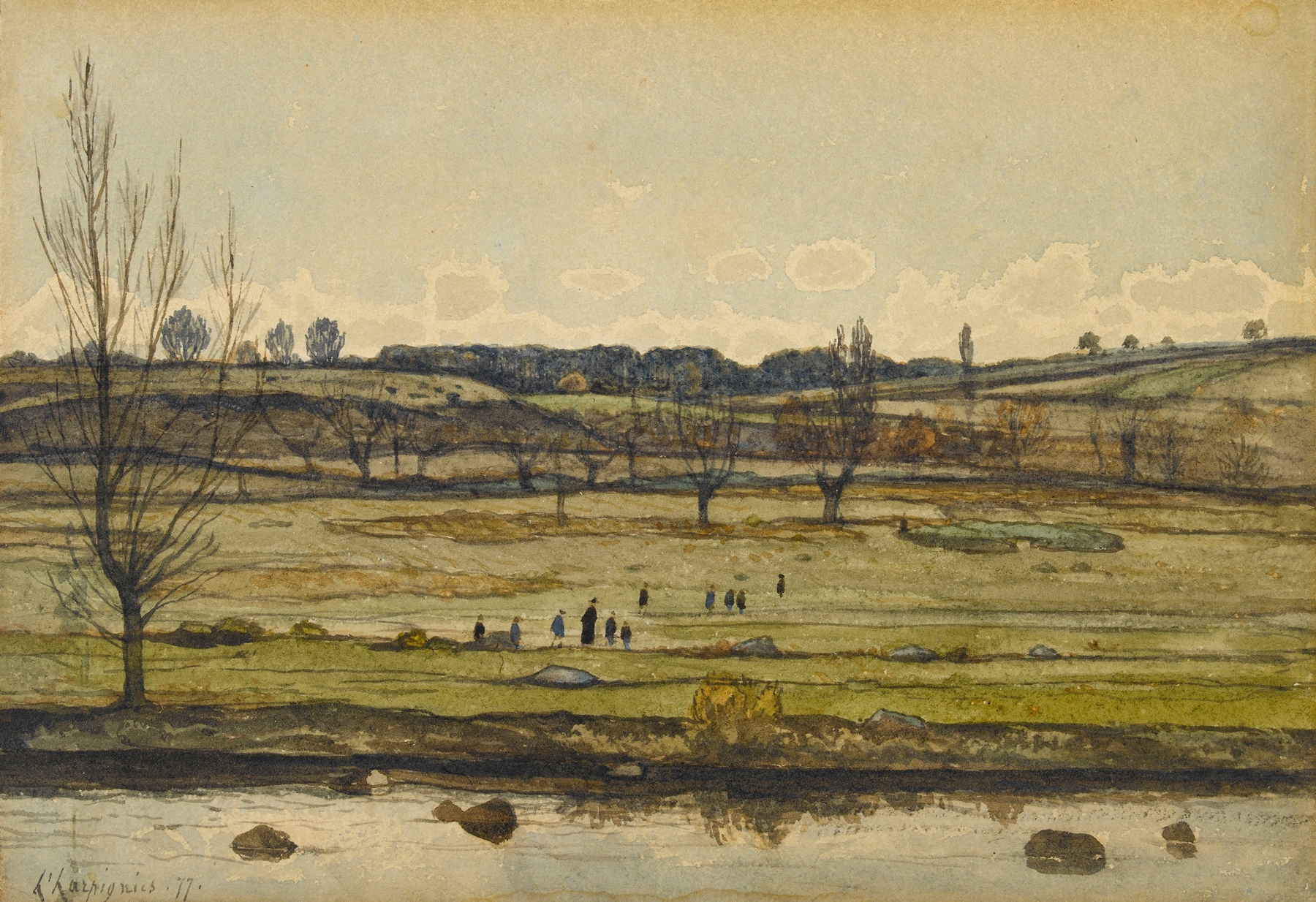
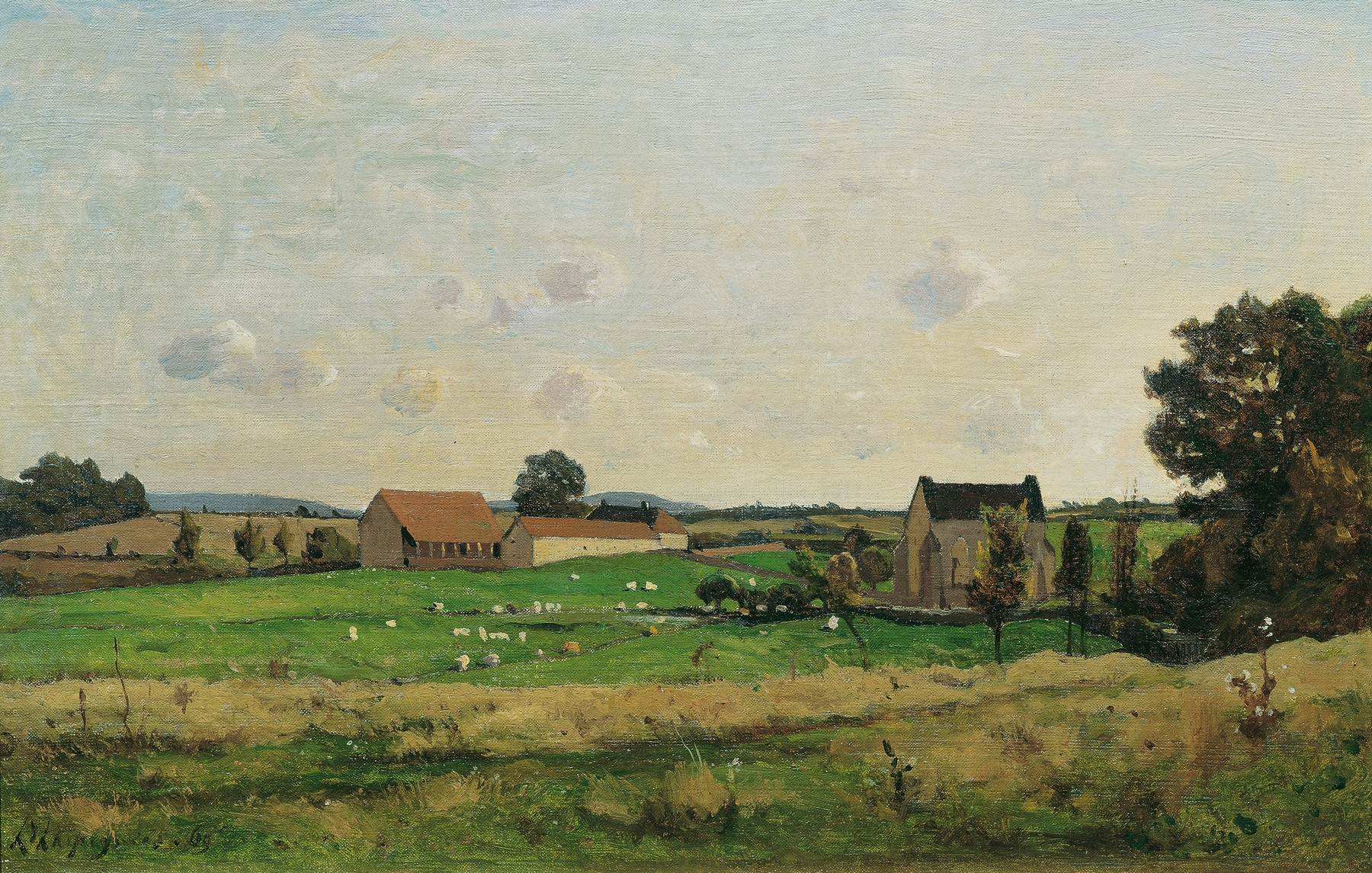
What if silence could speak through light? In Paysage de Saint-Privé, one can almost hear the whispers of nature conveyed through the delicate interplay of colors and shadows. Look to the left at the vibrant greens that dominate the landscape, where sunlight filters through the leaves, bathing the scene in a warm glow. Notice the gentle strokes that create a sense of movement in the trees, as if they sway softly in an unseen breeze. The tranquil river, winding gracefully through the composition, invites the viewer’s gaze to follow its reflective surface, mirroring the sky above.
The subtle layering of hues evokes depth, while the artist's choice of loose brushwork adds an air of spontaneity, capturing a fleeting moment in time. Beneath the serene exterior lies a tension between the stillness of the landscape and the vitality of nature. The contrasting light and shadow speak to the duality of existence—the calmness of the setting juxtaposed with the energy that pulses just beneath the surface. The quiet river serves as a reminder of life's ever-flowing nature, reflecting both serenity and the restorative power of solitude.
This gentle landscape encourages introspection, inviting viewers to contemplate their own moments of peace amid the chaos of life. In 1909, Henri-Joseph Harpignies painted this piece while residing in France, a period marked by a shift towards Impressionism. His work captures the essence of the natural world, reflecting both his personal experiences and the broader artistic movement that celebrated light, color, and the beauty of the outdoors. The art scene was evolving, and Harpignies, with his dedication to plein air painting, played a vital role in this transition, merging emotion with landscape.