Paysage du midi — History & Analysis
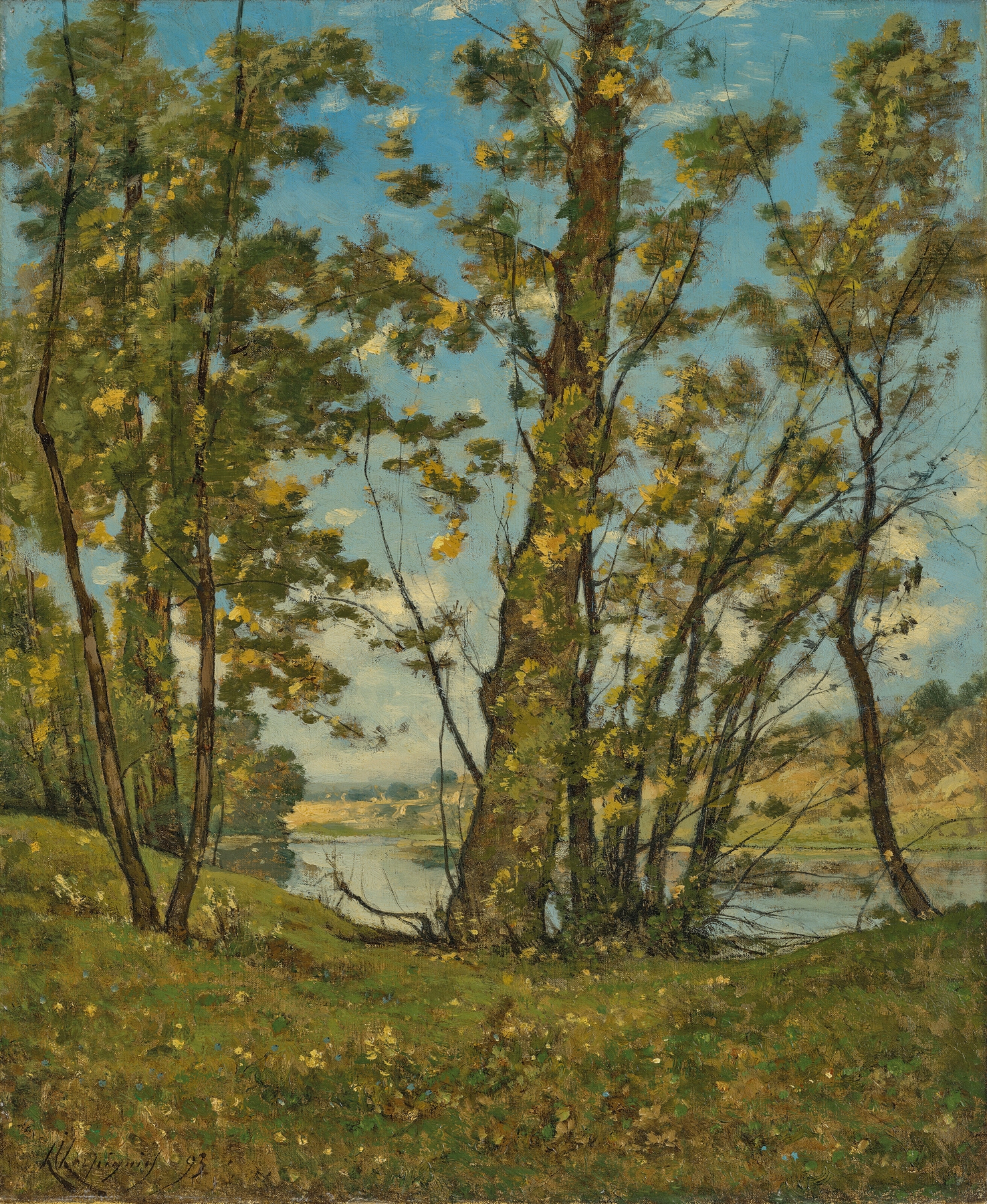
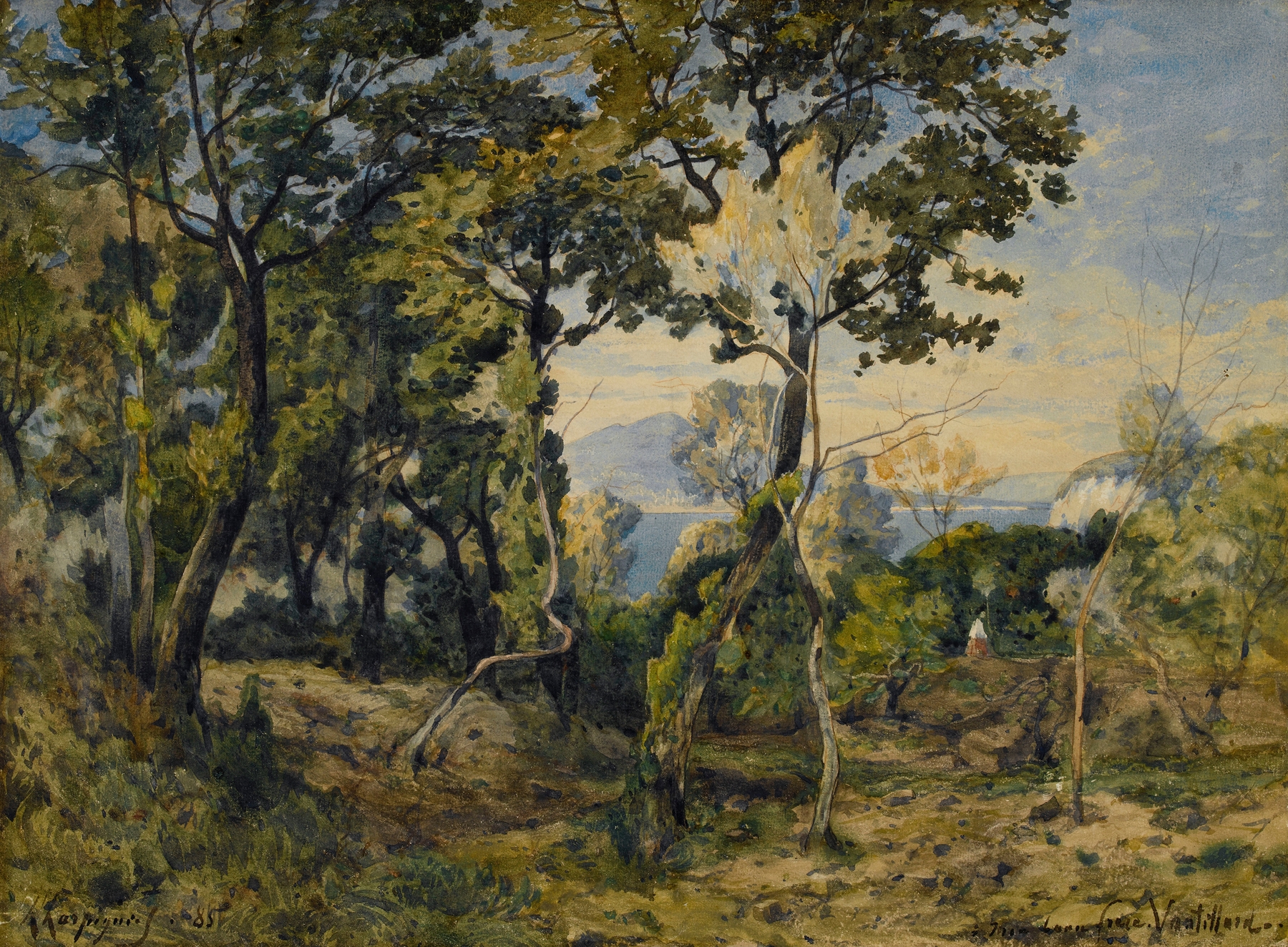
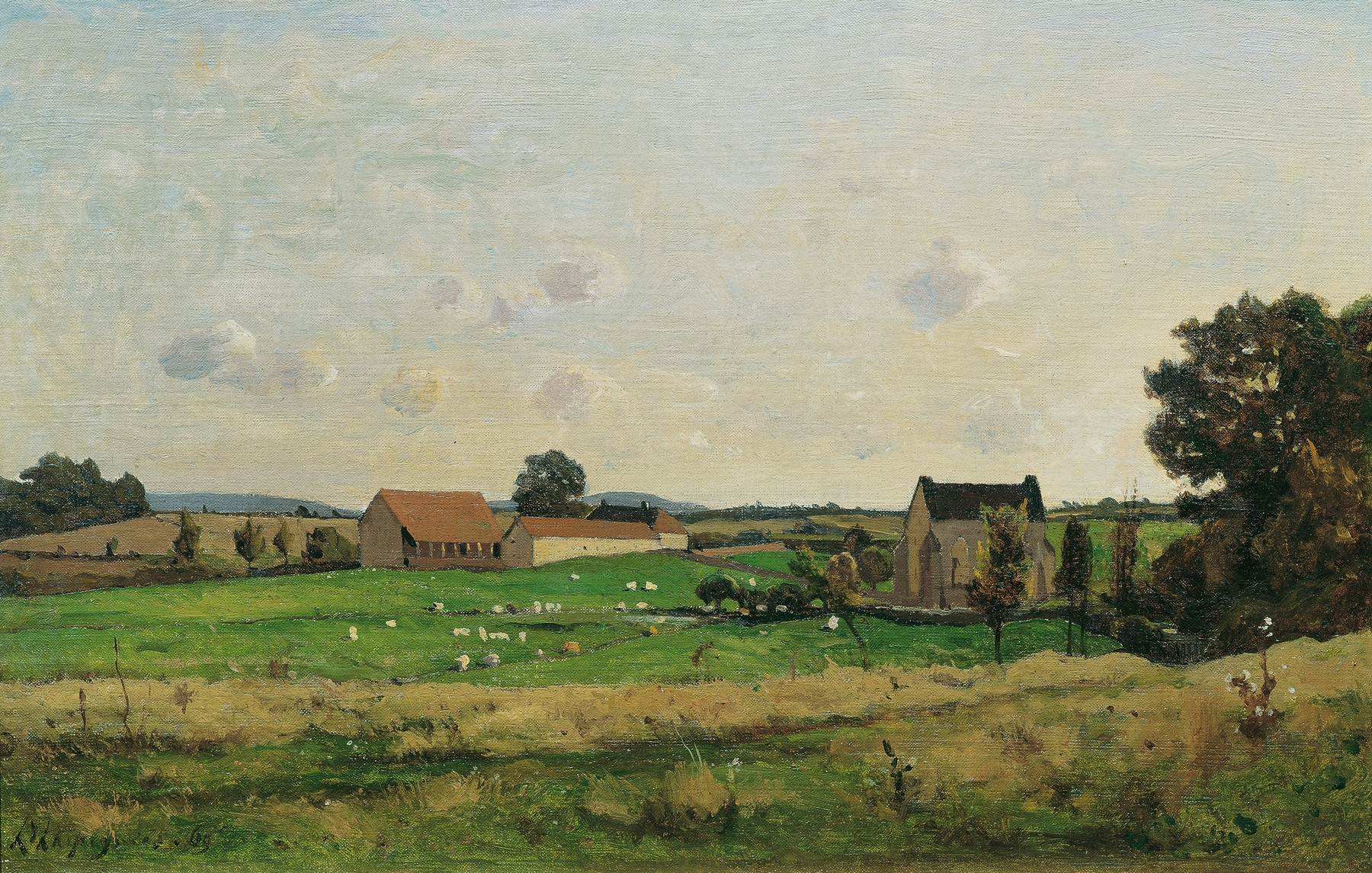
“Every silence here is a confession.” In the quiet embrace of nature, layers of green foliage and distant hills unfold a narrative of longing and betrayal, where the heart’s whispers resonate in the spaces between strokes. Look to the foreground, where a gentle carpet of grass leads the eye toward the horizon. The varied greens, punctuated by splashes of wildflowers, create a tapestry alive with texture and depth. Notice how the dappled sunlight dances across the landscape, revealing the artist’s masterful brushwork.
The blending of soft, warm tones in the sky hints at the day’s approach, a transition from light to darkness that evokes a sense of inevitability. As the eye travels deeper into the scene, stark contrasts emerge. The tranquility of rural life is palpable, yet an undercurrent of tension hides within the beauty. The serene landscape suggests peace, yet it silently confronts the viewer with unspoken memories—perhaps of a love lost or unfaithfulness.
Each brushstroke captures the delicate interplay between innocence and the shadows lurking beneath, embodying a bittersweet tale of what is left unsaid. During the summer of 1883, Harpignies, influenced by the Barbizon school, painted this enchanting landscape near the south of France. This period marked a significant development in his artistic journey, as he sought to capture the natural world with an emotional depth that transcended mere representation. As he embraced the Impressionist movement’s ideals, he infused his landscapes with light and feeling, solidifying his place within a rapidly evolving art world.