Pejzaż miejski (Esplanade des Invalides) — History & Analysis
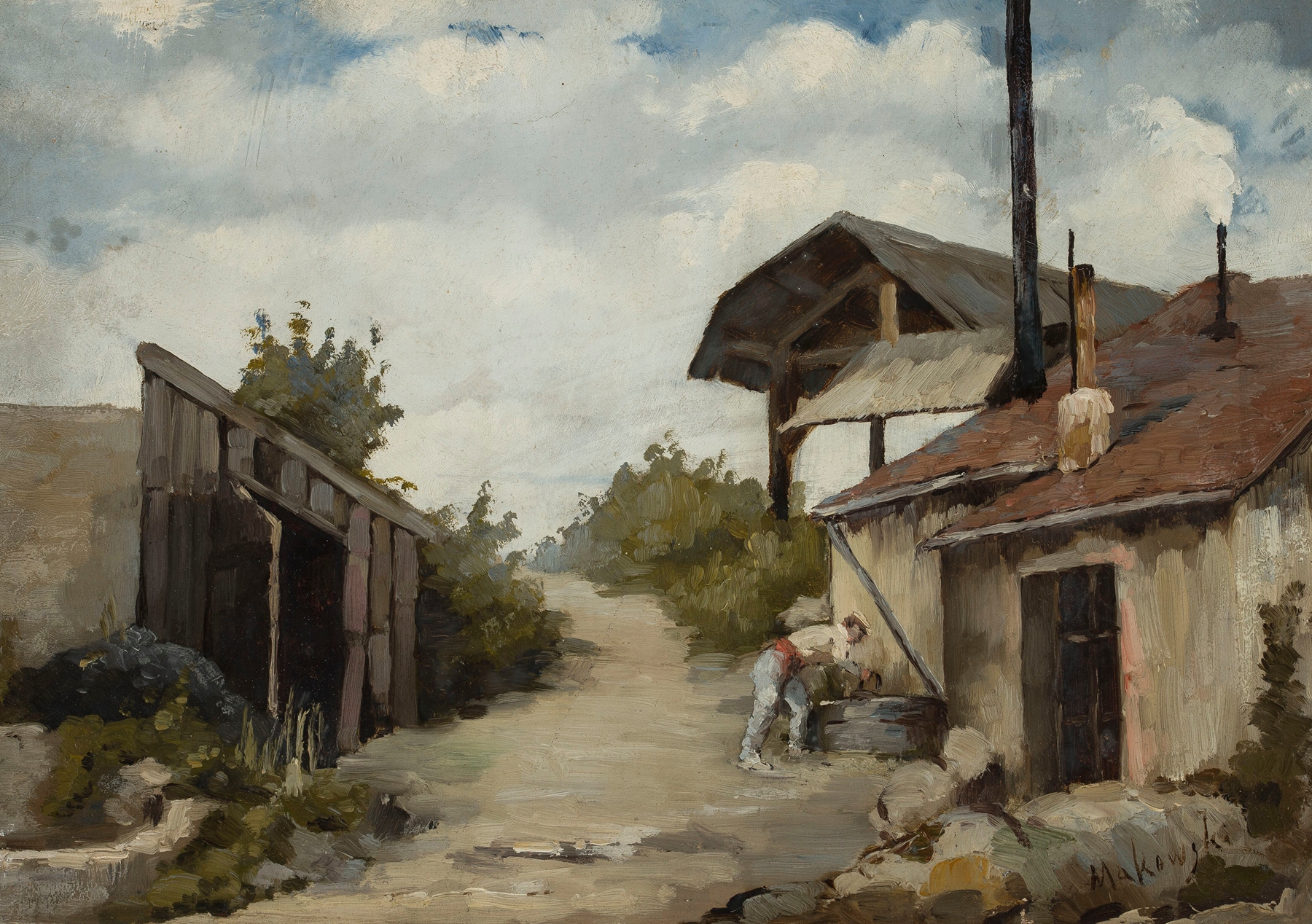
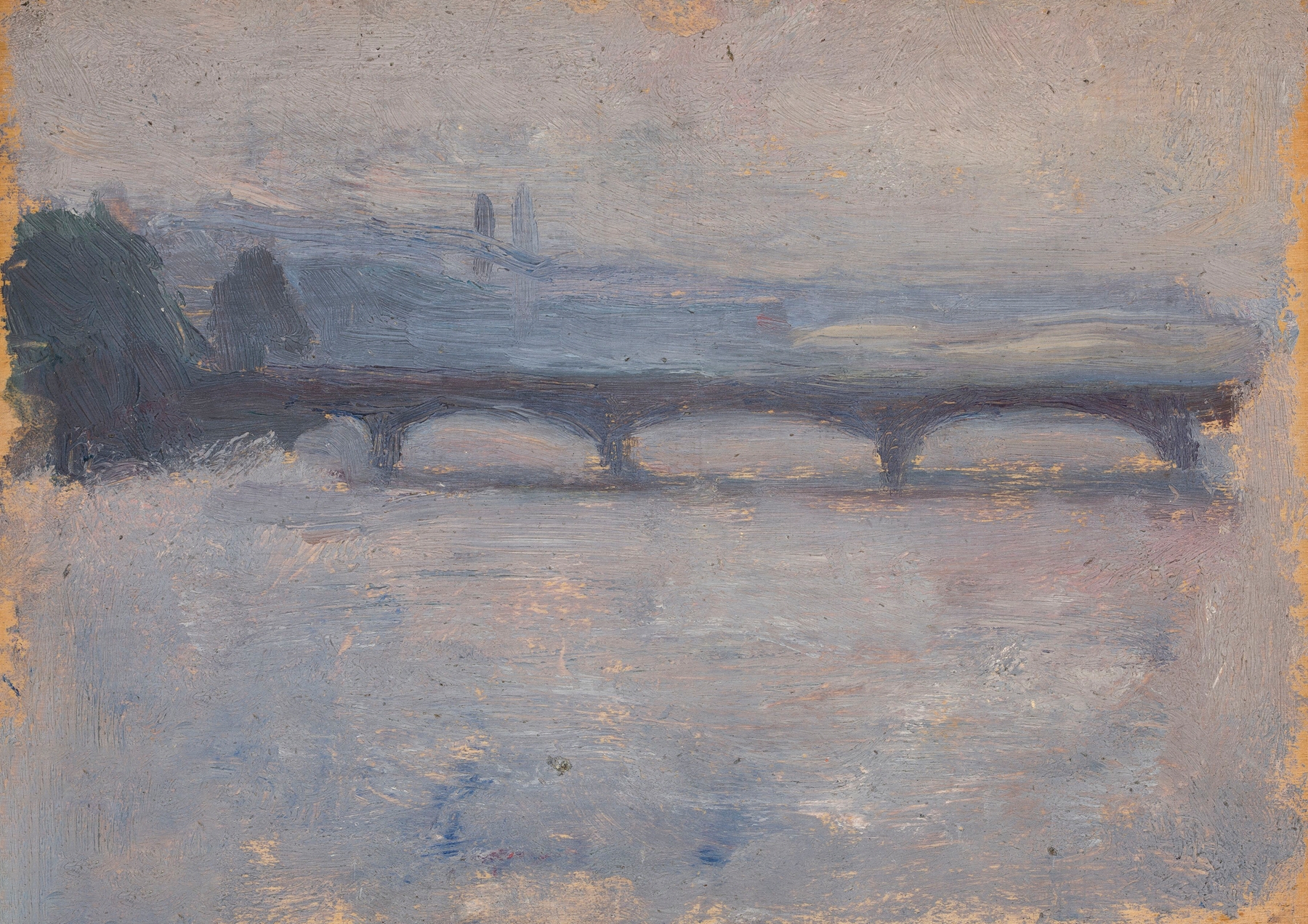
“Every brushstroke is a heartbeat remembered.” In Pejzaż miejski (Esplanade des Invalides), a world unfolds, steeped in longing and desire, where the canvas breathes with the pulse of urban life. Look to the left at the vibrant strokes of green and ochre that vibrate with the energy of the city. The contrast of light and shadow dances across the figures, emphasizing the intimacy of their interactions against the imposing backdrop of the Invalides. The painter utilizes bold, expressive lines, drawing the viewer's eye towards the central gathering of people, encapsulating a moment of both camaraderie and solitude.
The layering of colors hints at the bustling life of Paris, where each hue evokes an emotional resonance that transcends mere representation. Yet, beneath this lively façade lies an intricate tapestry of emotional complexities. The figures, while engaged with one another, seem to yearn for connection, a reminder of the fleeting nature of relationships in a rapidly changing world. The juxtaposition of the serene architectural lines of the Invalides against the animated crowd creates a tension that speaks to the dichotomy of urban life—one that is both exhilarating and isolating.
Every detail, from the positioning of bodies to the interplay of colors, serves as a silent witness to the desires that ebb and flow within the human experience. In 1908, Tadeusz Makowski was immersed in the vibrant Parisian art scene, drawn to the modernity and dynamism of the city. Having moved from Poland, he was influenced by the Post-Impressionist movement, capturing the essence of urban life while navigating his own artistic identity. This work emerged during a time of personal exploration and profound change, reflecting not only the city’s pulse but also his own deep-seated desires for connection and belonging.