Pigeon Tower — History & Analysis
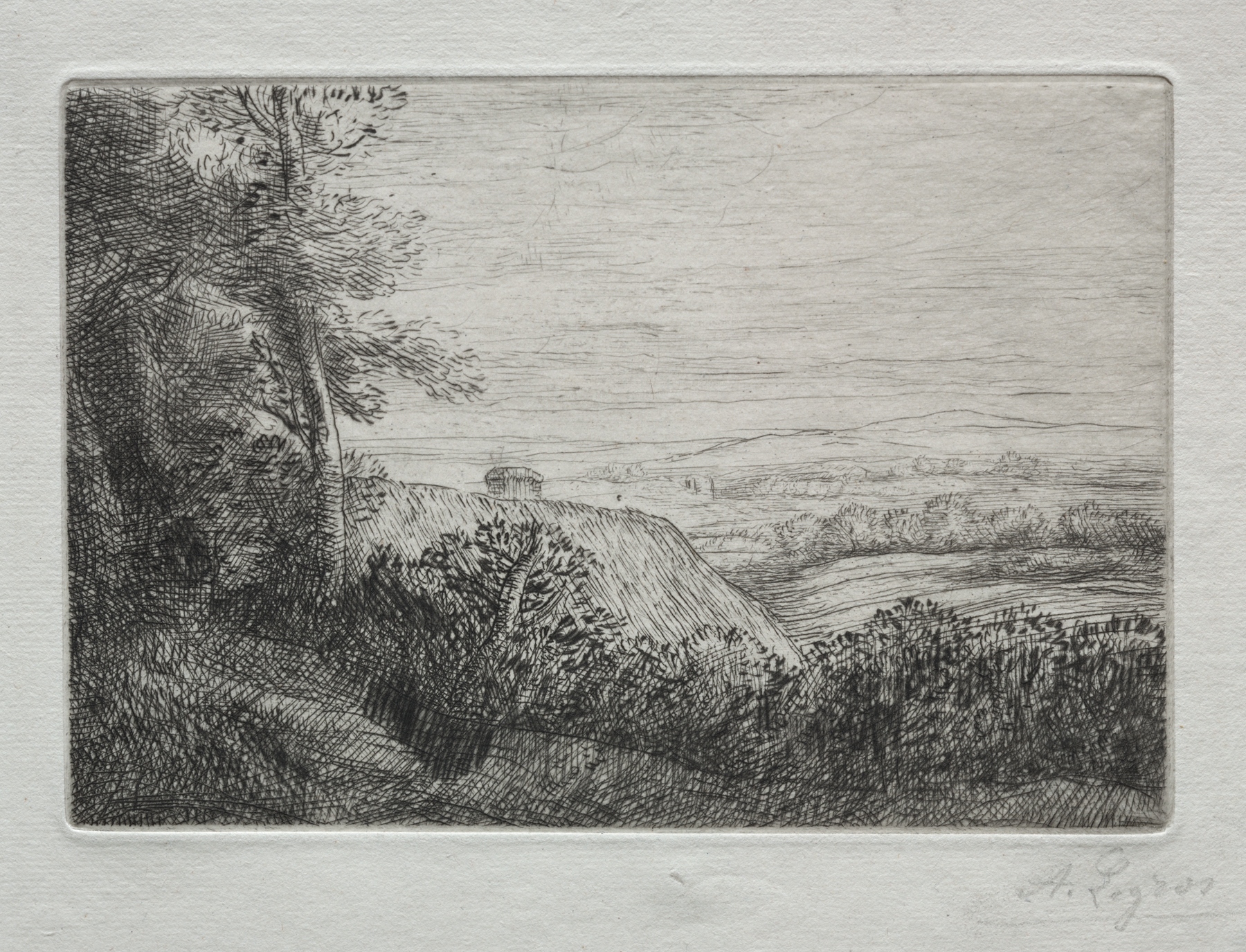
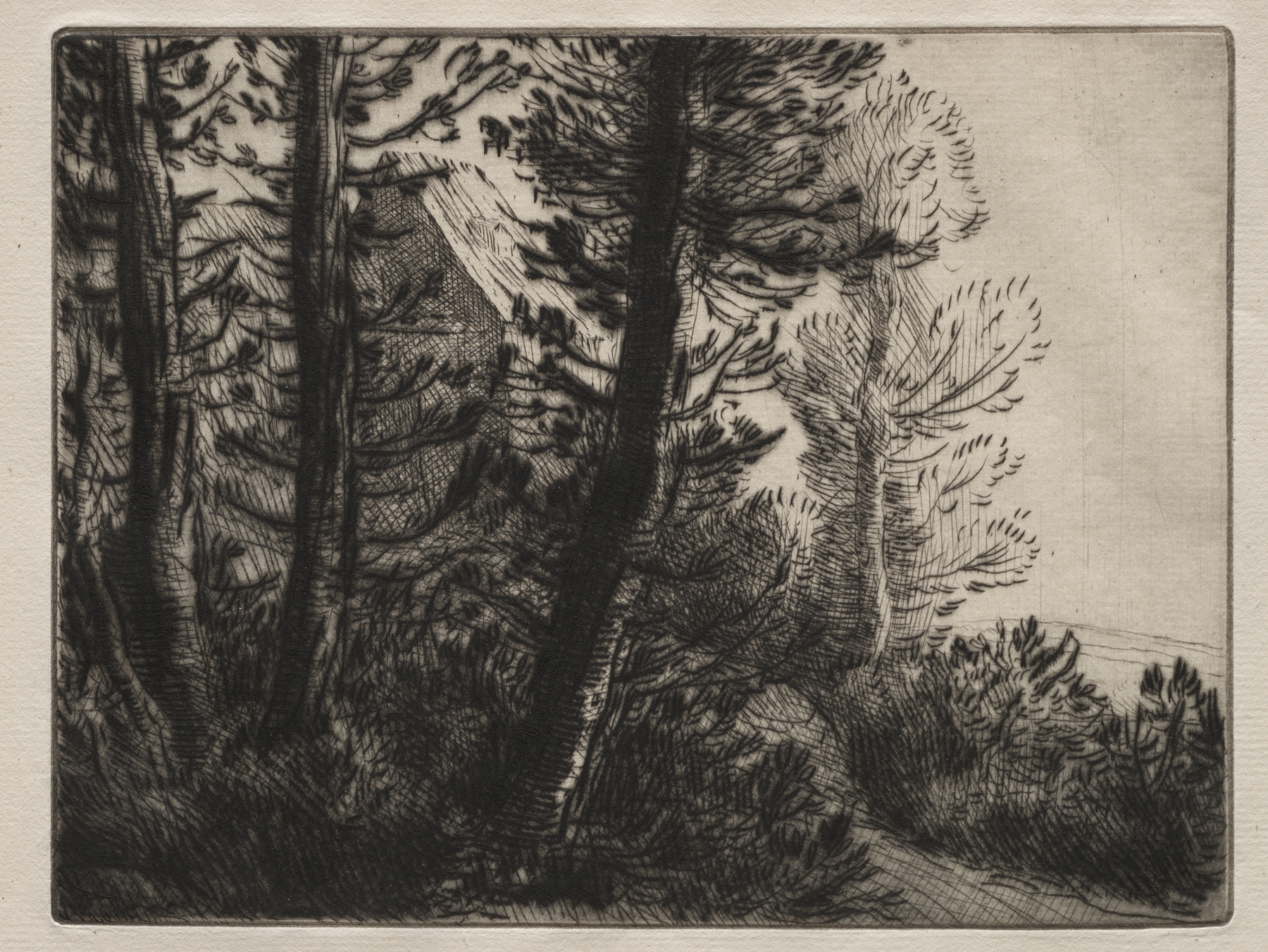
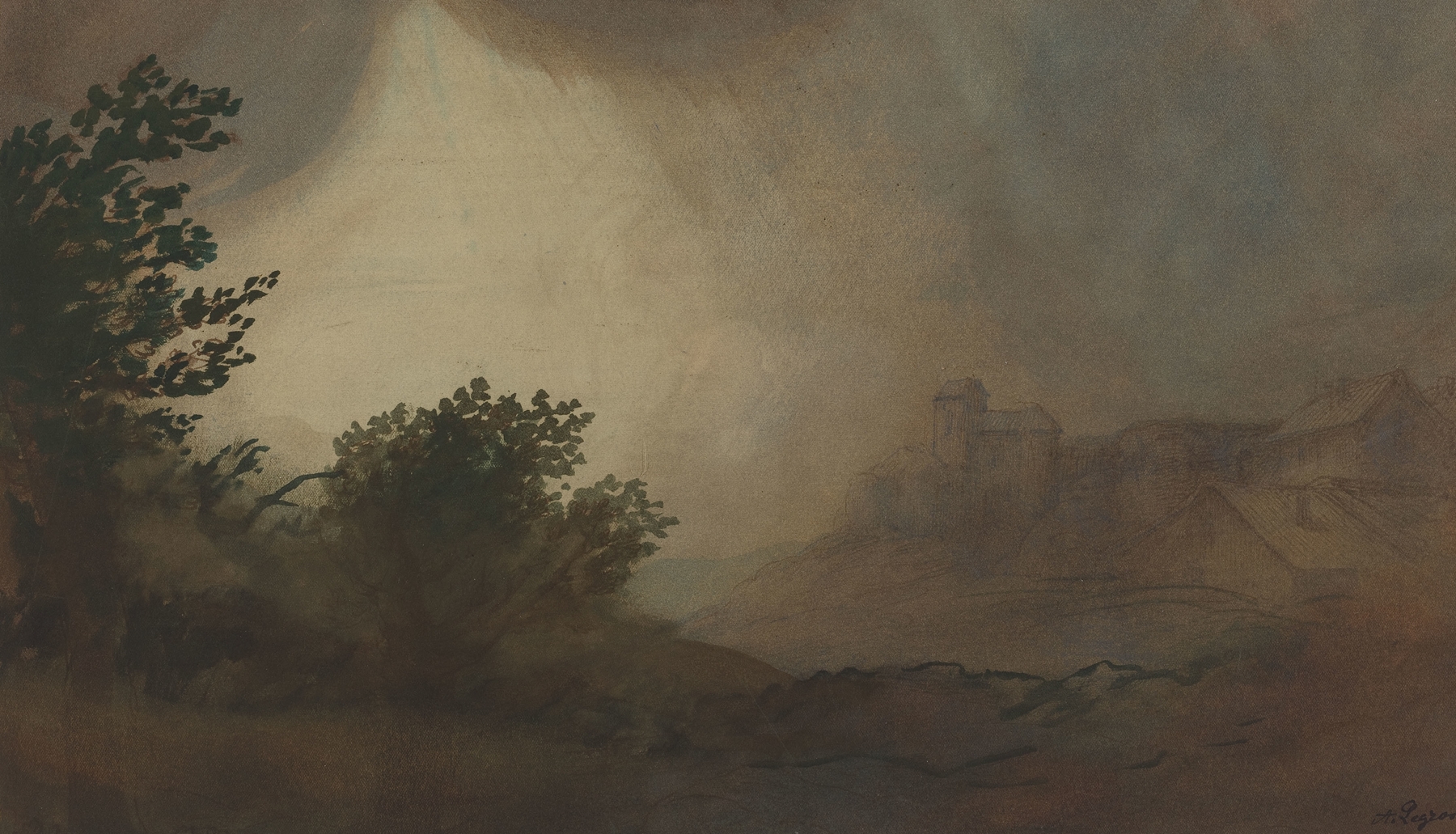
“Sometimes beauty is just pain, disguised in gold.” What do we seek in the ruins of our past? In Pigeon Tower, a hauntingly beautiful structure emerges from the shadows, inviting us to contemplate both its history and our own. Look to the center of the canvas where the tower stands resolute, its weathered bricks a tapestry of time. The soft golden hues wash over the structure, illuminating its worn texture and creating a poignant contrast against the muted sky. Notice the subtle play of light and shadow; the pale clouds hover above, hinting at the emotions that linger around this forgotten monument.
The deliberate composition draws our eyes upward, suggesting aspiration amidst decay—a promise of hope woven into the fabric of its existence. Yet, the tower encapsulates a deeper narrative—a juxtaposition of solitude and resilience. Each window seems to whisper stories untold, while the surrounding landscape, sparse and desolate, evokes a sense of abandonment. In this stillness, we find a poignant reminder of life's transience, where hope persists even in the face of loss.
The tower becomes a symbol, standing defiant against time, urging us to find beauty in the remnants of what once was. Alphonse Legros painted Pigeon Tower between 1857 and 1911, during a period when he was immersed in the artistic movements of the time. Living in England after leaving France, he explored themes of nature and history, often reflecting on the passage of time. The industrial age loomed, profoundly impacting art and society, and his work resonates with the nostalgia for a simpler past, capturing the essence of both beauty and melancholy.