Pirna; The Obertor from the South — History & Analysis
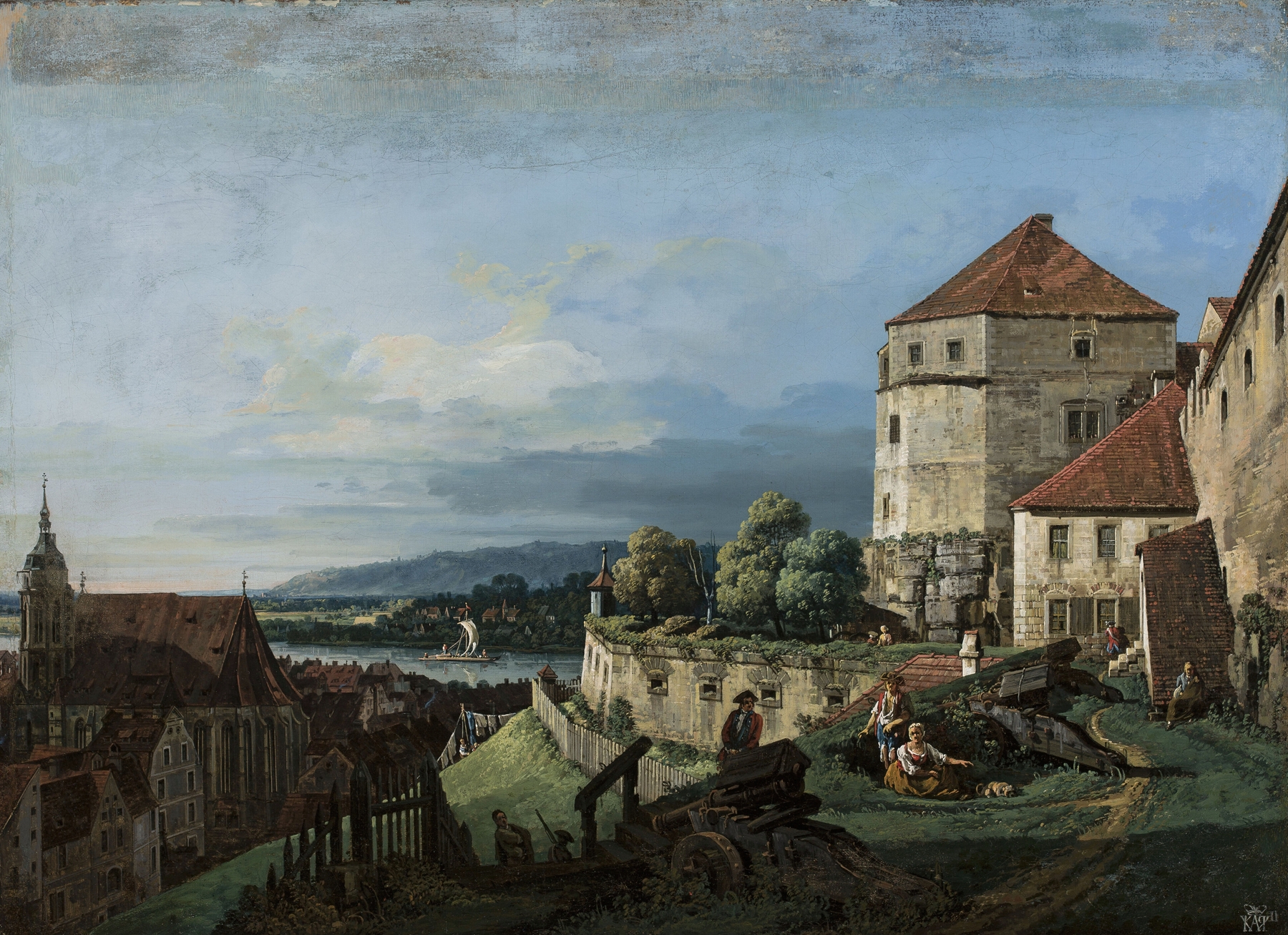
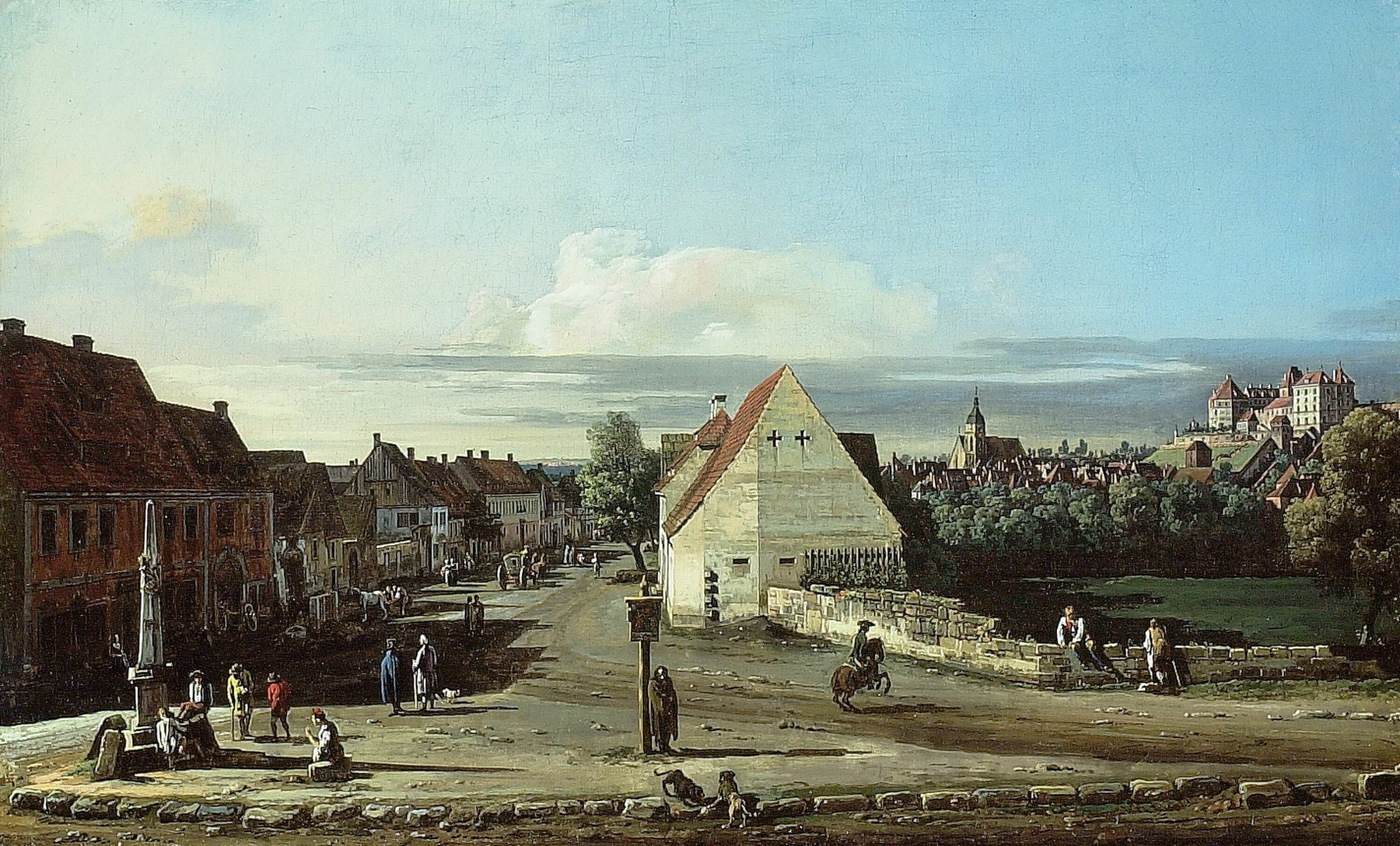
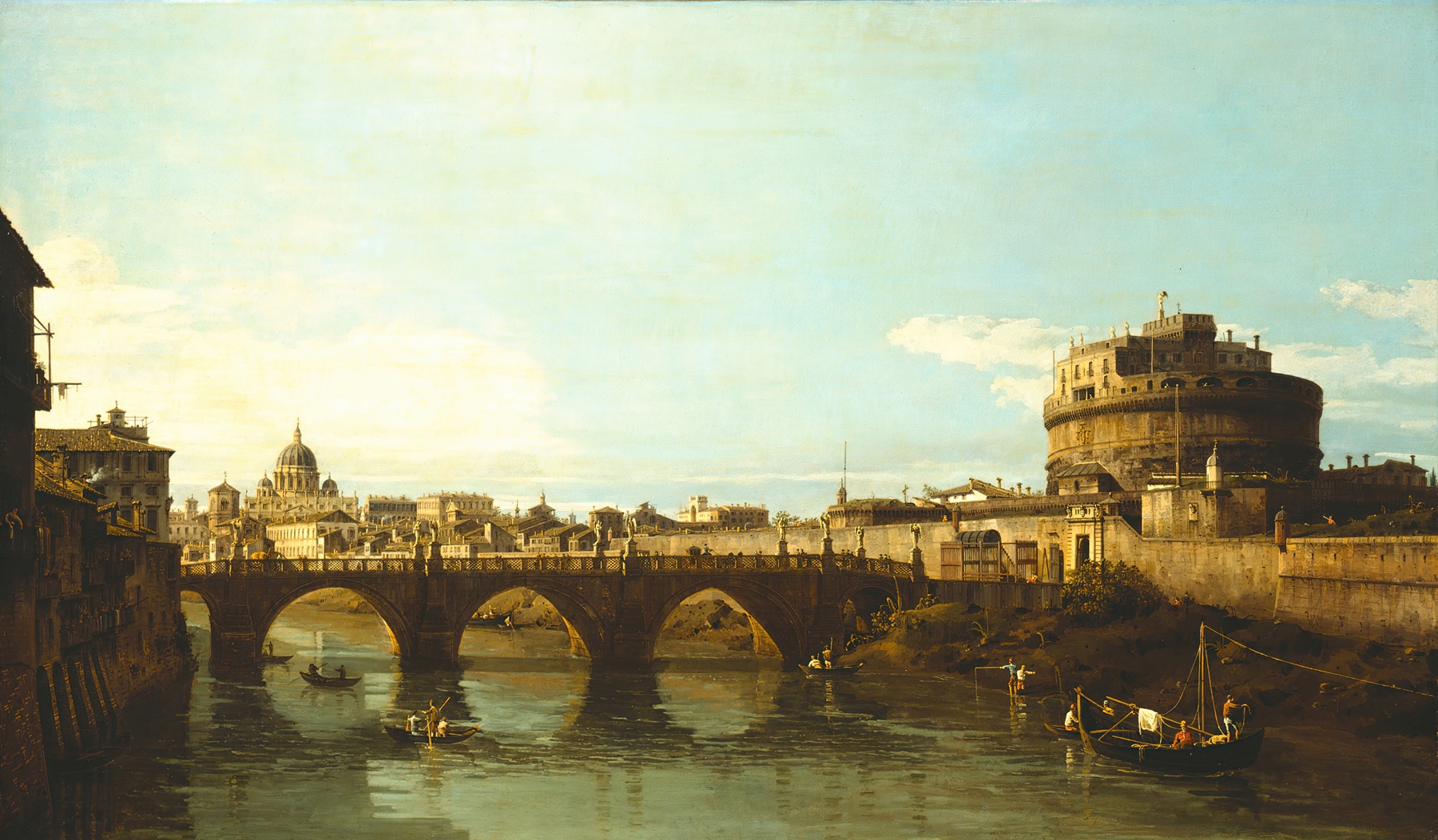
“Art reveals the soul when the world turns away.” In the stillness of a painted moment, conflict simmers beneath the surface of beauty—a silent witness to the violence that shapes history. Look to the left, where the Obertor stands tall against the delicate blue sky. The ancient structure looms over a bustling market scene, inviting the viewer's eye to trace the intricate architectural details carved into its weathered stone. Notice how light dances across the cobblestones, illuminating the vibrant colors of vendors’ wares, their energy contrasting with the gloom of the looming tower.
Each brushstroke carries not just the scene, but the whispers of desperation in a society on the brink. Beneath the surface, the artwork reveals deeper tensions. The tranquil marketplace, abuzz with activity, juxtaposes starkly against the formidable gate—a symbol of protection that also embodies the threat of war. A fleeting glimpse of a soldier in the background serves as a subtle reminder of the potential violence lurking just outside the frame.
The chaos of trade contrasts sharply with the ominous presence of the Obertor, reflecting a community caught between prosperity and peril. Bernardo Bellotto painted this scene in the mid-1750s while residing in Dresden, a period marked by political strife and the aftermath of the Silesian Wars. As an artist influenced by his uncle Canaletto, he sought to capture the essence of urban life while navigating the complex realities of his time, where the beauty of a city was often intertwined with the specter of violence that lay just beyond its streets.