Pisa — History & Analysis
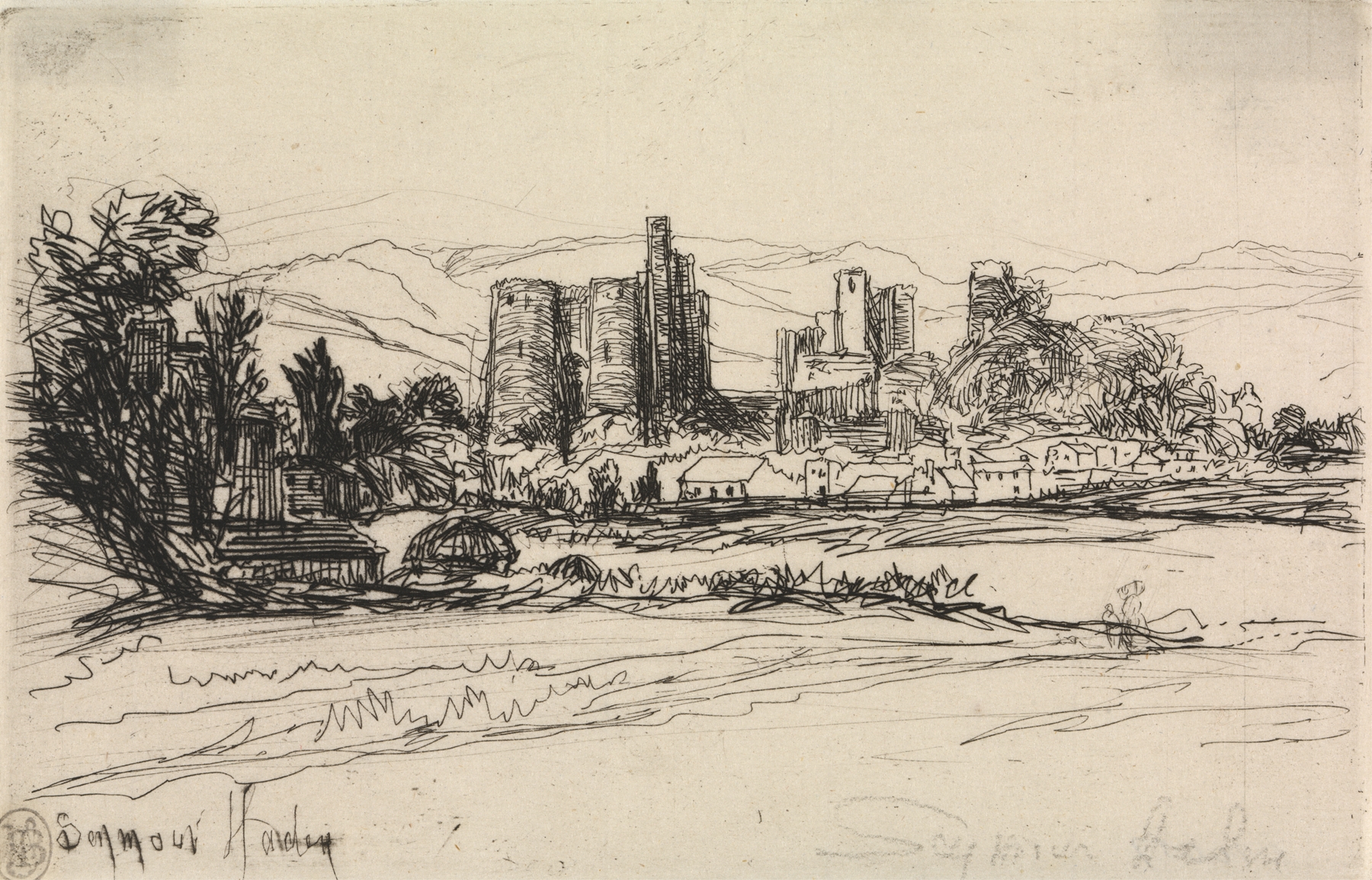
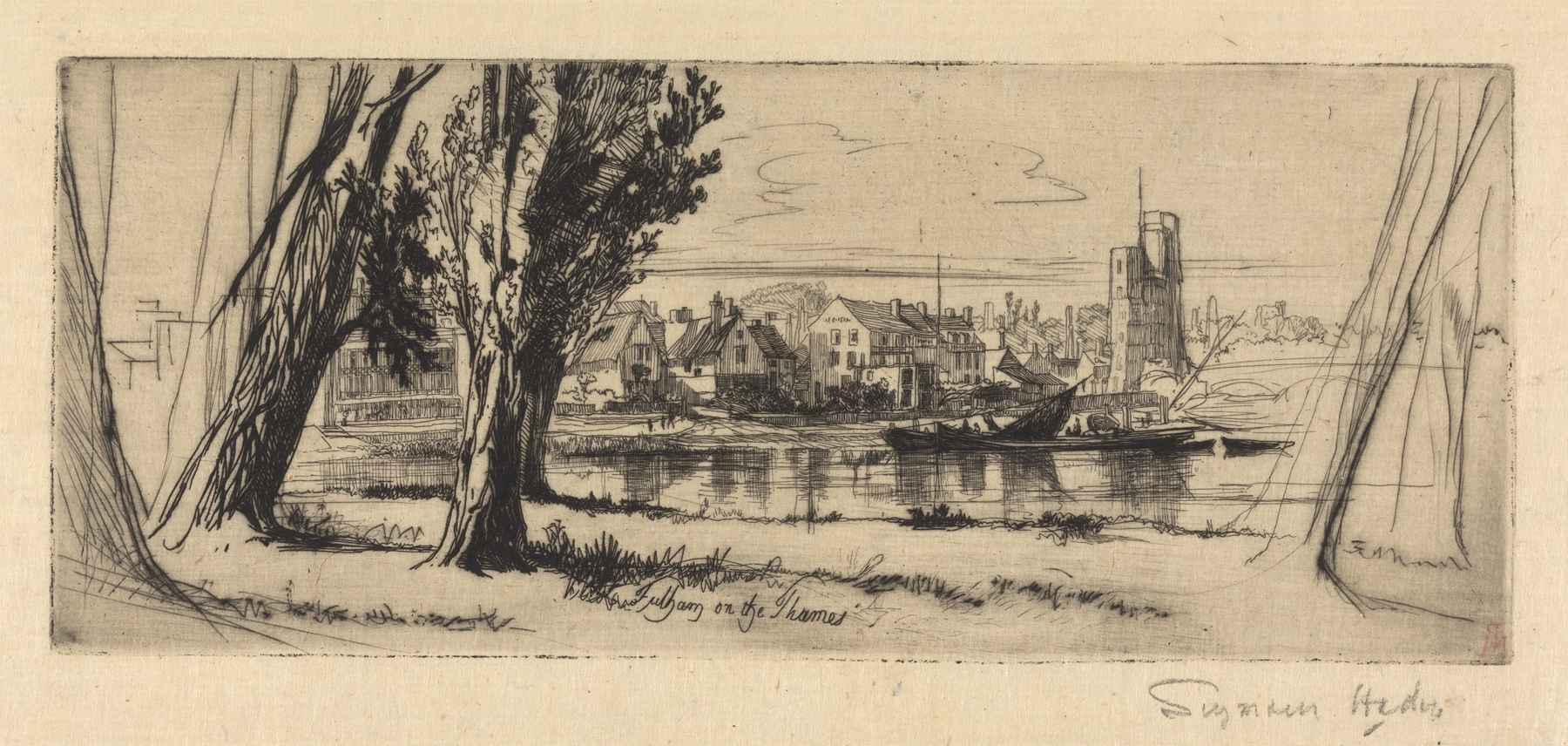
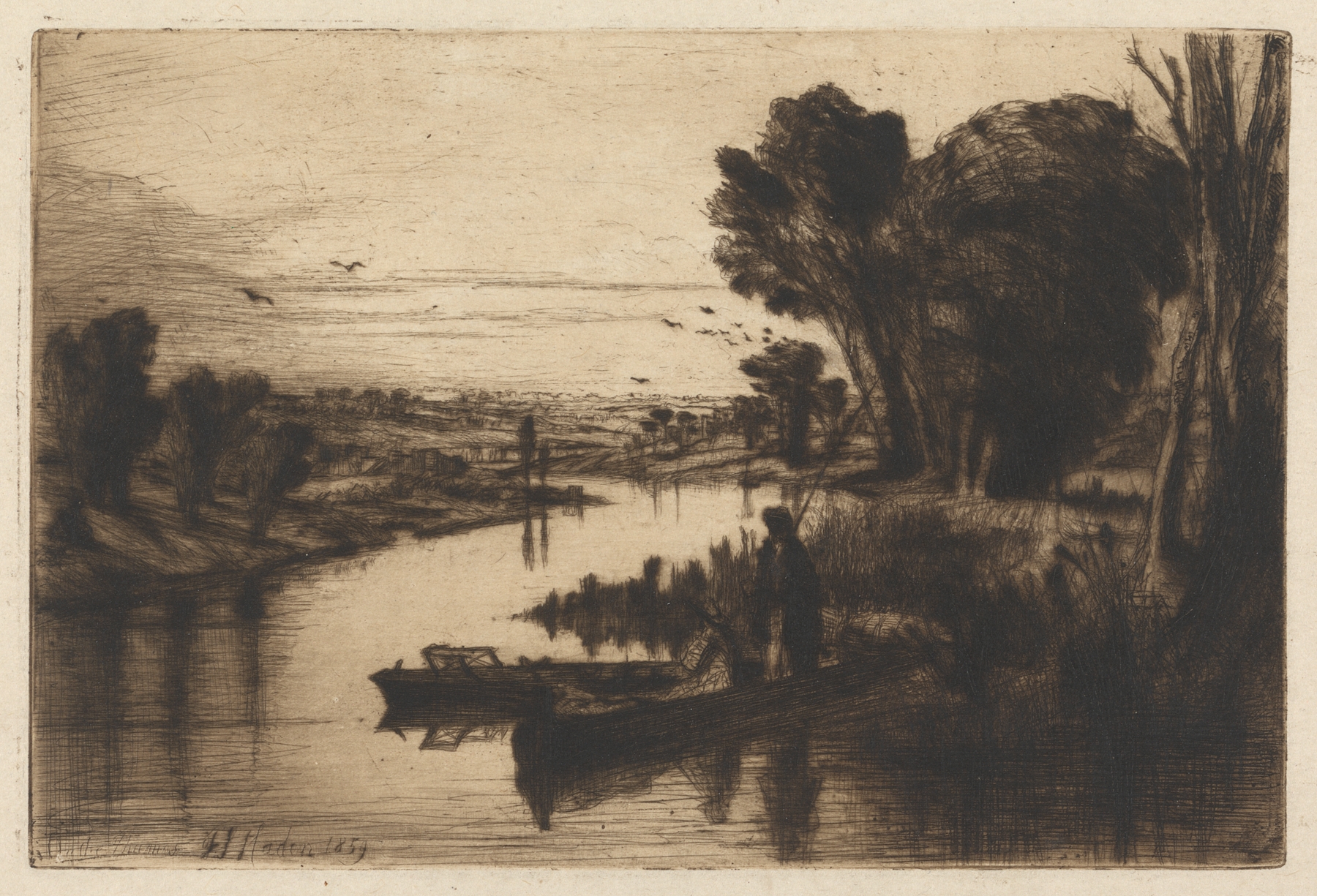
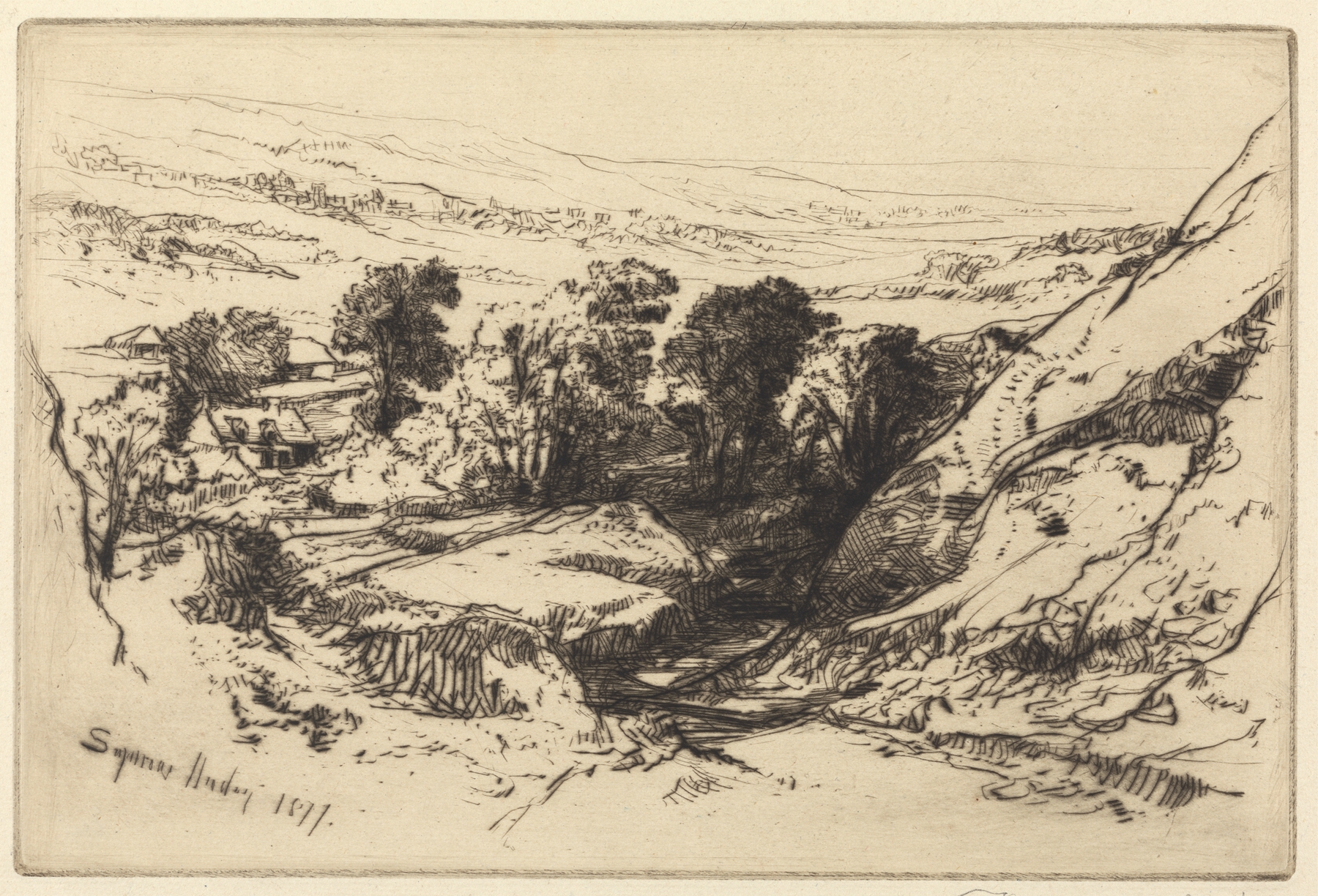
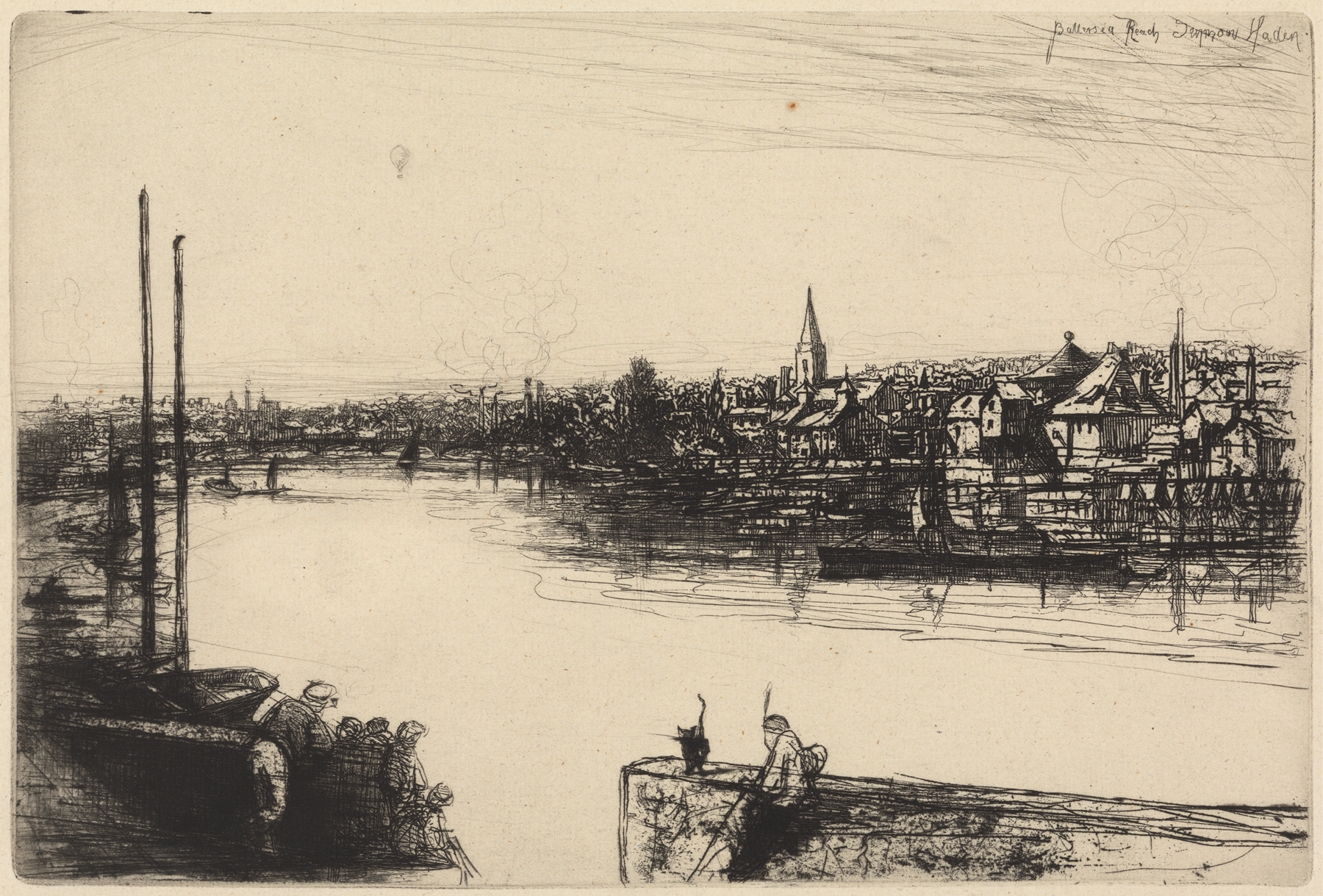
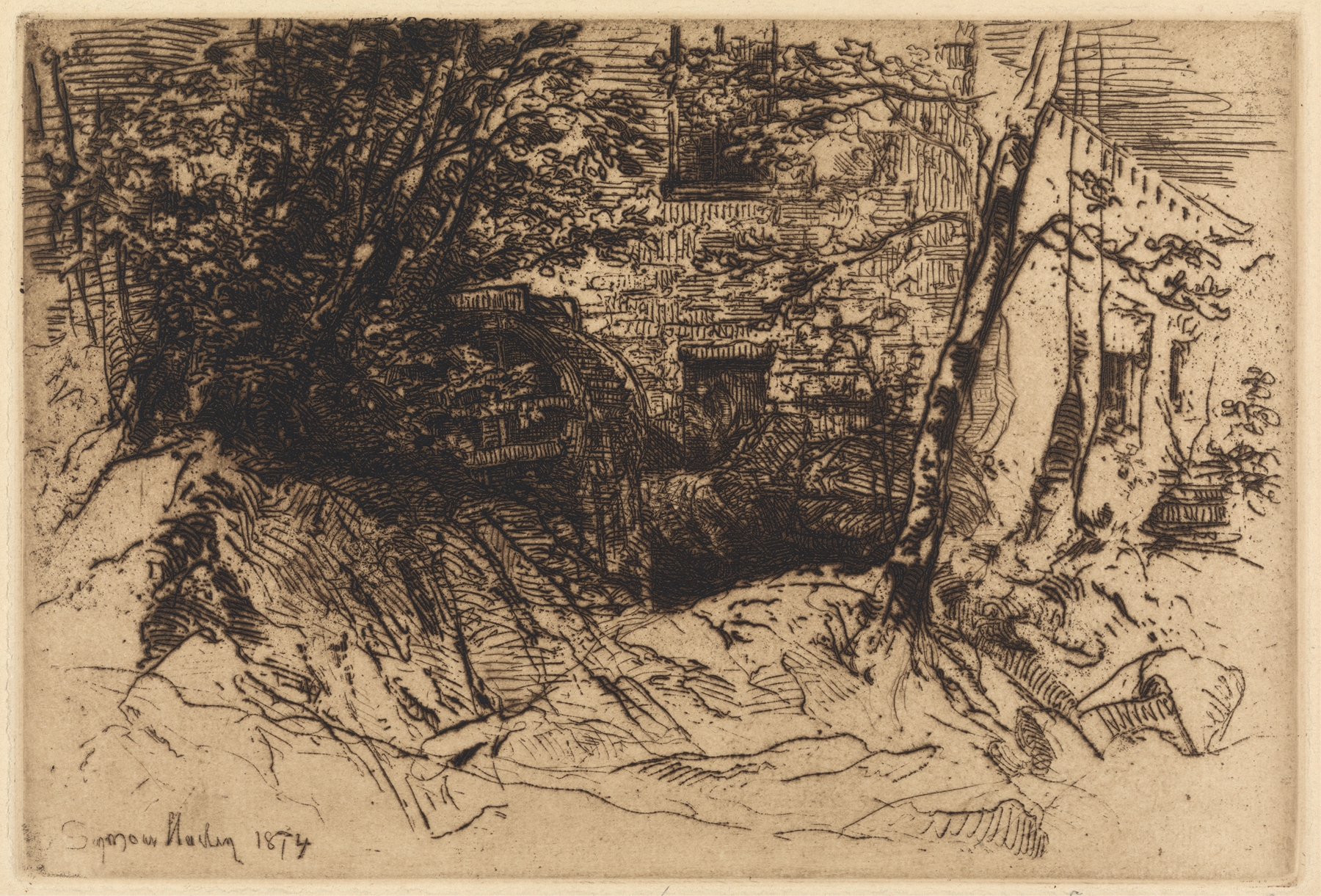
“Every silence here is a confession.” In the stillness of a moment captured on paper, beauty unfurls not merely as a visual delight but as an invocation of deeper truths waiting to be unearthed. Look closely at the intricate engraving; your gaze should first settle on the commanding figure of the Leaning Tower of Pisa. Its tilted silhouette rises proudly against a delicate sky, both majestic and fragile, evoking the tension of triumph over time. The subtle interplay of shadows and light breathes life into the scene, while the fine lines etched by the artist exemplify not only technical skill but also emotional depth, allowing the viewer to wander between reality and reverie.
Within this work lies a profound contrast: the solidity of the tower juxtaposed against the ethereal beauty of the surrounding landscape. The tower's precarious stance reflects humanity's struggle against nature's whims, inviting viewers to ponder the fragility of existence. Each detail, from the graceful arches to the gentle ripples in the water below, serves as a reminder of the transient nature of beauty — it beckons and eludes, always just out of grasp.
During the years 1843 to 1844, the artist found himself immersed in a world that revered the classical while challenging the emerging modern. Living in the vibrant art scene of Victorian England, Haden produced Pisa during a period marked by a burgeoning interest in etching, a medium that allowed for both detailed representation and heartfelt expression. This artwork stands as a testament to his mastery and a reflection of an era where beauty was heralded in silence.