Place du Théâtre Français, Paris; Rain — History & Analysis
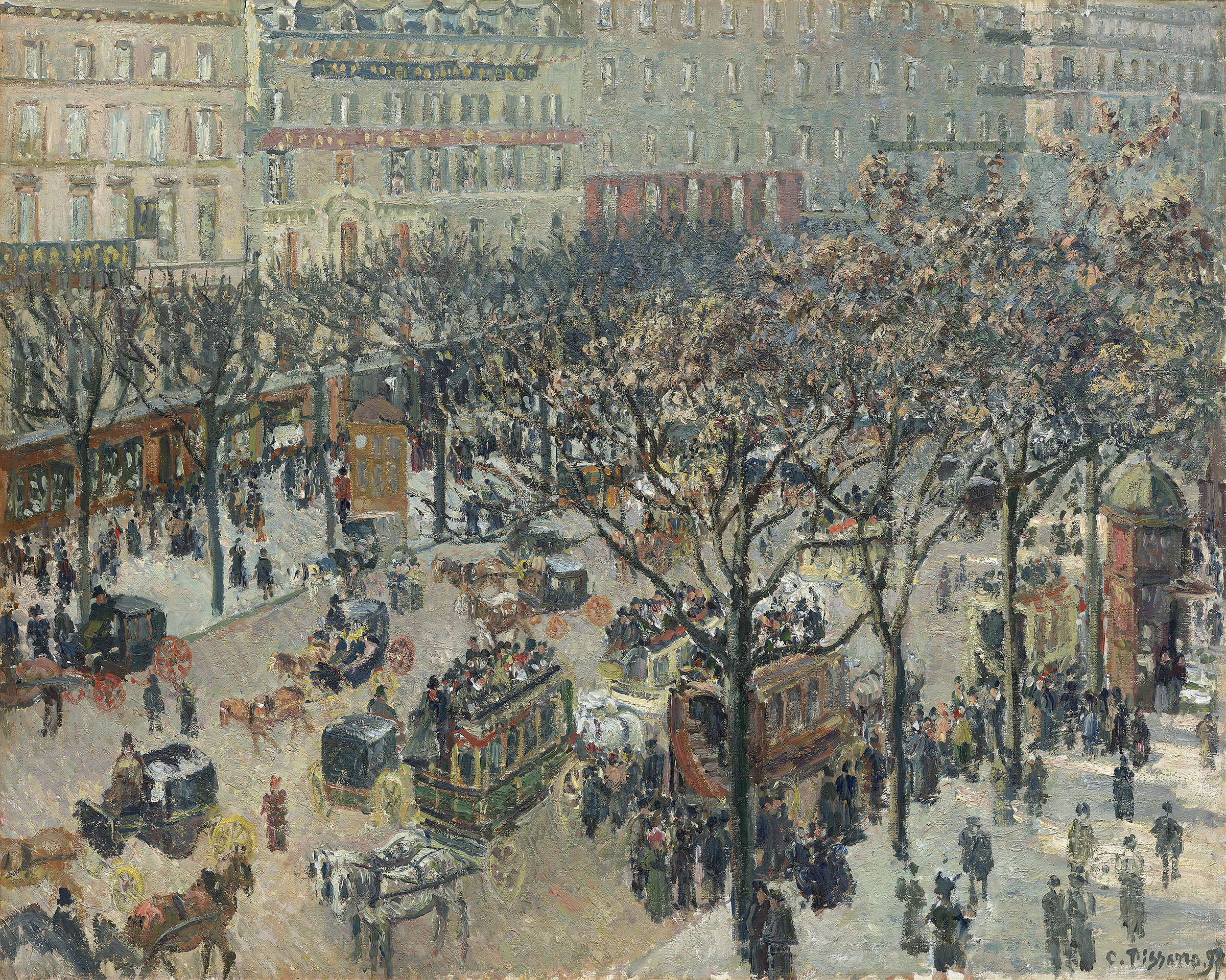
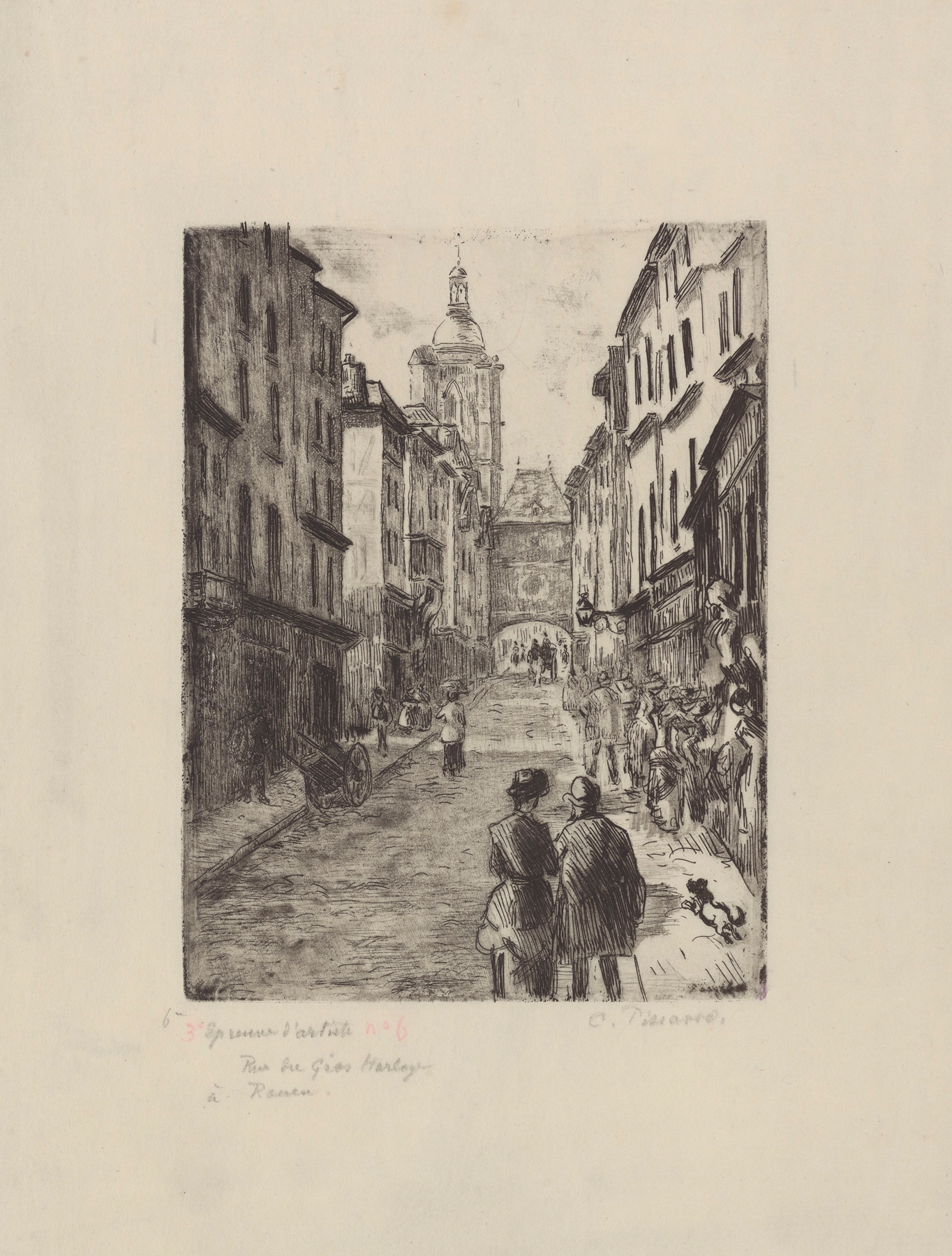
Could beauty survive in a century of chaos? The question lingers as we gaze upon the canvas, where innocence dances delicately amidst urban turmoil. Look to the left at the figures huddled beneath umbrellas, their silhouettes softened by the gentle haze of rain. Notice how the muted palette of grays and blues conveys a sense of serenity, contrasting sharply with the bustling Parisian scene. The brushstrokes are fluid and expressive, creating a rhythmic movement that captures the rain-soaked atmosphere while inviting a reflective pause.
Each stroke seems to breathe life into the cobblestone streets, allowing the viewer to experience the interplay of light filtering through the clouds. Peering closer, we uncover a myriad of emotional tensions. The juxtaposition of the blurred figures against the stark architecture reflects the anonymity of city life, hinting at a loss of identity within the crowd. Meanwhile, the vibrant pops of color in the umbrellas evoke a sense of hope, suggesting that not even the heaviest rain can dampen the spirit of human connection.
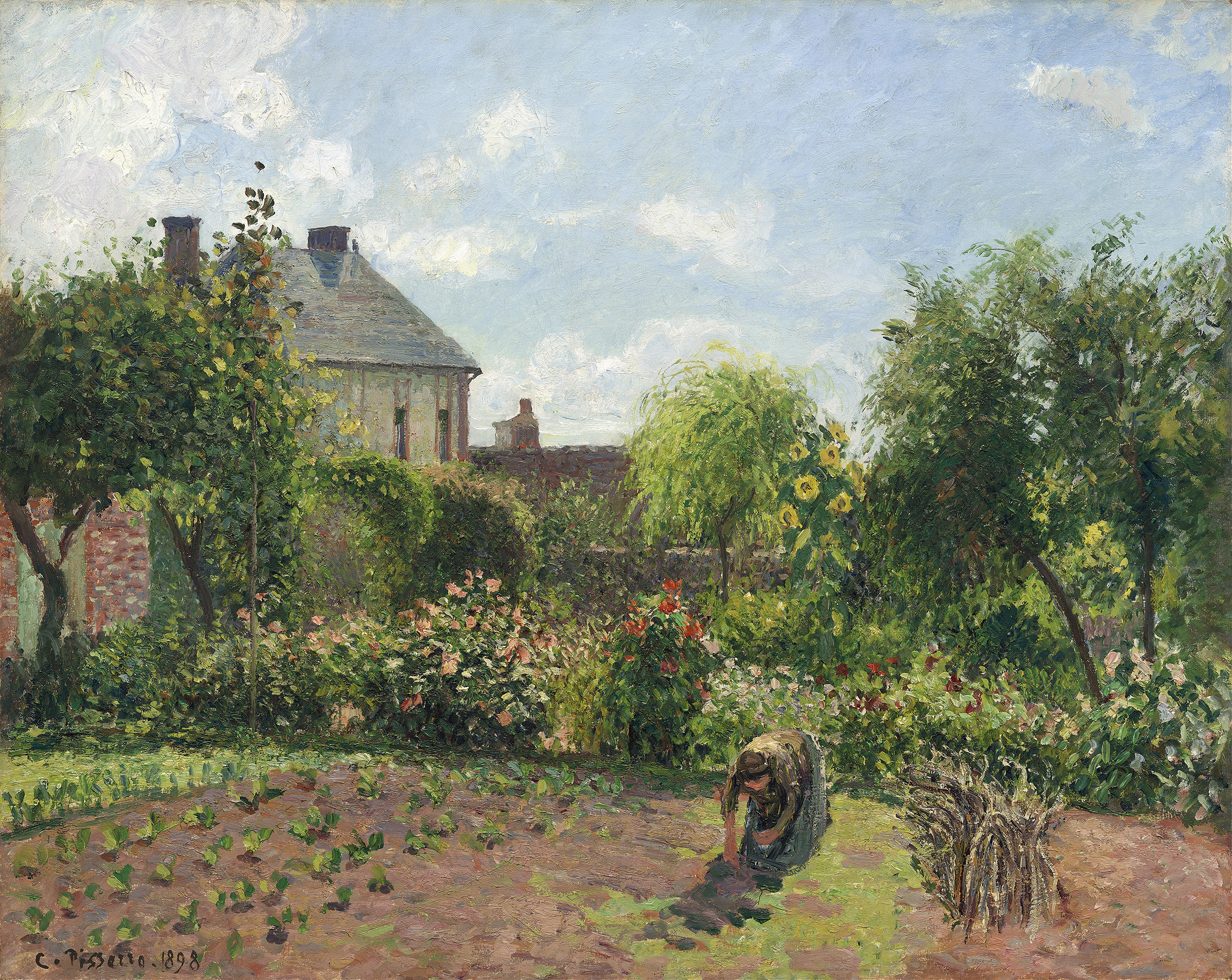
This duality of beauty and chaos resonates profoundly, reminding us of the fragility of innocence in an increasingly complex world. In 1898, while living in Éragny, the artist captured this scene during a period when Paris was undergoing significant transformations, both socially and politically. Pissarro, a pioneer of Impressionism, was deeply engaged in exploring the effects of modernity on everyday life. At this time, he sought to convey the soulful essence of ordinary moments, infusing them with layers of meaning that still resonate today.