Pont Aberglaslyn — History & Analysis
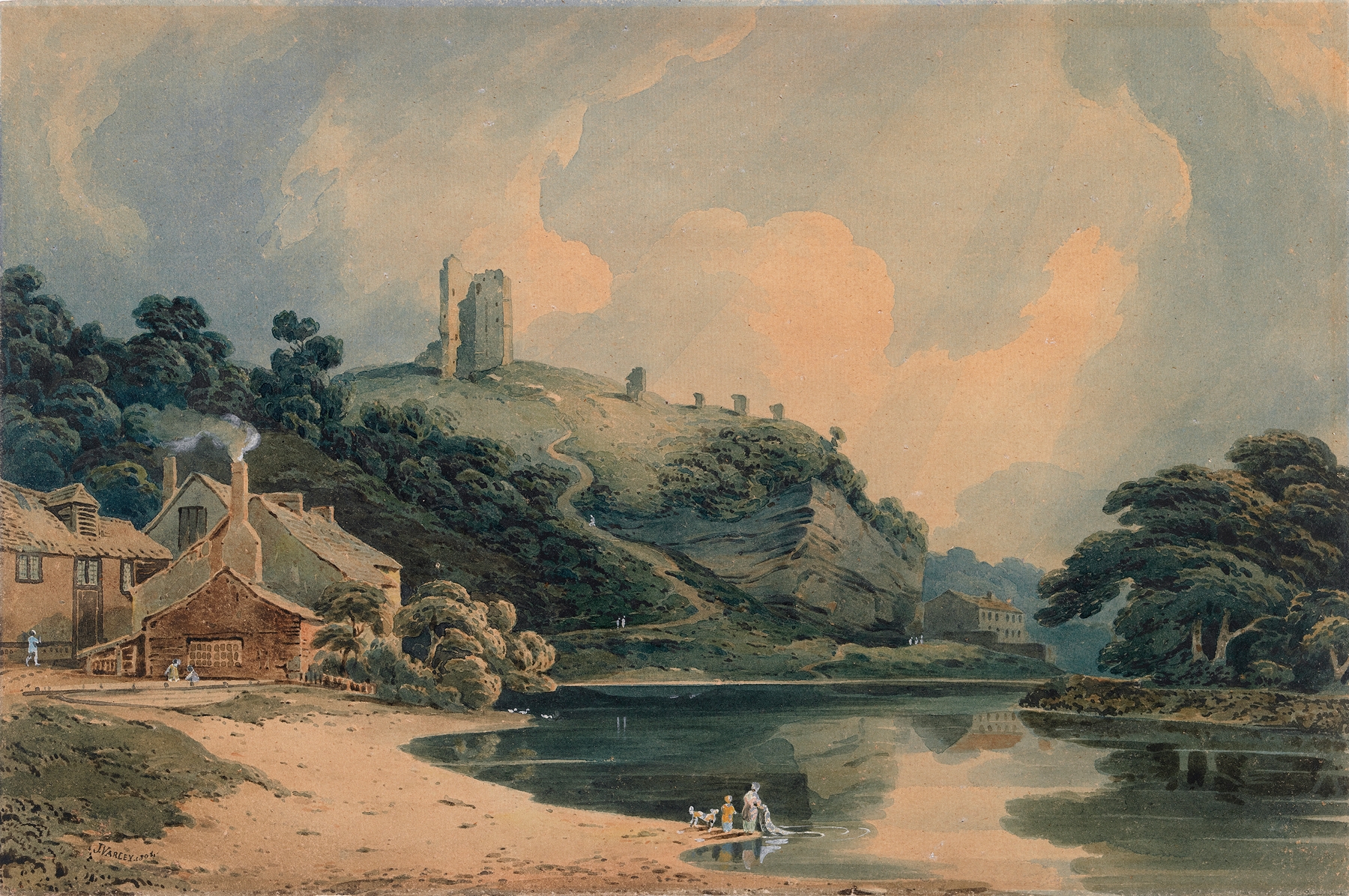
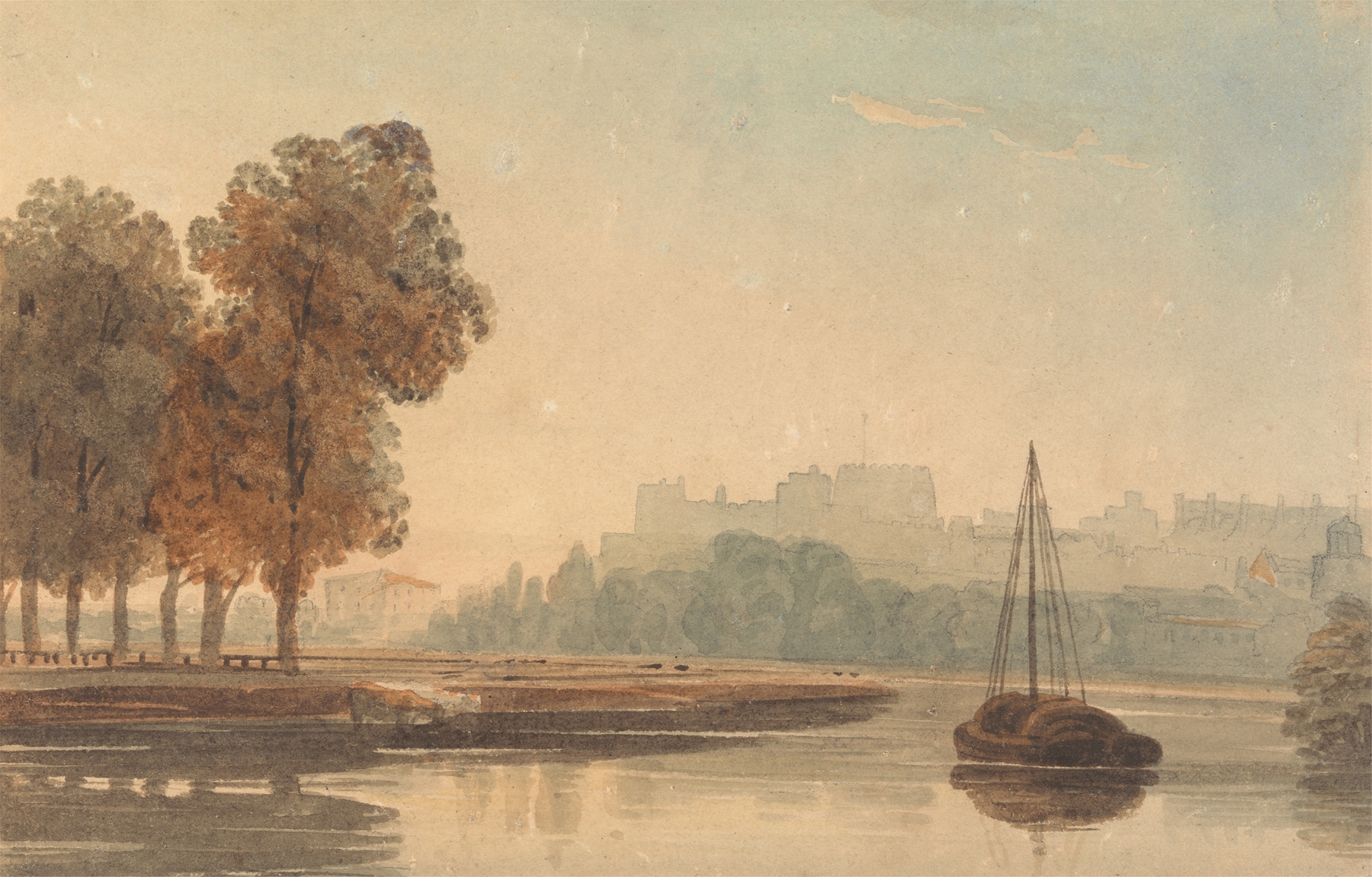
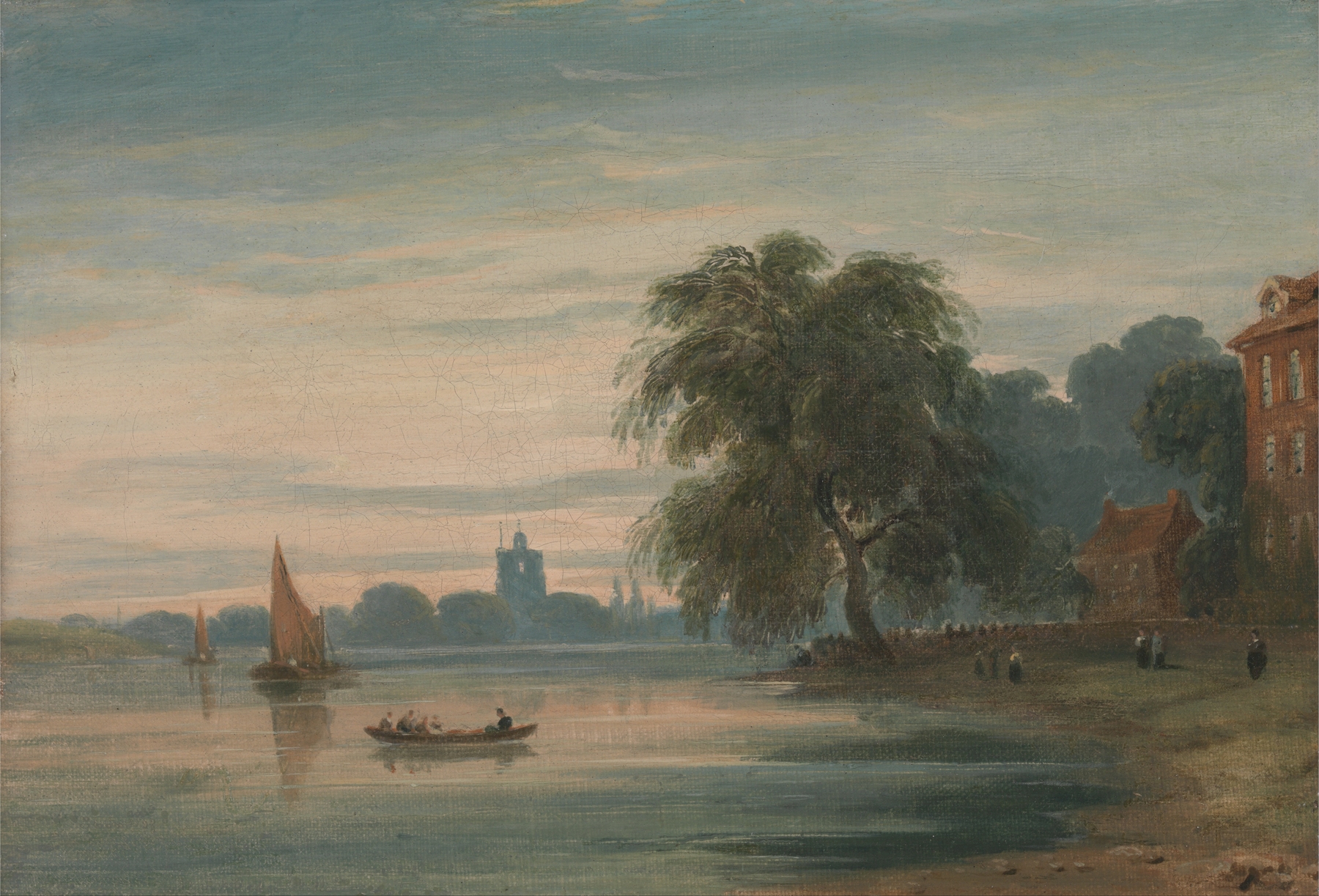
Can paint confess what words never could? In the vibrant hues and delicate brushstrokes of Pont Aberglaslyn, the essence of mortality whispers from the canvas, inviting contemplation of life’s impermanence. Focus on the bold arch of the bridge, where the graceful stonework converges with the flowing water below. Notice how the soft greens of the landscape cradle the structure, while the warm, golden light dapples the scene, illuminating the fleeting moment captured in time.
Each stroke elicits a sense of serenity, yet hints at the transitions occurring within the natural world—a reminder that all things must pass. Hidden within the harmony of nature lies a tension between permanence and transience. The bridge stands resolute against the dynamic flow of the river, symbolizing stability amidst the relentless currents of life. The interplay of light and shadow conveys a fleeting beauty, a moment suspended that speaks to our human struggle with the inevitable.
Varley captures the pulse of existence, where tranquility coexists with an underlying echo of loss. In 1812, John Varley painted Pont Aberglaslyn during a period marked by rapid changes in both his personal life and the broader world of art. Having established himself as a landscape painter, Varley was influenced by the Romantic movement, which emphasized emotion and nature. As he explored the Welsh landscape, he sought to express not only beauty but also the profound connections between humanity and the natural world, reflecting an era grappling with its own transient nature.