Portret van Anne de Pisseleu te paard — History & Analysis
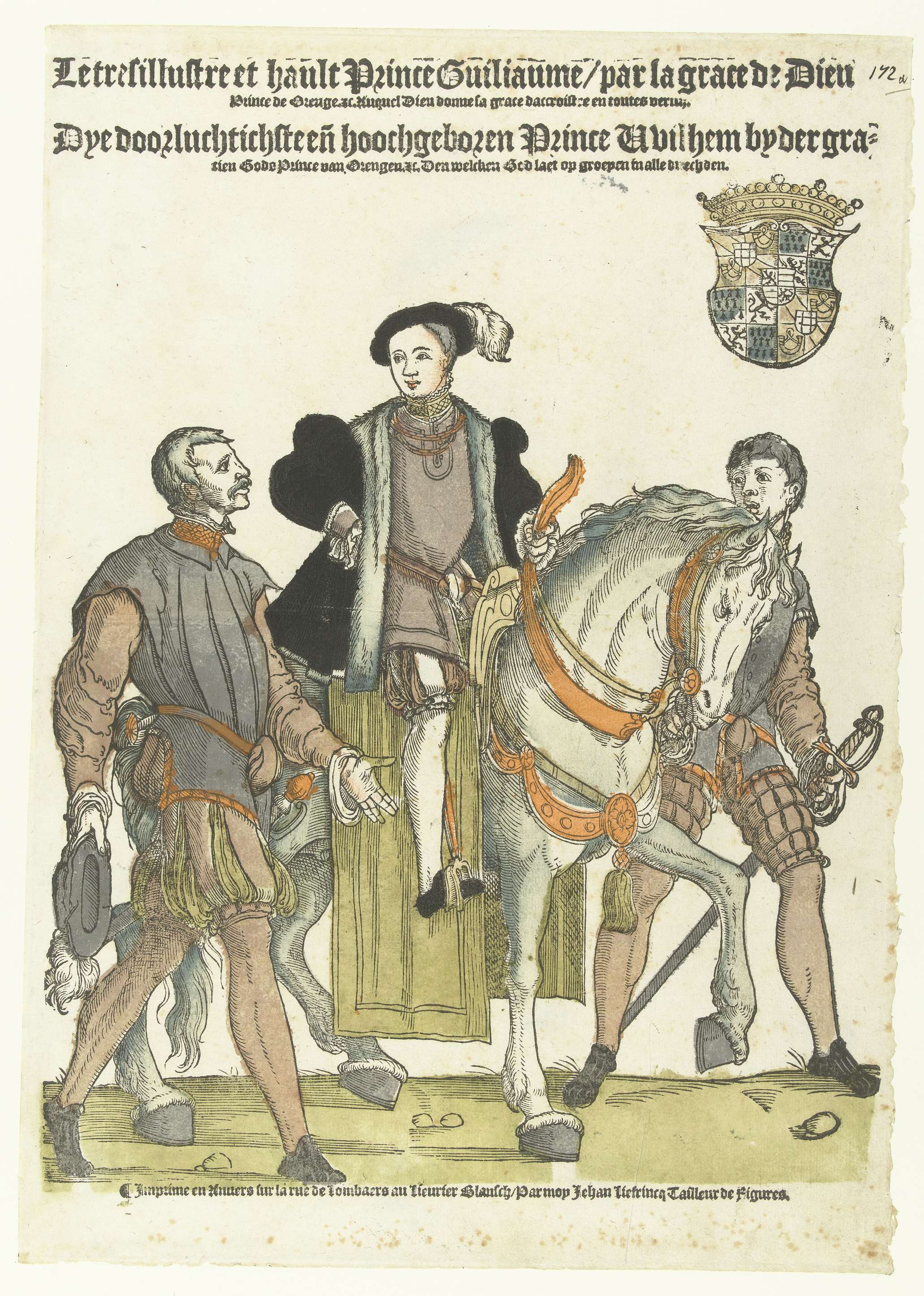
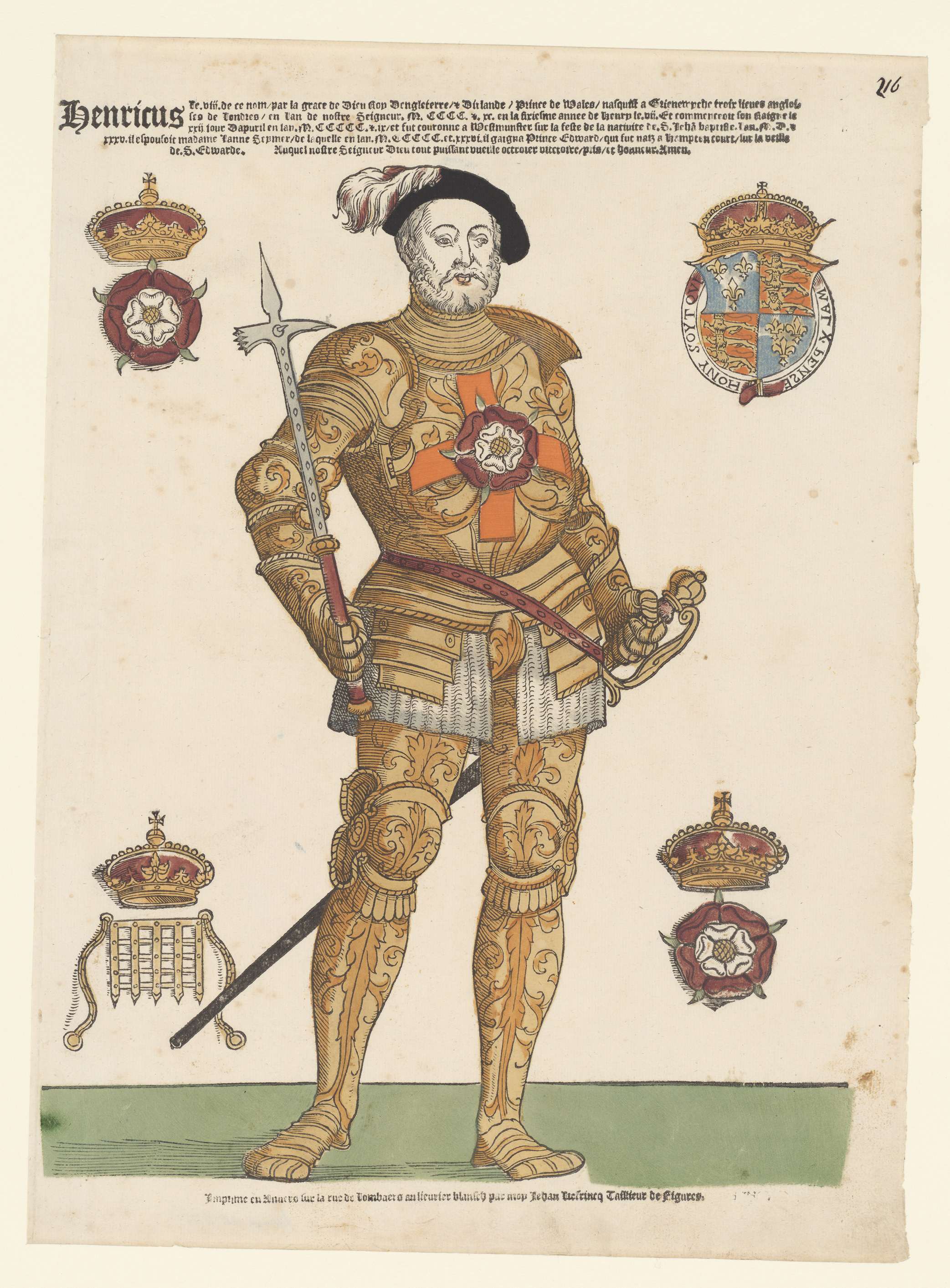
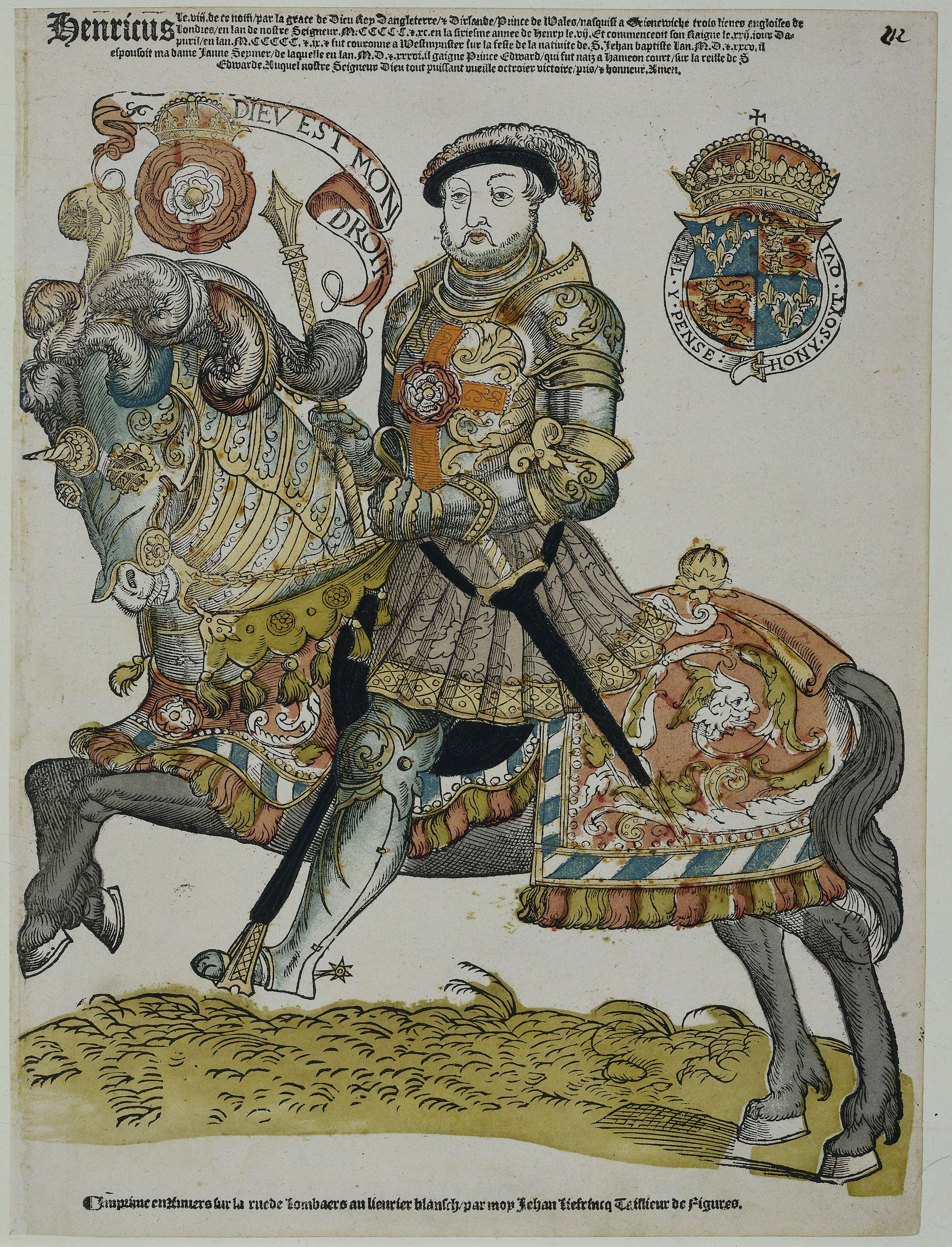
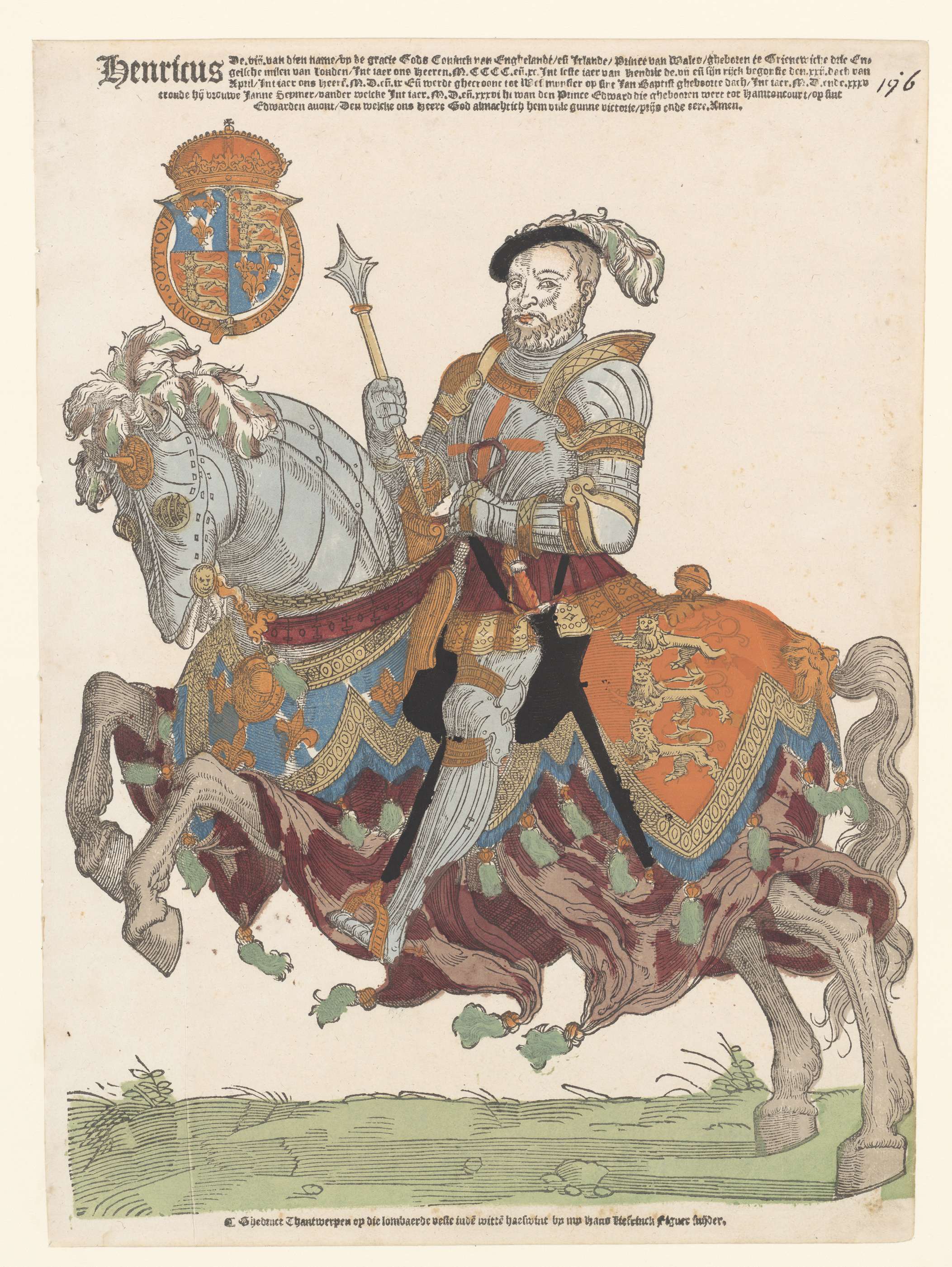
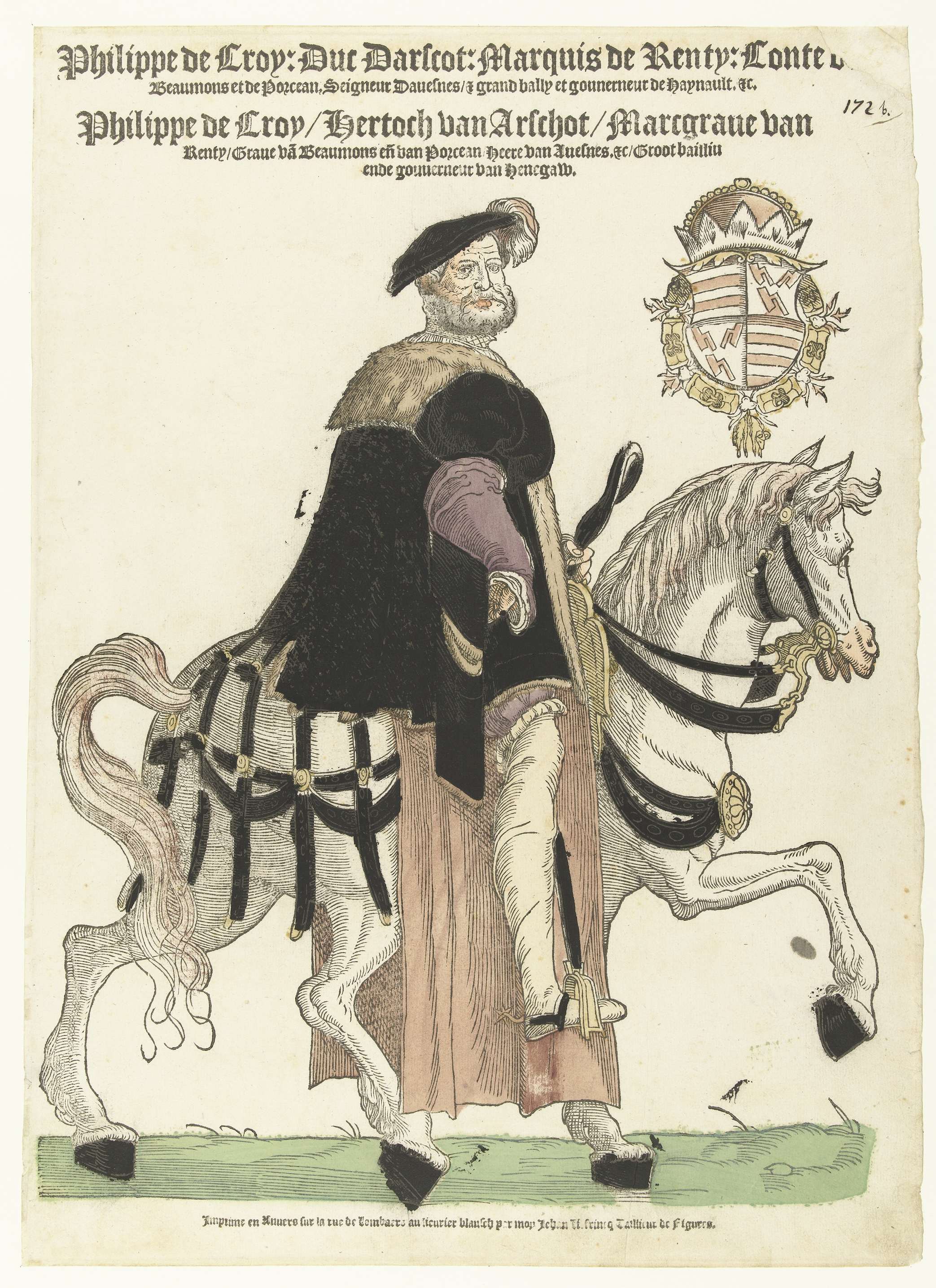
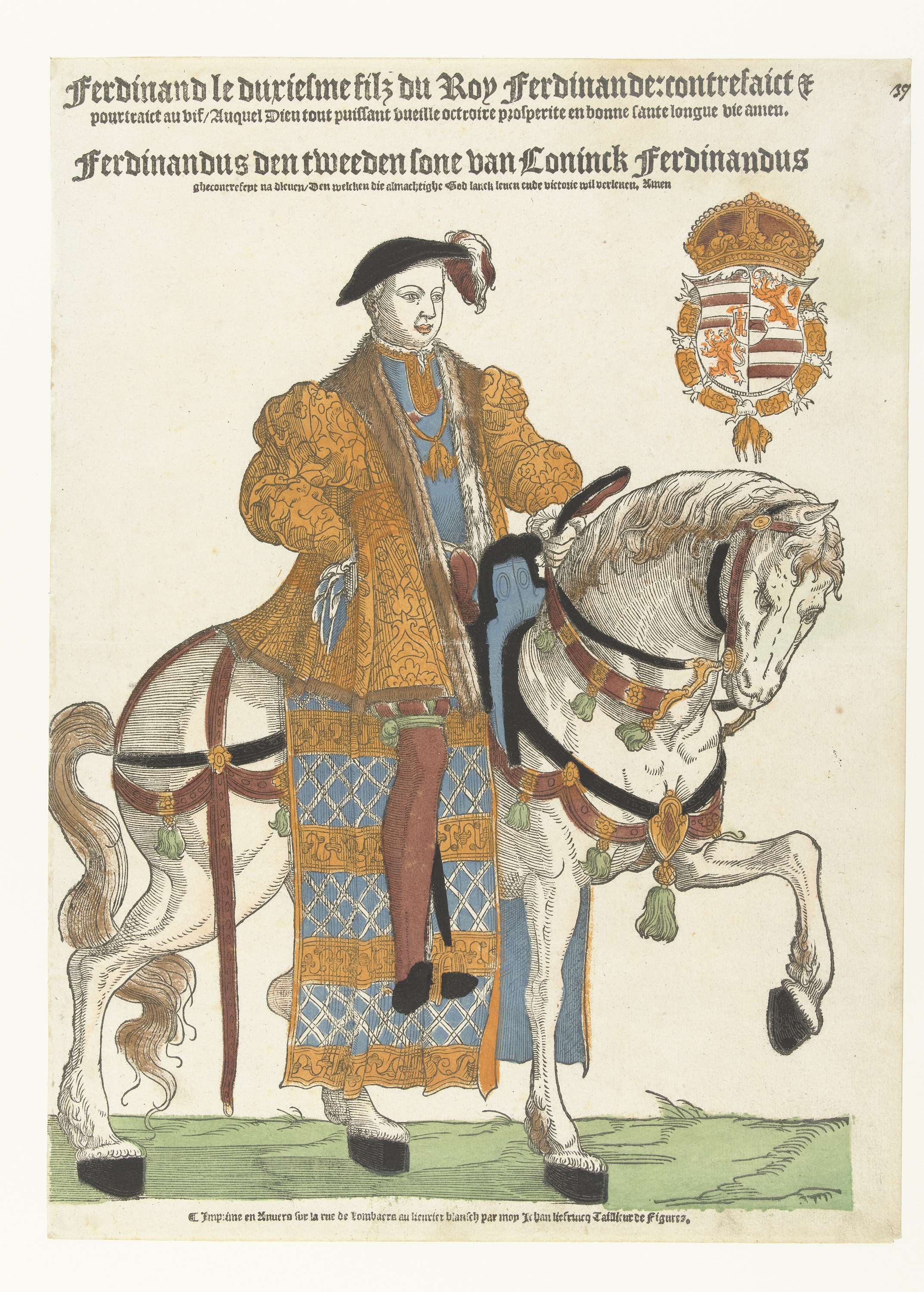
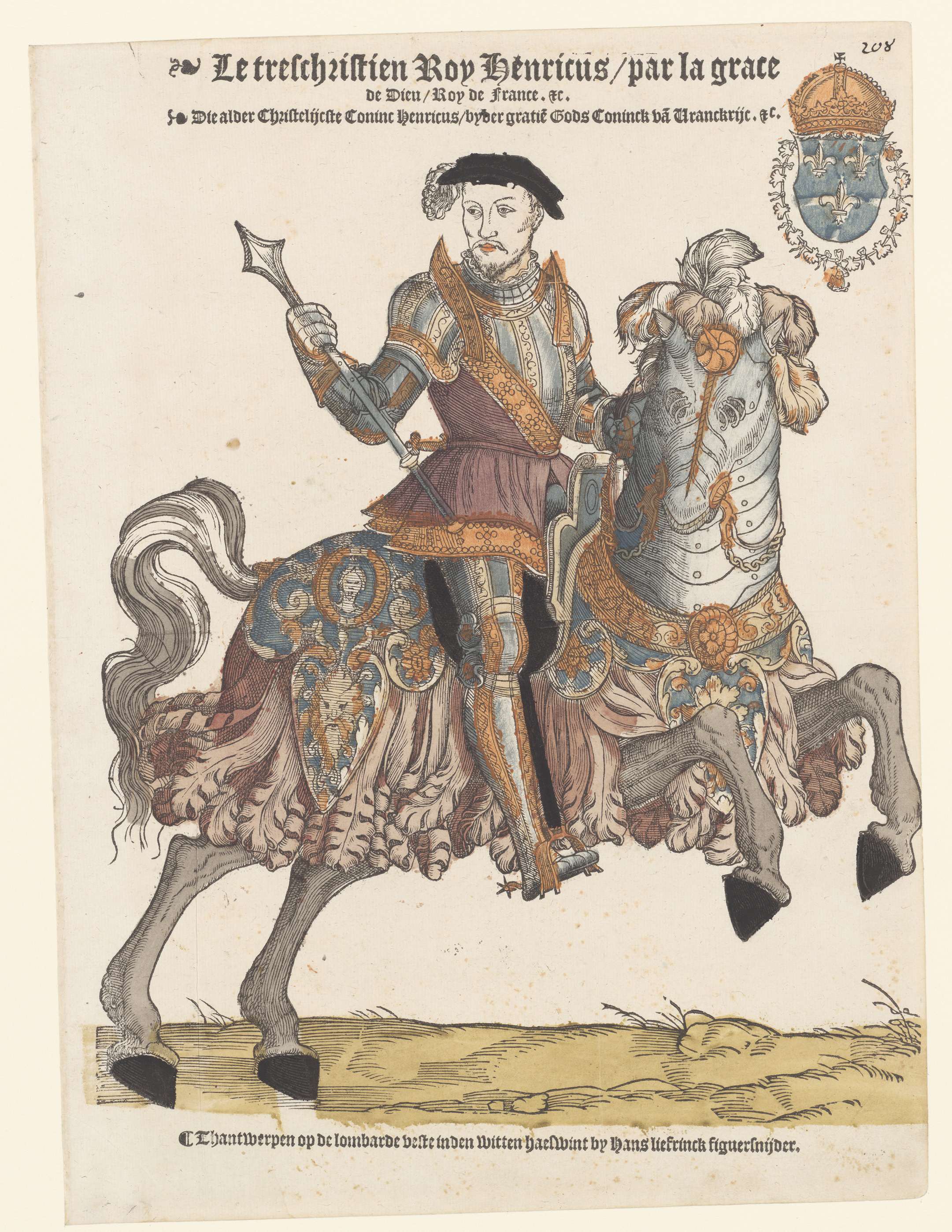
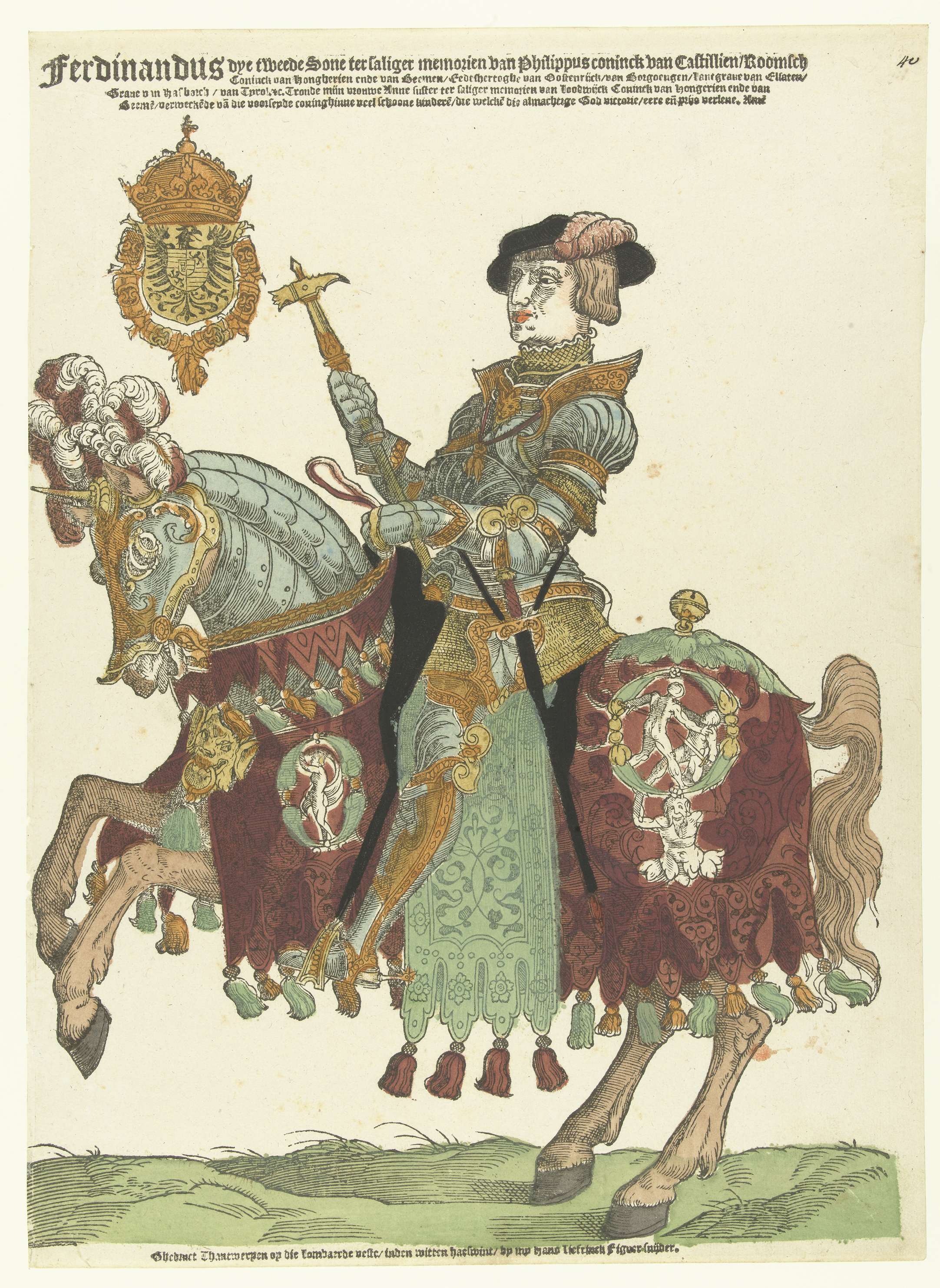
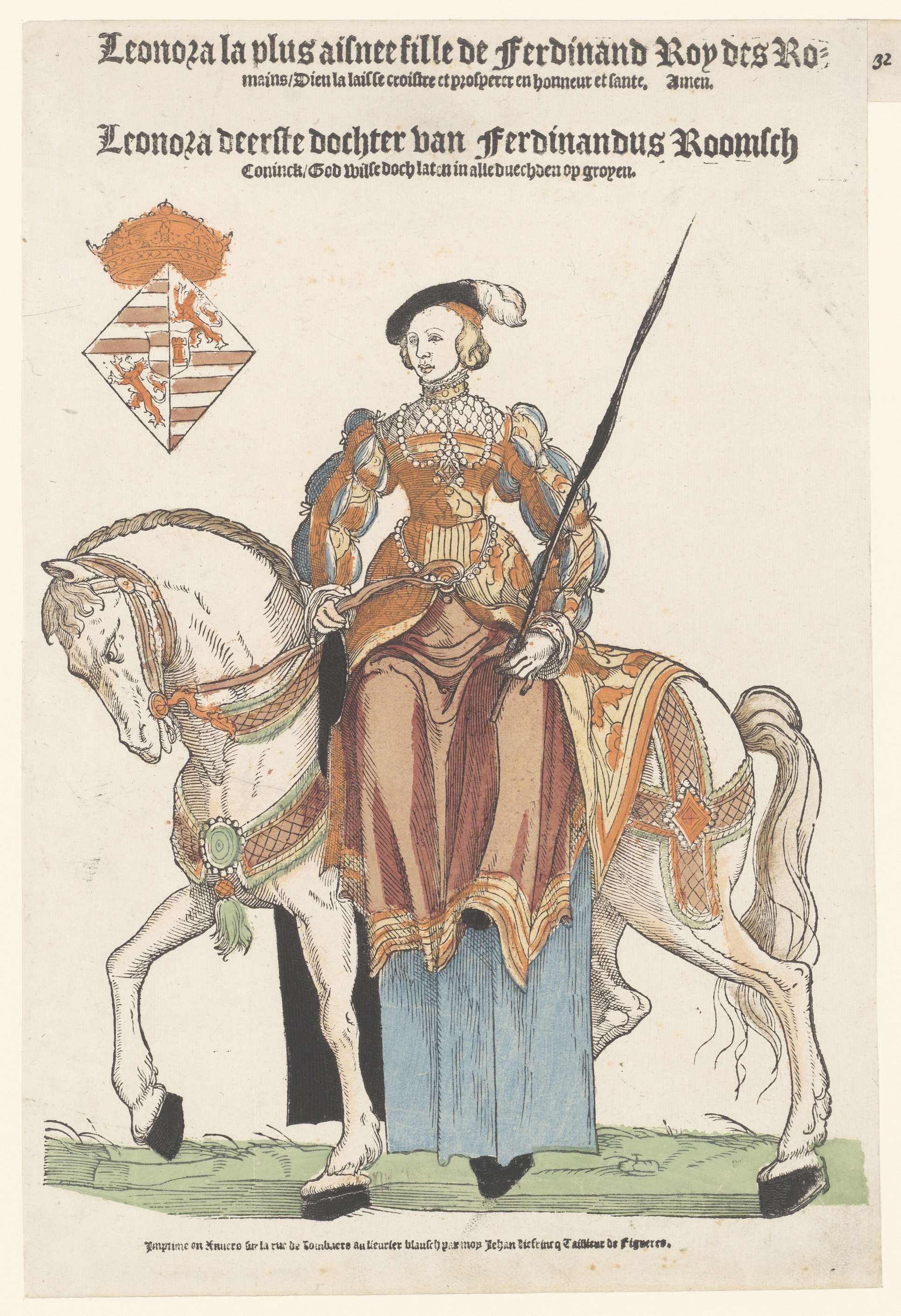
What if silence could speak through light? In Portret van Anne de Pisseleu te paard, the very essence of divinity is captured in a moment that transcends mere representation. Look to the left at the poised figure of Anne, resplendent in her richly adorned attire, seated confidently upon her horse. The vibrant colors—a striking combination of deep reds and cool blues—contrast beautifully against the muted background. Notice how the light glimmers on the horse’s mane, illuminating its grace and strength, while a subtle halo effect surrounds Anne, suggesting a celestial connection.
The meticulous detail in the lace of her neckline invites the viewer to linger, drawing you deeper into her world. This portrait embodies a tension between the earthly and the divine, a reflection of status and virtue that intertwines seamlessly. The regal posture of Anne, along with her serene gaze, evokes the notion of nobility as a form of grace bestowed by celestial favor. Hidden in the folds of her attire, the delicate interplay of light and shadow mirrors the complexities of her character—strength tempered with vulnerability, power wrapped in femininity. The horse, a symbol of nobility, stands equally noble, creating a harmonious bond between rider and steed.
Hans Liefrinck (I) created this portrait between 1539 and 1553, during a time when the Northern Renaissance was flourishing. Working in the Netherlands, he was influenced by the growing emphasis on individualism and portraiture. This period saw a surge in the demand for personal likenesses, as patrons sought to immortalize their status and identities through art. Liefrinck's meticulous technique exemplified the era's artistic advancements, merging realism with the divine qualities of his subjects.