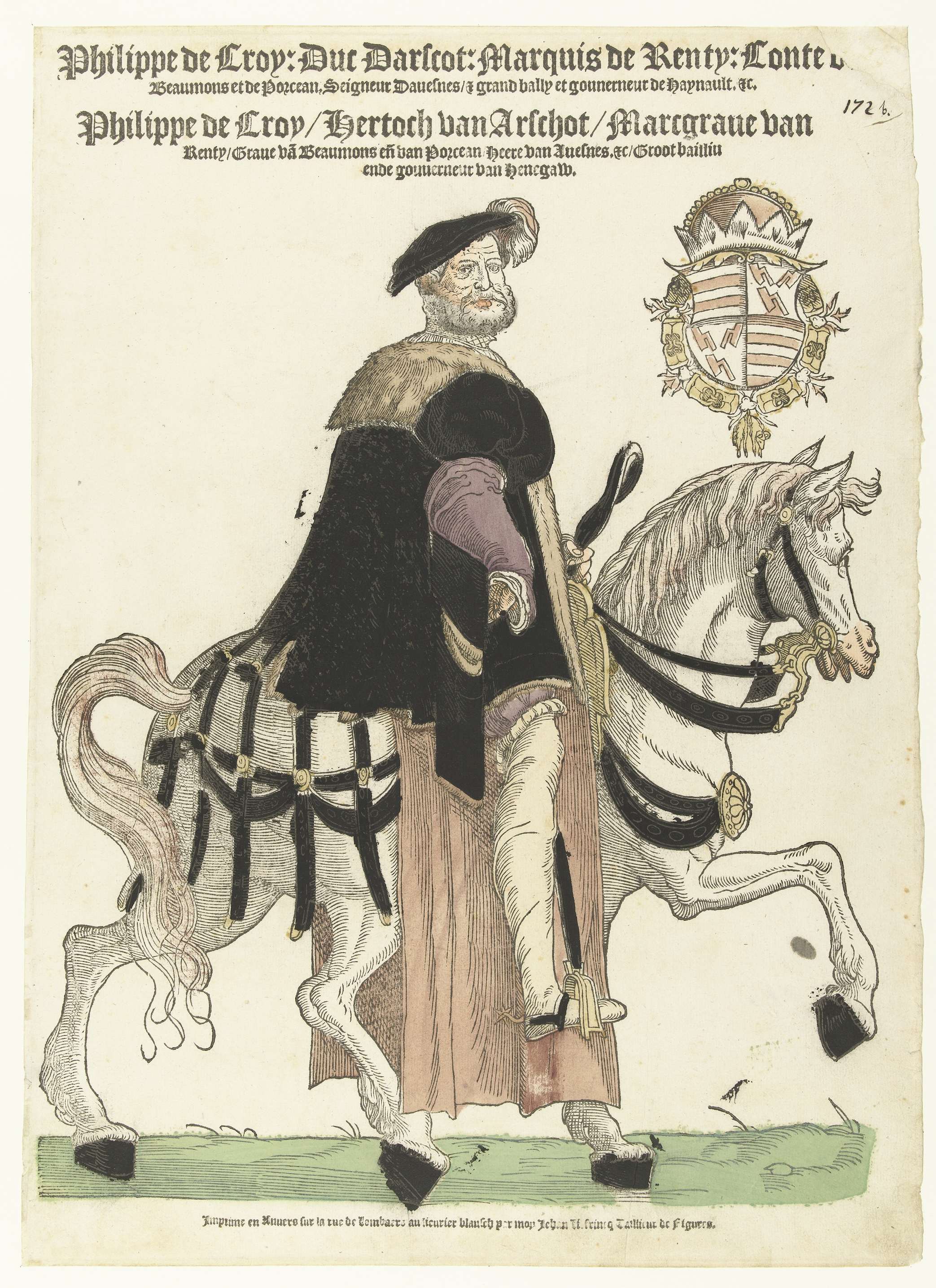
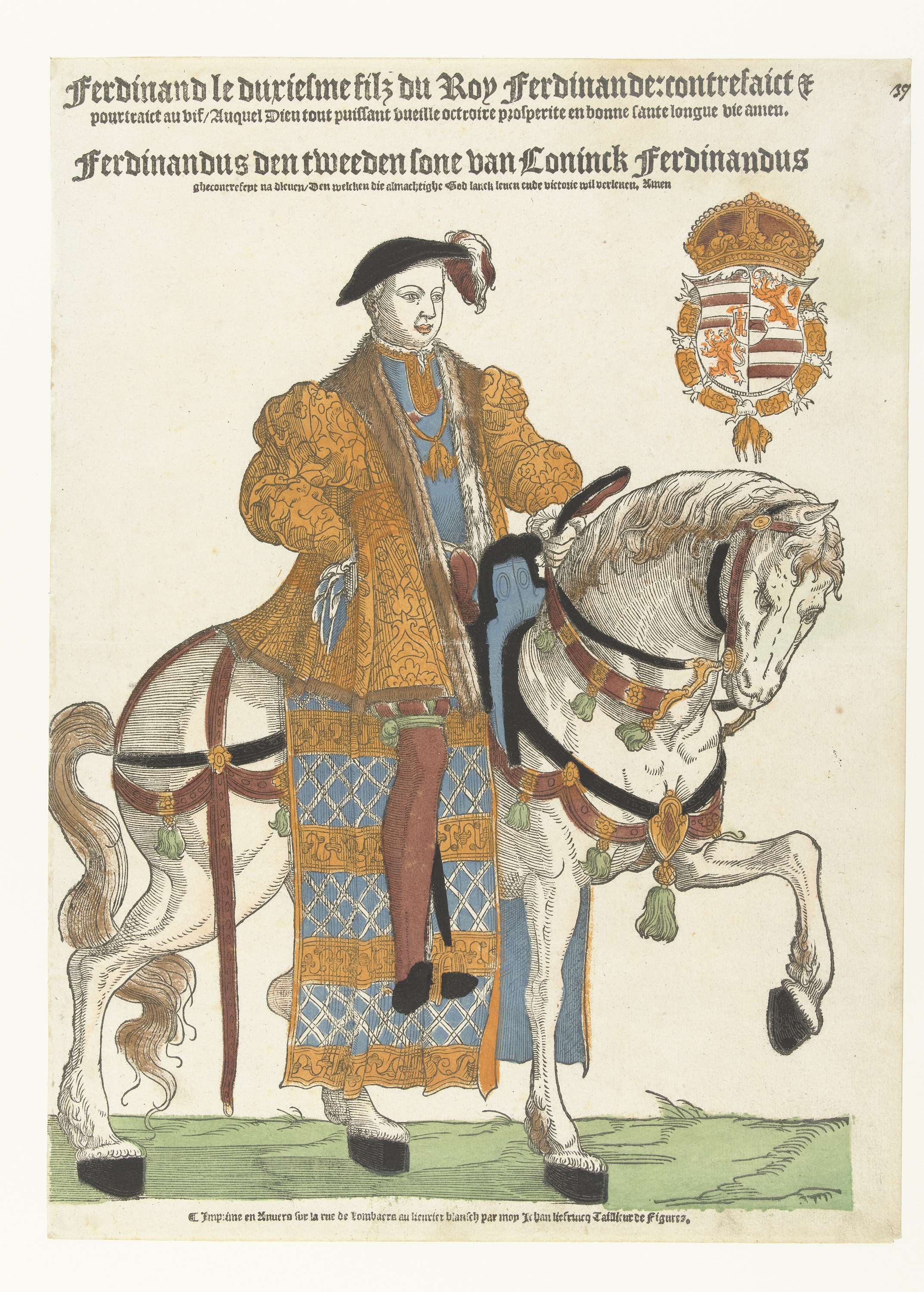
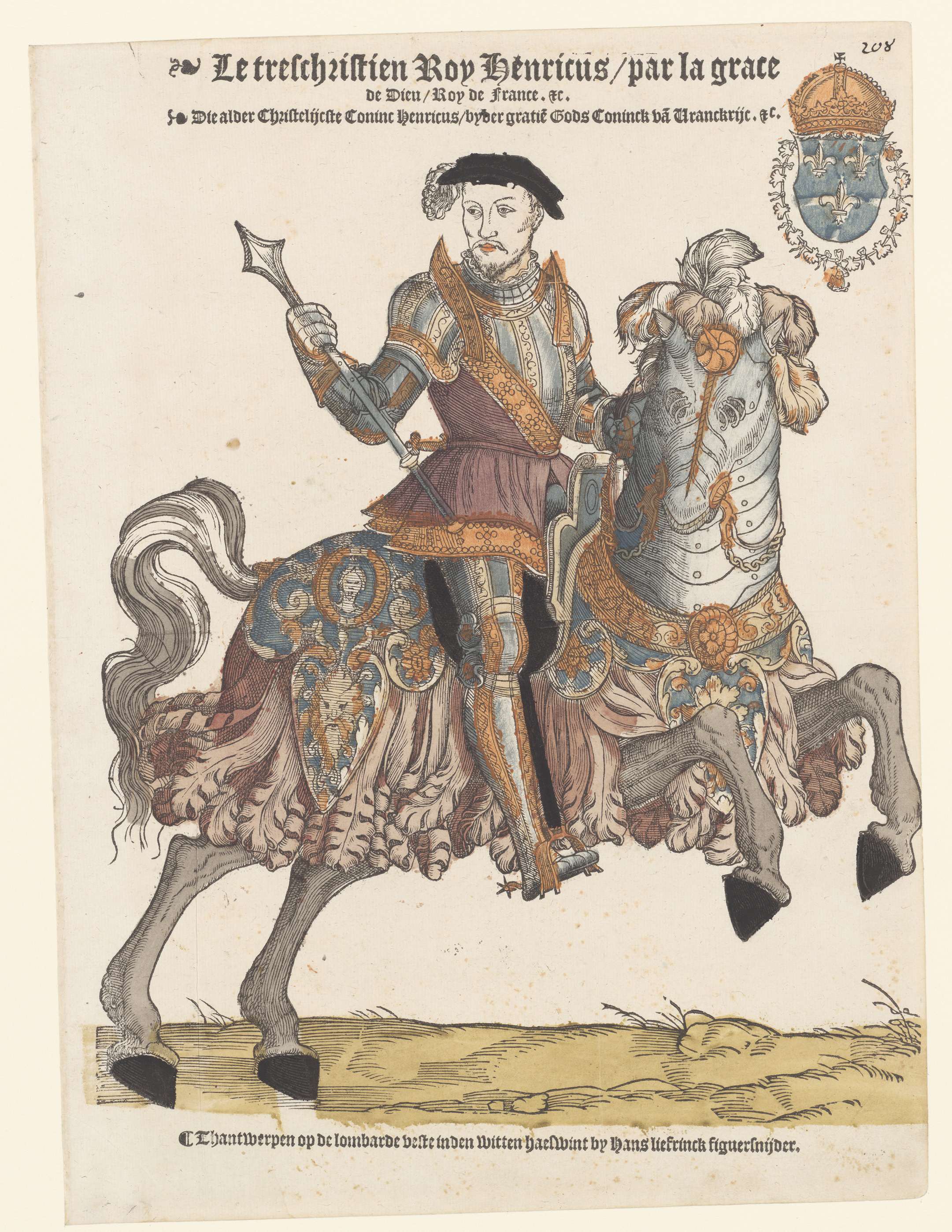
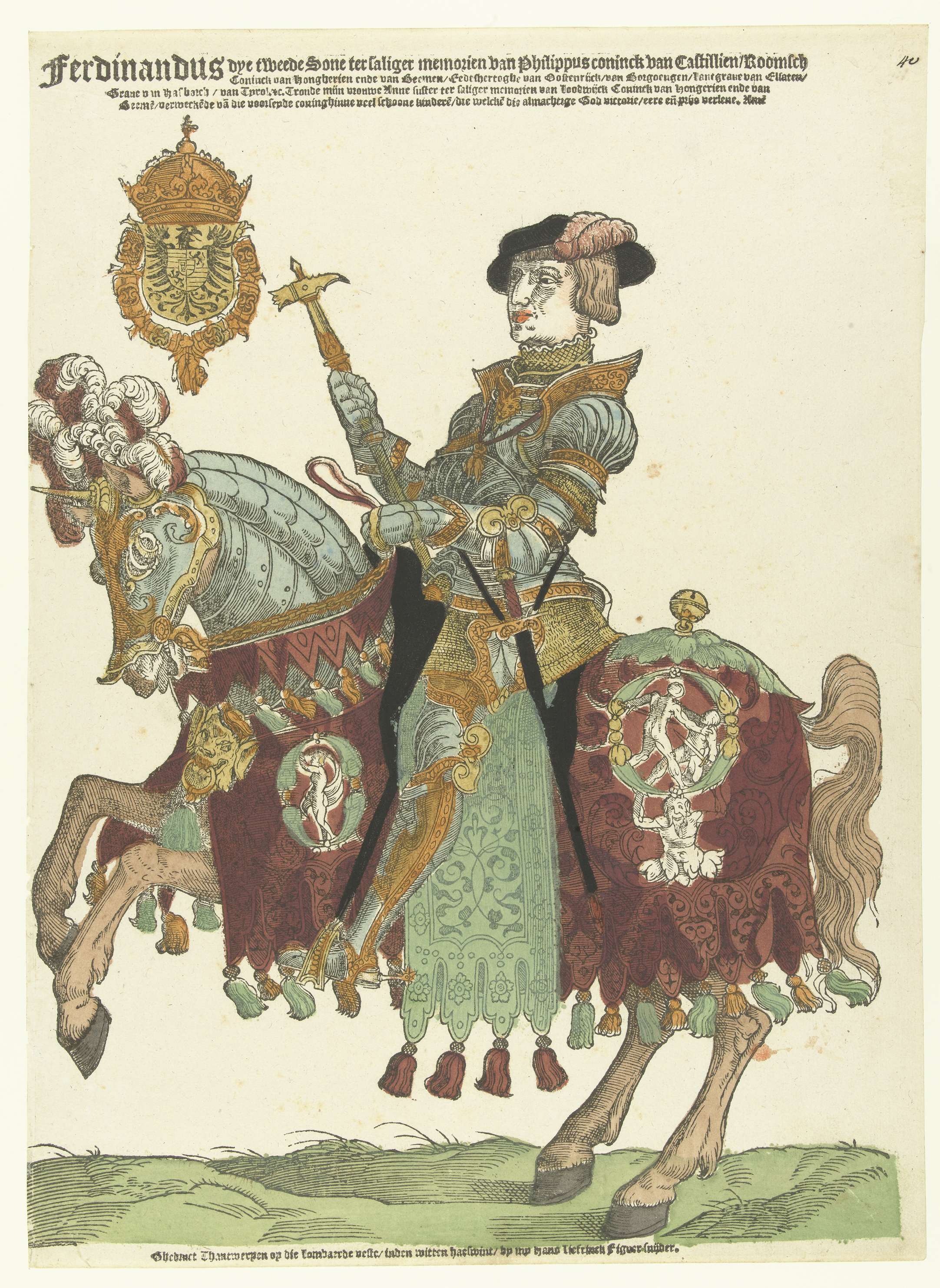
Portret van Filips II te paard — History & Analysis
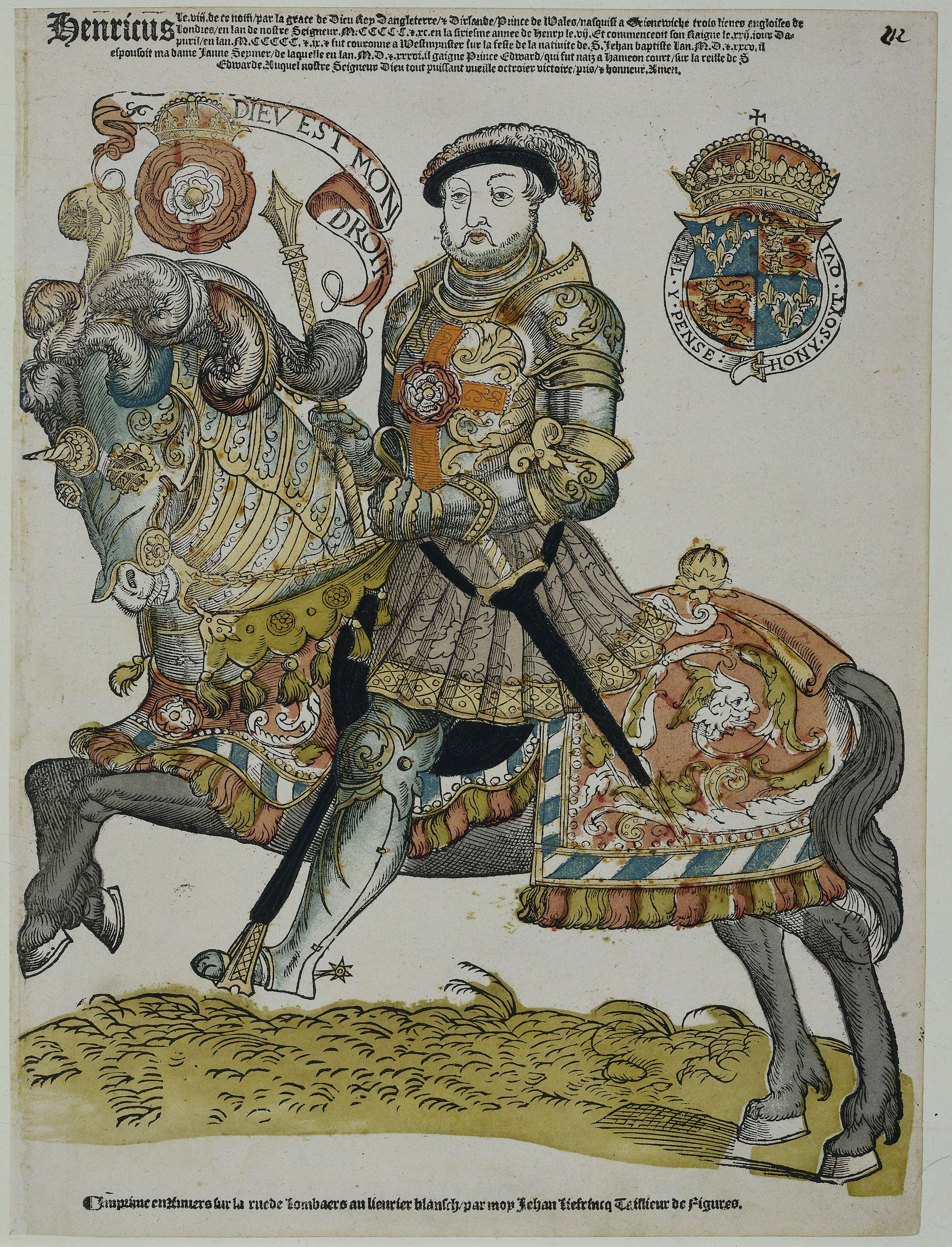
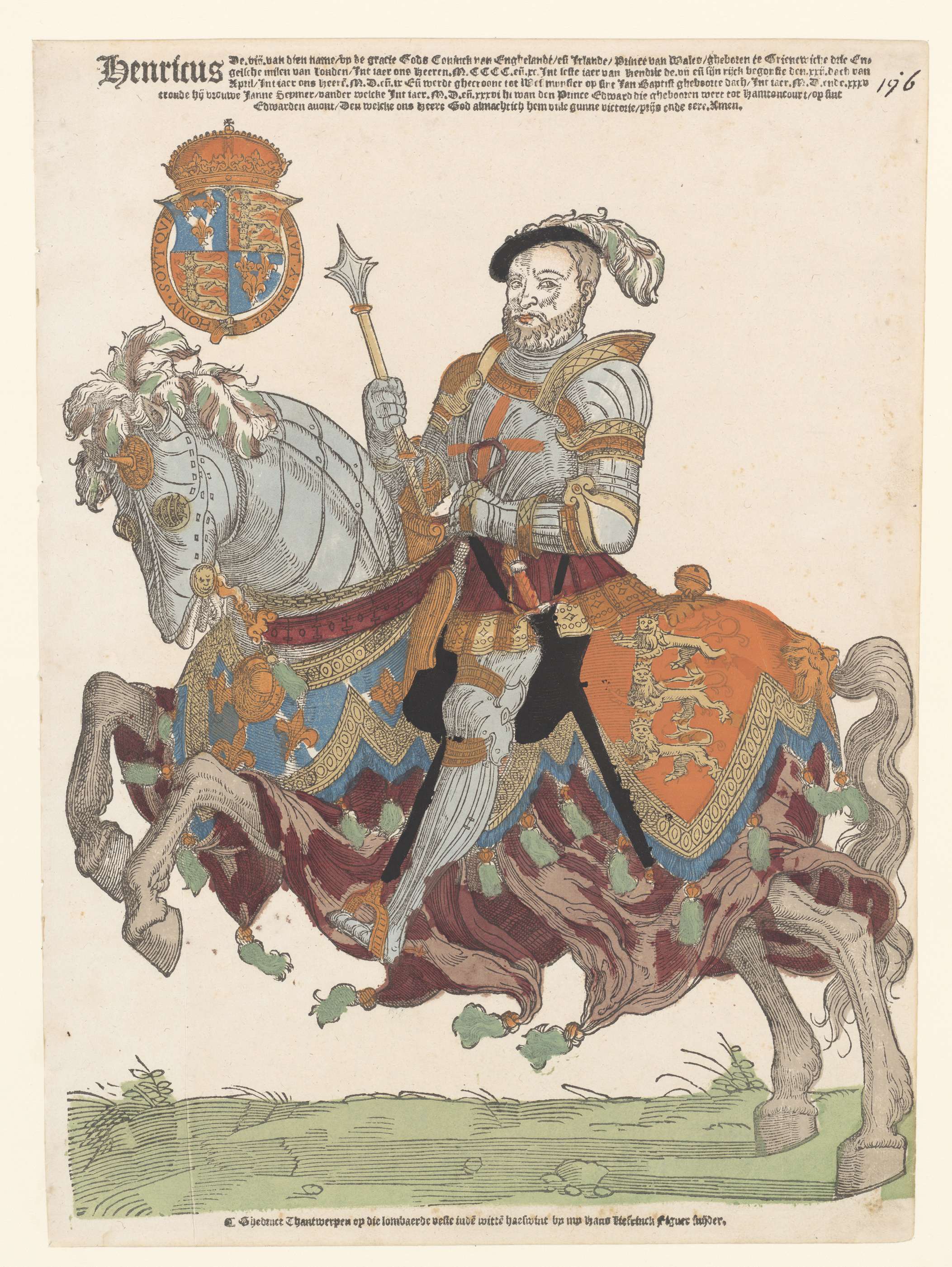
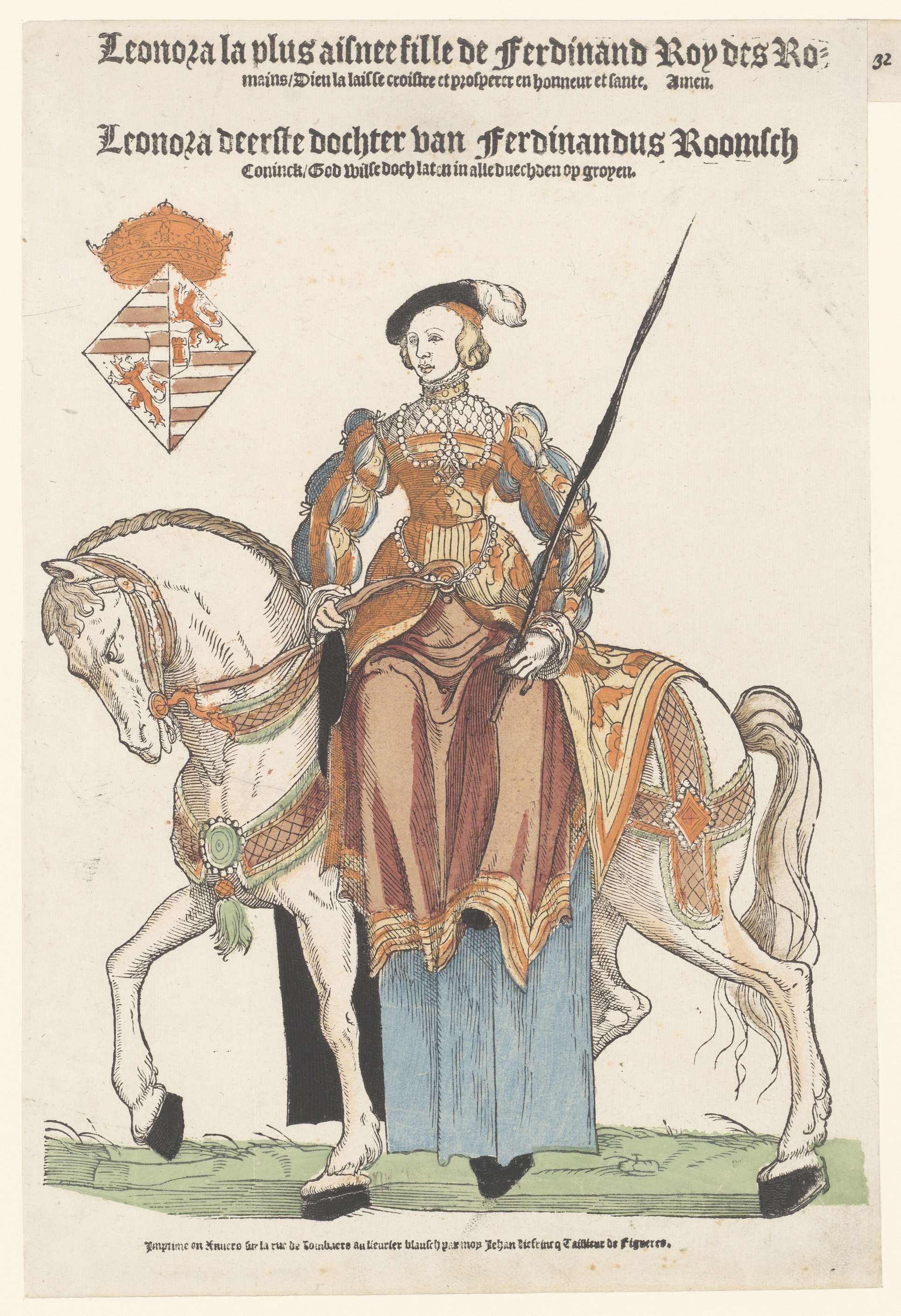
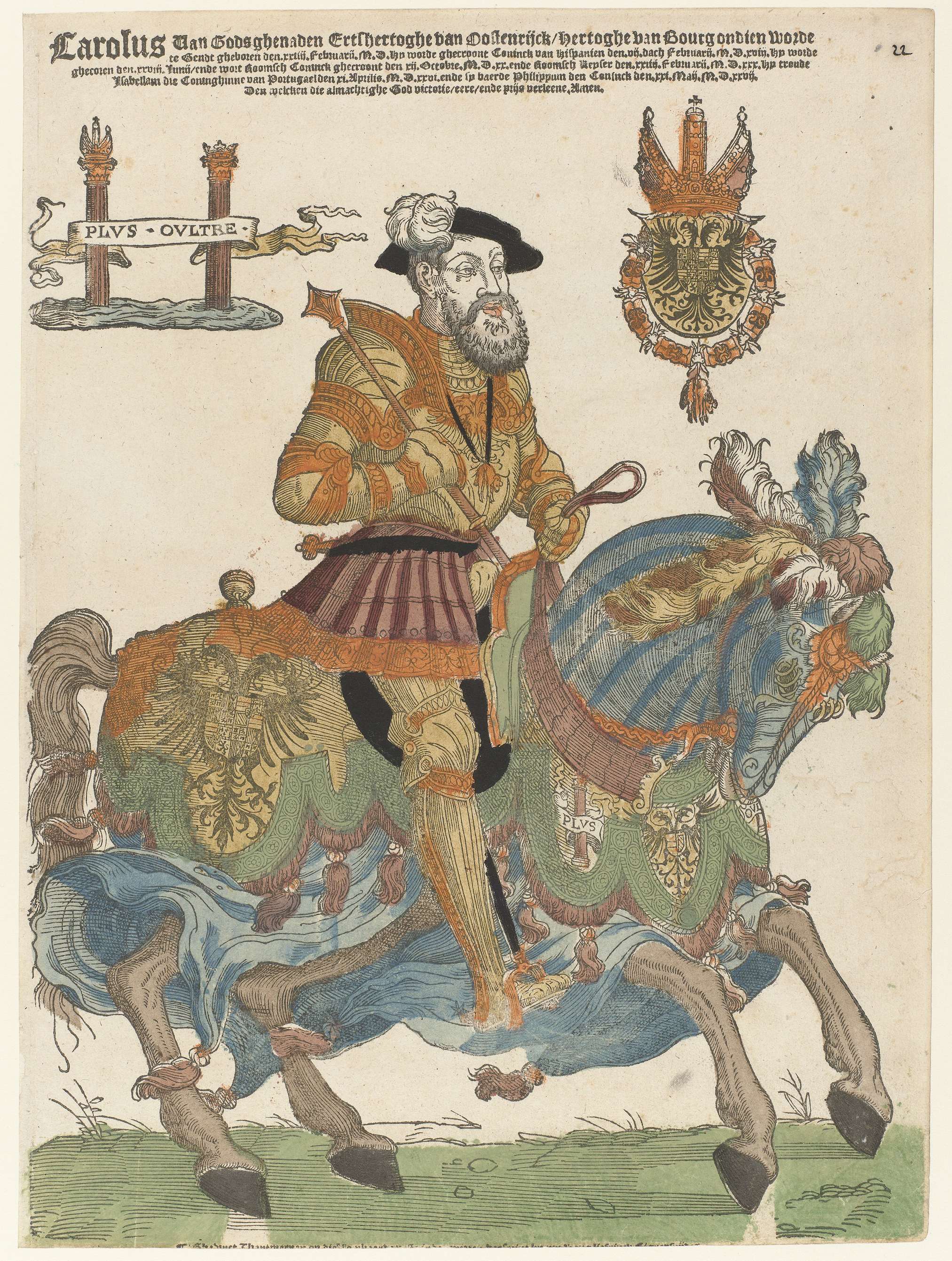
When did color learn to lie? In the depths of rich hues and painstaking detail, a façade emerges—one that invites contemplation of truth and pretense. Focus on the central figure, the imposing monarch astride his steed, cloaked in royal regalia that glimmers with authority. Notice how the vibrant reds and golds saturate the canvas, commanding your gaze while evoking a sense of both reverence and distance.
The horse, strong and noble, contrasts with the intricate patterns of the background, creating a sense of movement that breathes life into the portrait, as if the scene could extend beyond the edges. Yet, within the surface splendor lies a dichotomy. The king’s stern expression is framed by the brilliance of his attire, yet the slight downturn of his mouth hints at the burdens he bears—a tension between power and vulnerability. The horse's posture, poised yet wary, speaks to the uncertain nature of authority; it embodies both the freedom of the wilderness and the constraints of regal duty.
Here, colors serve as a mask, concealing the true essence of the man beneath. Liefrinck painted this work between 1539 and 1556, during a time of political upheaval and religious reformation across Europe. The artist, active in the Netherlands, was influenced by the rising prominence of portraiture in an age where identity and representation became increasingly significant. This was an era when rulers sought to immortalize their legacies through art, striving for transcendence while grappling with the complex realities of their reigns.