Portret van Filips van Lalaing te paard — History & Analysis
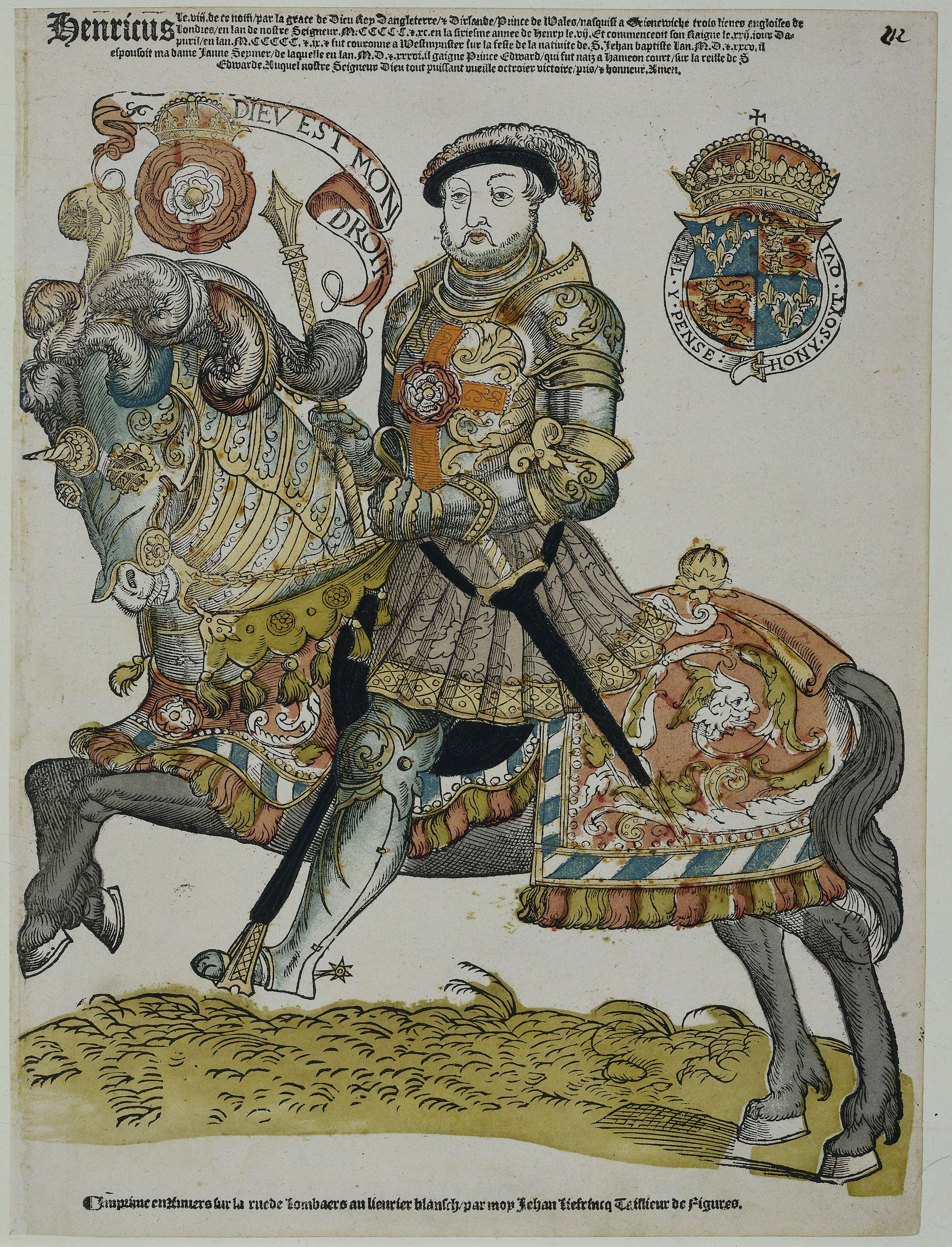
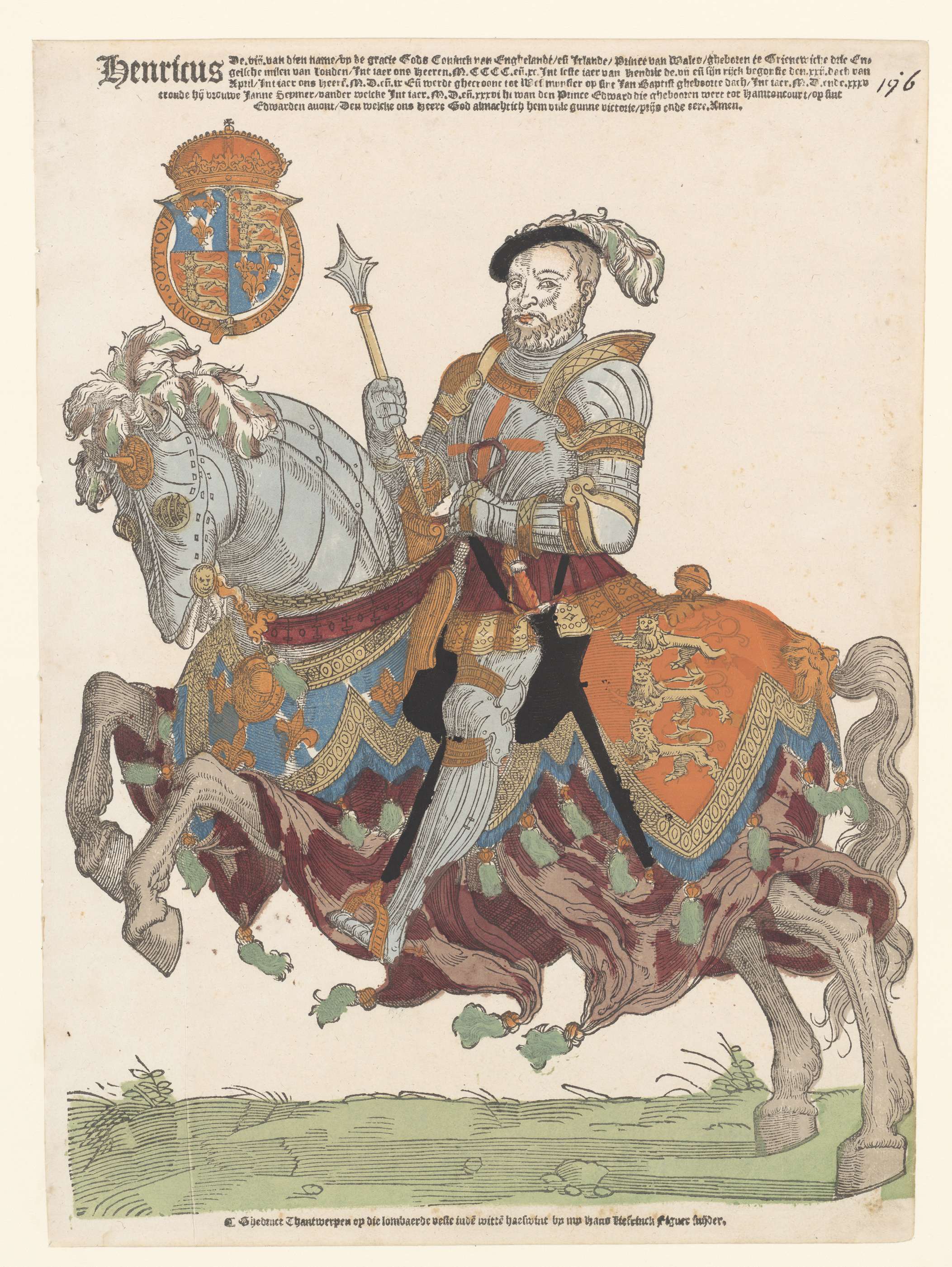
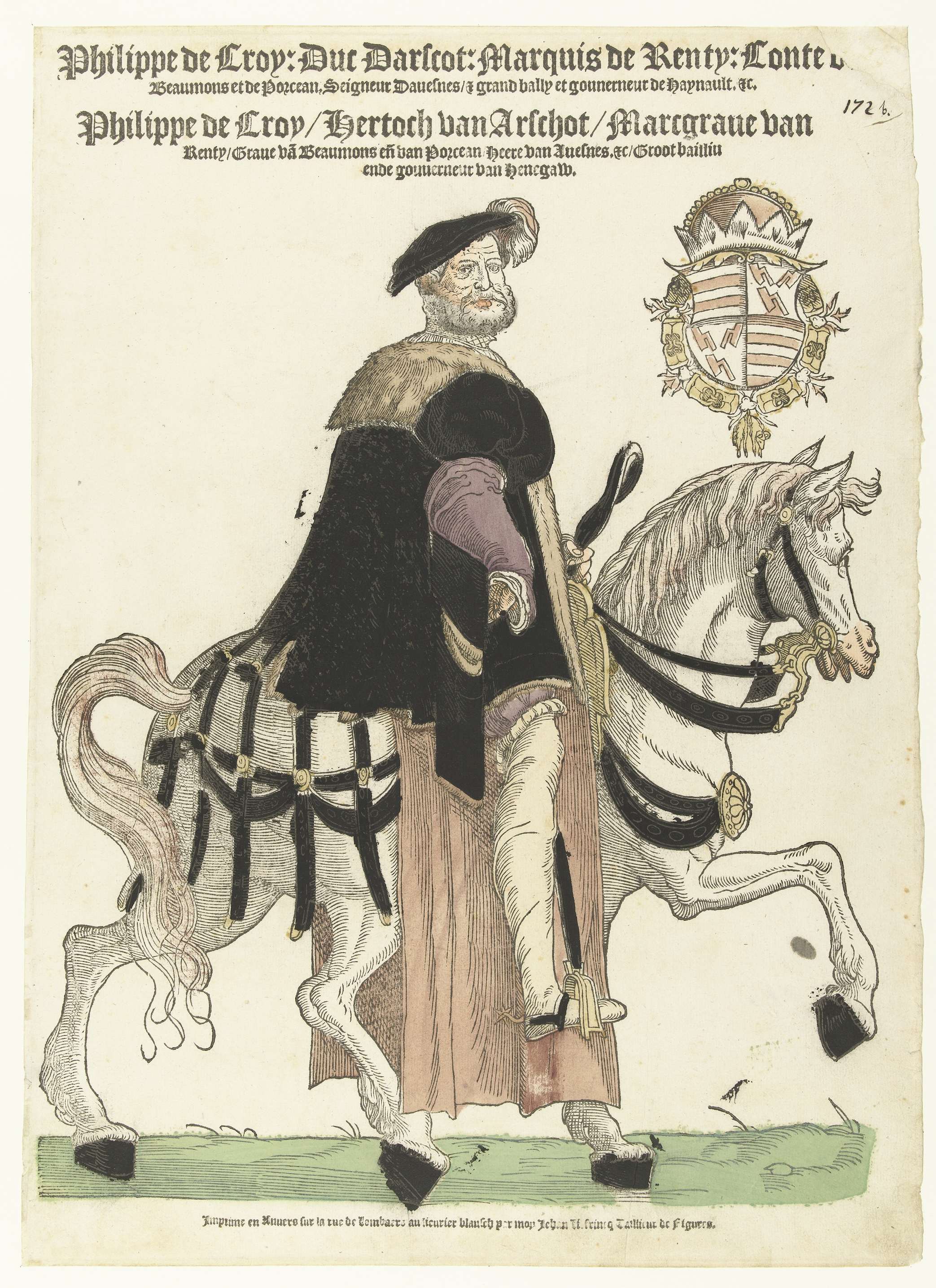
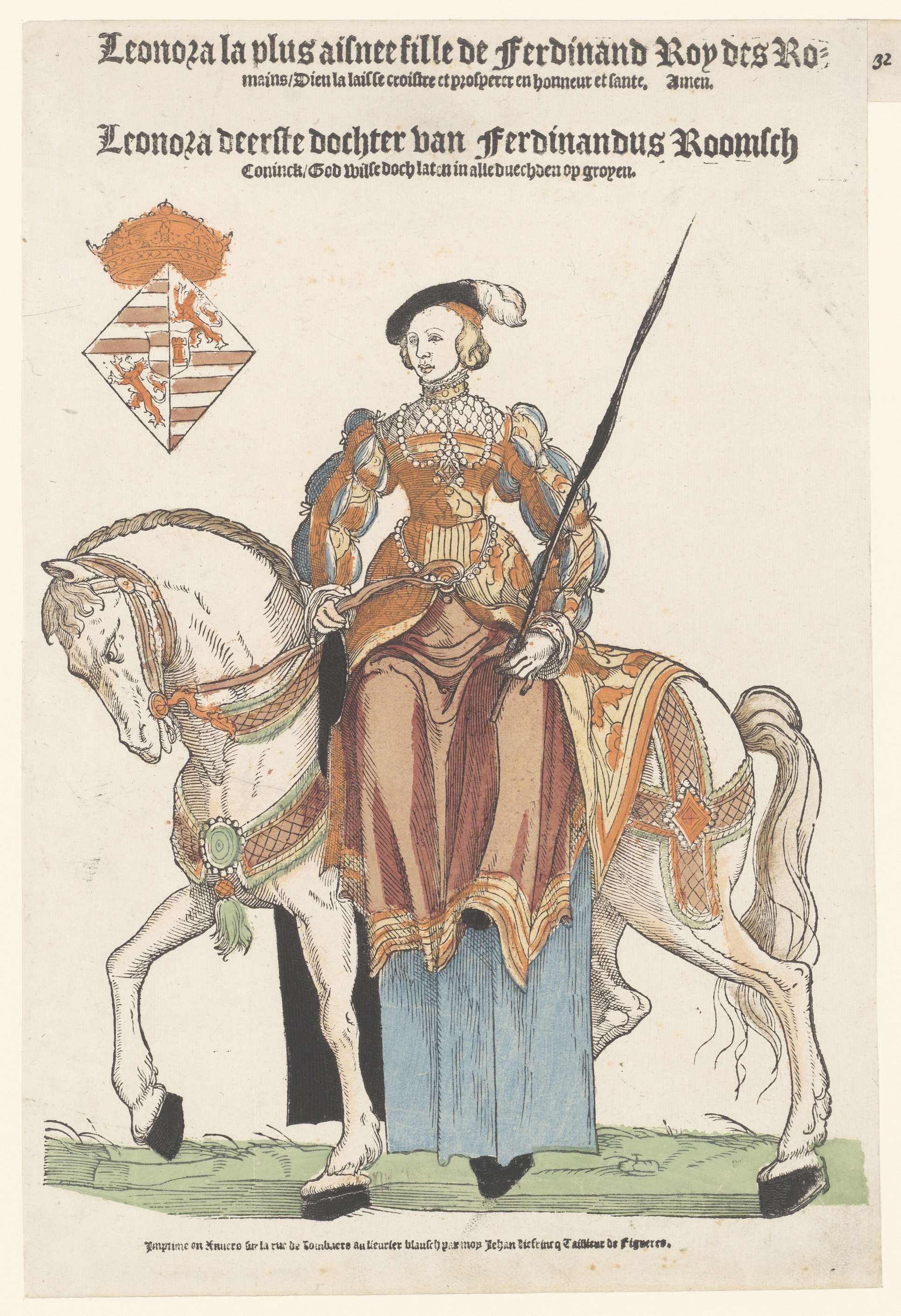
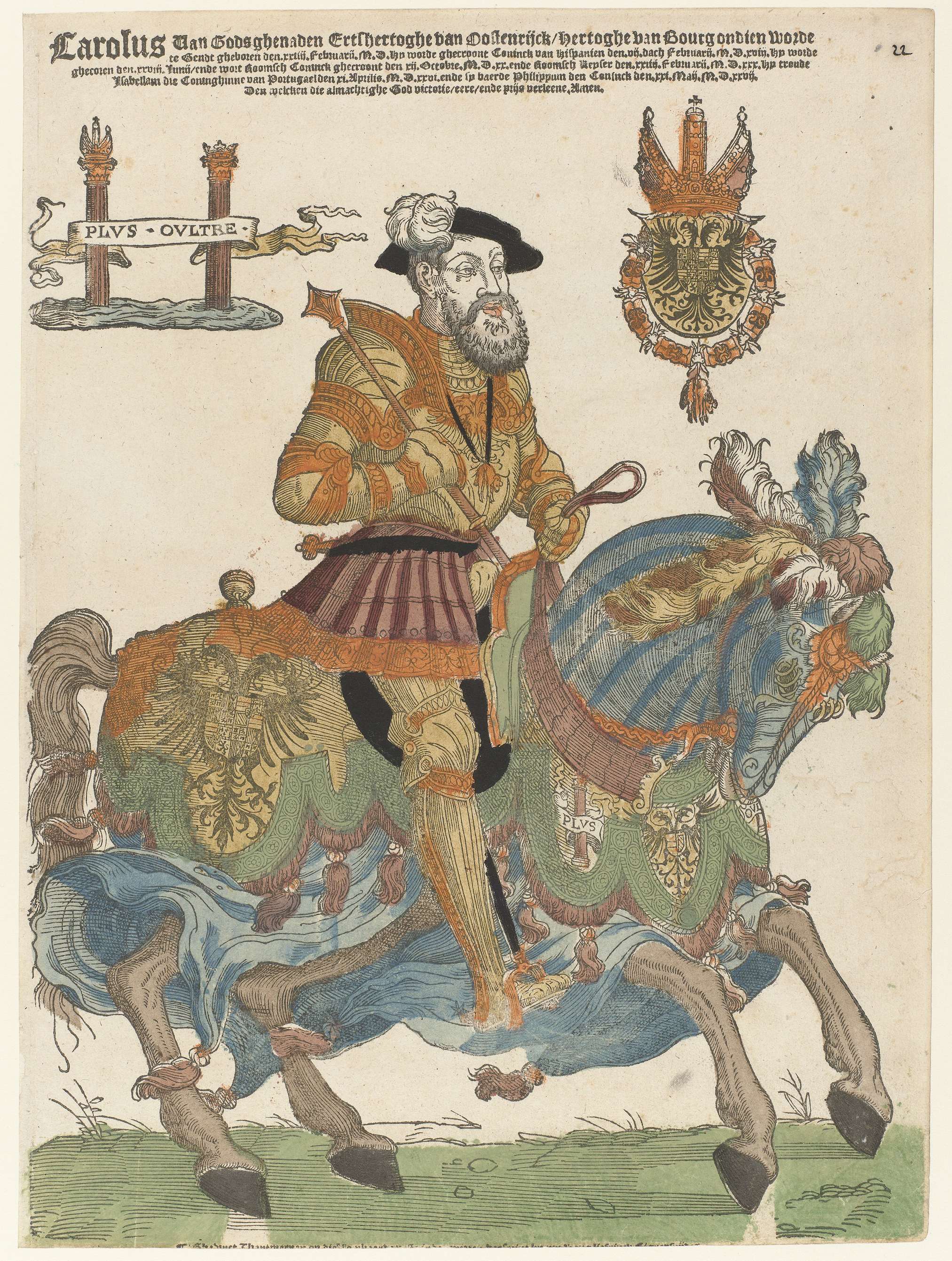
Who listens when art speaks of silence? In Portret van Filips van Lalaing te paard, the weight of fear hangs palpably in the air, framed within the stoic presence of the noble horseman. Look to the center of the canvas, where Filips van Lalaing sits resolute upon his steed. The rich, dark tones of his armor contrast dramatically with the soft, muted colors of the background—an expression of dignity and vulnerability. Notice how the meticulously rendered details of the horse's sleek mane and the subtle glimmers on the armor breathe life into the painting.
Every brushstroke serves not just to depict a man, but to communicate the gravity of his station and the inherent dangers of his role. Beneath the surface, this work reveals a profound tension between power and frailty. The horse's gentle stance juxtaposes the looming uncertainty of the figure atop it; a reminder of the balance between strength and the ever-present fear of loss. The slight tilt of van Lalaing's gaze hints at an awareness of the turbulent times he lived in, where loyalty and betrayal danced dangerously close.
Each element, from the deep shadows to the light grazing the contours of his face, reflects an unspoken narrative of duty weighed down by the specter of conflict. Created between 1544 and 1555, this portrait emerged from a period marked by political intrigue and military uncertainty in the Low Countries. Hans Liefrinck (I), operating in the Northern Renaissance, sought to capture not just the likeness of his subjects but also the complexities of their existence. As the region grappled with questions of loyalty and struggle, this painting became a testament to the nuanced interplay of power and fear within the tapestry of the time.