Portret van hertog Willem van Kleef, Gulik en Berg, graaf van Mark, heer van Ravenstein te paard — History & Analysis
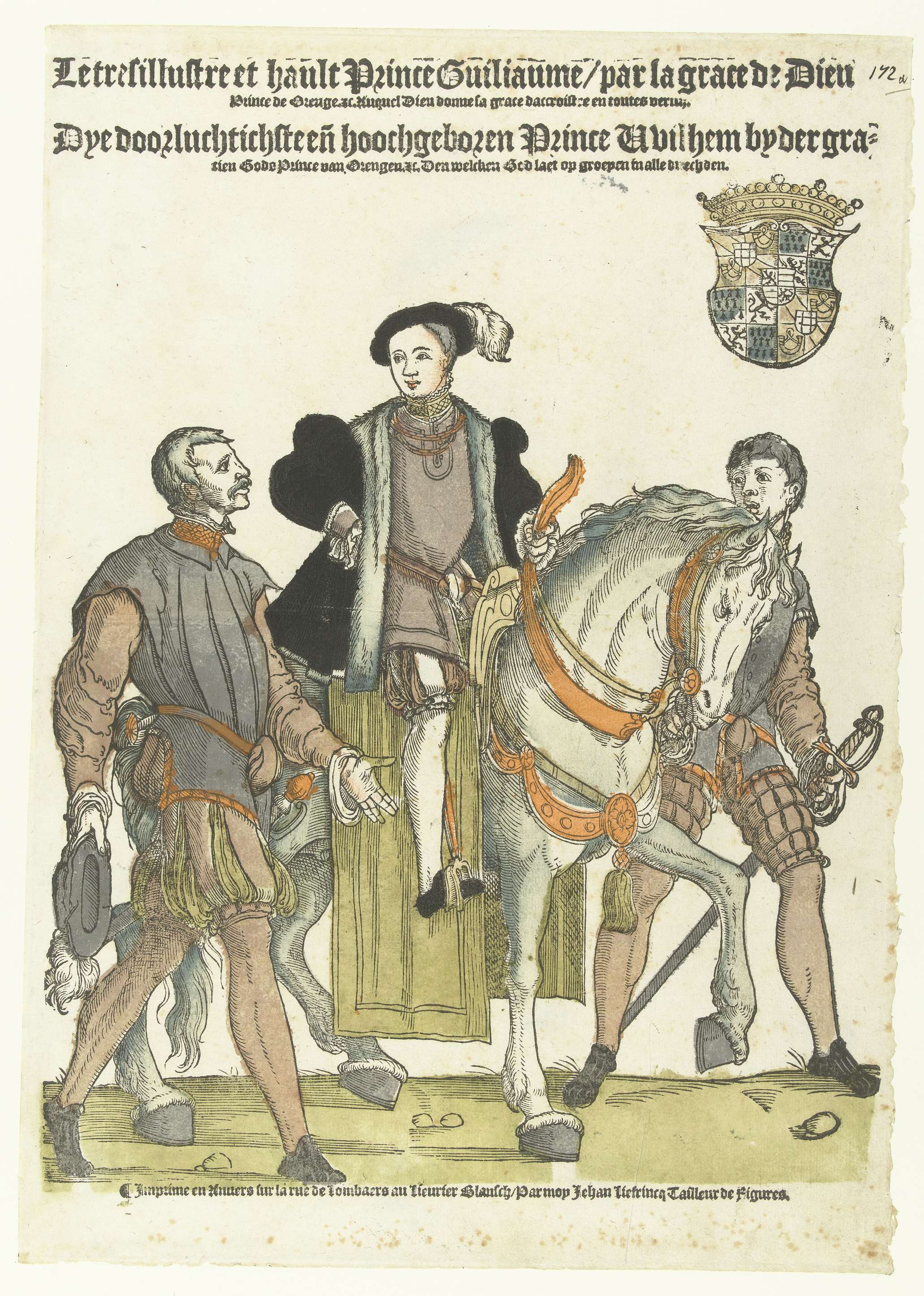
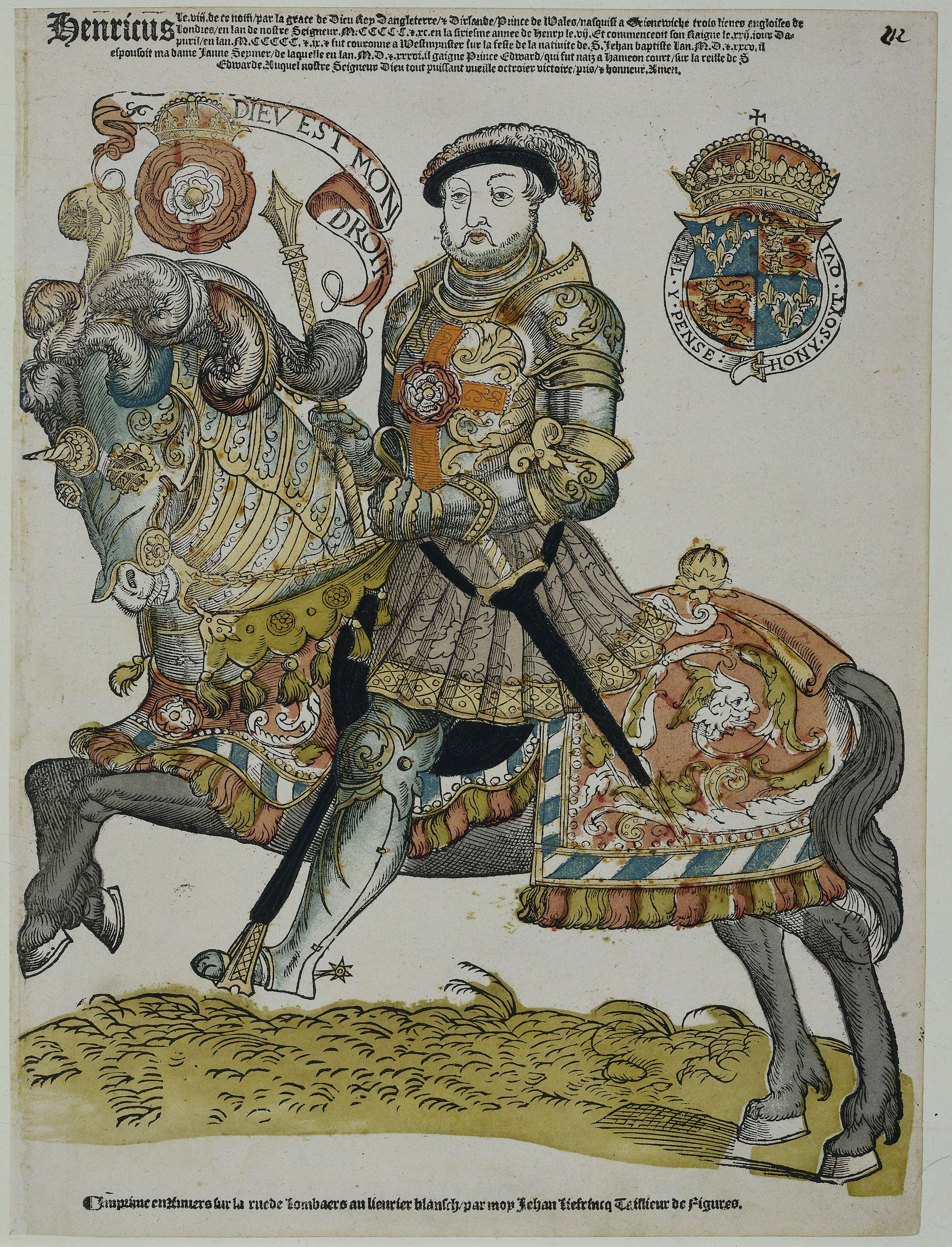
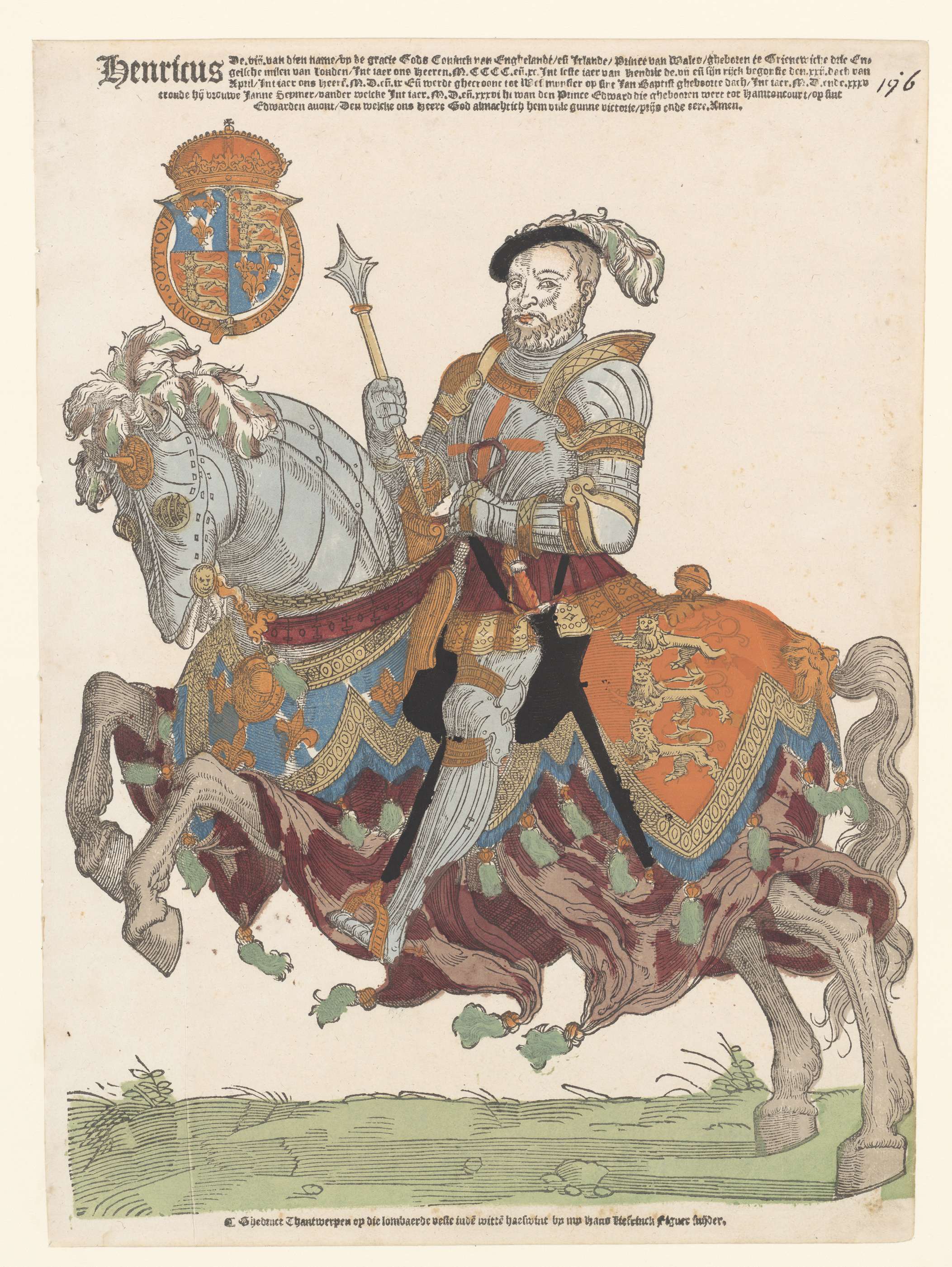
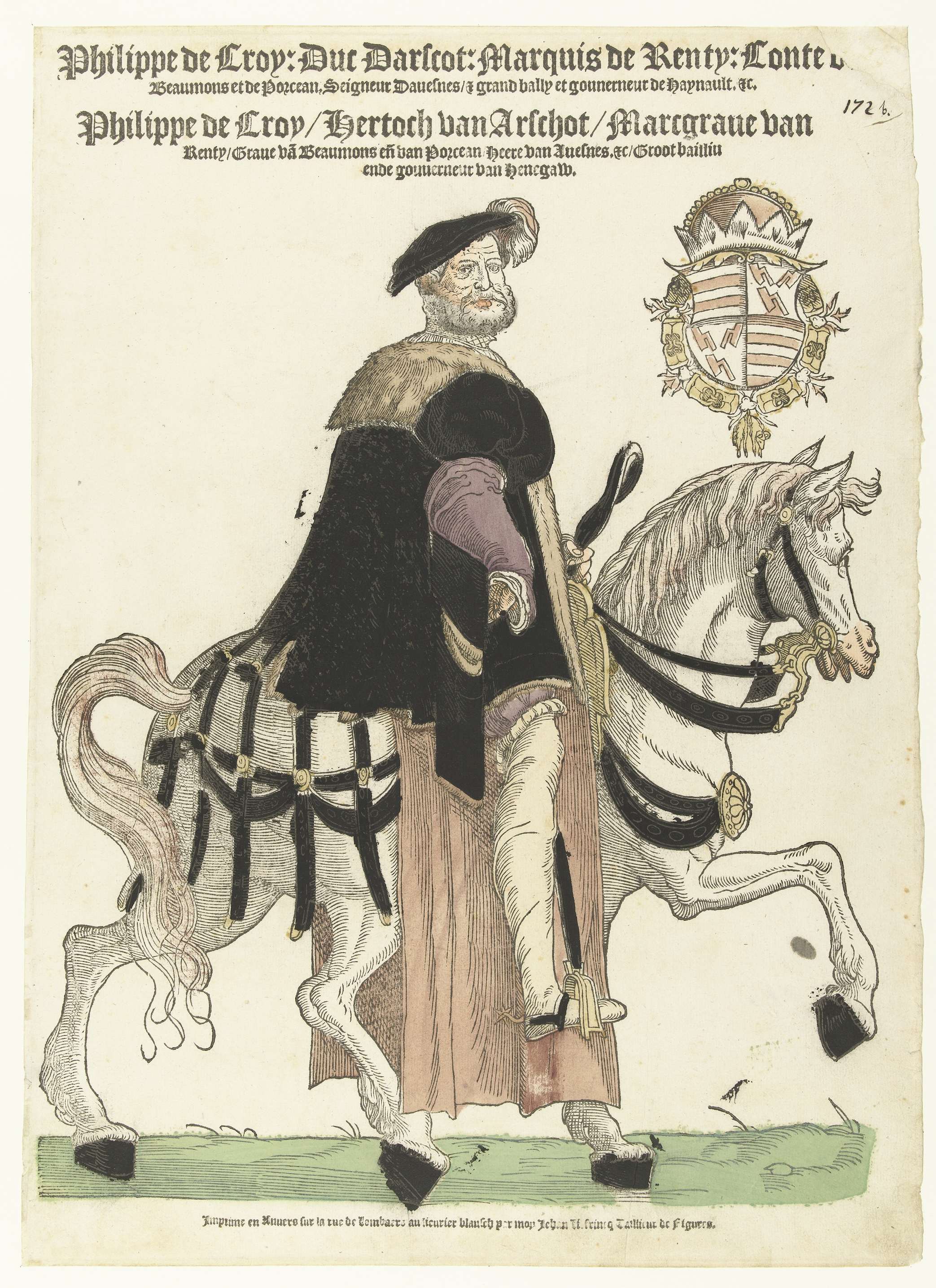
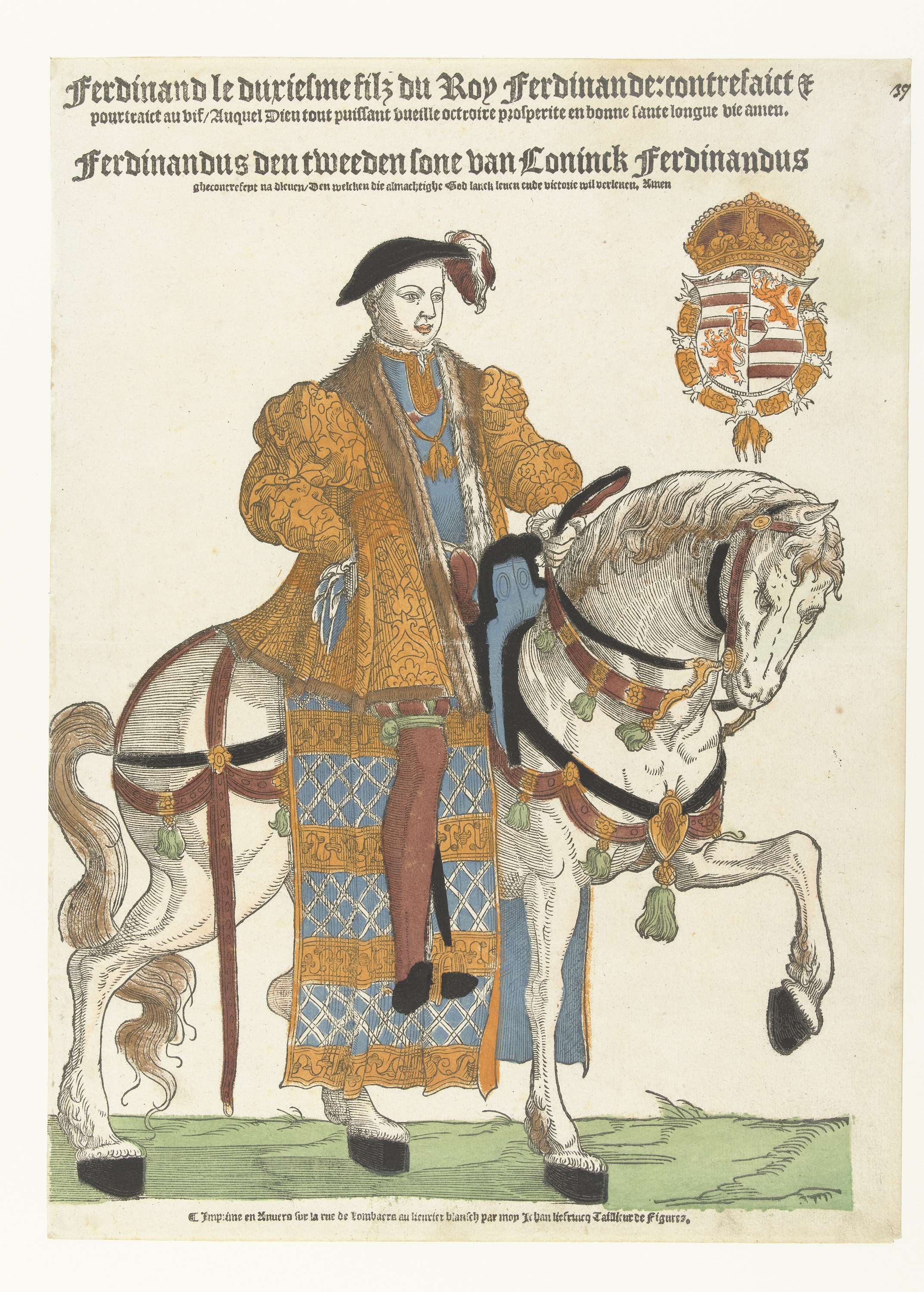
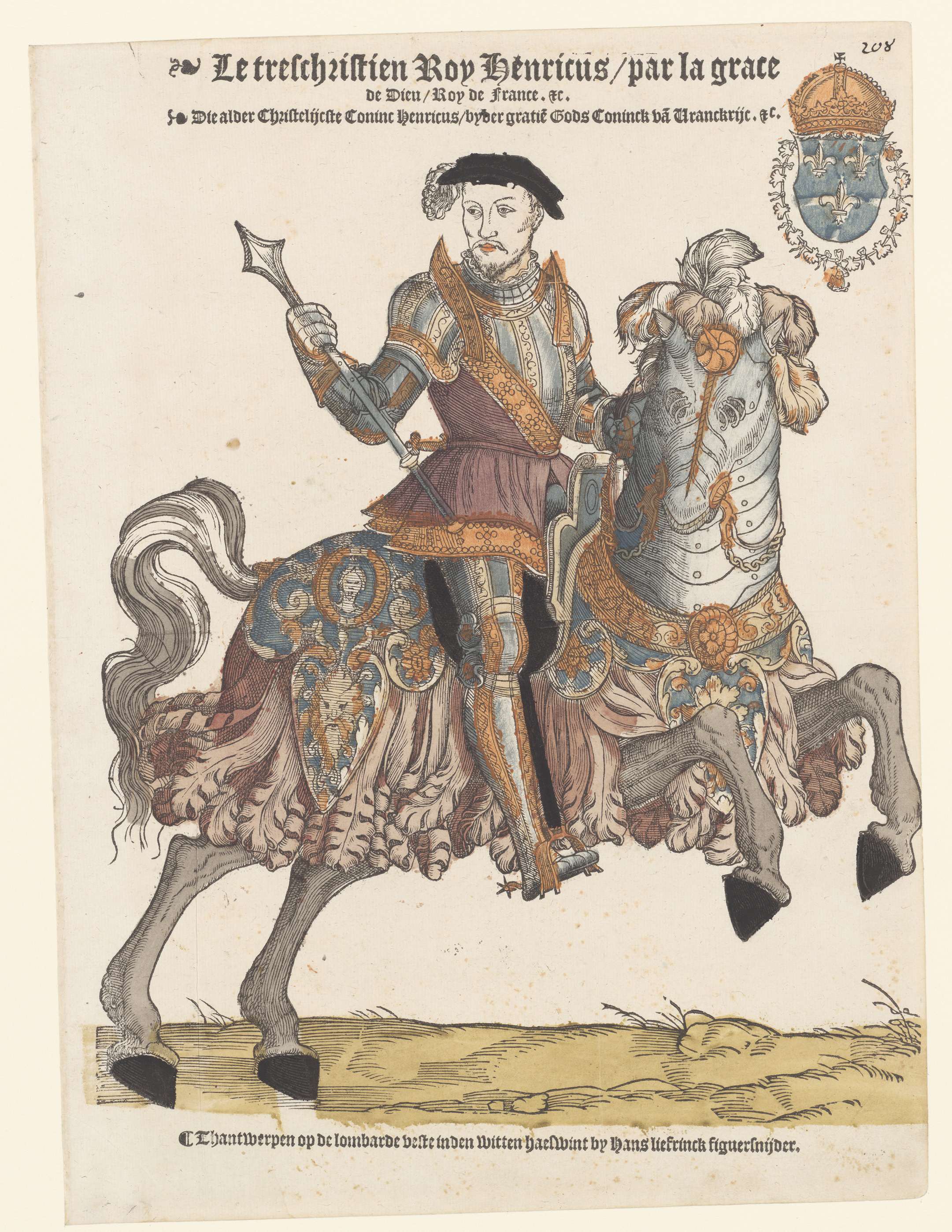
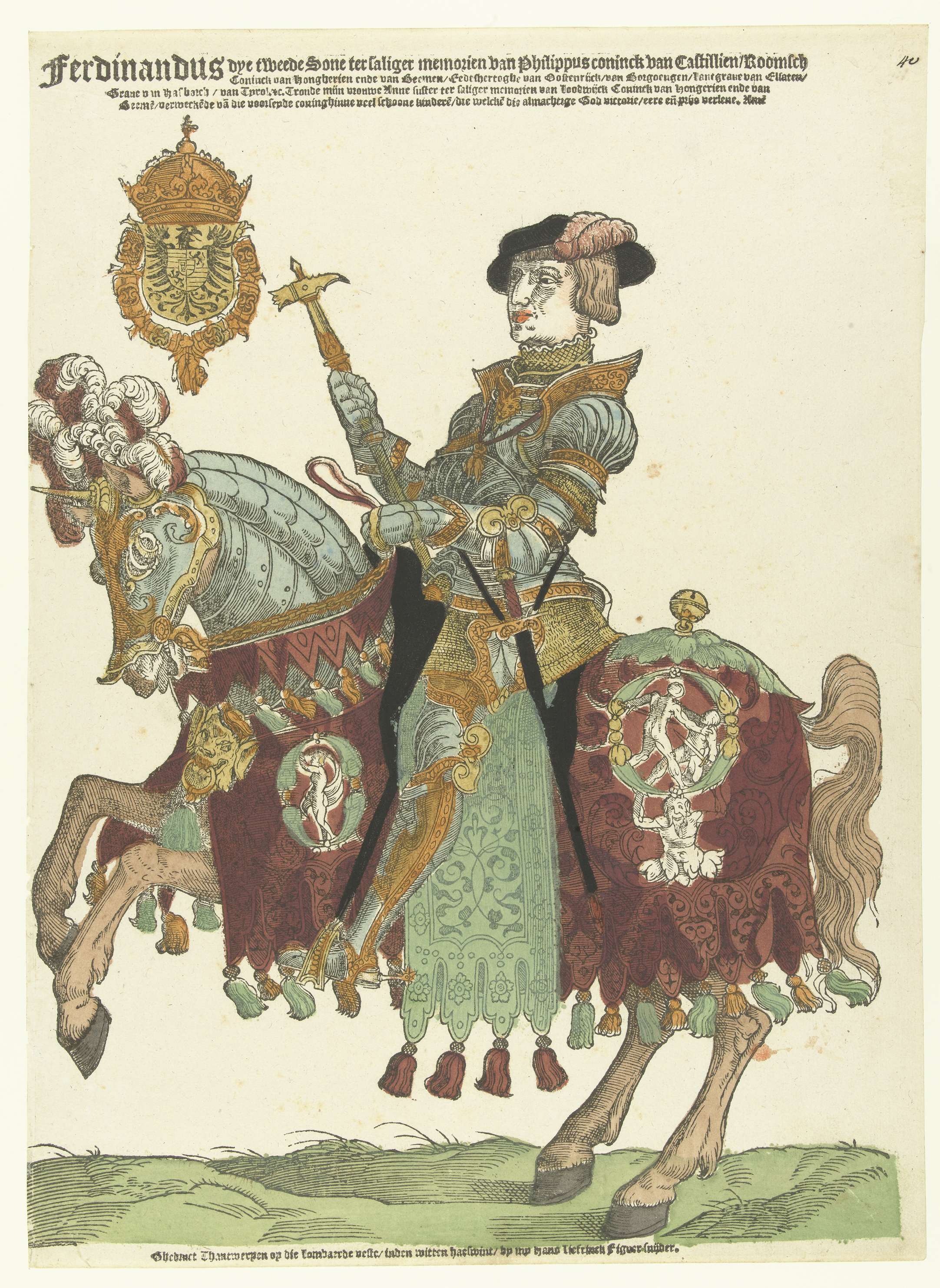
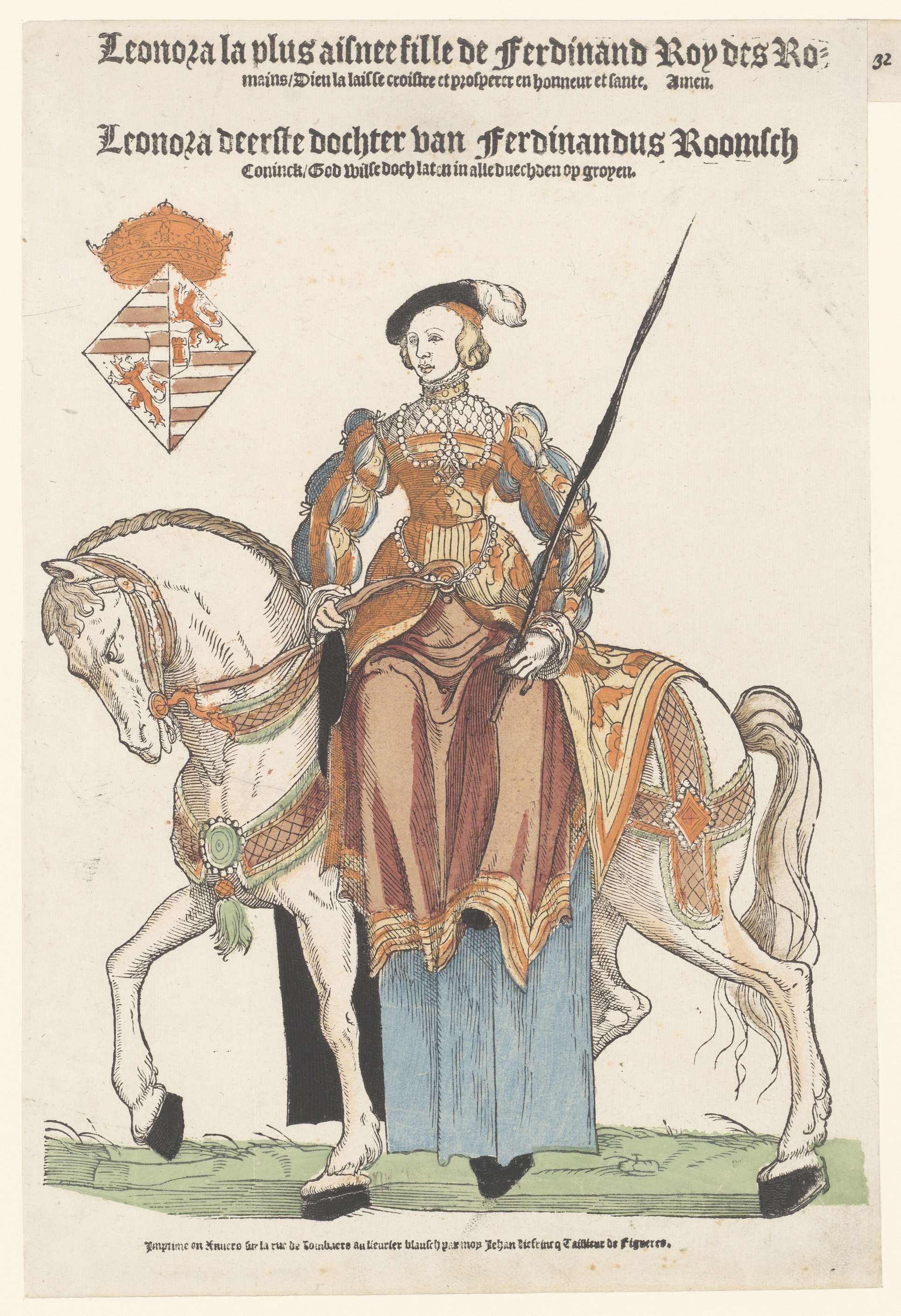
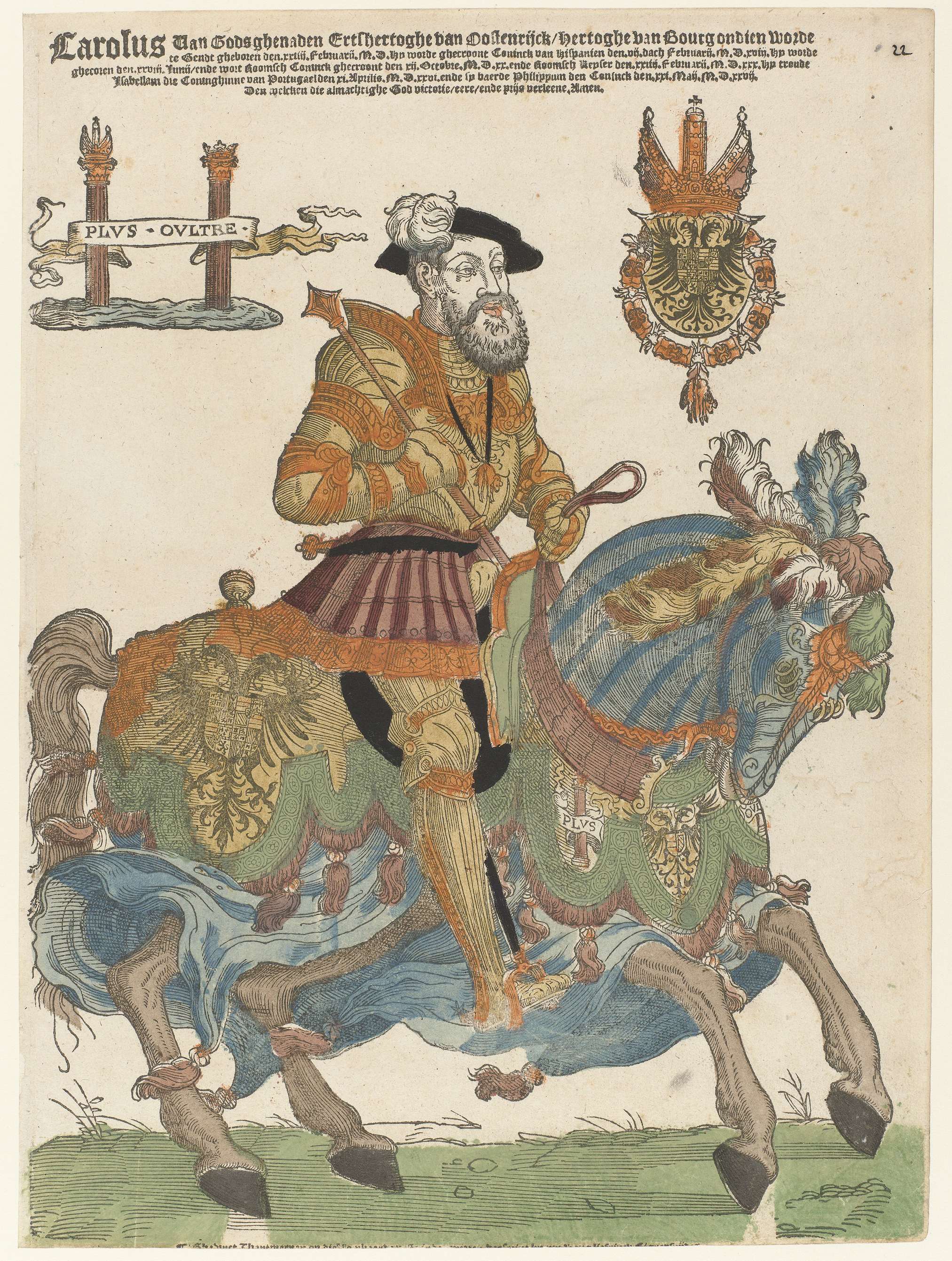
Could beauty survive in a century of chaos? The portrait of a nobleman riding through tumultuous times speaks to this question with both elegance and resolve. Look closely at the figure of Willem van Kleef, poised atop his horse, commanding the viewer’s attention. The lavish details of his attire—rich fabrics and intricate embroidery—contrast sharply with the serious, almost somber expression on his face. Notice how the light catches the metallic sheen of his armor, reflecting a moment of strength while casting shadows that hint at underlying turmoil.
The dark, muted background serves as a stage from which his presence emerges, emphasizing the isolation often felt by those in power. Delve deeper into the intricate symbolism woven into the composition. The horse, a symbol of nobility and leadership, appears restless, almost as if sensing the unrest surrounding its rider. This tension between the poised elegance of the figure and the unease of the steed mirrors the struggle of an aristocracy clinging to its ideals amidst societal upheaval.
The carefully rendered details in the face reveal a man burdened by expectations, hinting at the underlying anxiety of leadership in times marked by revolution. Created between 1543 and 1573, this work reflects a period of significant political unrest in Europe, particularly in the Low Countries. At the time, artists were grappling with the transformations of the Reformation and the impacts of the Counter-Reformation. Hans Liefrinck (I) was navigating his career amidst these changes, capturing the essence of his subjects while also hinting at the fragility of their positions in a world on the brink of upheaval.