Portret van Maximiliaan van Buren te paard — History & Analysis
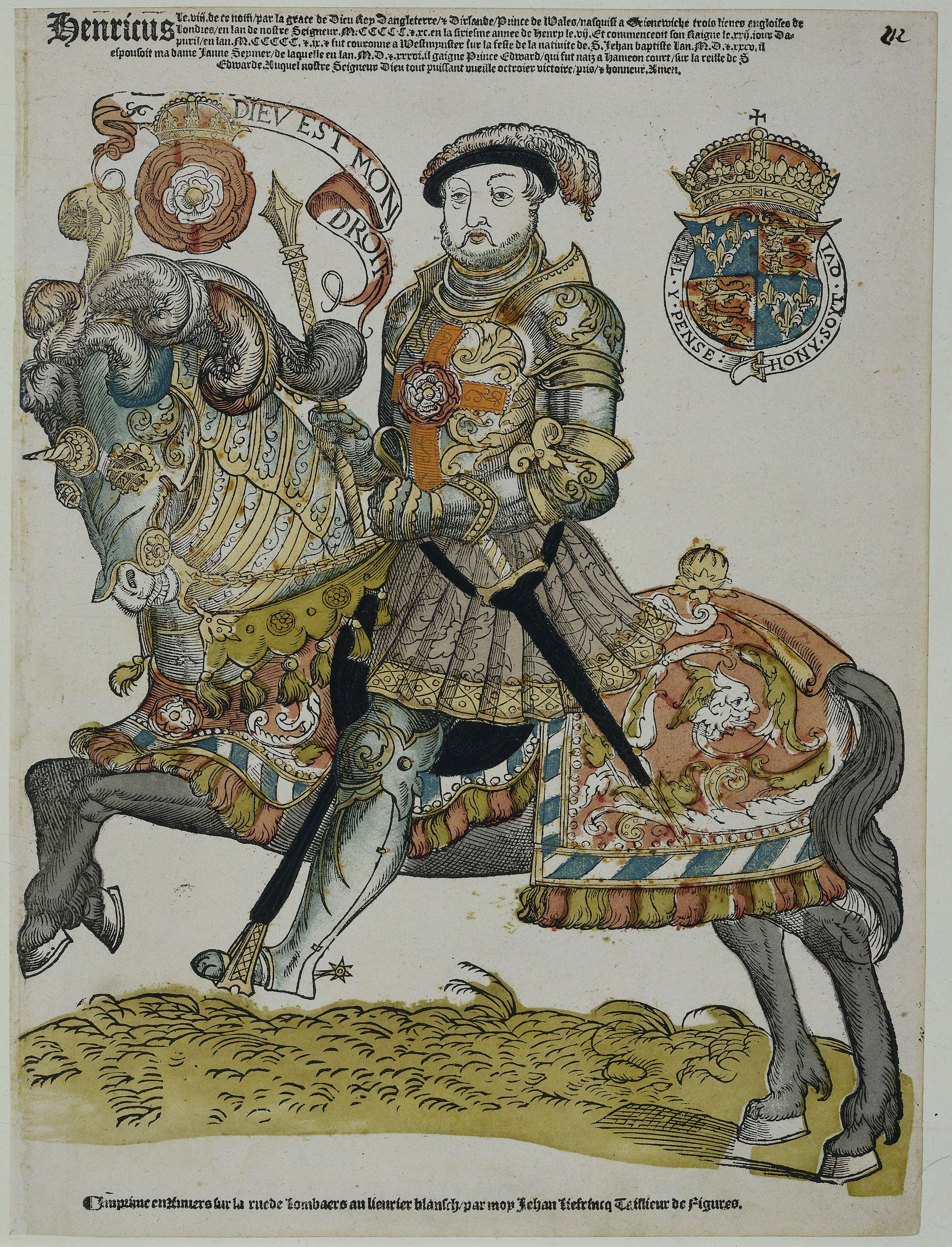
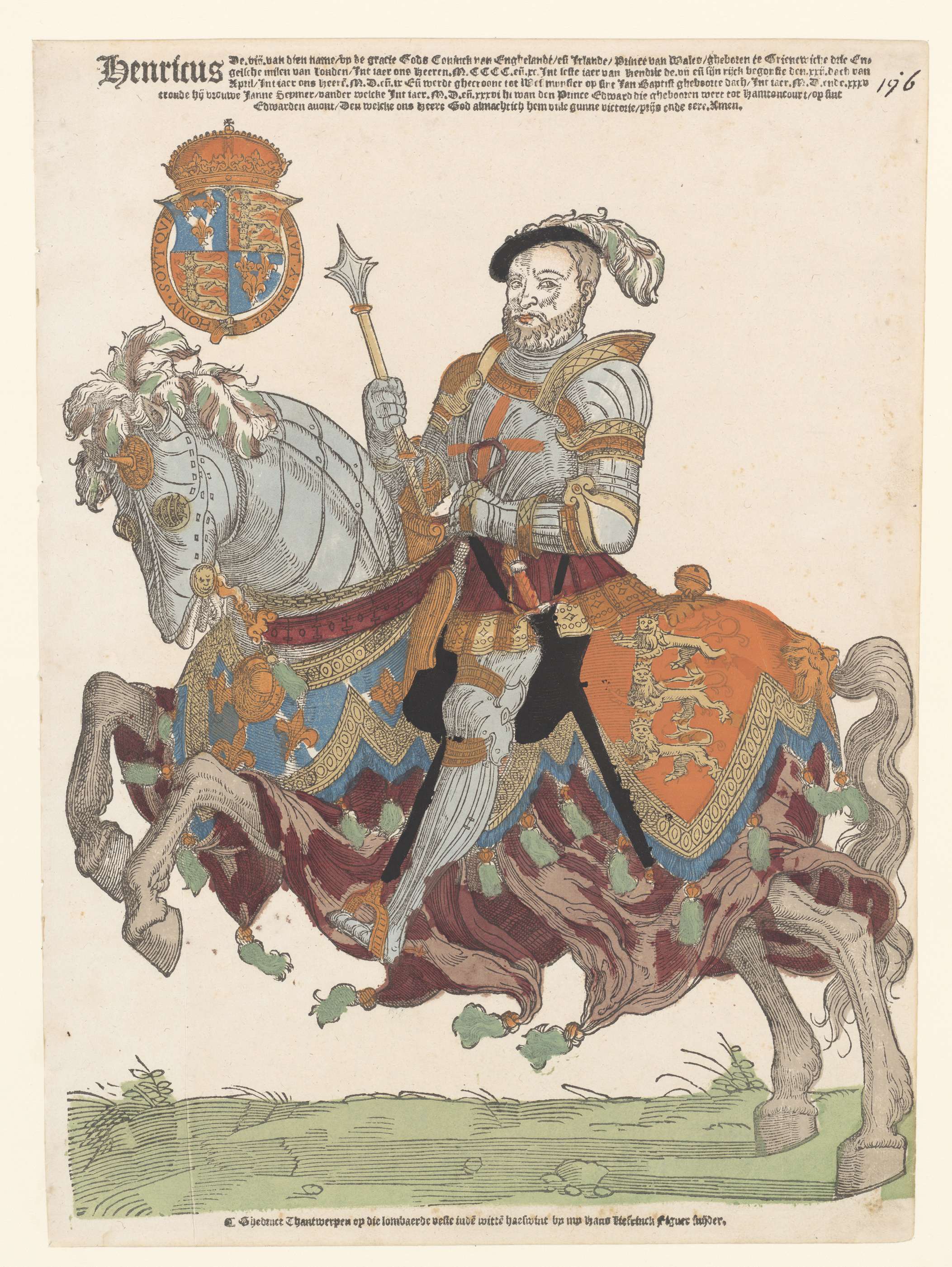
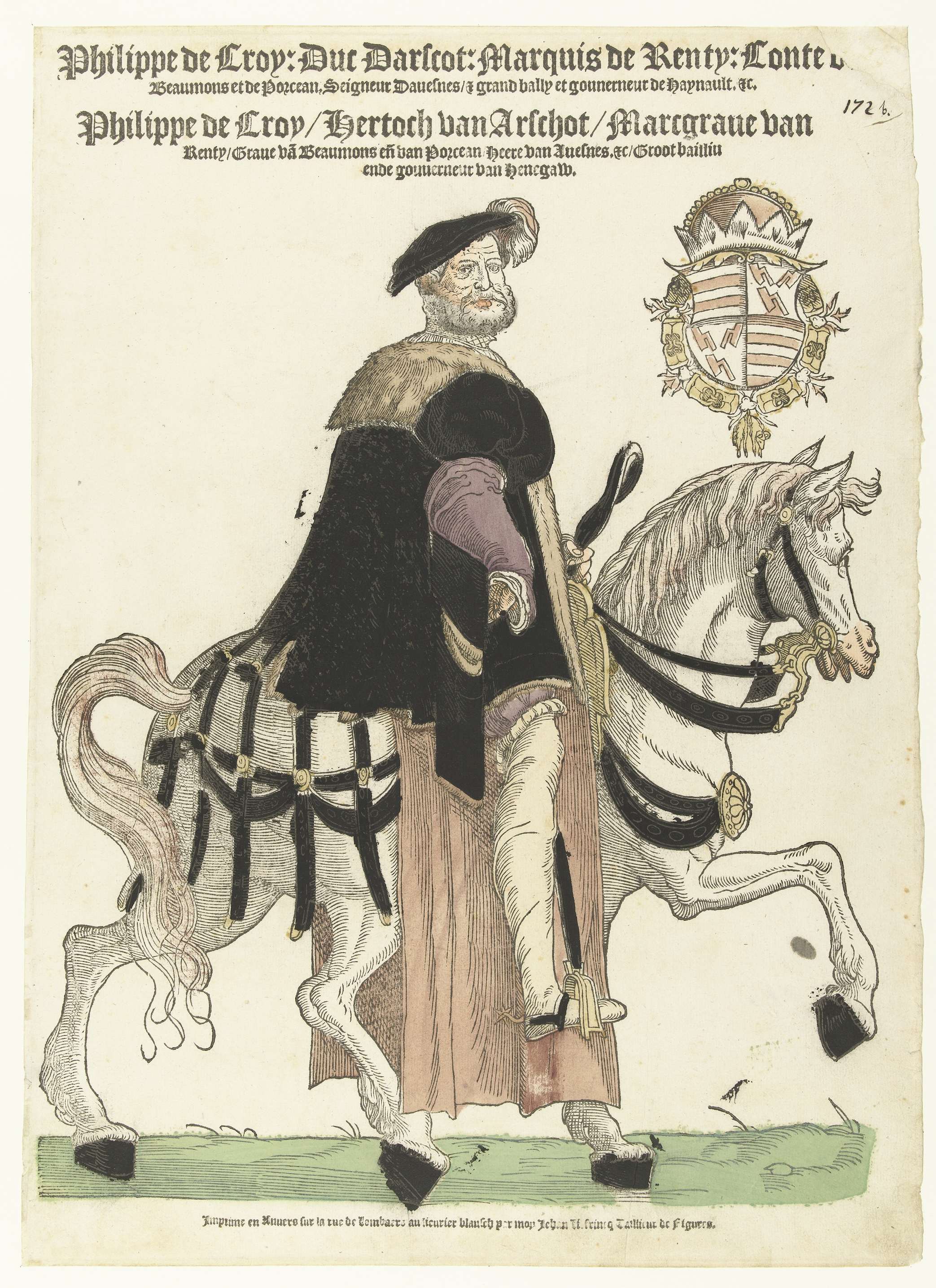
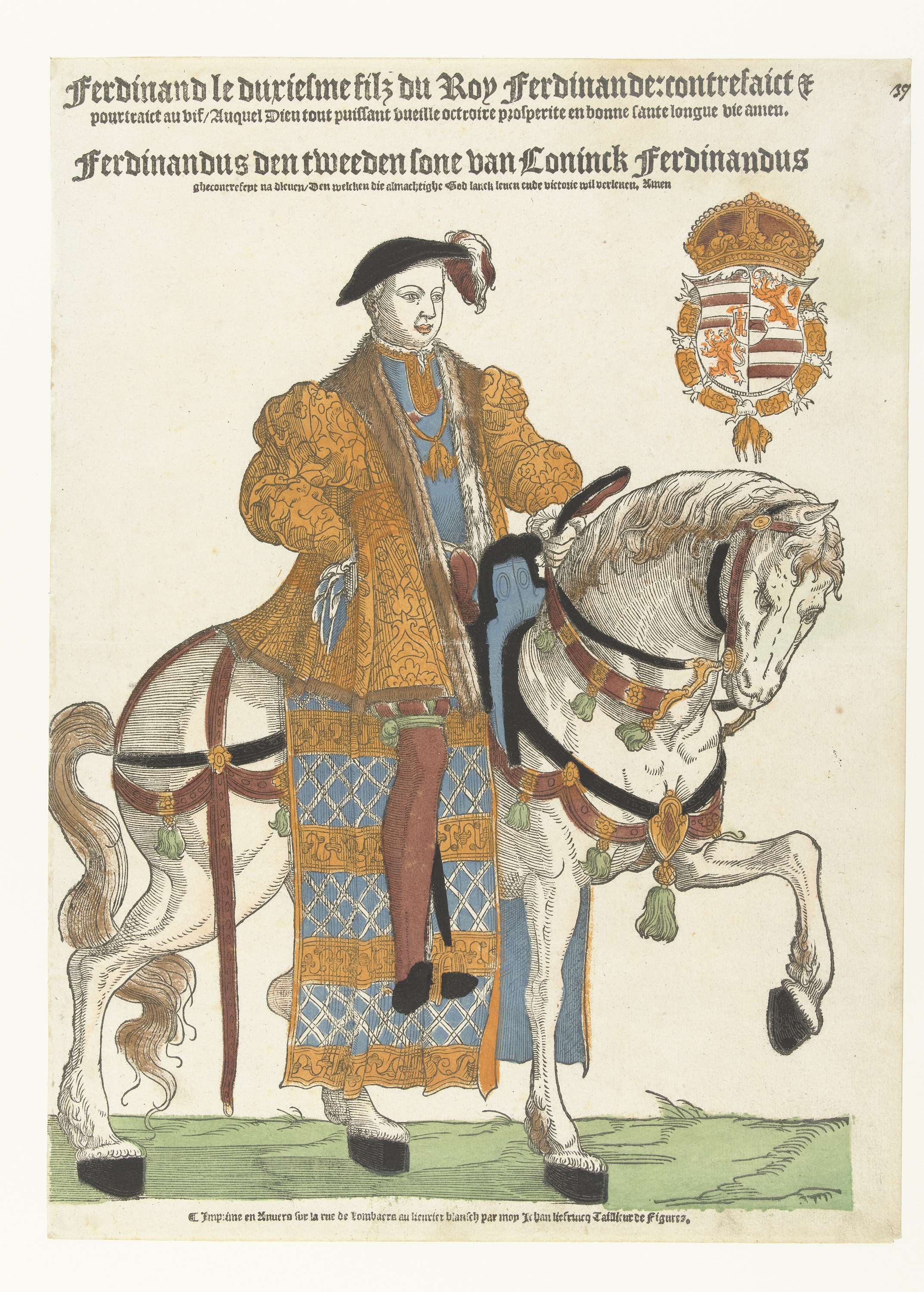
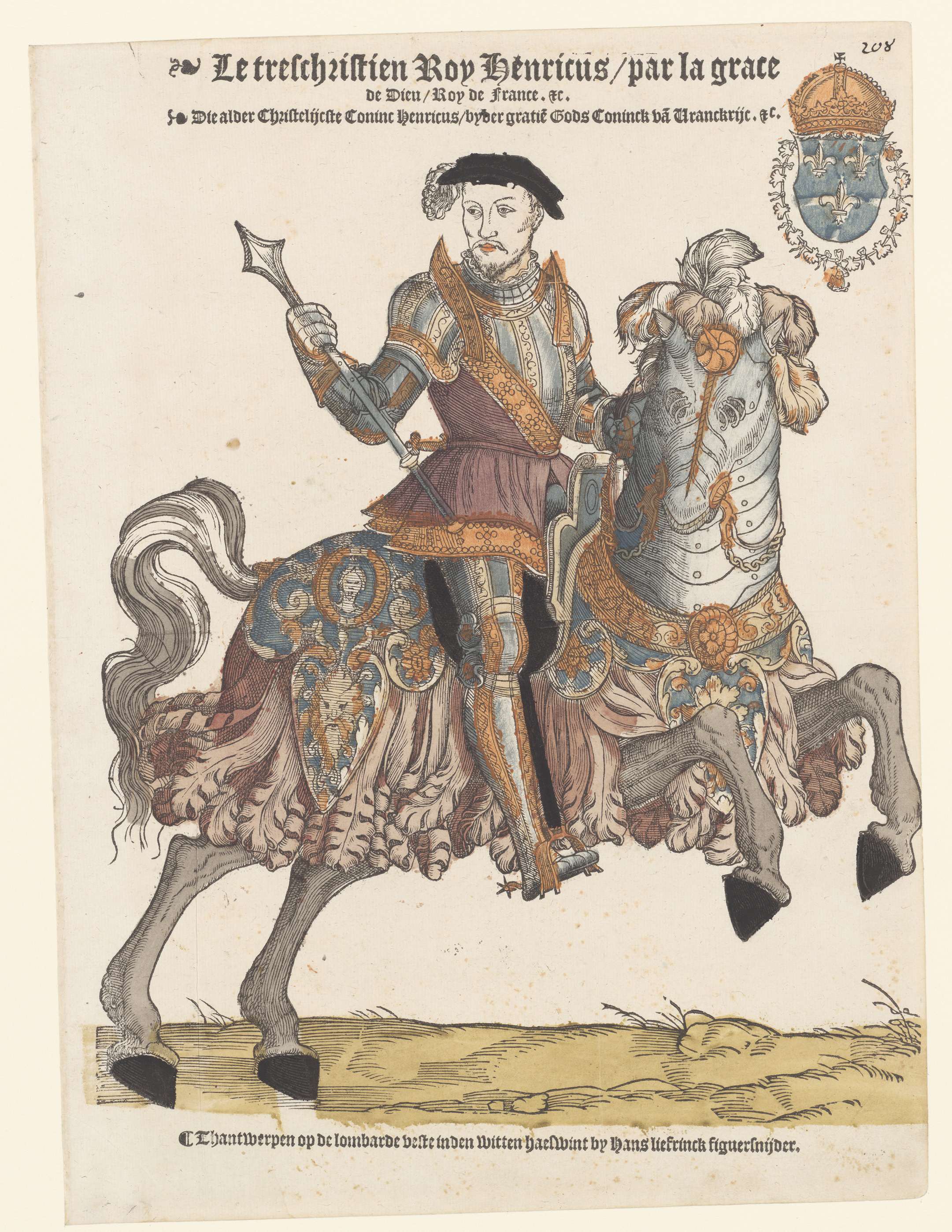
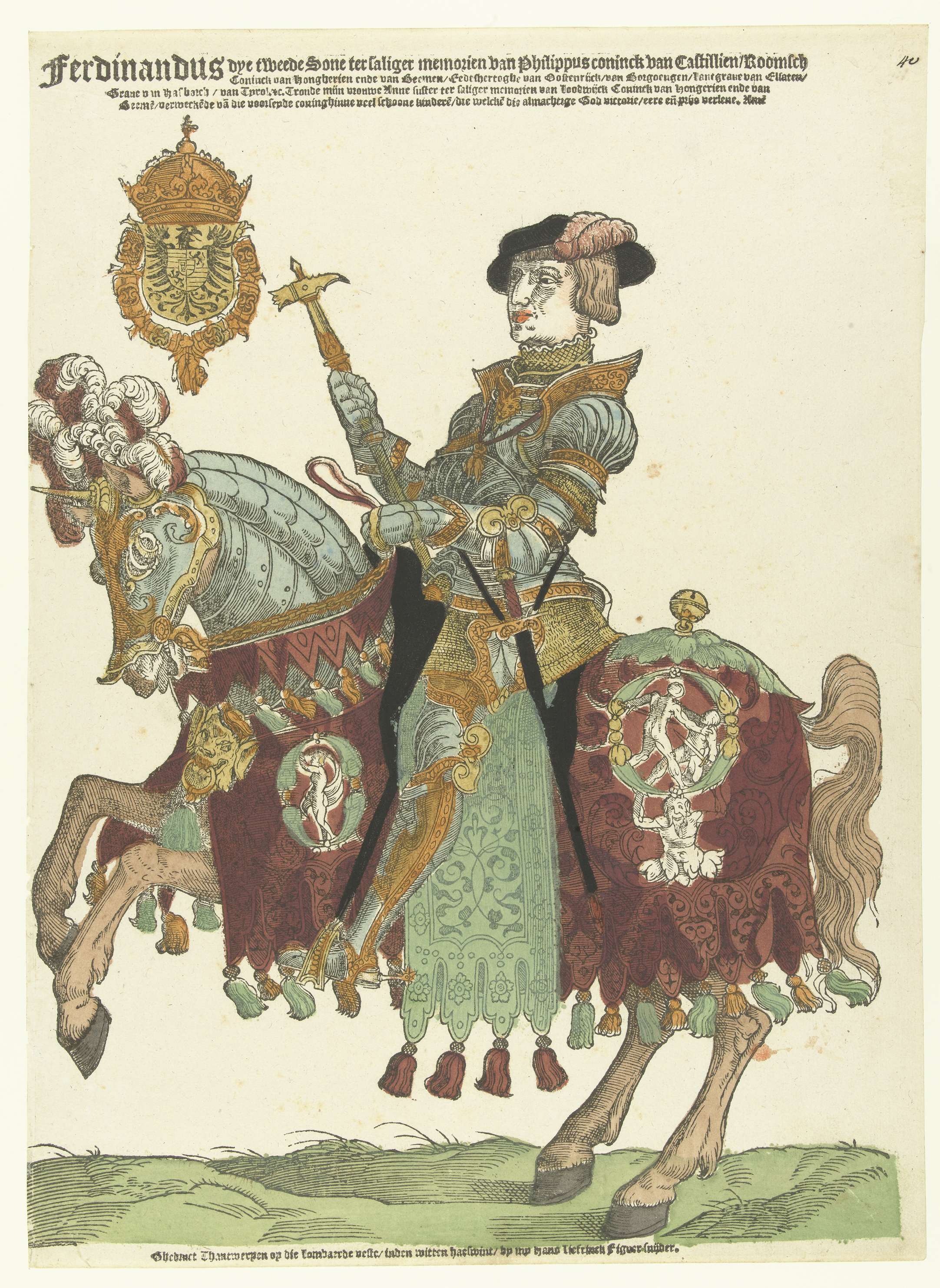
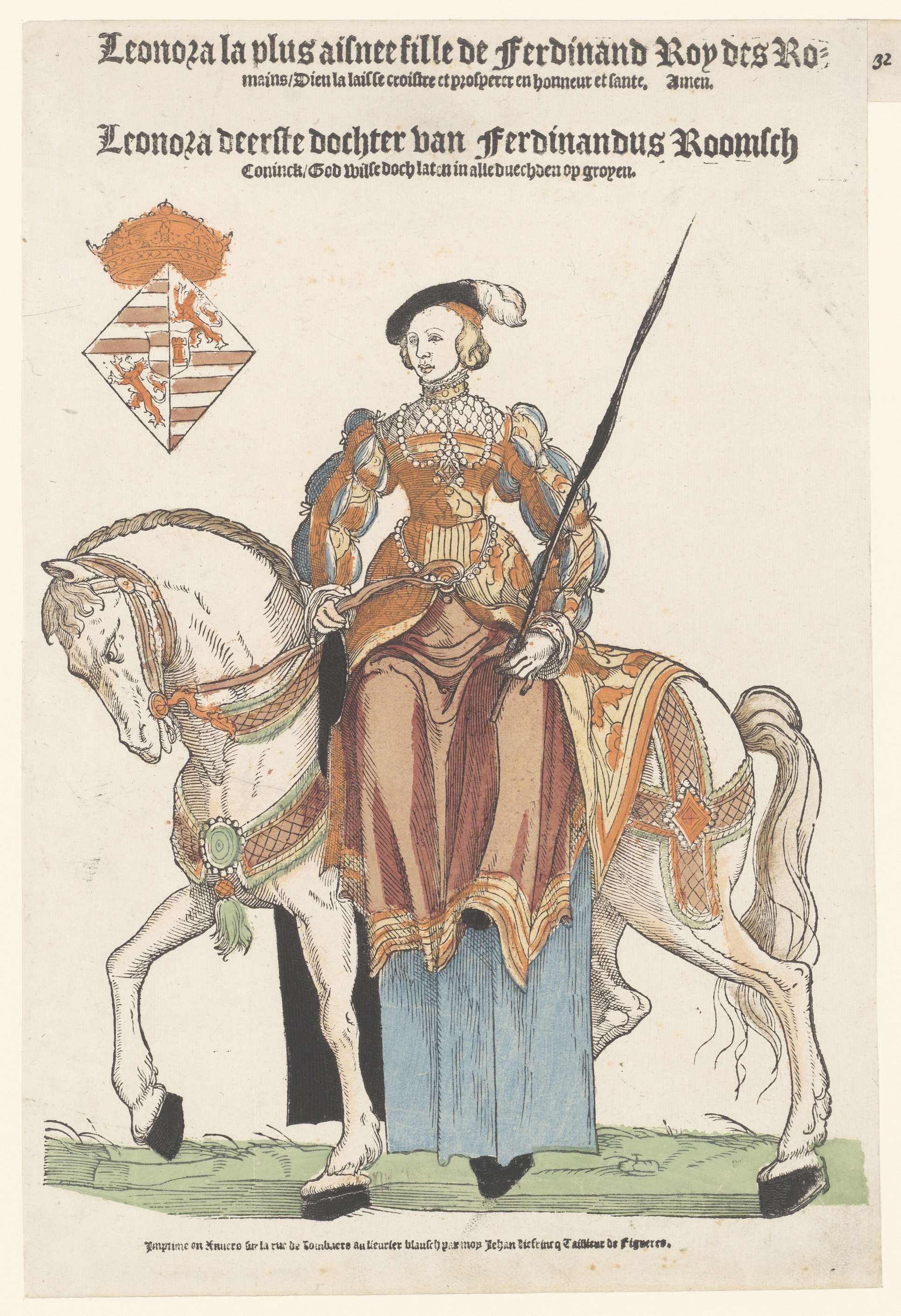
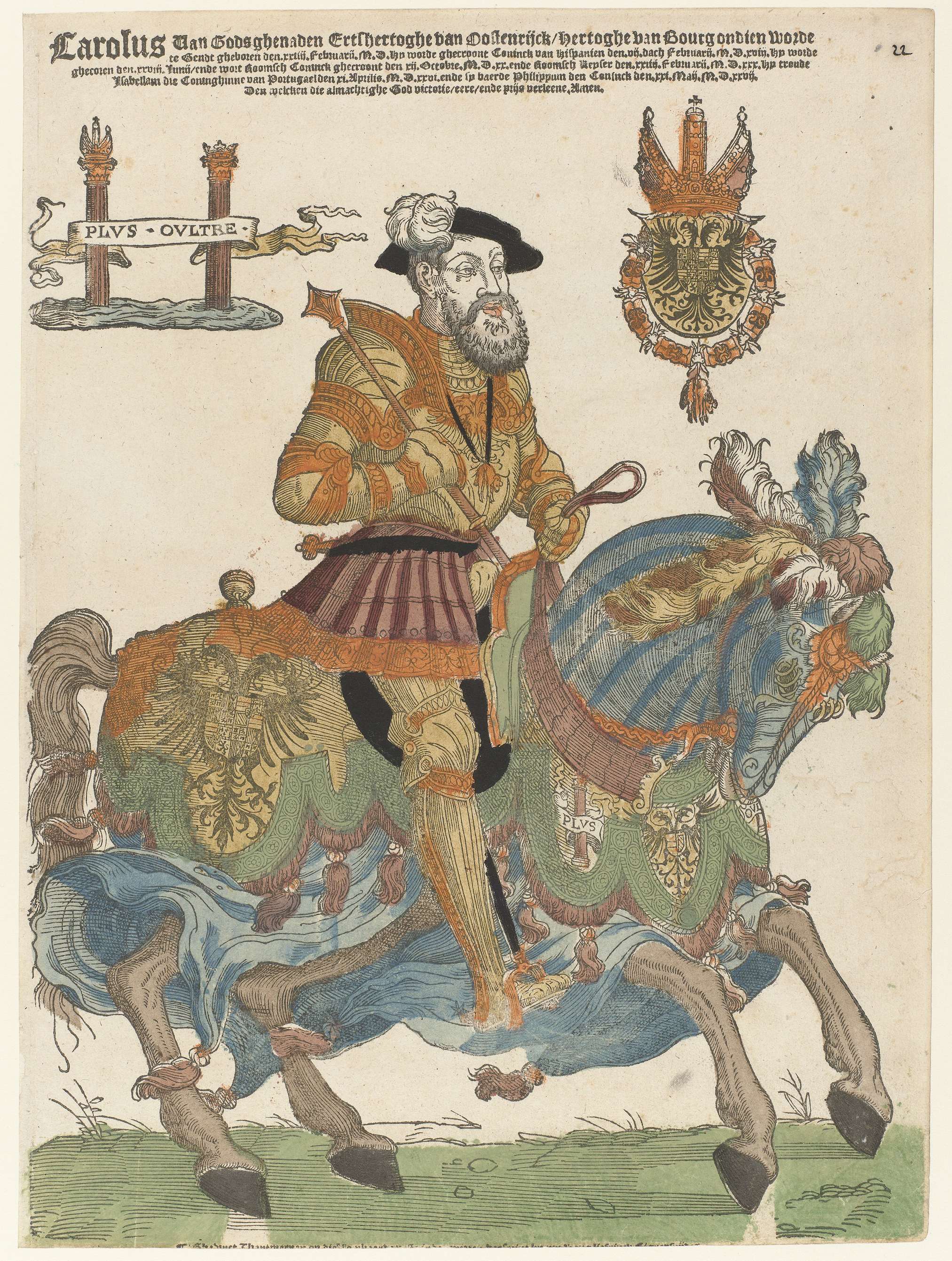
“Under the brush, chaos becomes grace.” The act of creation transforms raw emotion into something palpable, a canvas awakening to the beauty of life. In a world where identity is often masked, portraits like this one offer a glimpse into the soul of the subject. Look to the center of the canvas where Maximiliaan van Buren commands attention, seated confidently on his horse. The artist employs rich, earthy tones to create a sense of nobility and power, while the intricate detailing of the armor reflects the light, adding a dynamic quality to the scene.
Notice how the lush background, with its muted greens and warm browns, frames the figure, grounding him in a world that feels both immediate and timeless. The contrast between the knight’s imposing stature and the delicate touches in the horse's mane reveals a thoughtful balance of strength and elegance. The subtle brushwork conveys movement within the stillness, suggesting that both man and beast are part of something larger—a moment caught between the past and a future yet to unfold.
The tension lies in their poised readiness, as if they are about to embark on a journey that echoes the trials of their age. Hans Liefrinck created this portrait in 1543, during a time when the Northern Renaissance was blossoming, marked by intricate detail and humanist themes. Working in the vibrant cultural milieu of Antwerp, he was influenced by the rising demand for portraits that captured the essence of the sitter, reflecting both personal identity and social status amidst the shifting political landscape of Europe.