Quiet Canal — History & Analysis
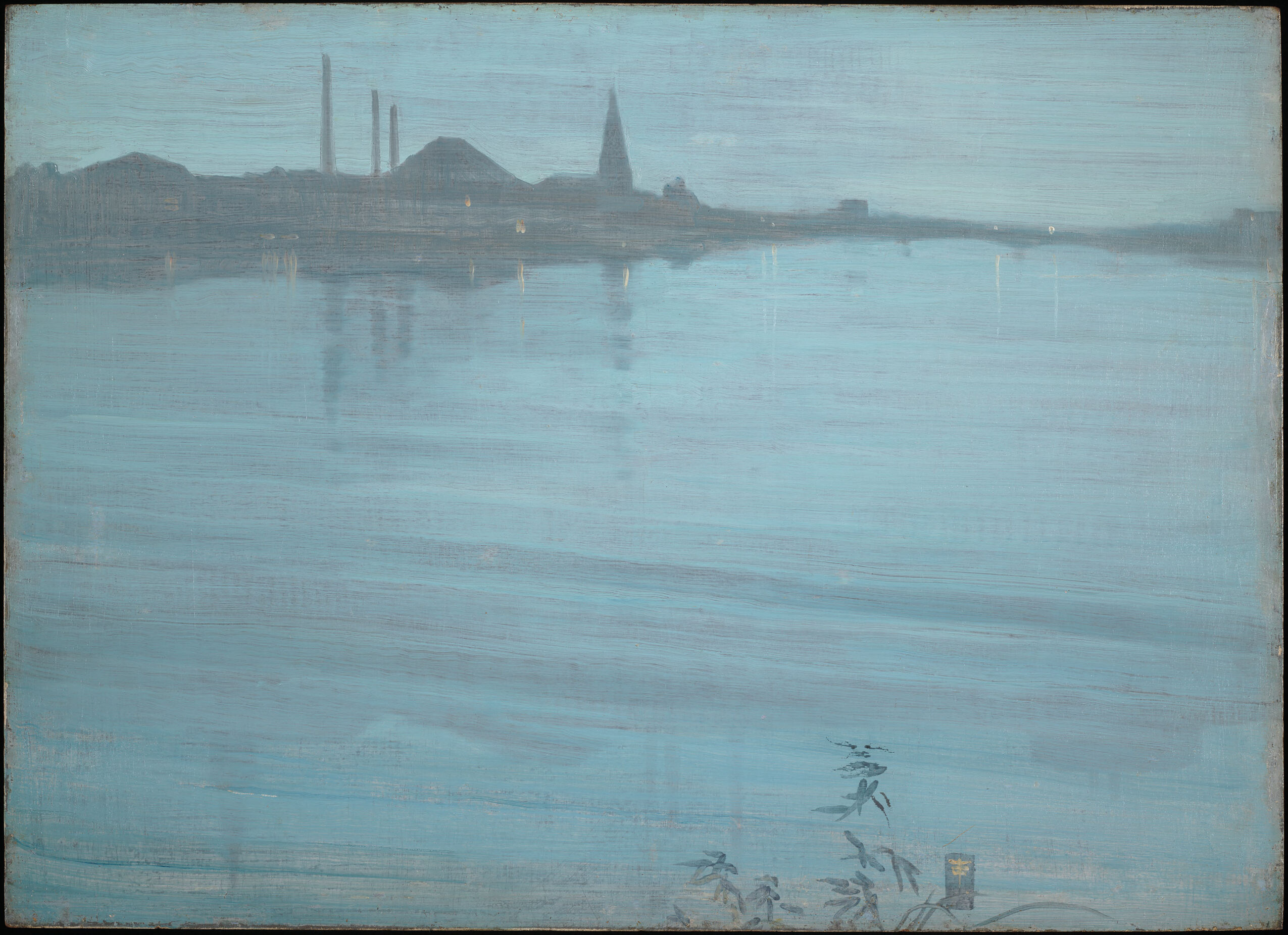
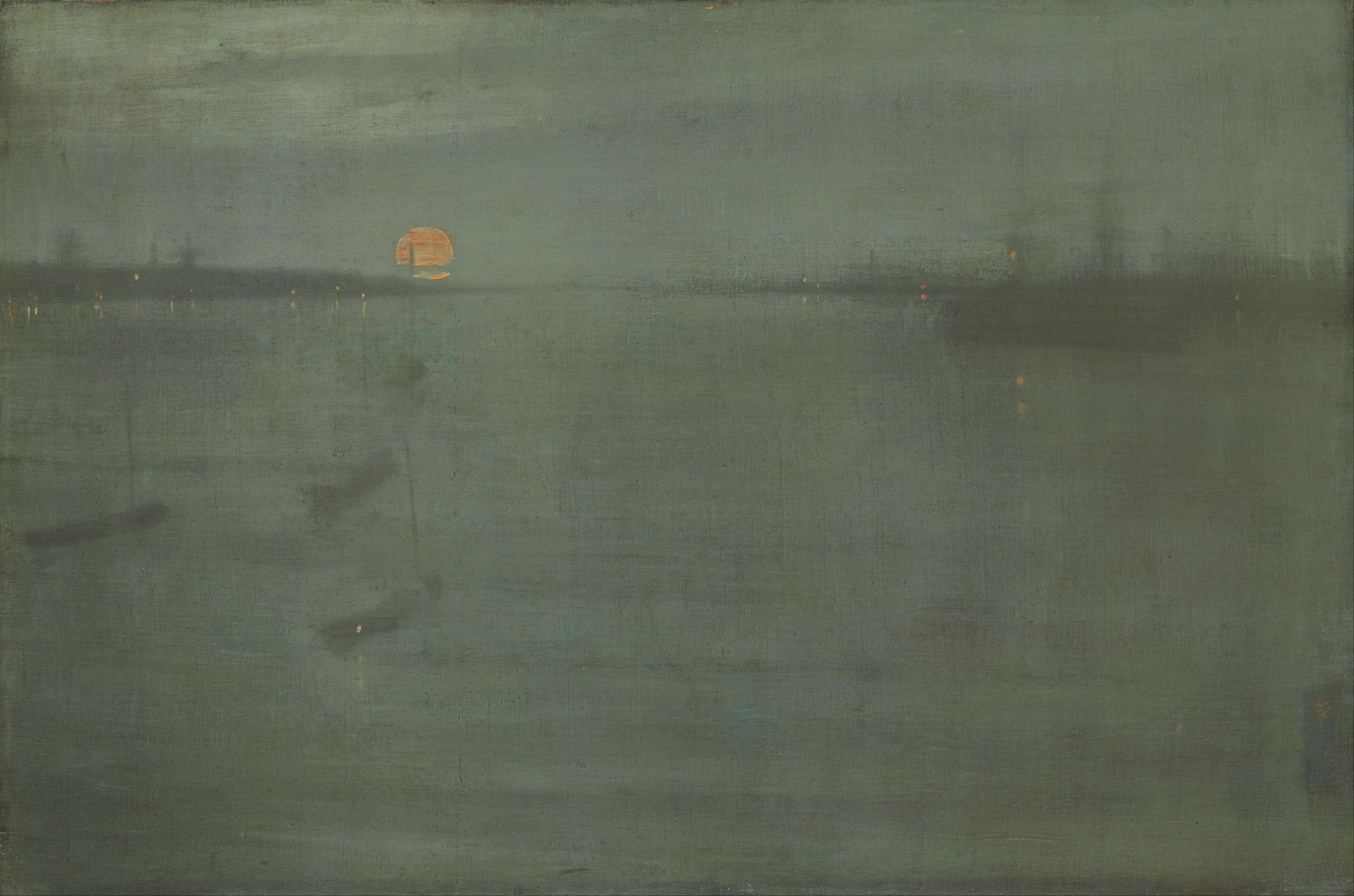
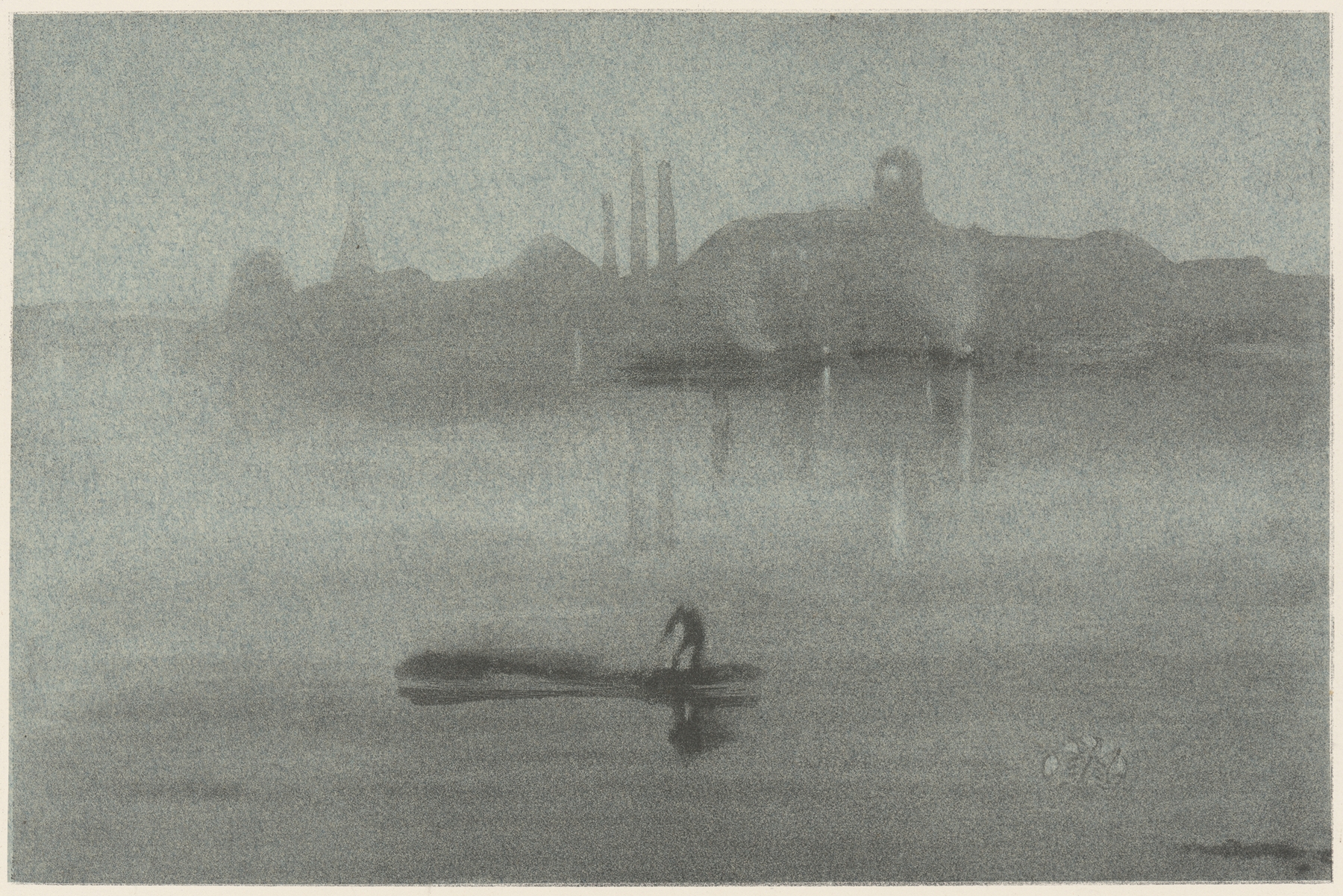
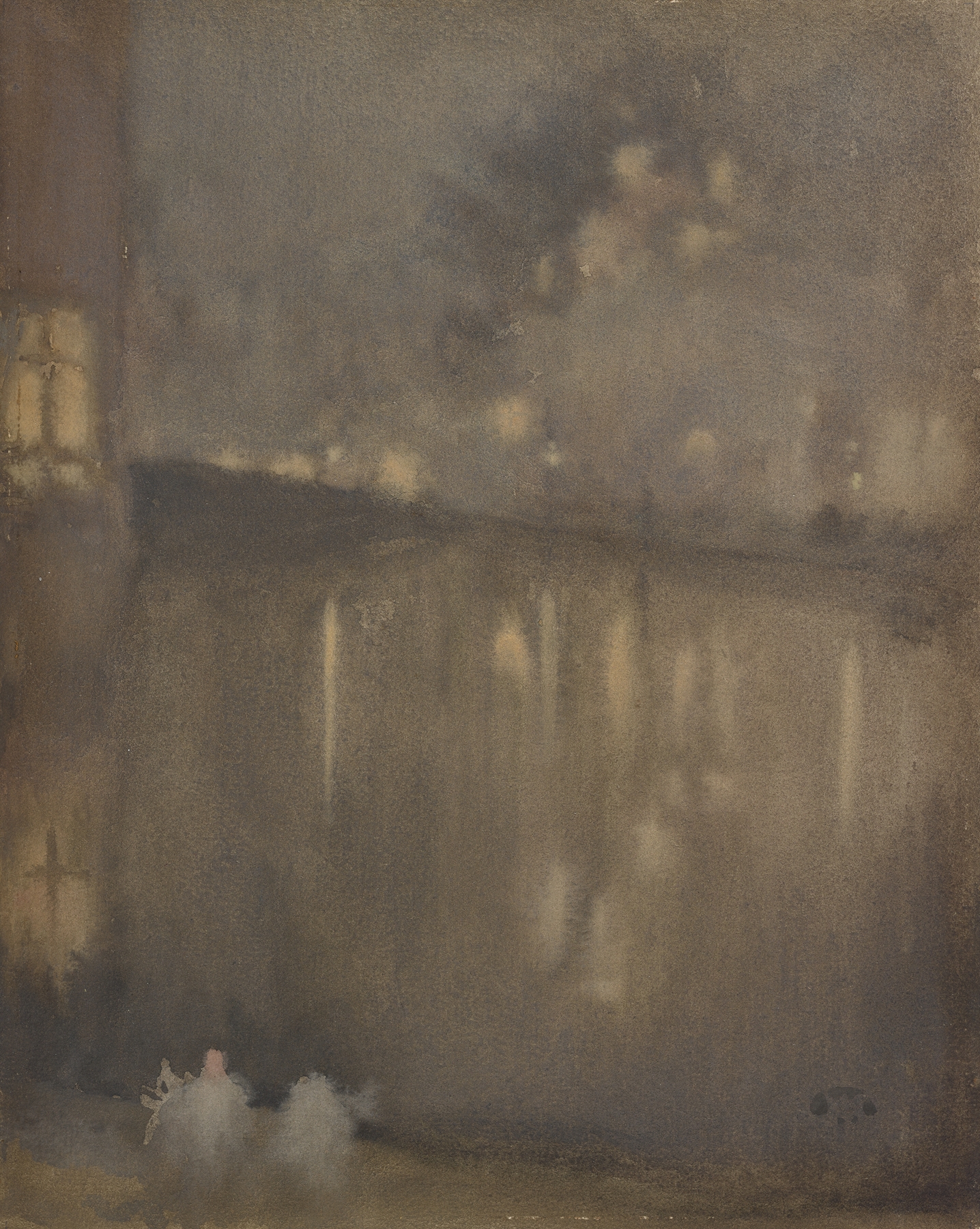
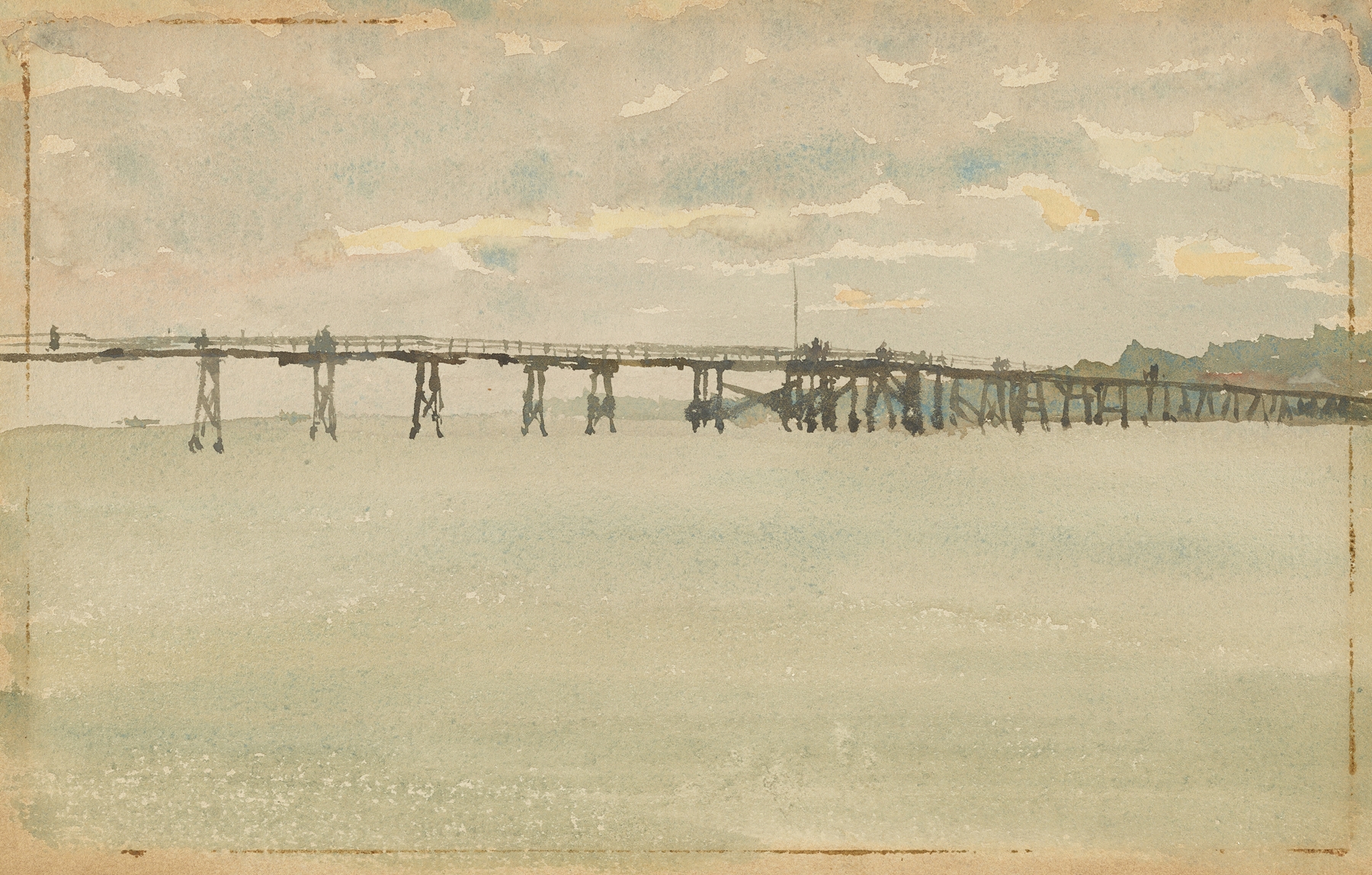
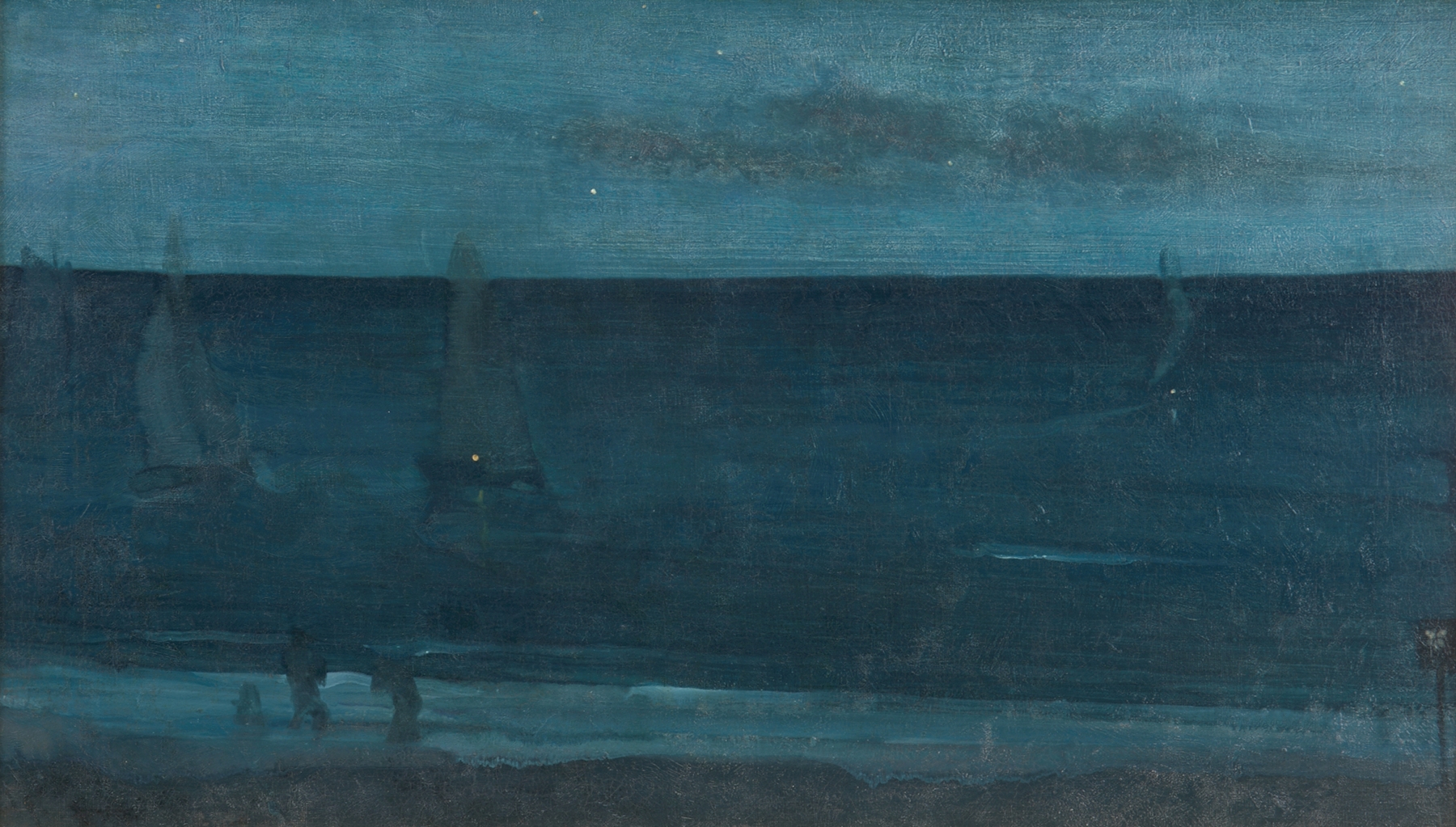
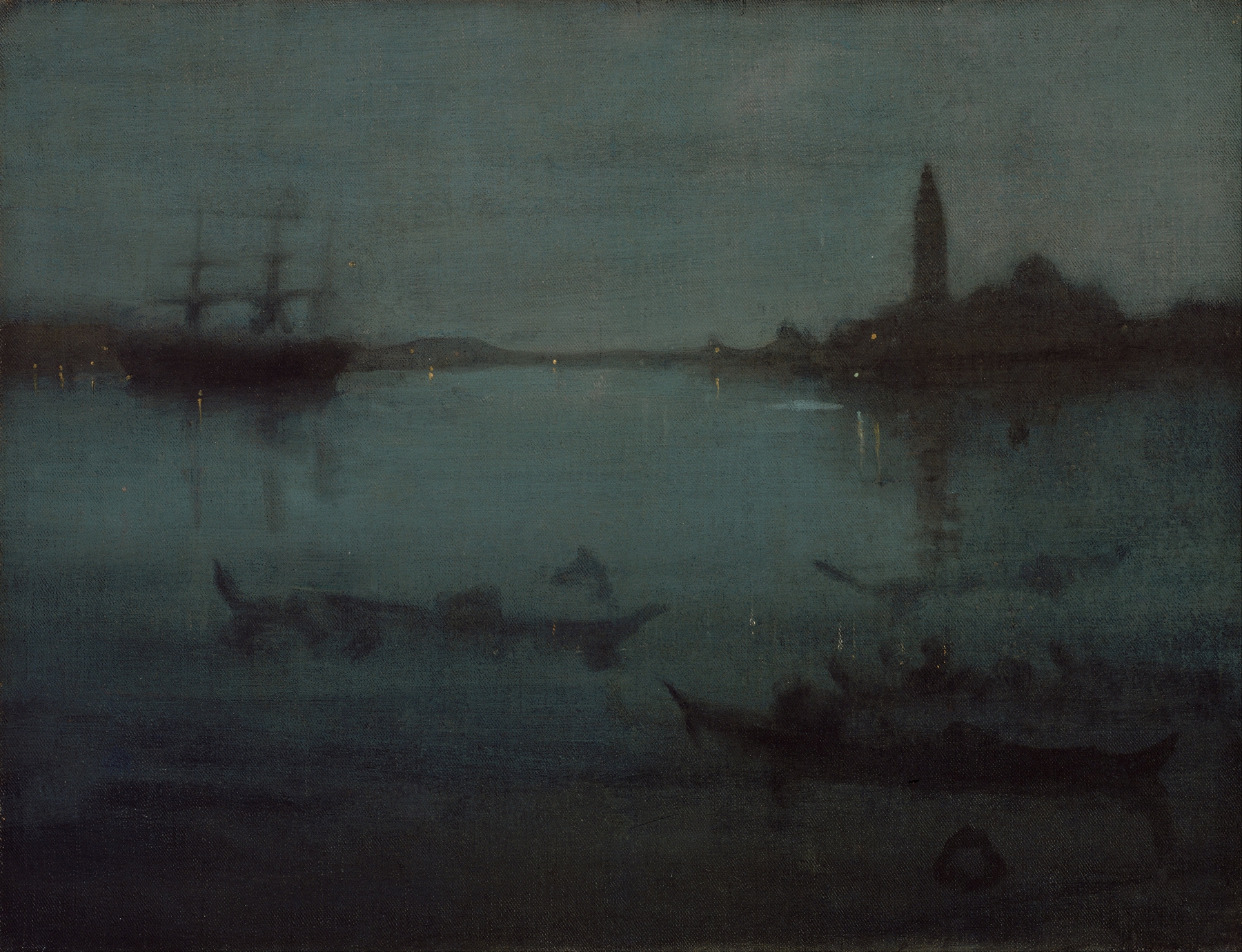
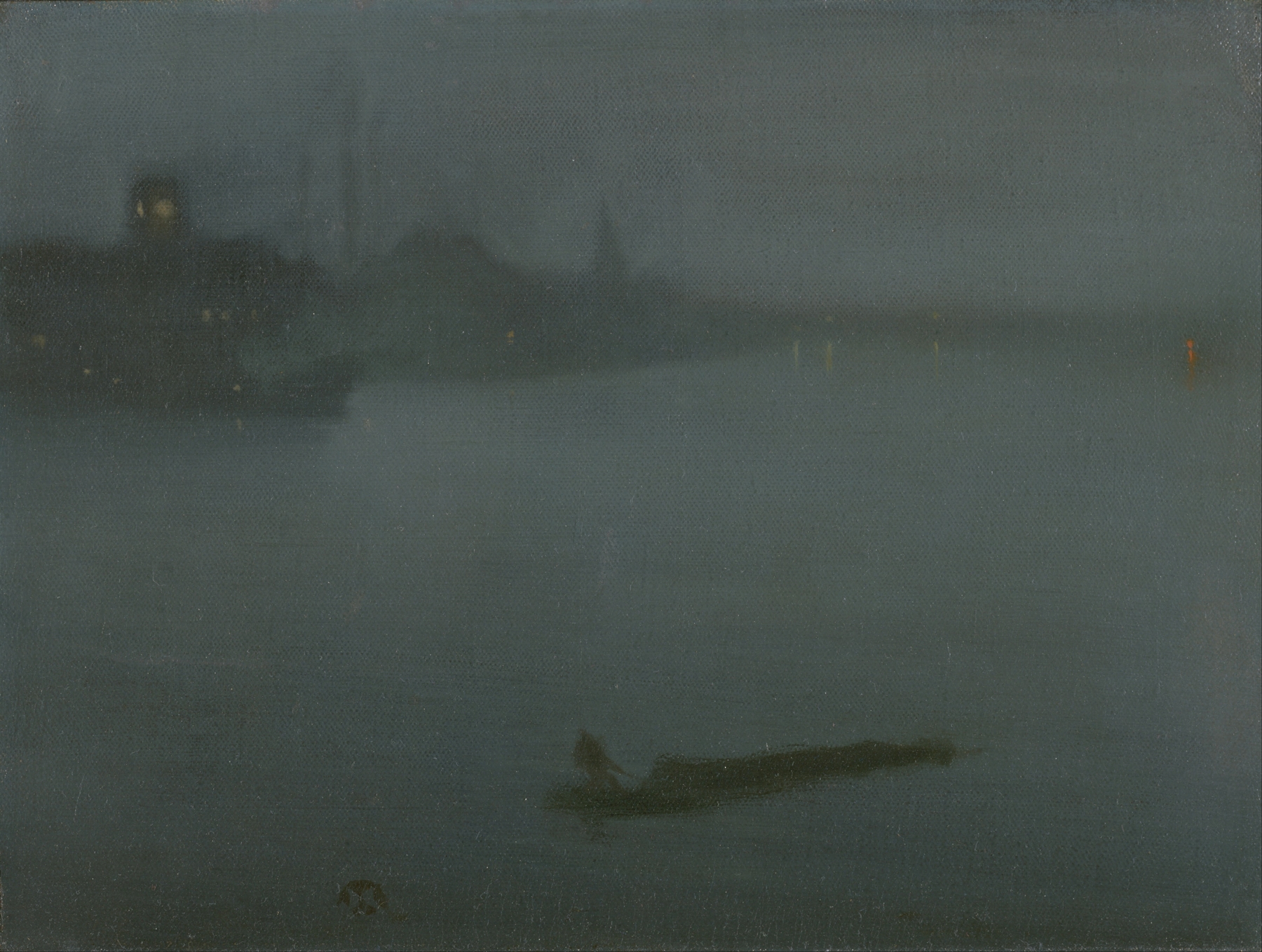
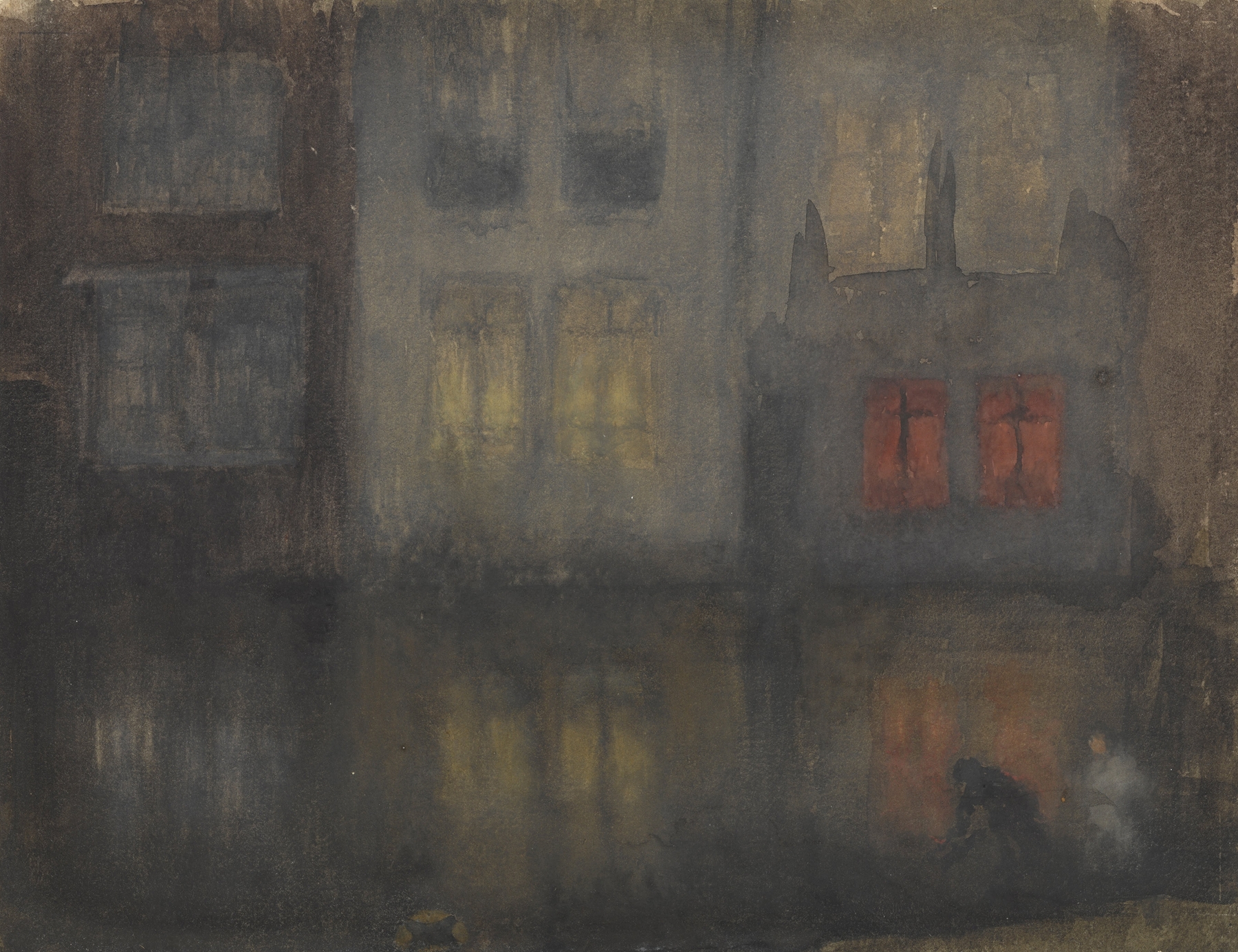
The canvas doesn’t lie — it simply waits. In the stillness of a moment, can we find the quiet faith we seek? Look to the left at the gentle curve of the canal, where soft blues and greys blend seamlessly into one another. The water's surface reflects the dusky sky, creating a harmonious dialogue between the elements. Notice how the light dances delicately upon the water, illuminating the solitary figure on the far bank, poised in contemplative silence.
This muted color palette evokes a sense of serenity, inviting viewers to breathe in the tranquility encapsulated within the scene. As you delve deeper, consider the contrast between the solid, anchored structure of the canal and the ephemeral quality of the light playing along its surface. The solitary figure, standing resolute yet diminutive, embodies a moment of introspection, suggesting a dialogue between humanity and nature. The stillness of the scene prompts thoughts on the passage of time and the quiet faith that sustains us through uncertainty.
Every brushstroke speaks of both presence and absence, reflecting an inner world that mirrors the landscape. In the late 19th century, Whistler painted this piece during his time in London, amidst a rapidly changing art scene that was increasingly moving toward Impressionism. His exploration of light and color was revolutionary, aiming to capture the essence of a moment rather than a detailed representation. Surrounded by debates about artistic styles and the role of art, he found solace in this quiet exploration, seeking faith in the beauty of the ordinary.