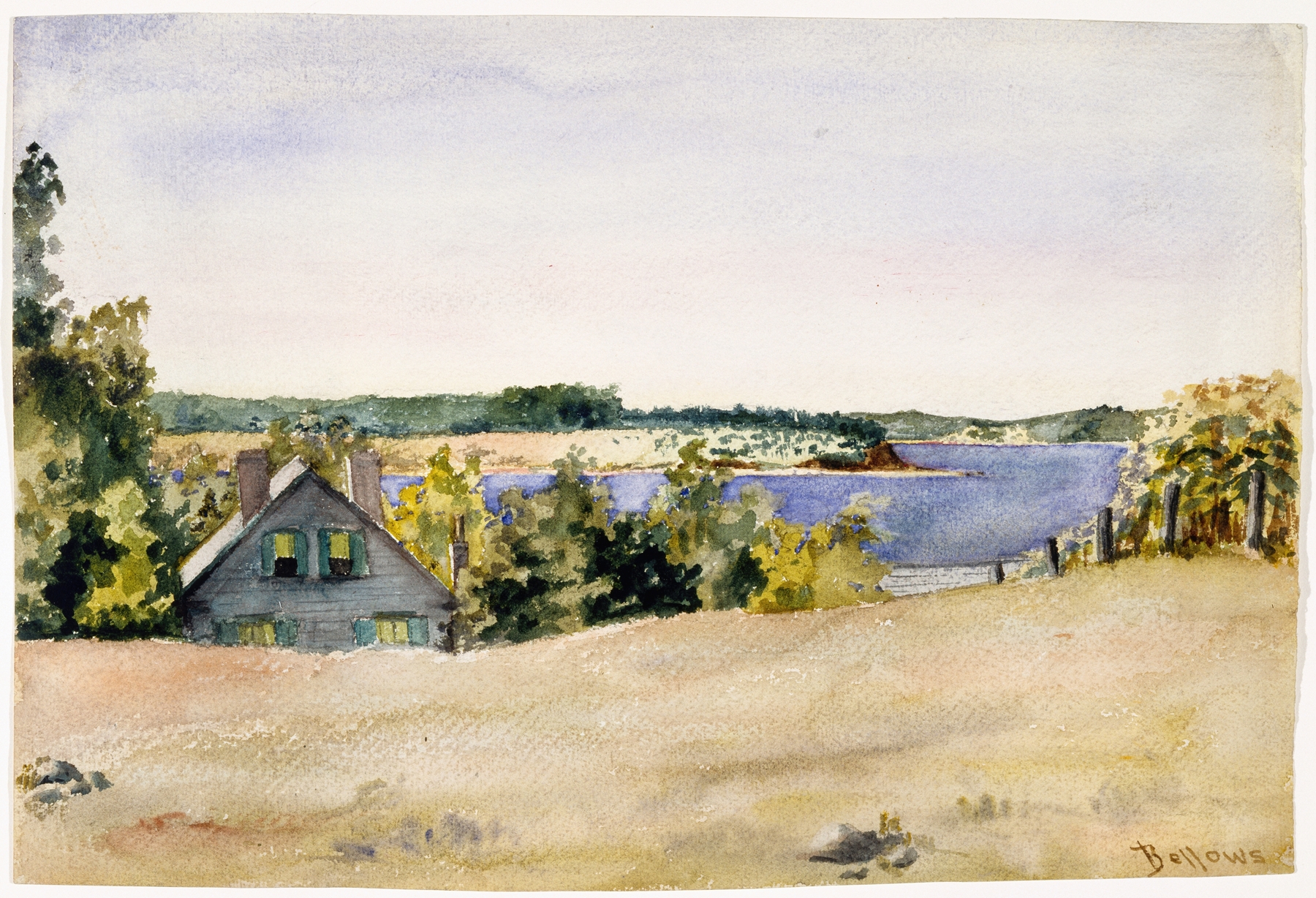
Rain on the River — History & Analysis
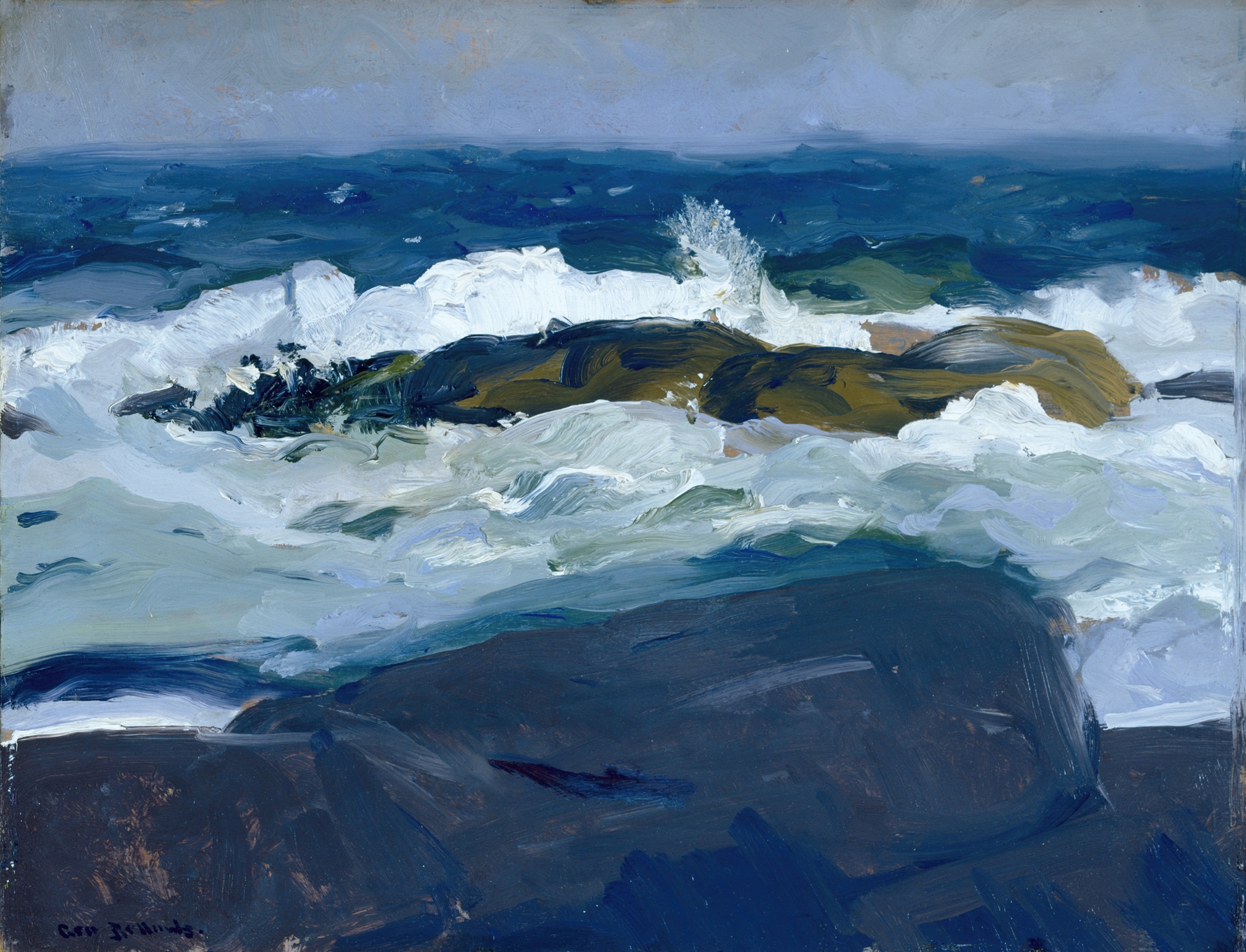
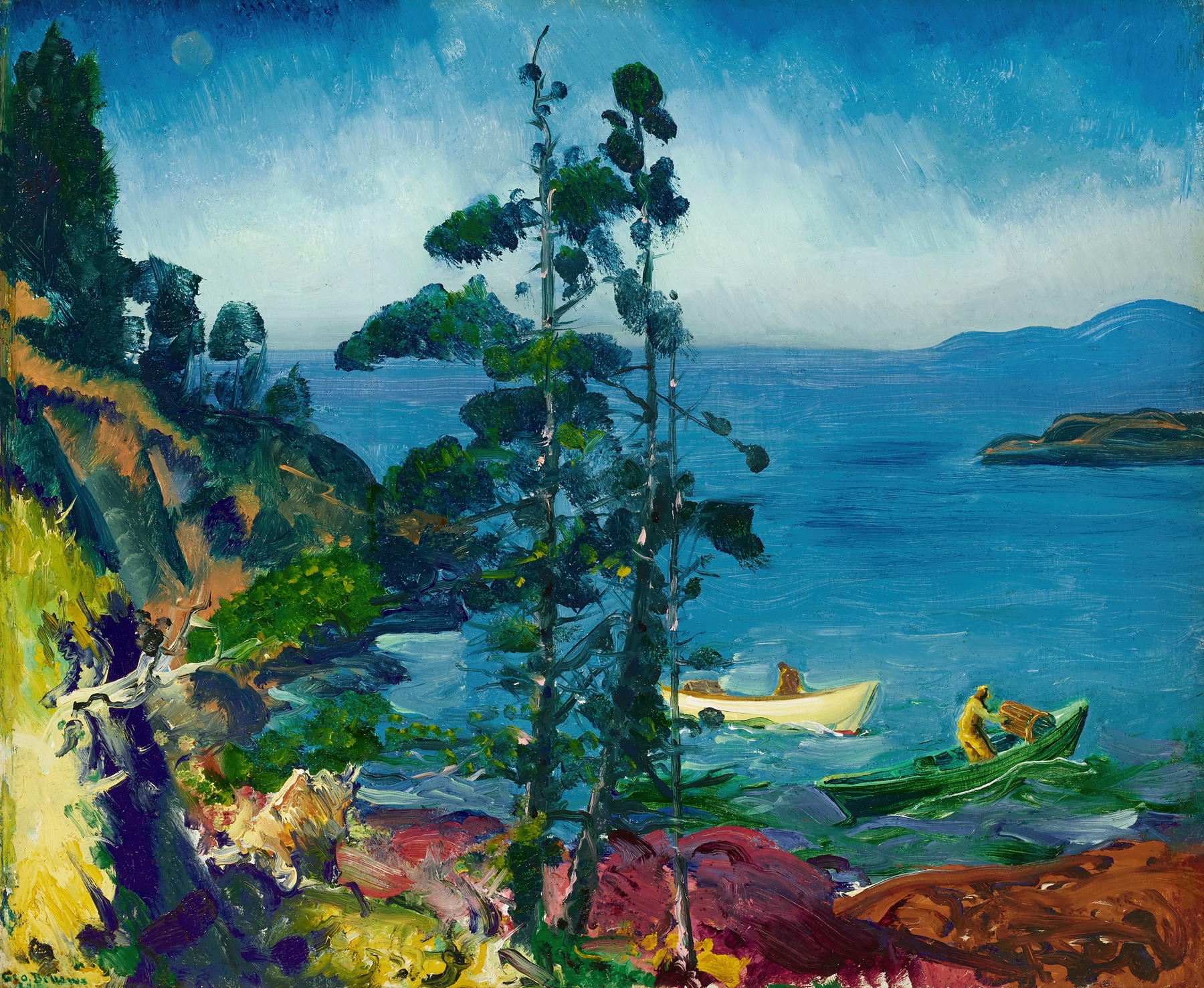
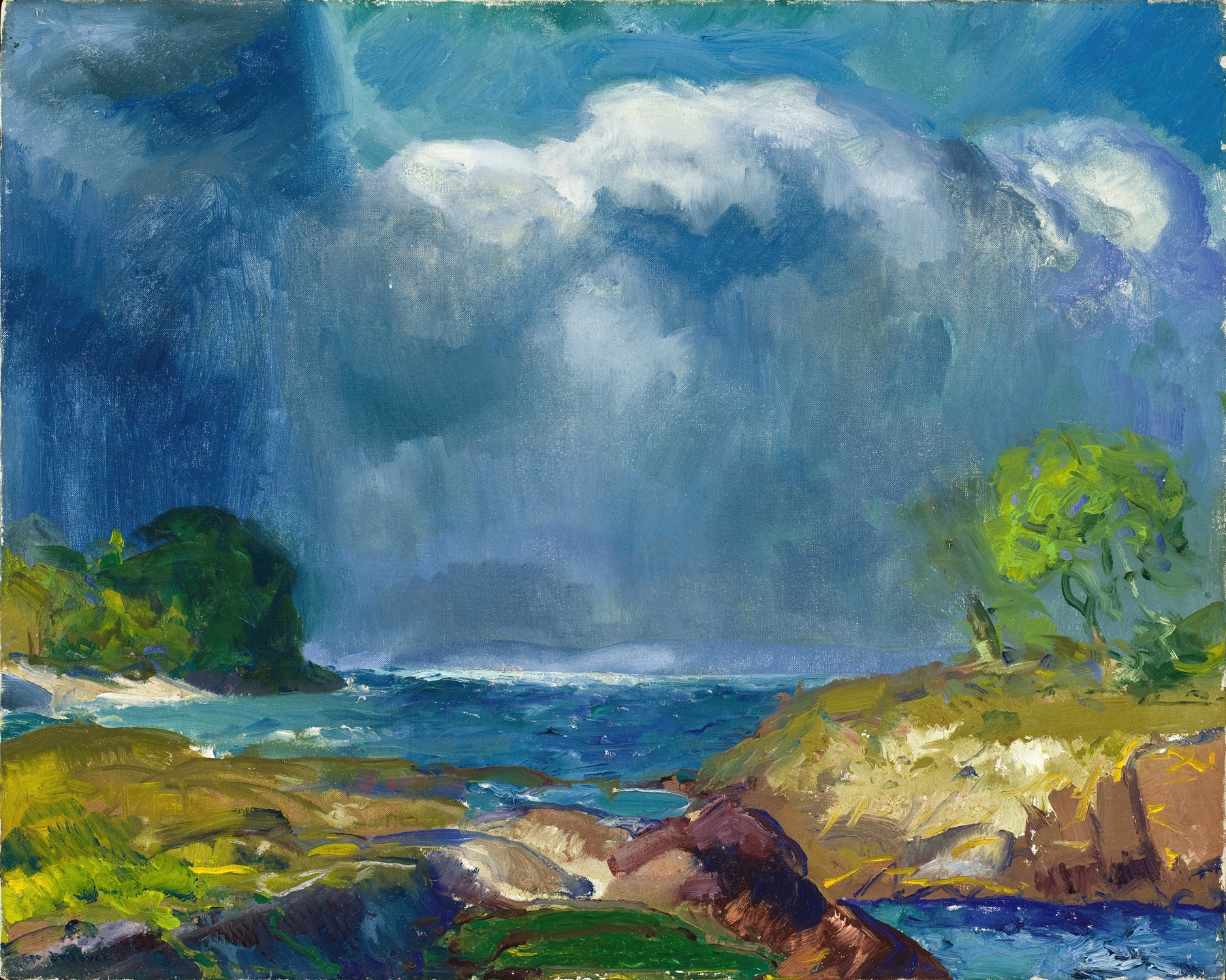
“Between color and silence, truth hides.” In a world where chaos reigns, the subtle interplay of nature holds revolutionary potential. As torrents of rain mingle with the river’s surface, a transformative dialogue emerges between the elements, inviting us to witness the beauty found in the storm. Look closely at the swirling shades of gray and blue that dominate the canvas; they set the atmosphere of a tempestuous moment. The swift strokes create a sense of movement, guiding your gaze across the tumultuous water that reflects the erratic skies above.
Notice how the artist employs a dynamic contrast between the foreground and background, with the rippling river capturing and distorting the light, suggesting both turbulence and tranquility. Delve deeper into the reflections and you’ll uncover a story of connection. The raindrops, like small revolutions against the surface, signify moments of disruption in an otherwise placid existence. The tension lies in the juxtaposition of the chaos of rain and the steady flow of the river — a metaphor for the societal upheaval of the early 20th century, when old structures were being challenged and new ideologies emerged.
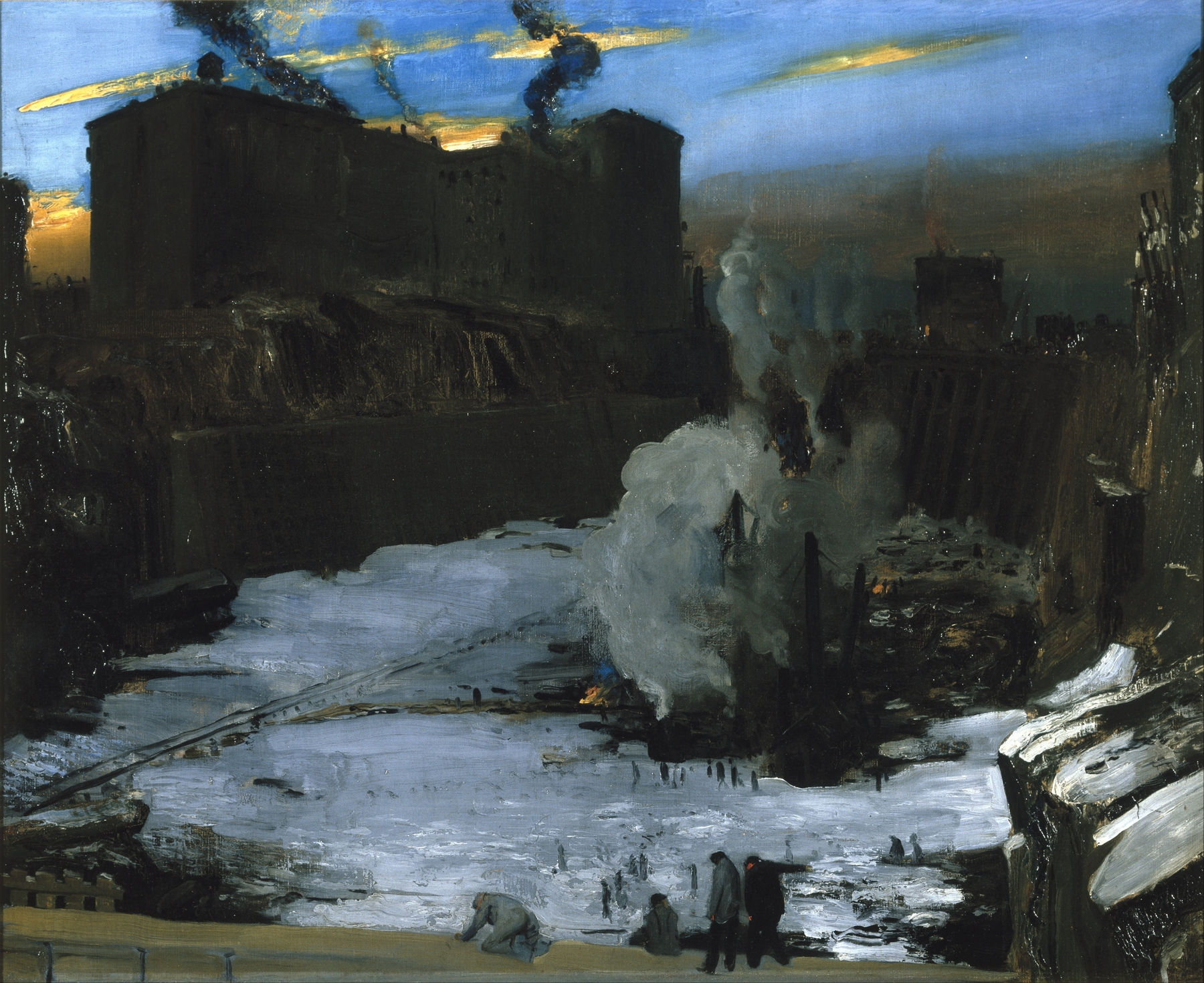
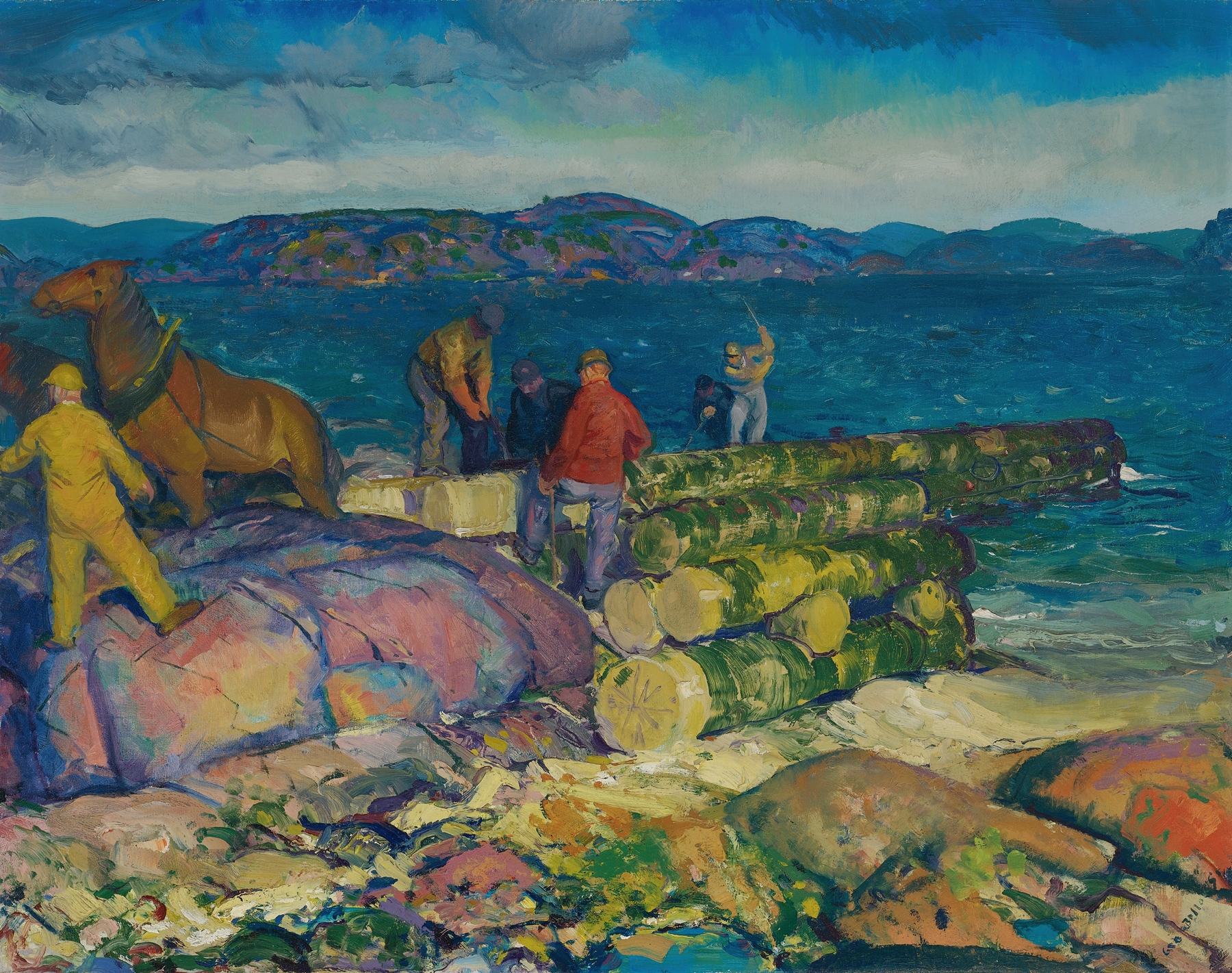
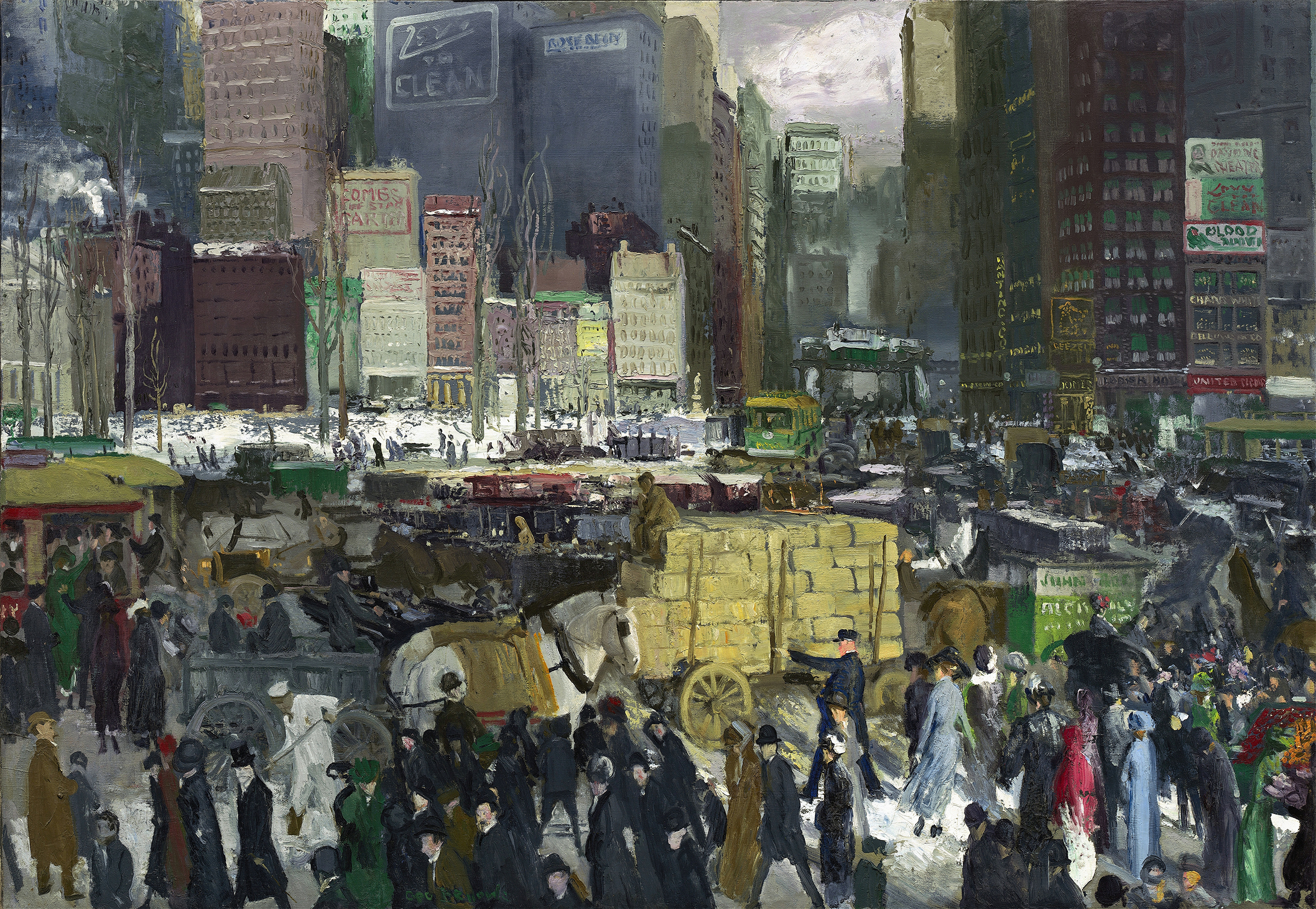
Created in 1908, this piece illustrates a pivotal moment in George Wesley Bellows' career while living in New York City. Surrounded by the burgeoning Ashcan School, he sought to capture the raw and unvarnished aspects of urban life and nature. As the world tilted toward modernity, his work found a voice reflecting the revolutionary spirit of the times, bridging the gap between tumultuous emotion and visual depth.