Rainy Season in the Tropics — History & Analysis

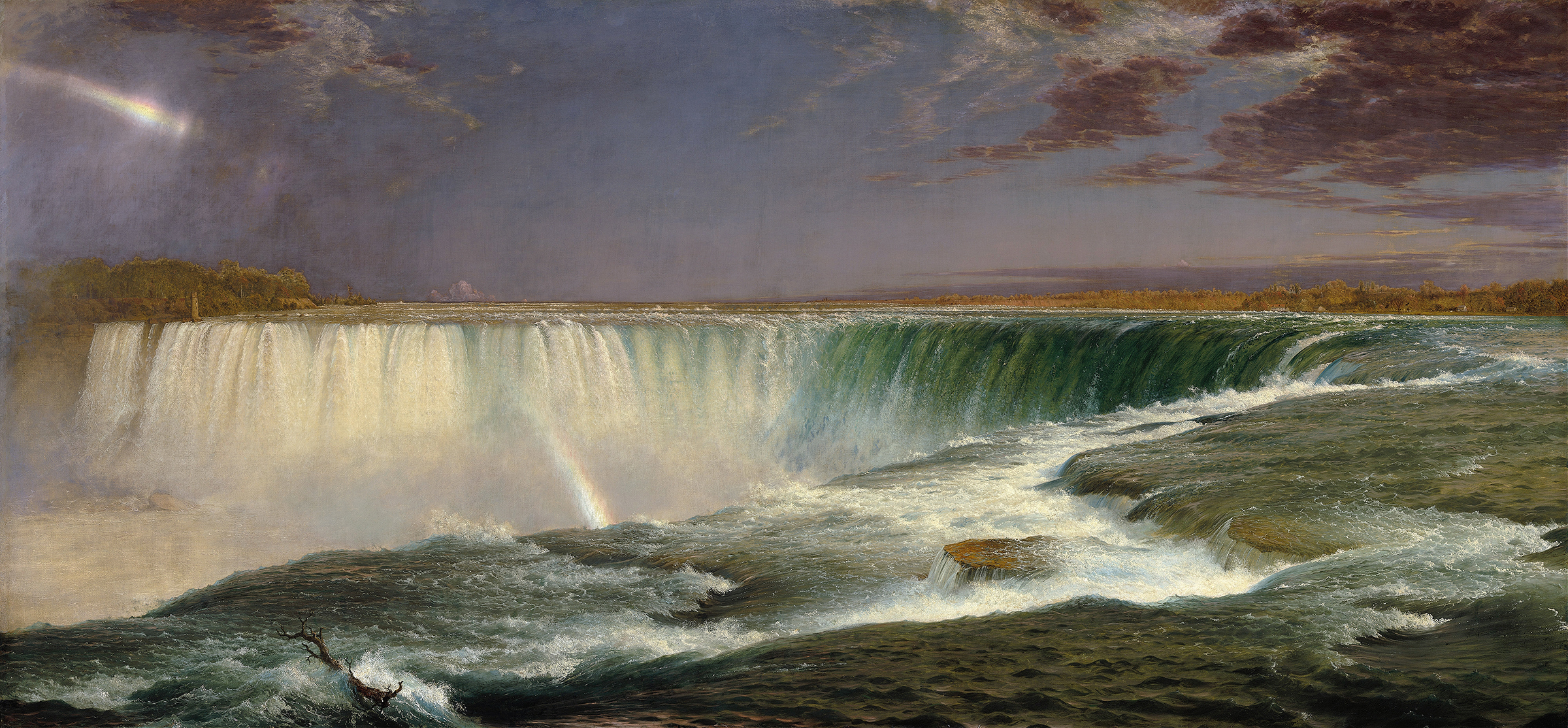
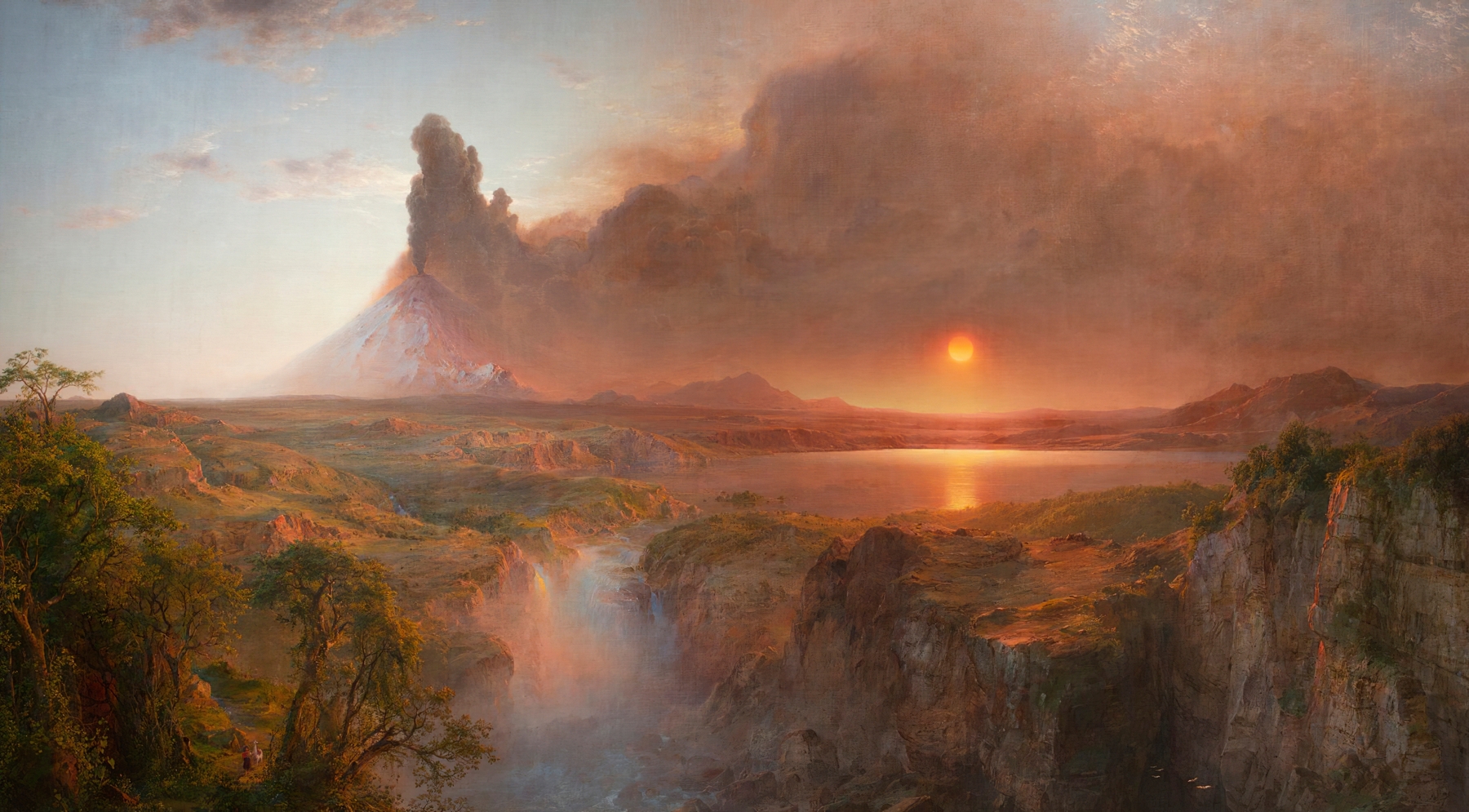
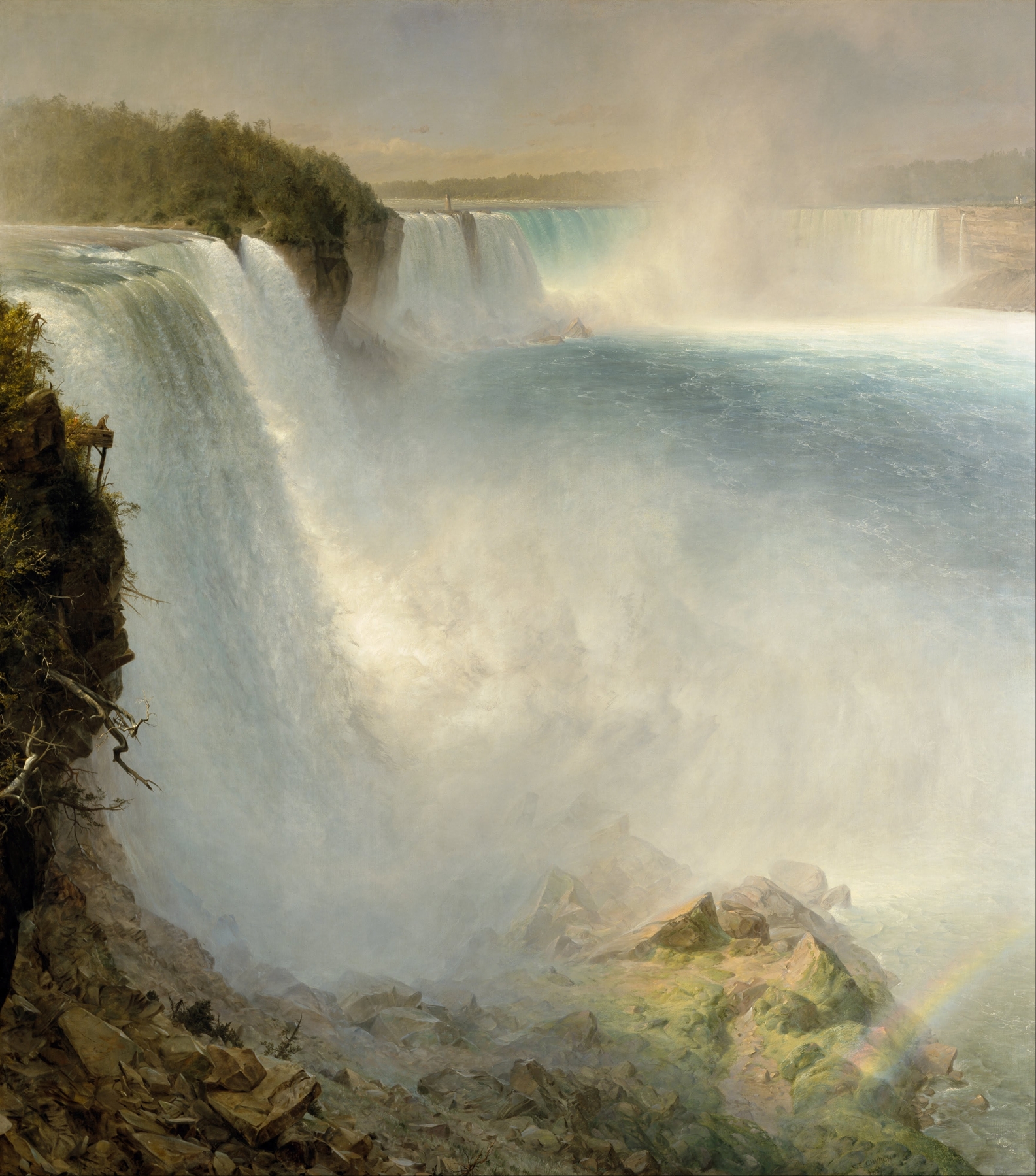
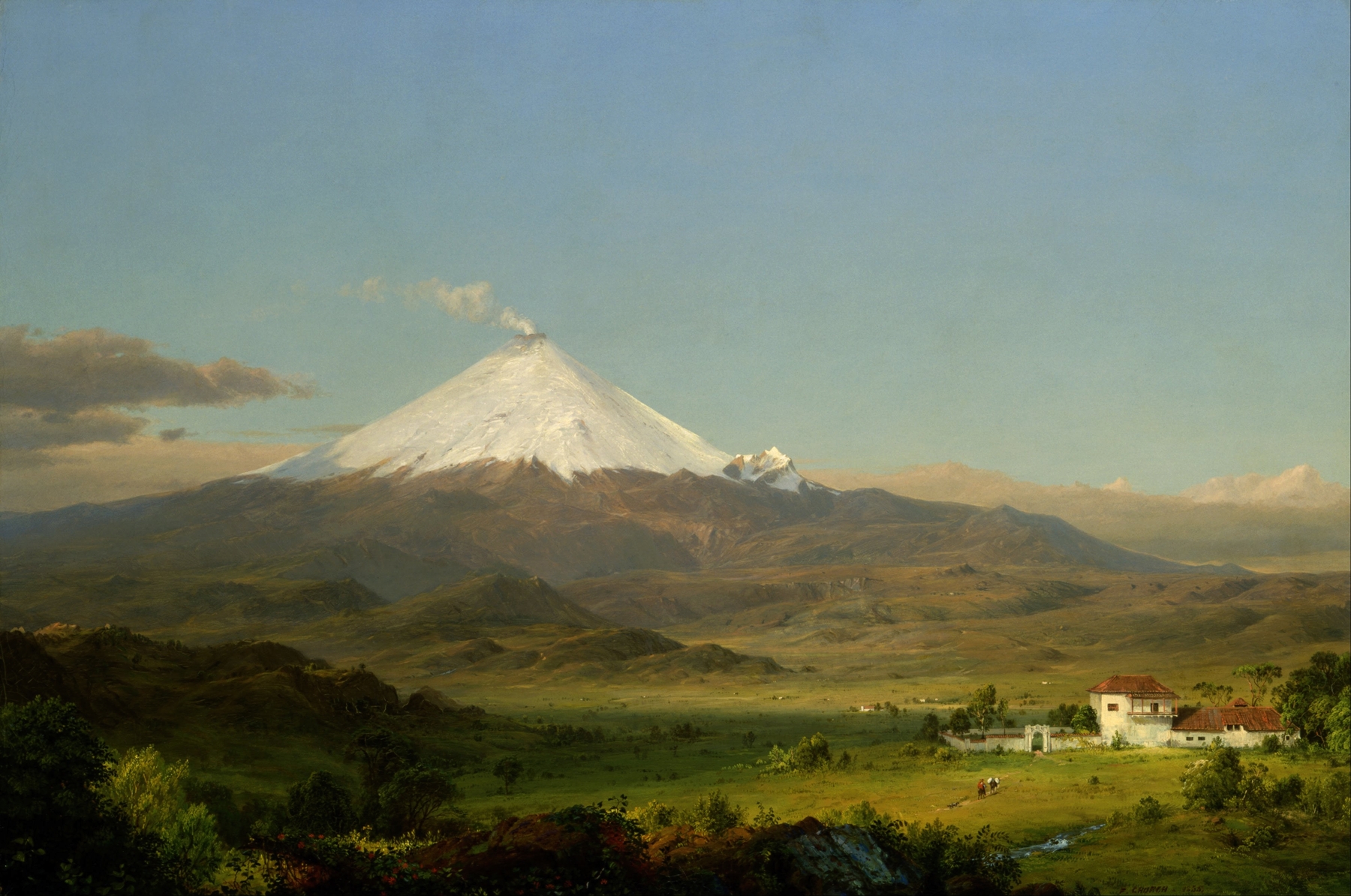
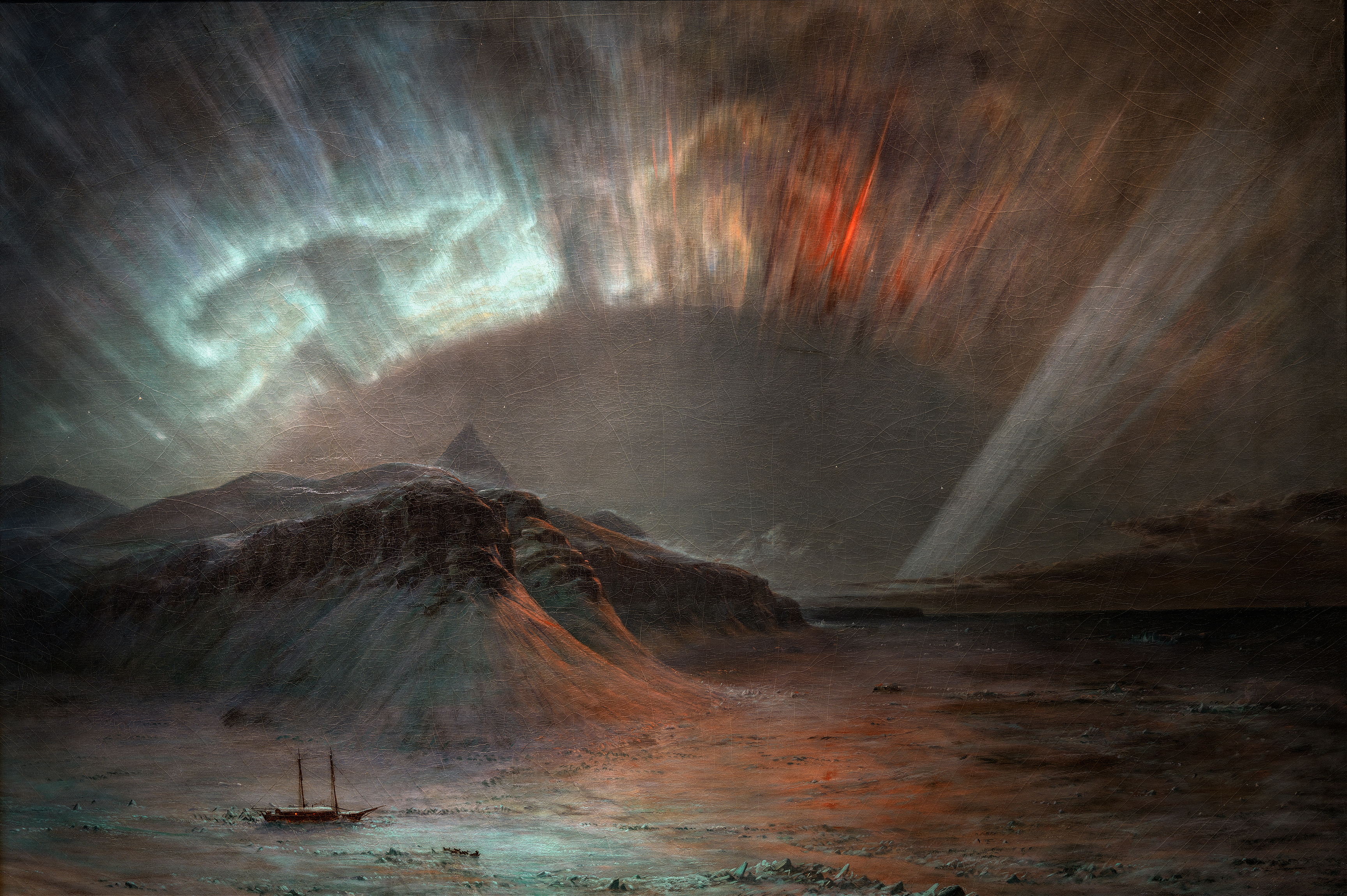
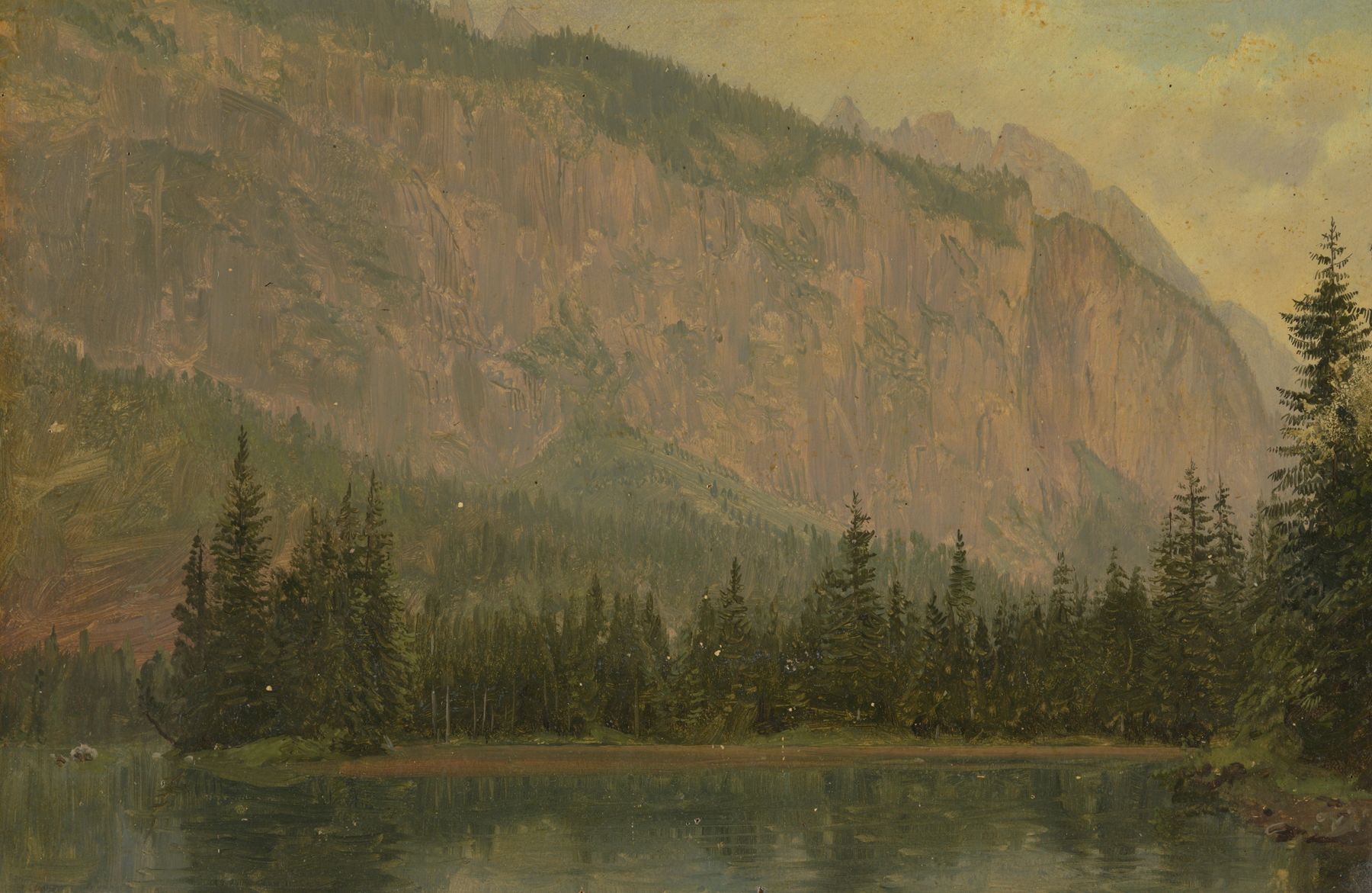
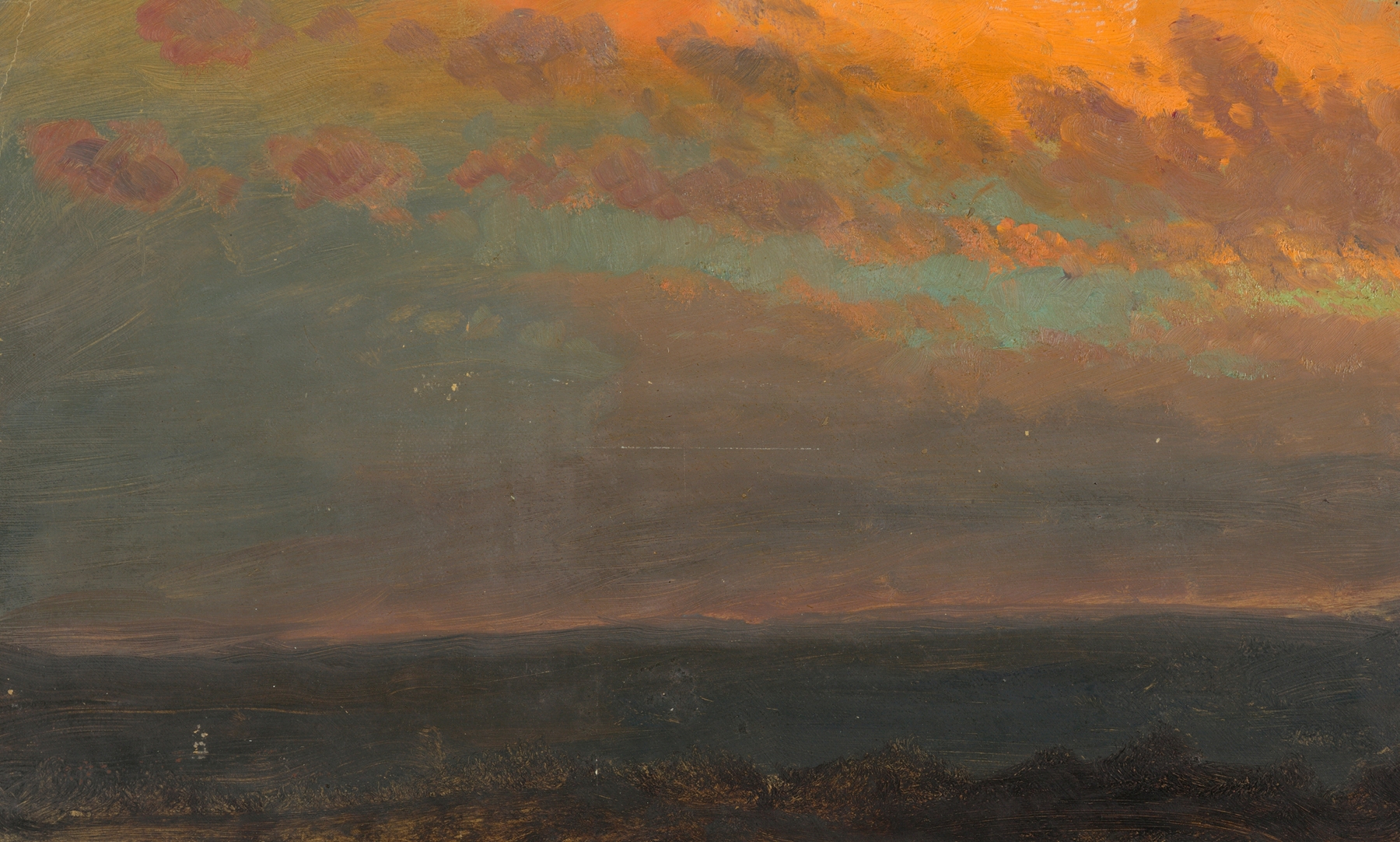
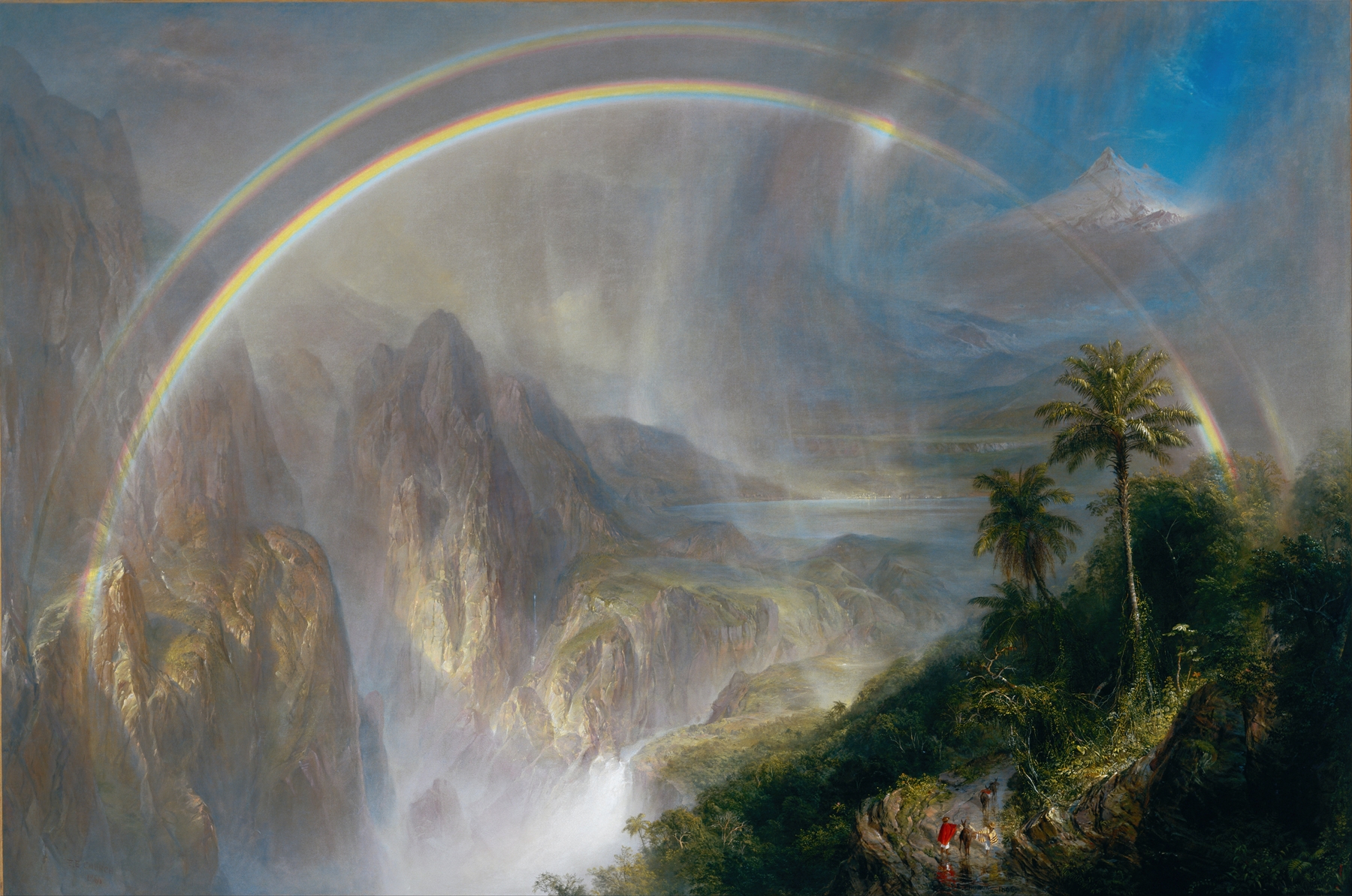
“To paint is to remember what time wants us to forget.” In *Rainy Season in the Tropics*, the artist captures a fleeting moment, a veil of memory that hangs heavy in the air, evoking the profound sense of loss that accompanies the passage of time. Look to the center of the canvas, where vibrant greens pulsate with life, yet their lushness feels tinged with an undercurrent of nostalgia. The intricate details of the foliage draw you in, each brushstroke revealing the deep textures of leaves surrendering to the rain. Notice how the light dances through the clouds, casting a soft, ethereal glow that contrasts starkly with the densely packed trees, inviting contemplation of the delicate balance between beauty and transience. Beneath the surface, the interplay of light and shadow hints at deeper emotional tensions. The heavy clouds, oppressive yet majestic, suggest the weight of impending change, while the shimmering pools of water reflect not just the landscape but an echo of forgotten joys. Each droplet holds a memory, each ripple a reminder of what once was, navigating the viewer through a landscape of both wonder and melancholy. Frederic Edwin Church painted this work during a time when Romanticism was at its zenith, focusing on nature's grandeur while infusing it with personal emotion. This period, marked by explorations of exotic locales and the sublime, allowed him to express his profound connection to the natural world. While the exact date remains uncertain, Church's commitment to evoking emotional landscapes resonates with an era that grappled with the rapid changes of modernity and the ephemeral nature of existence.