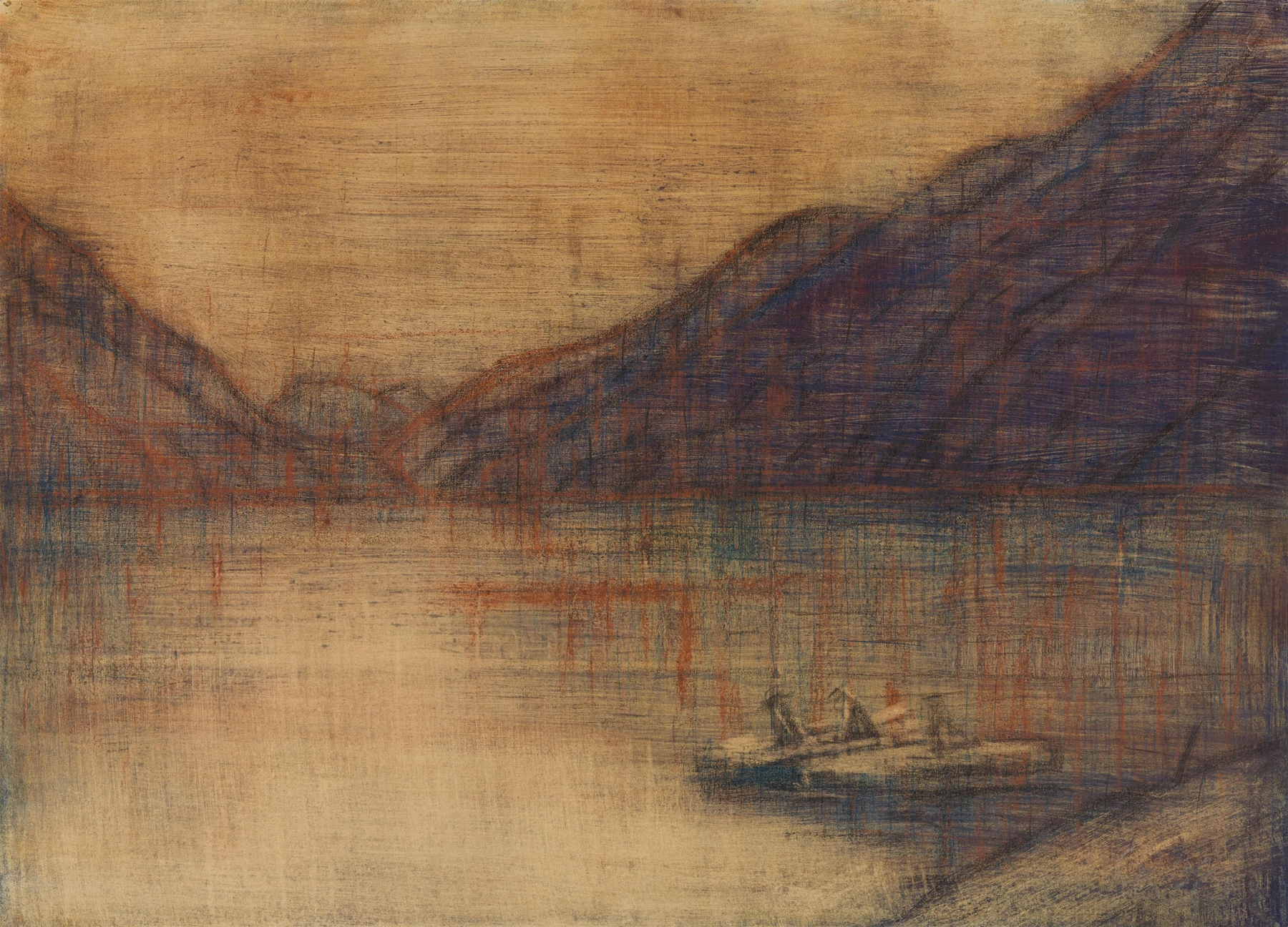
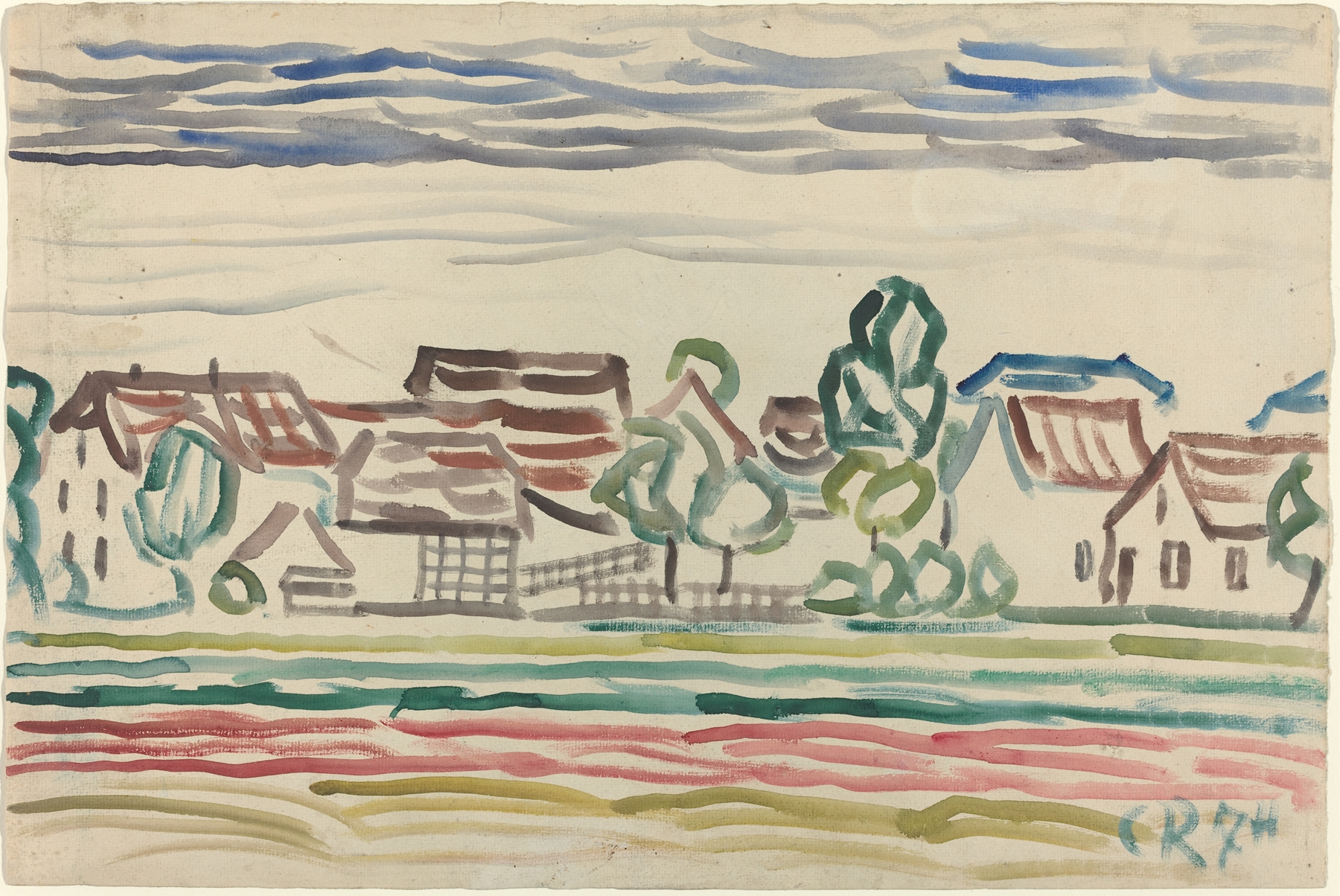
Riverside landscape(Ruhr near Hohensyburg) — History & Analysis
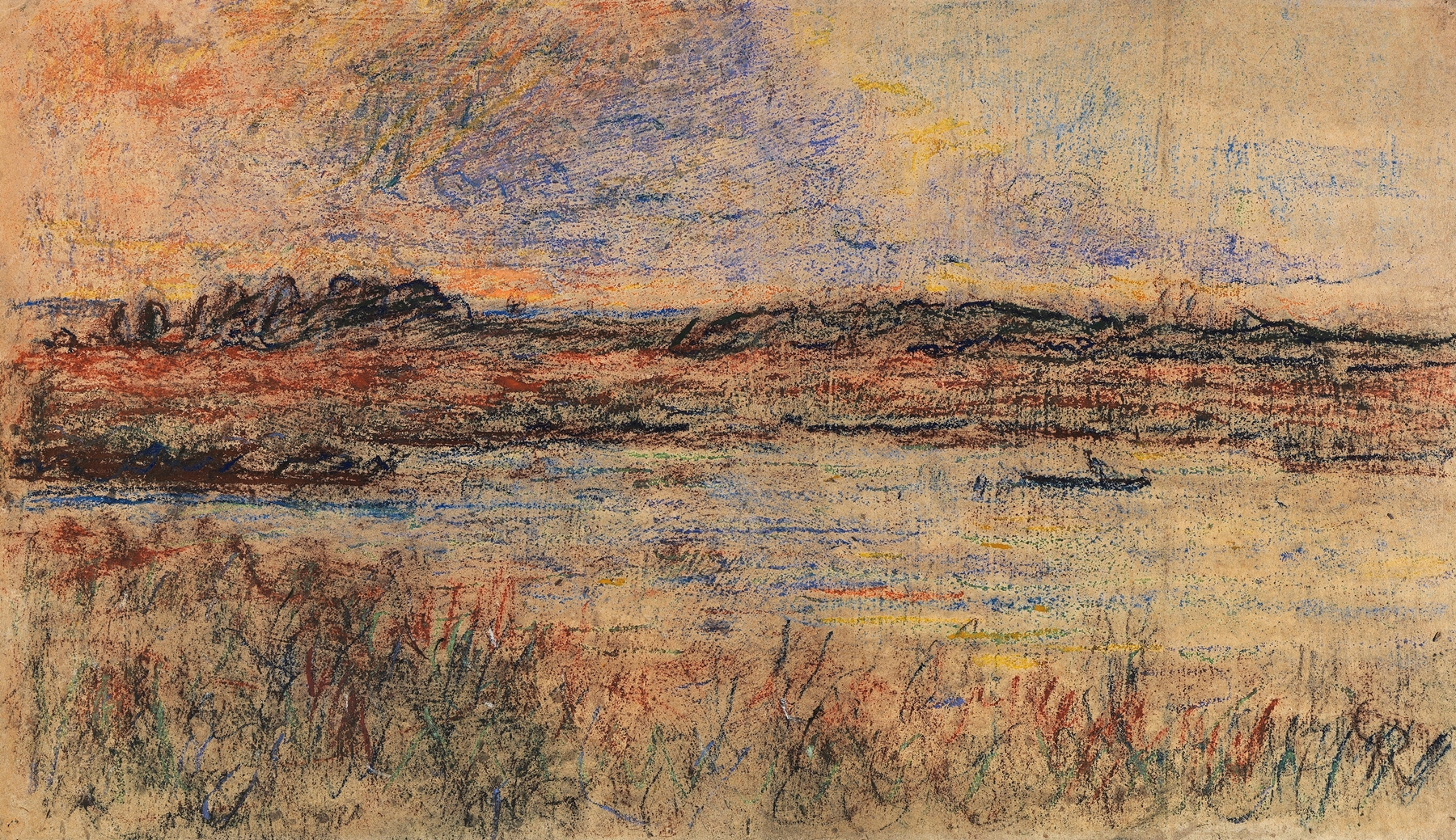
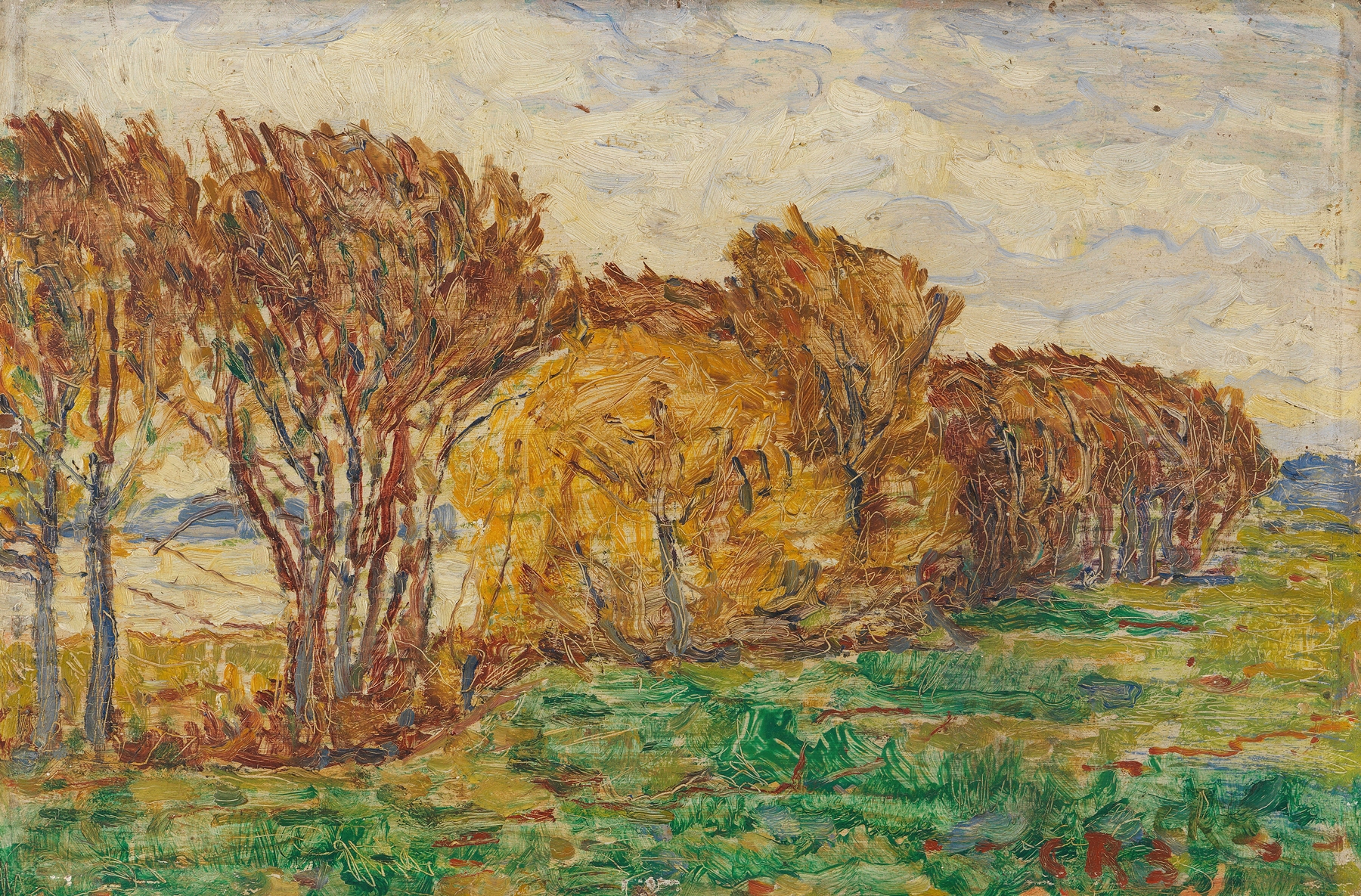
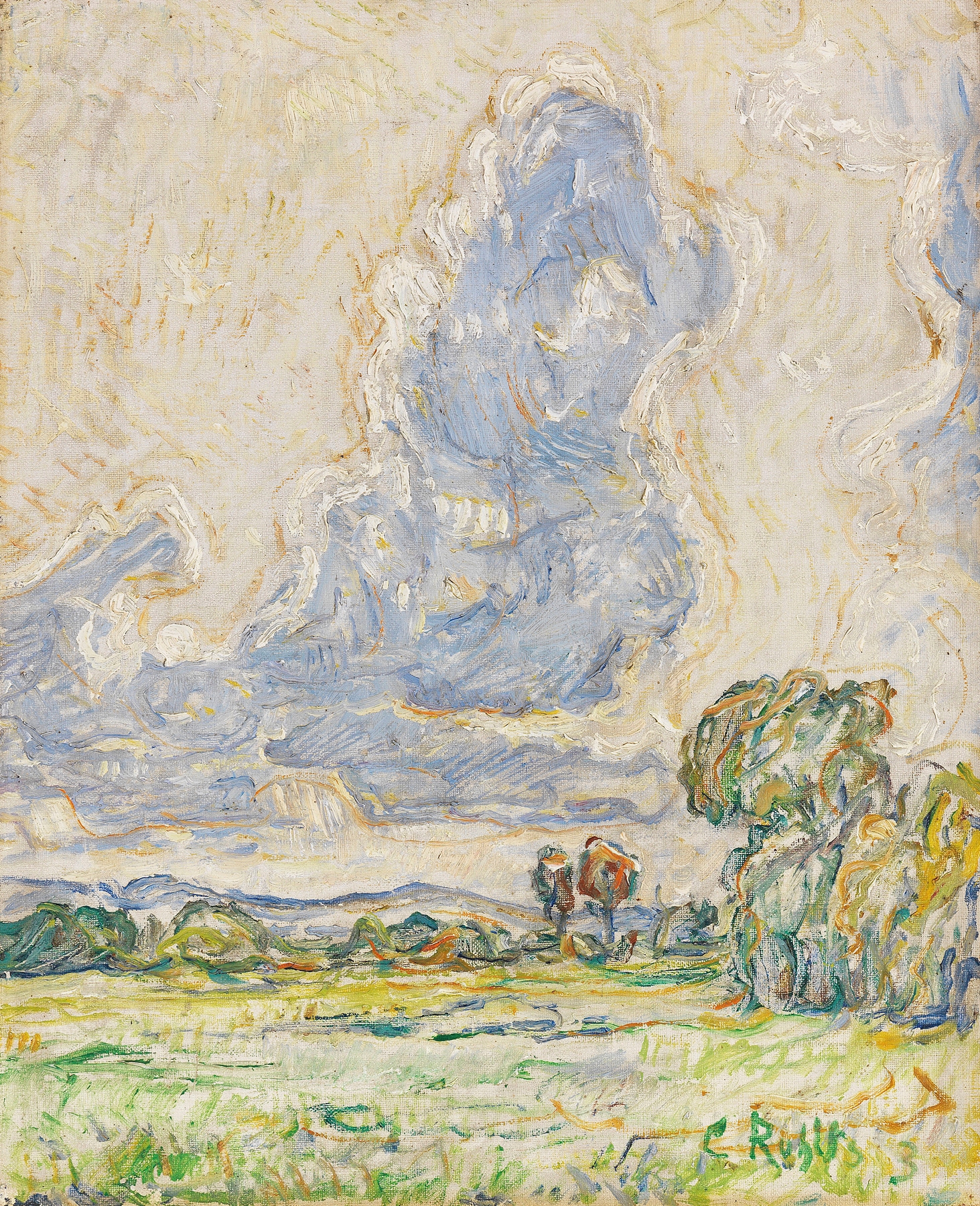
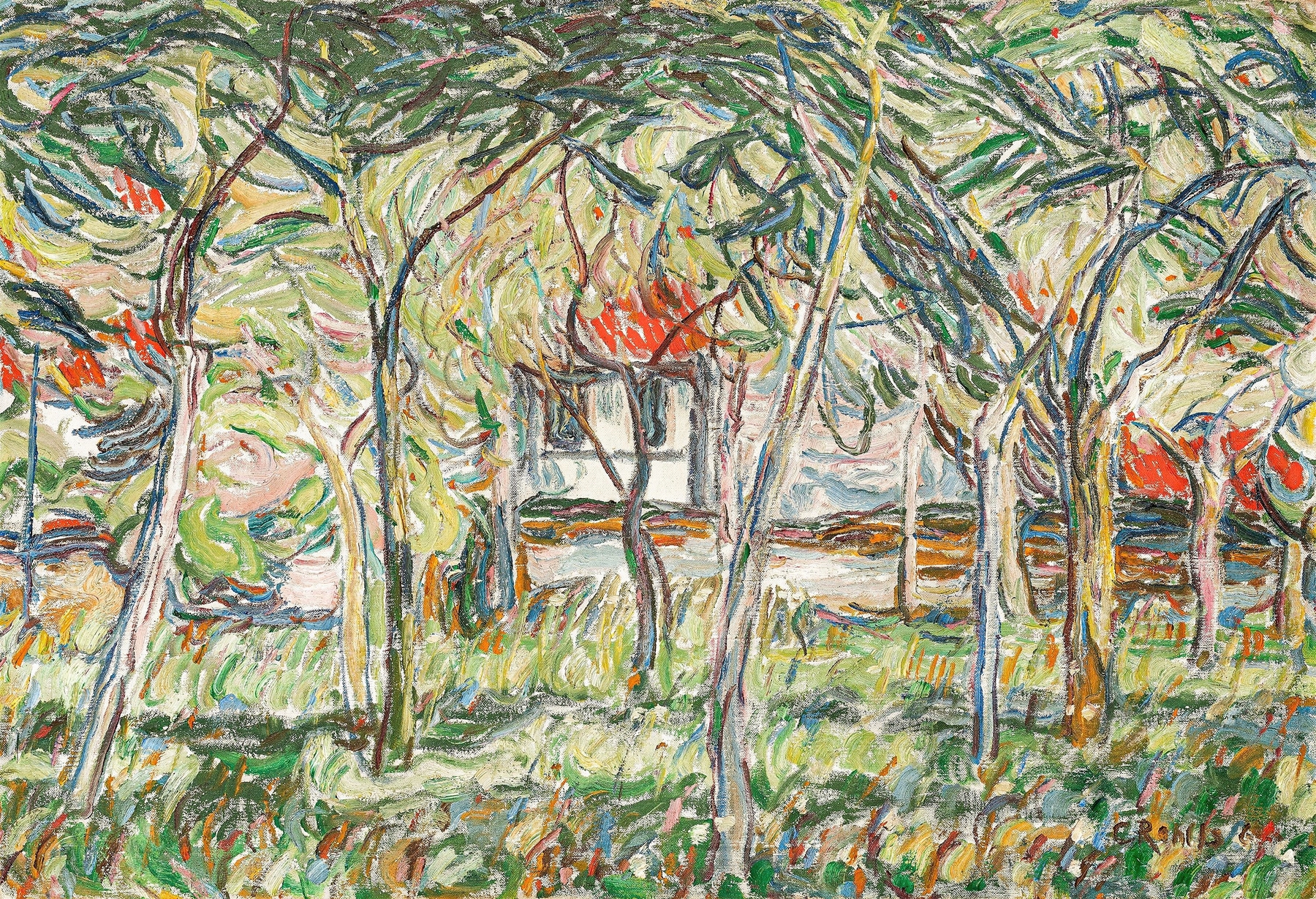
“Every brushstroke is a heartbeat remembered.” In the visual realm, artists conjure illusions that transport us beyond the seen, revealing deeper truths about our existence. Christian Rohlfs invites us to explore the boundaries of perception and emotion through his evocative landscapes. Look to the center of Riverside Landscape (Ruhr near Hohensyburg), where the meandering river flows like a silken ribbon, drawing the eye toward its reflective surface. Notice the interplay of warm and cool hues, as vivid greens and soft blues intertwine with dappled sunlight, creating a harmonious dance of color and light.
This interplay not only captures the essence of a serene landscape but also evokes a sense of tranquility that envelops the viewer. As you delve deeper, consider the contrasting elements of stillness and movement within the scene. The river, a symbol of life’s passage, flows steadily while the surrounding trees stand resolute, their branches swaying gently in an unseen breeze. This delicate tension between fluidity and permanence reflects the duality of nature—ever-changing yet steadfast, inviting contemplation on the nature of time and existence itself.
In 1902, Rohlfs created this piece during a time of artistic exploration and change in Germany, as the Jugendstil movement began challenging traditional forms. Immersed in the vibrant atmosphere of expressionism, he sought to convey emotion through color and form, marking a departure from realism. This painting emerged from his deep connection to the landscapes of his region, capturing a moment of fleeting beauty amidst a world poised on the brink of modernity.