Rock Ridge Farm — History & Analysis
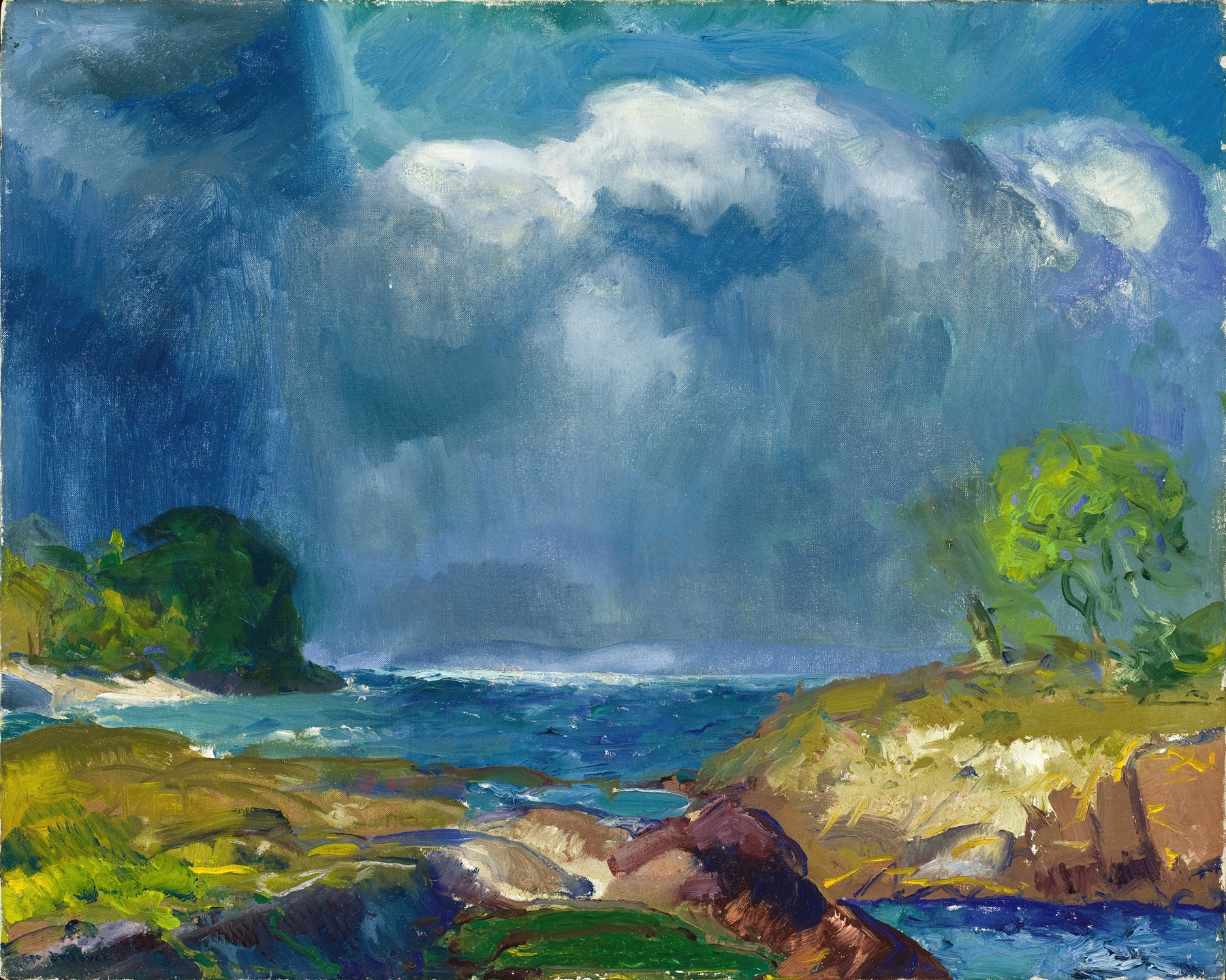
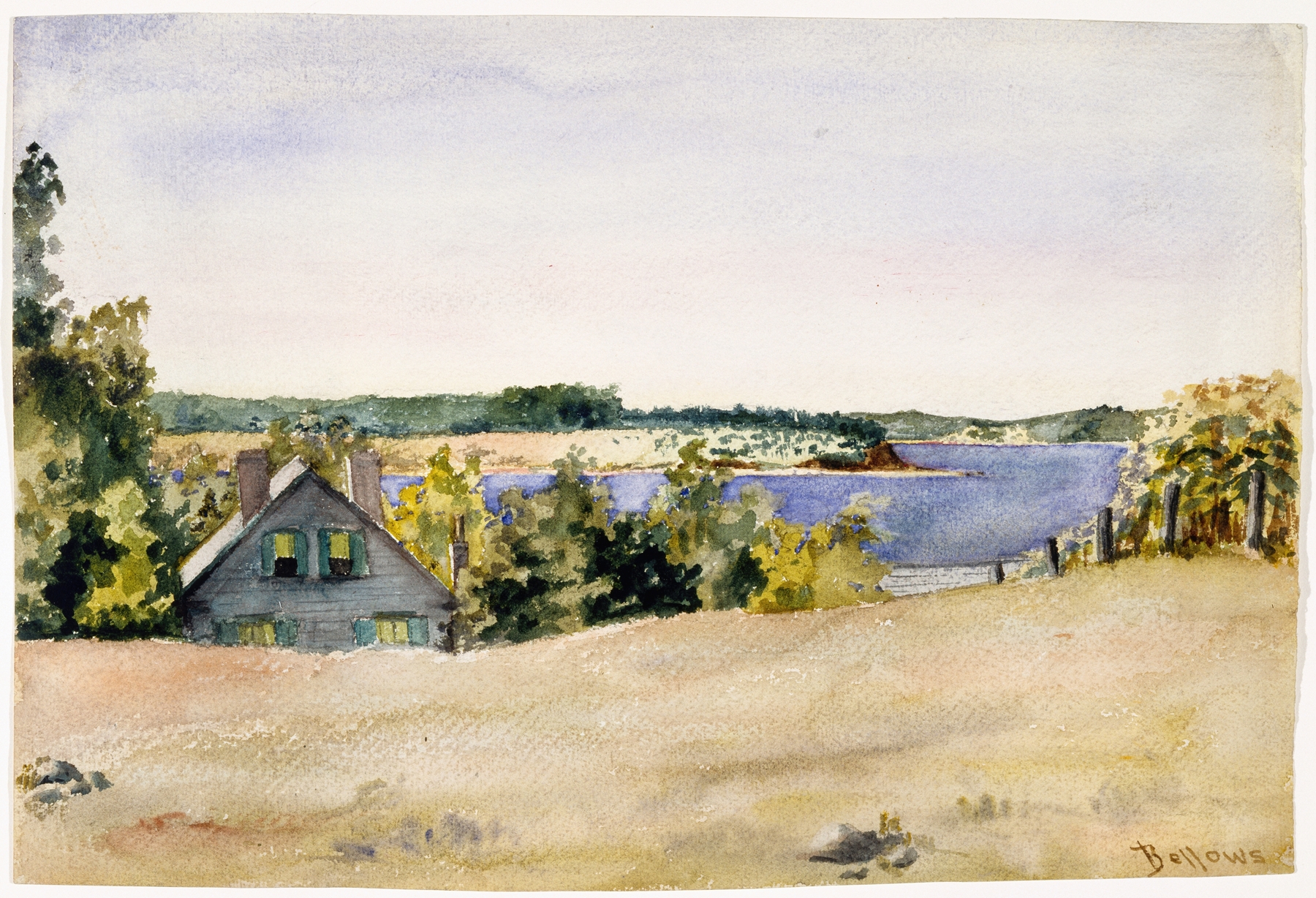
Is this a mirror — or a memory? In Rock Ridge Farm, beauty transcends mere representation, inviting us to reflect on the fragility of rural life. Focus on the vibrant strokes of green that dominate the foreground; they cradle the humble farmhouse nestled within a tapestry of rolling landscape. The artist masterfully employs chiaroscuro to enhance the contrast between the illuminated fields and the shadowy outlines of the trees, suggesting a time of day when dusk is on the cusp of revealing night.
Look closely at the clouds, swirling with energy and depth, as they loom over the scene, hinting at nature's unpredictable temperament. Beneath the surface, this artwork encapsulates a tension between tranquility and uncertainty. The farmhouse, a symbol of hard work and resilience, stands firm against an encroaching storm, suggesting the transient nature of rural existence. The interplay between the lush land and the ever-changing sky evokes a bittersweet nostalgia, challenging viewers to ponder the delicate balance between beauty and adversity.
George Wesley Bellows painted this piece in 1919, a time when he was deeply engaged in portraying American life with a dynamic perspective. Residing in New York, he was part of the Ashcan School movement, which sought to capture the raw, unvarnished experience of urban and rural settings. In the wake of World War I, his work reflected both a longing for simpler times and a recognition of the unpredictability of life, making Rock Ridge Farm not just a picturesque landscape but a poignant commentary on the human condition.