Roman Ruins — History & Analysis
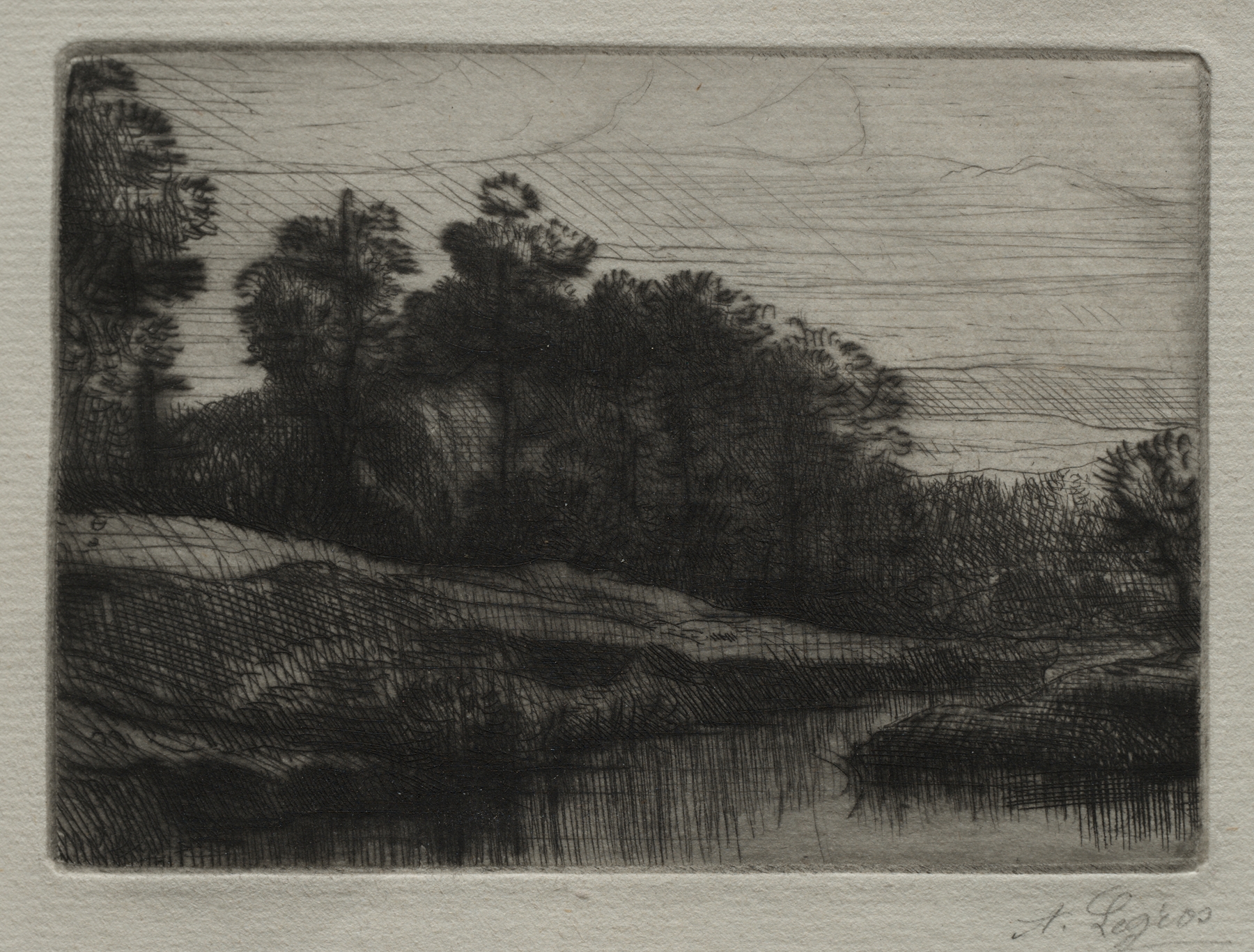
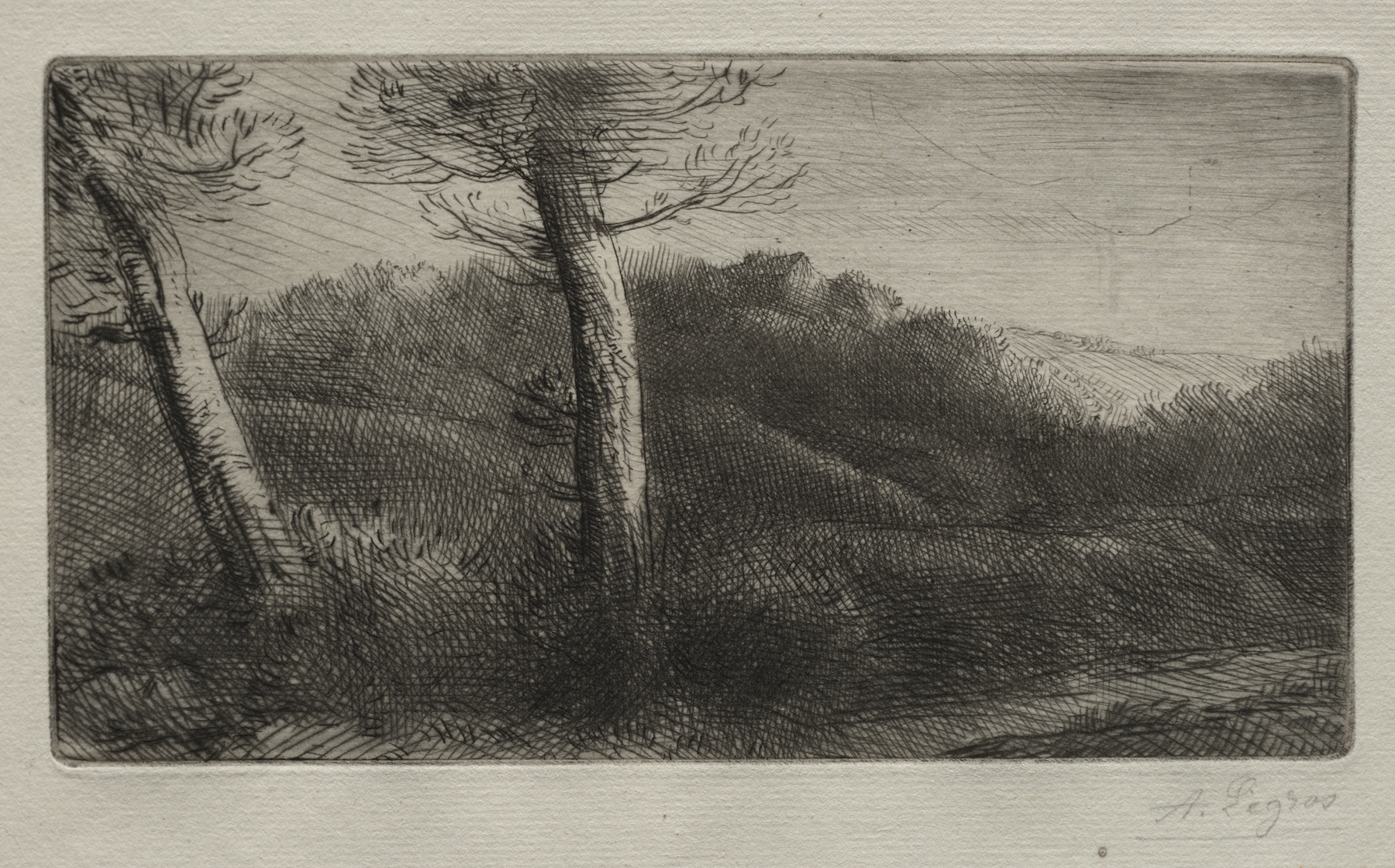
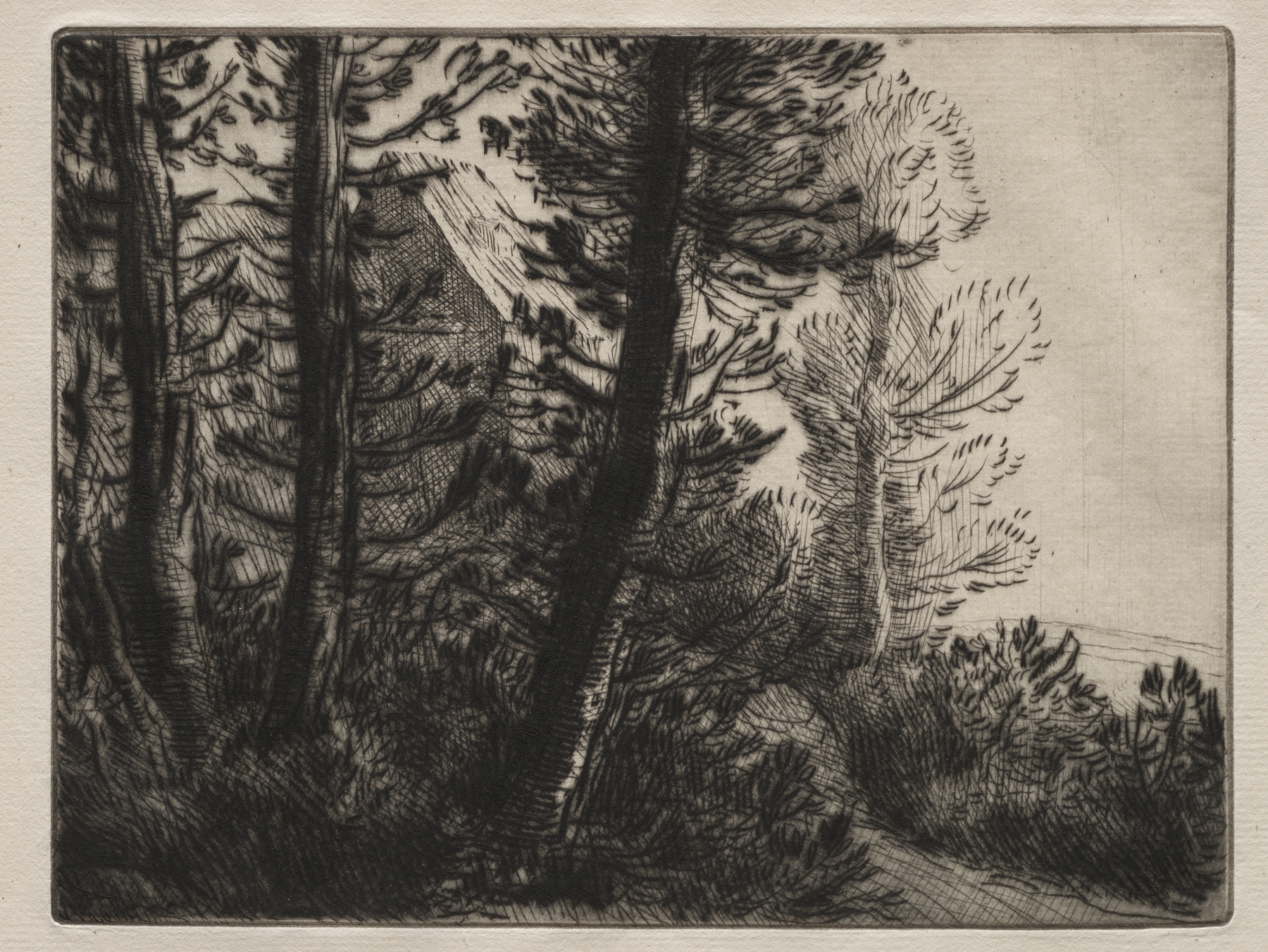
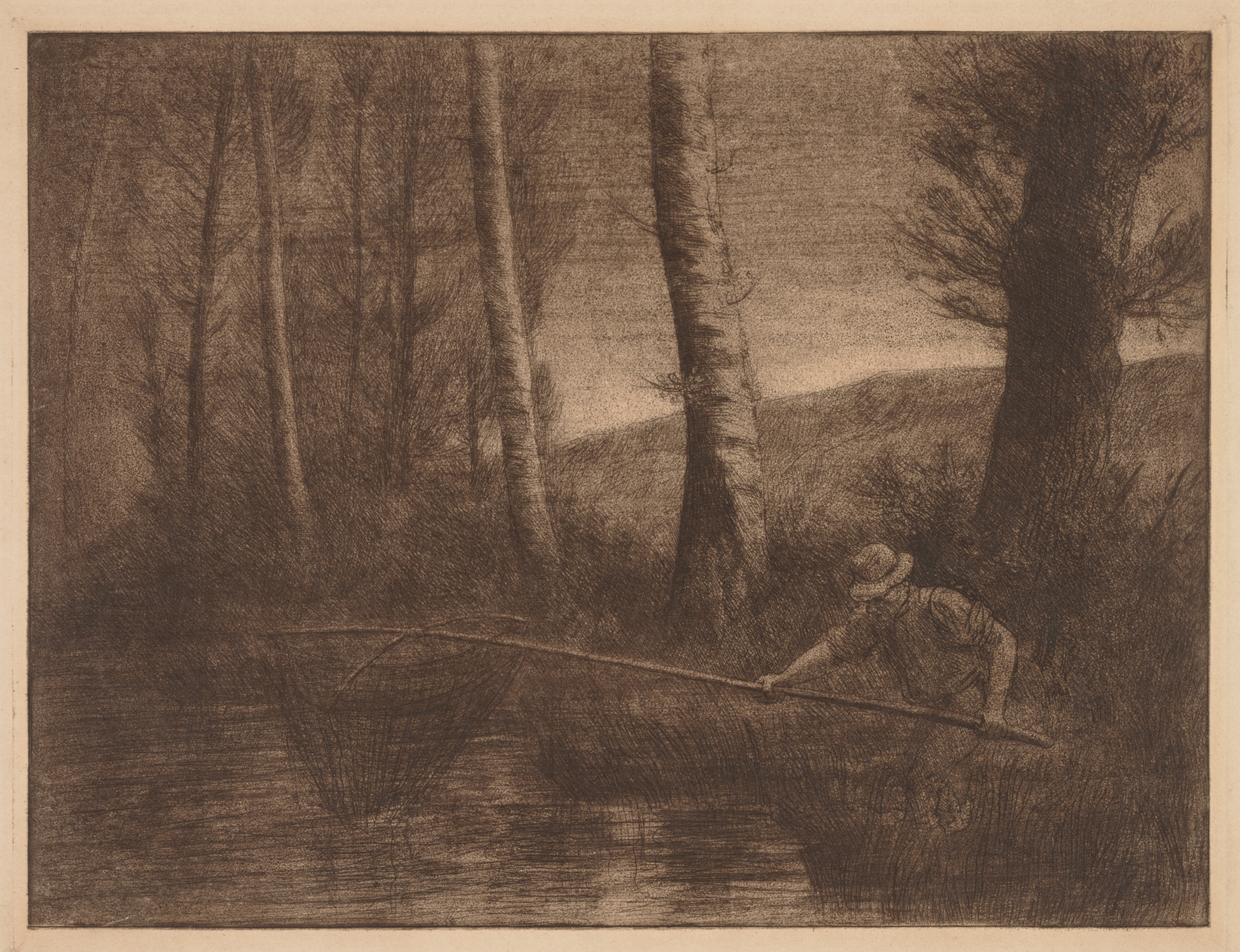
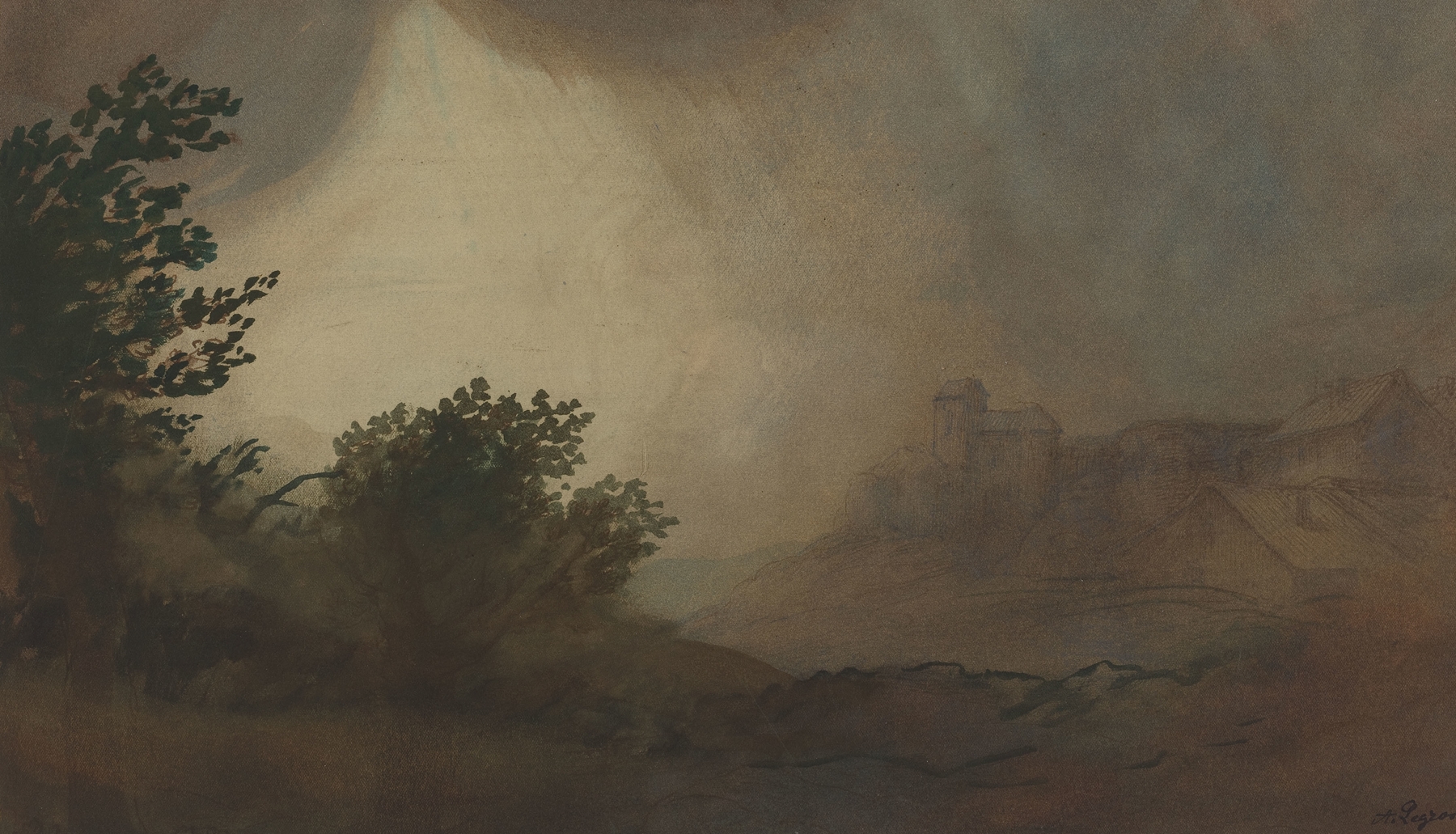
Can beauty exist without sorrow? This question lingers in the stillness of Roman Ruins, where the remnants of a magnificent past invoke a sense of melancholic majesty. Look to the left at the crumbling archway, its weathered stones bathed in a soft, golden light that contrasts starkly with the deep shadows clinging to the ground. The artist’s mastery of chiaroscuro amplifies the sense of time’s passage, inviting the viewer to trace the contours of each ancient fragment.
Notice how the muted palette of earthy browns and grays conveys both decay and endurance, allowing the viewer to feel the weight of history pressing upon the canvas. Within this scene lies a profound tension between creation and destruction. The fragments of the ruins evoke a once-vibrant civilization, hinting at stories of triumph and despair, life and death. The gentle interplay of light and shadow symbolizes the transient nature of beauty, echoing the duality of existence where sorrow often coexists with splendor.
Each detail, from the lichen growing on the stones to the overgrown flora, suggests a reclamation by nature, merging the past with the present in an eternal cycle. Alphonse Legros painted Roman Ruins during a period of significant artistic exploration in Europe, somewhere between 1857 and 1911. Living in England, he was influenced by the Pre-Raphaelite movement and the growing fascination with realism. As the world transitioned through industrialization and war, his works keenly reflected a search for meaning in decay, capturing not only the beauty of ancient structures but also the poignant reminder of their inevitable passage into obscurity.