Rue Pirouette aux Halles (Rue Pirouette aux Halles, Paris, after Laurence) — History & Analysis
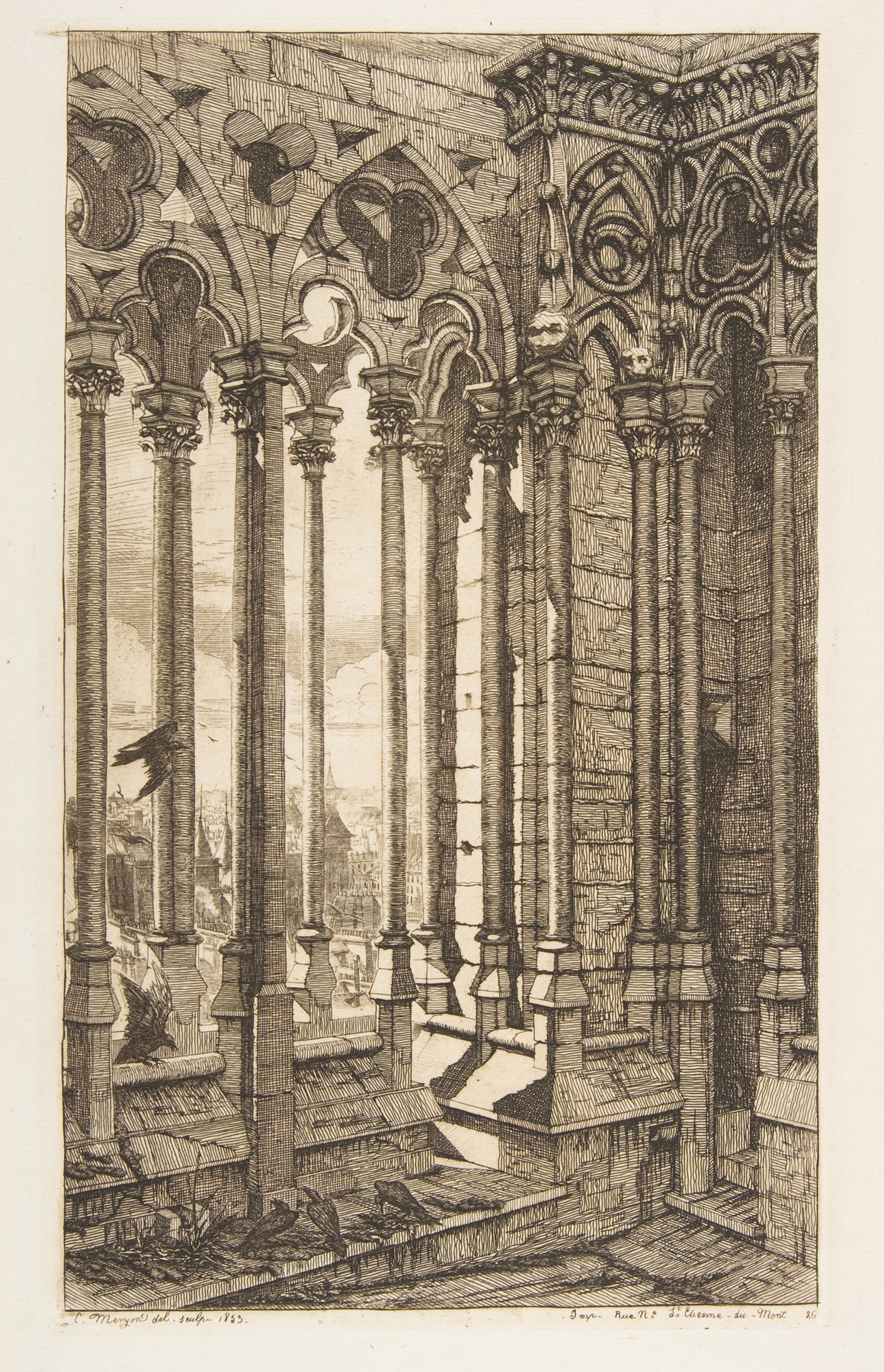
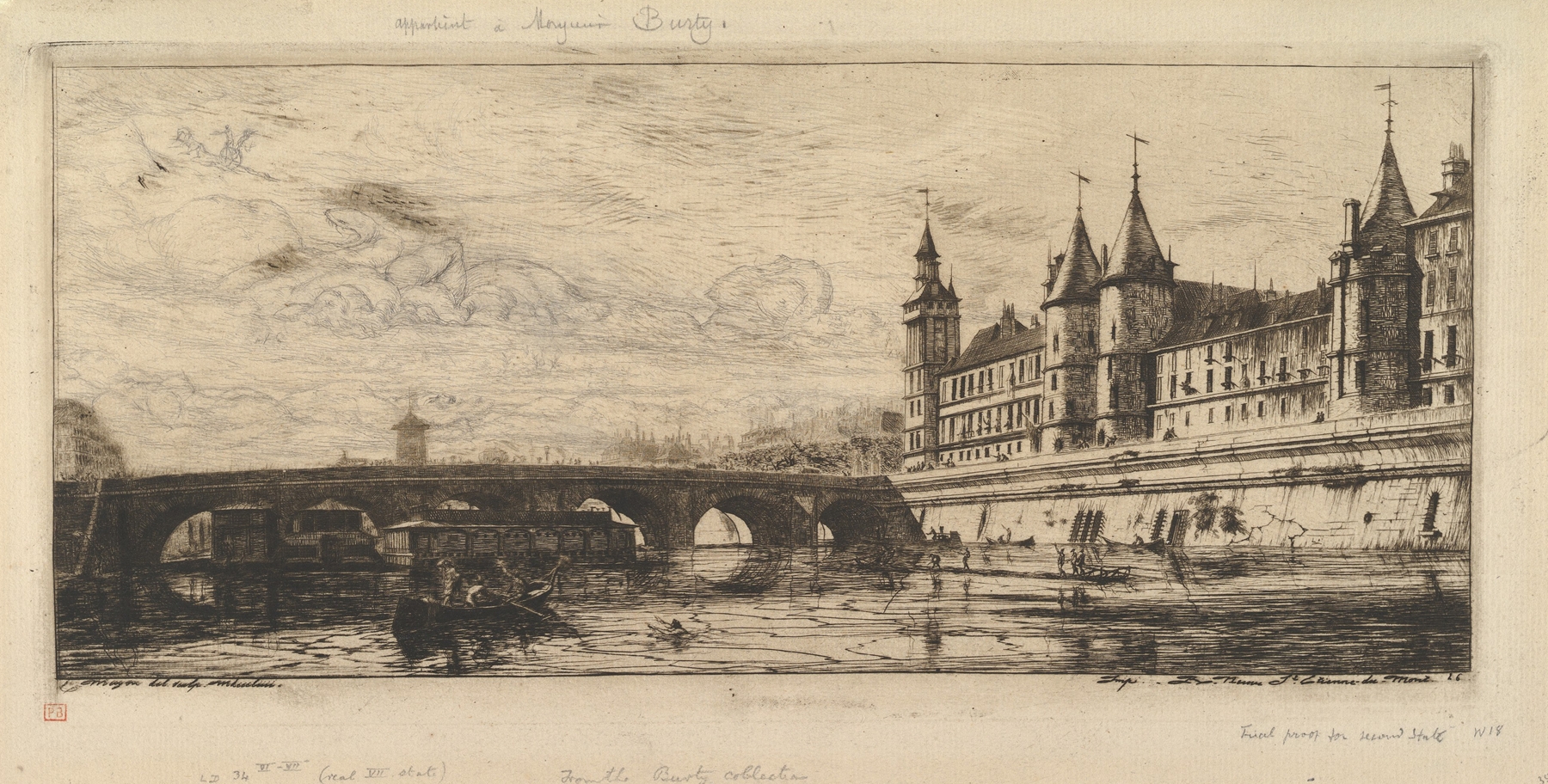
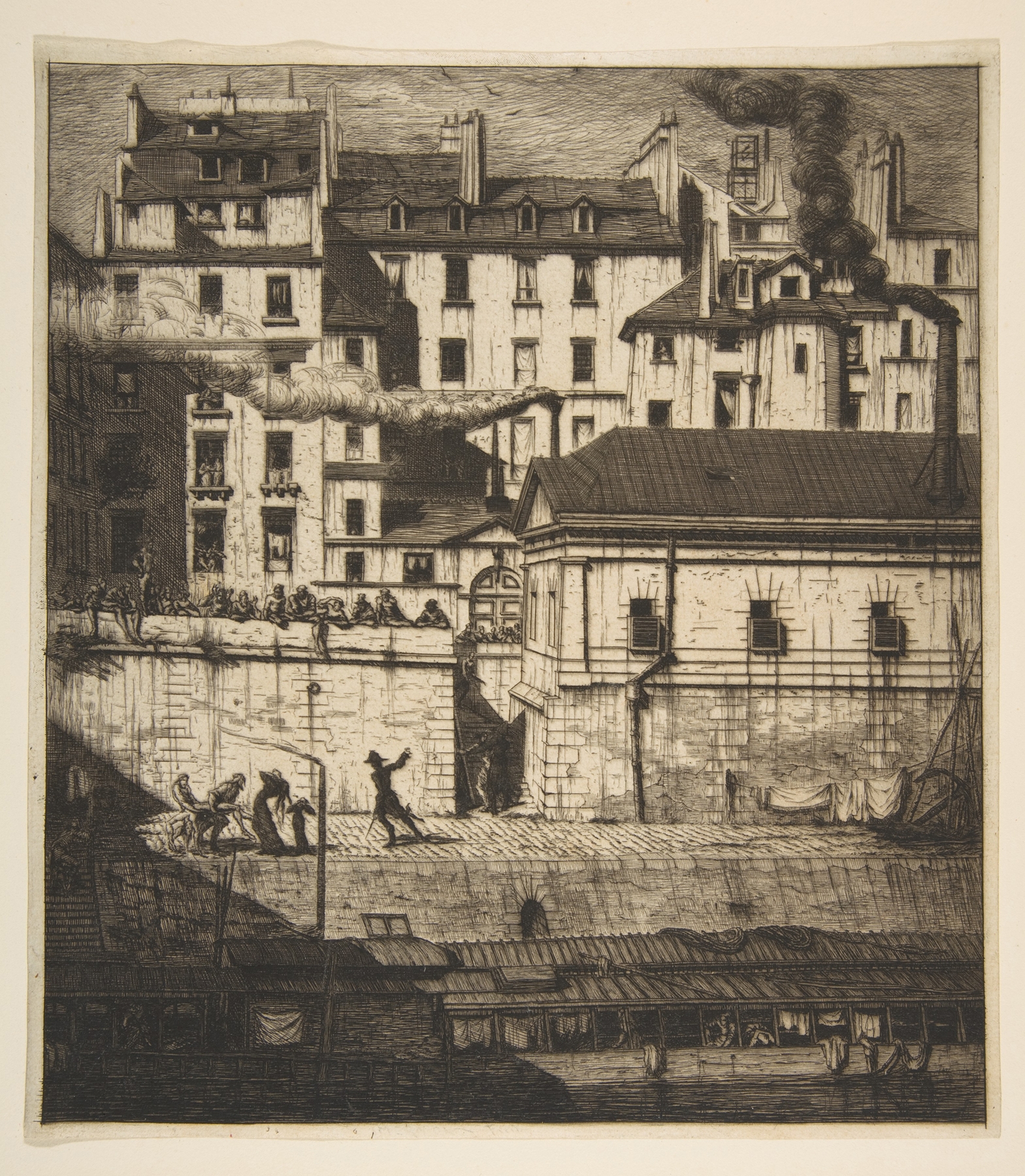
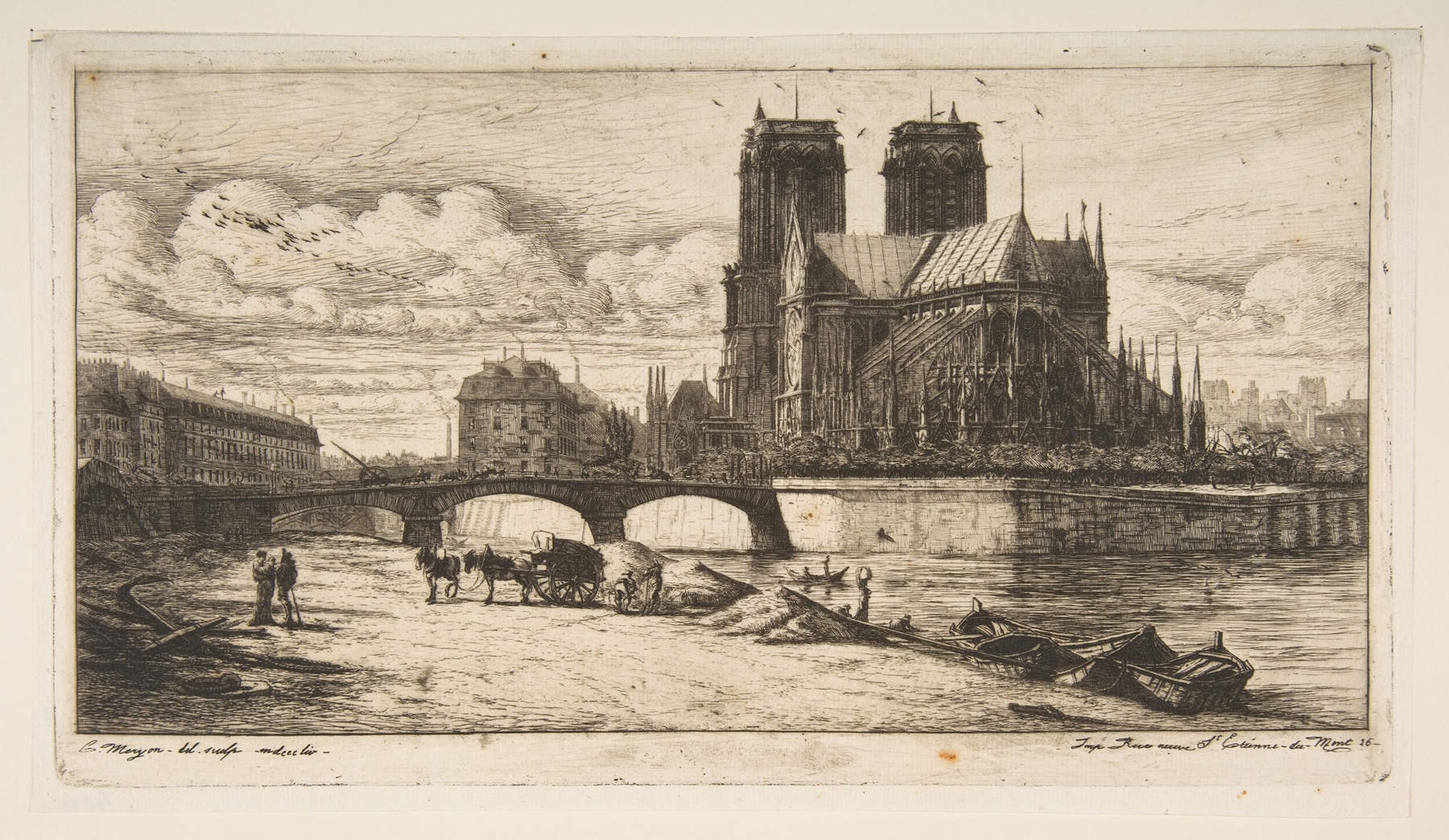
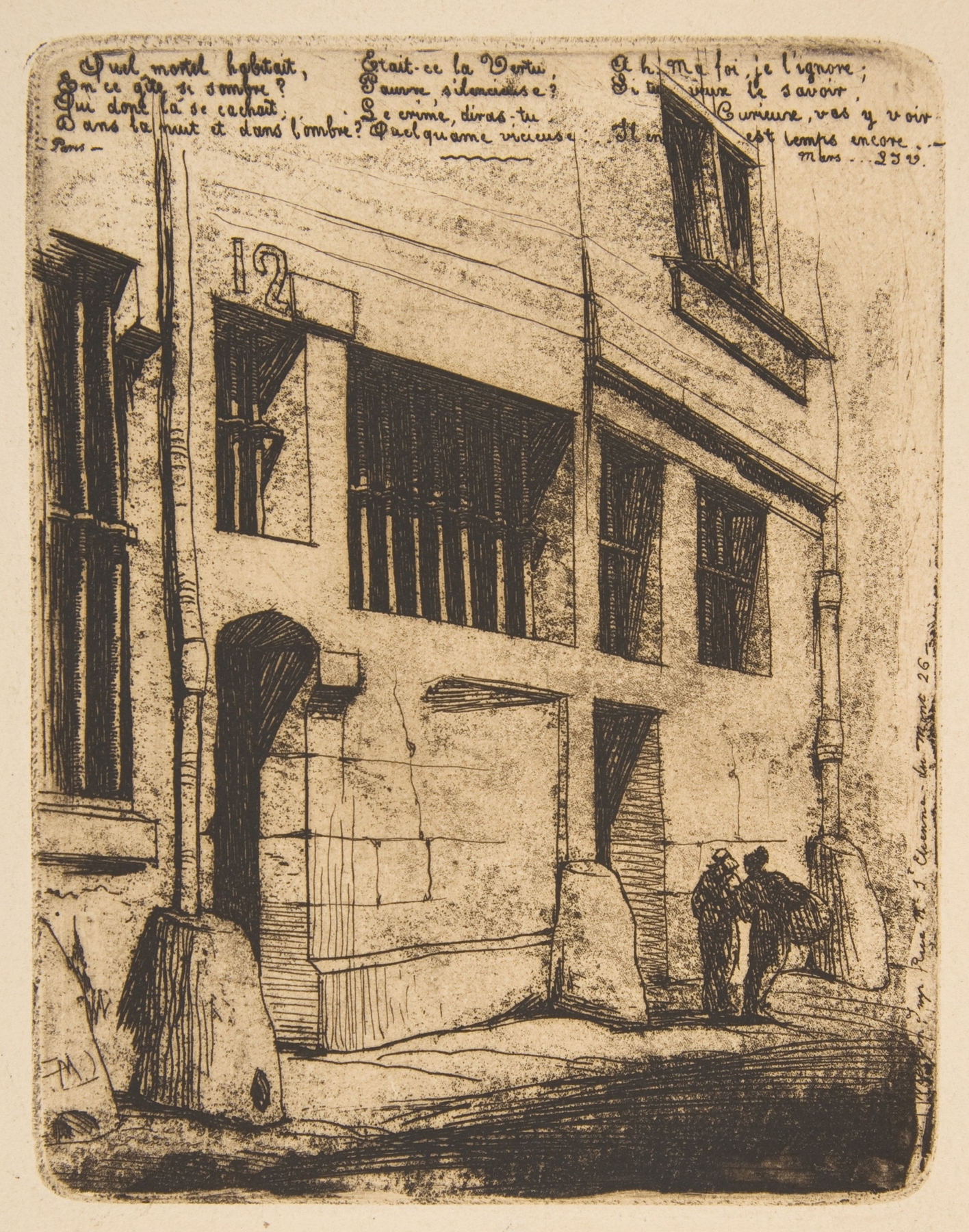
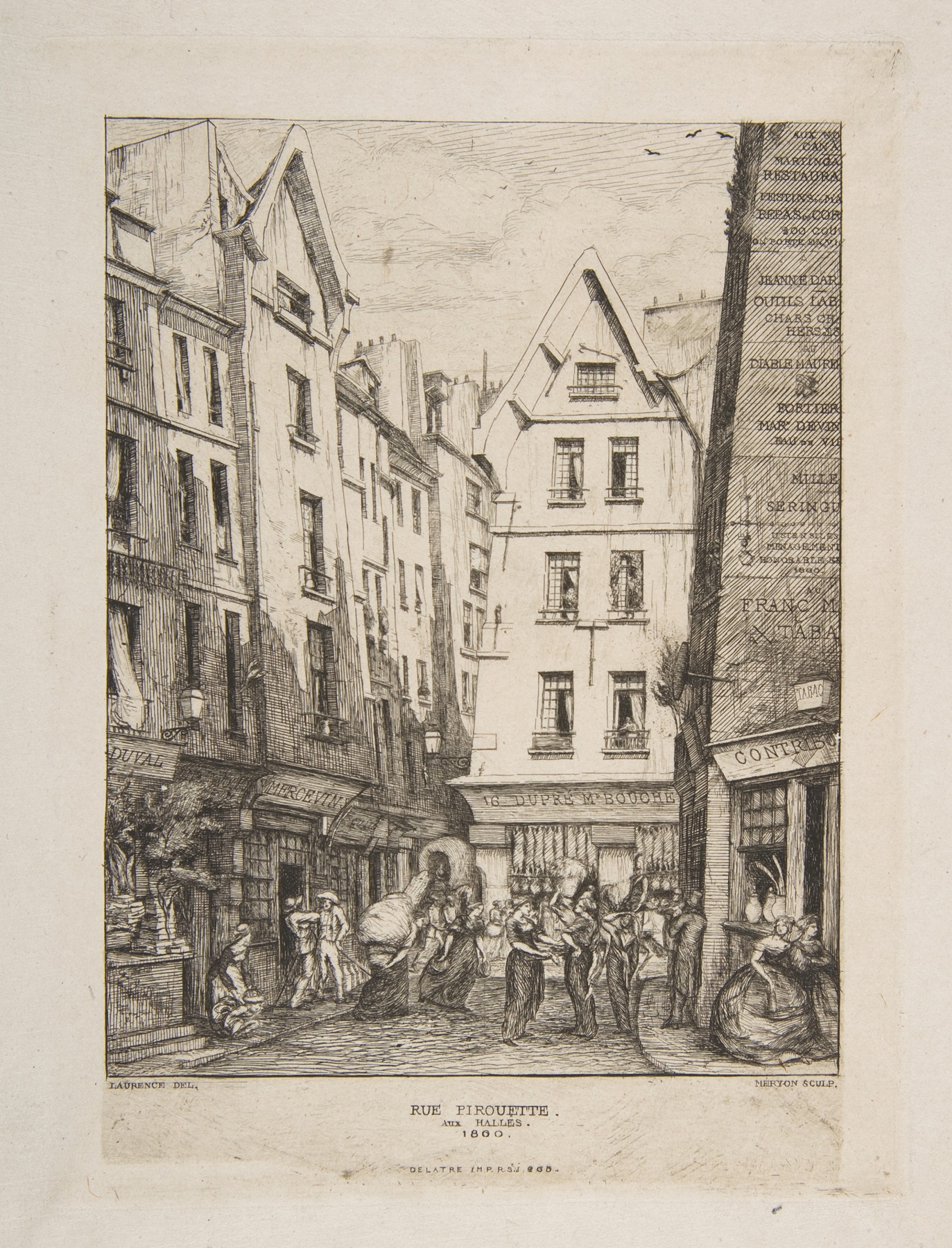
Who listens when art speaks of silence? In Rue Pirouette aux Halles, the stillness of Paris whispers secrets of the past, beckoning us to ponder its divine echoes. Look to the foreground, where the cobblestones lay uneven and shaded, a testament to time's passage. The intricate lines of the architecture rise abruptly from these streets, their stark contrasts of light and shadow creating an almost theatrical tension. Notice how Meryon’s delicate crosshatching gives life to the buildings, contrasting their solidity with the ethereal quality of the sky.
It feels as if the very air hums with unspoken stories, urging the viewer to explore both the depth of the scene and the fragility of existence. Delve deeper into the composition, and you may detect the emotional tensions that linger between the mundane and the divine. The narrow alley hints at isolation, yet the open sky above offers a sense of hope, as if it’s a portal to something greater. The play of light suggests the passage of time, celebrating the city's history while reminding us of our impermanence.
Each shadow and beam of illumination becomes a character in this quiet drama, inviting reflection on our place within its narrative. In 1860, while living in Paris, Meryon was deeply immersed in the city's artistic circles, grappling with his own identity as an artist and the role of the urban landscape in the broader narrative of art. This period marked a transition towards modernity, with burgeoning movements that sought to depict the complexities of contemporary life. Meryon’s mastery of etching and his unique perspective on Parisian scenes were pivotal at this time, capturing both the vitality and the solitude found within its labyrinthine streets.