Saint Cuthbert’s Holy Island — History & Analysis
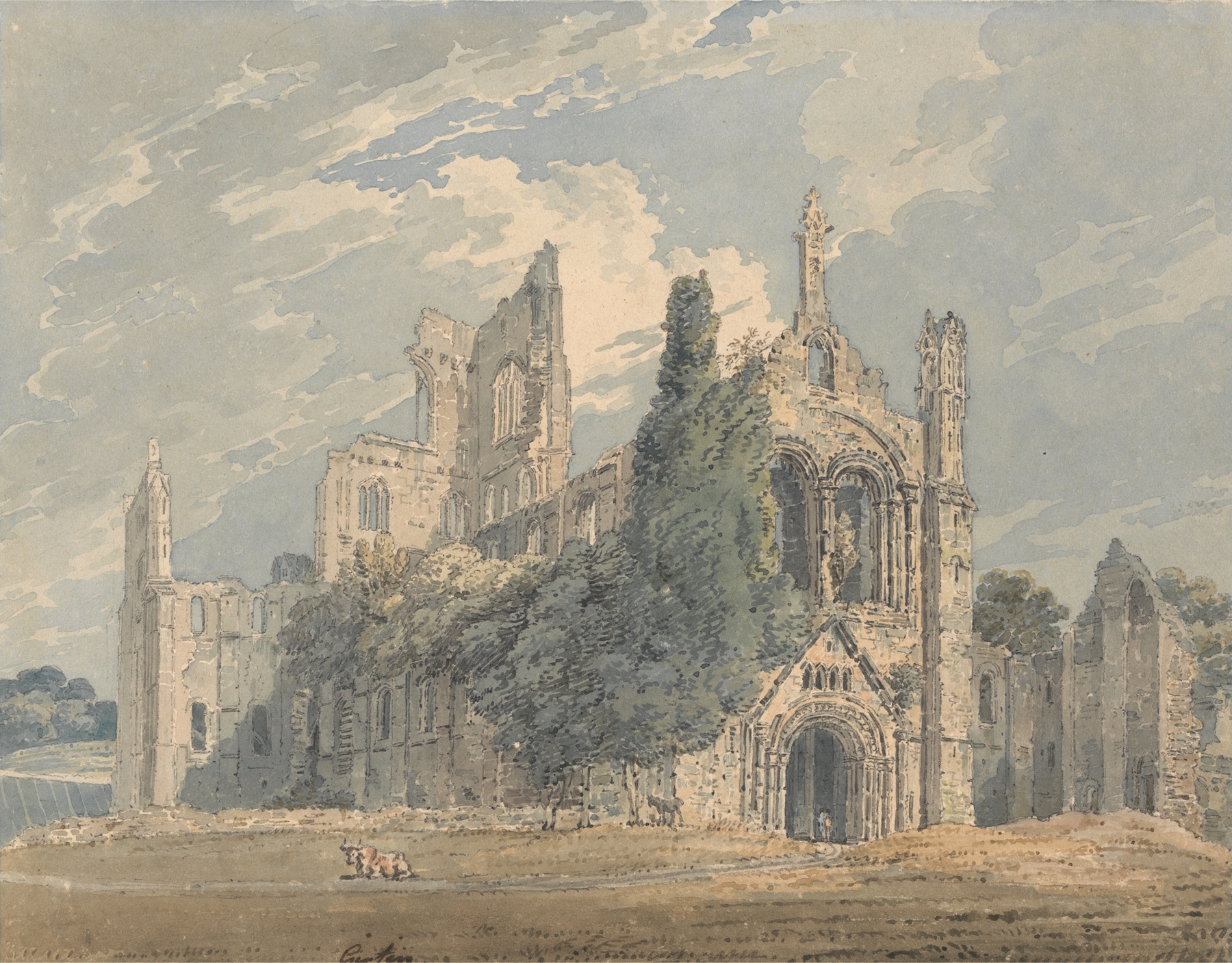
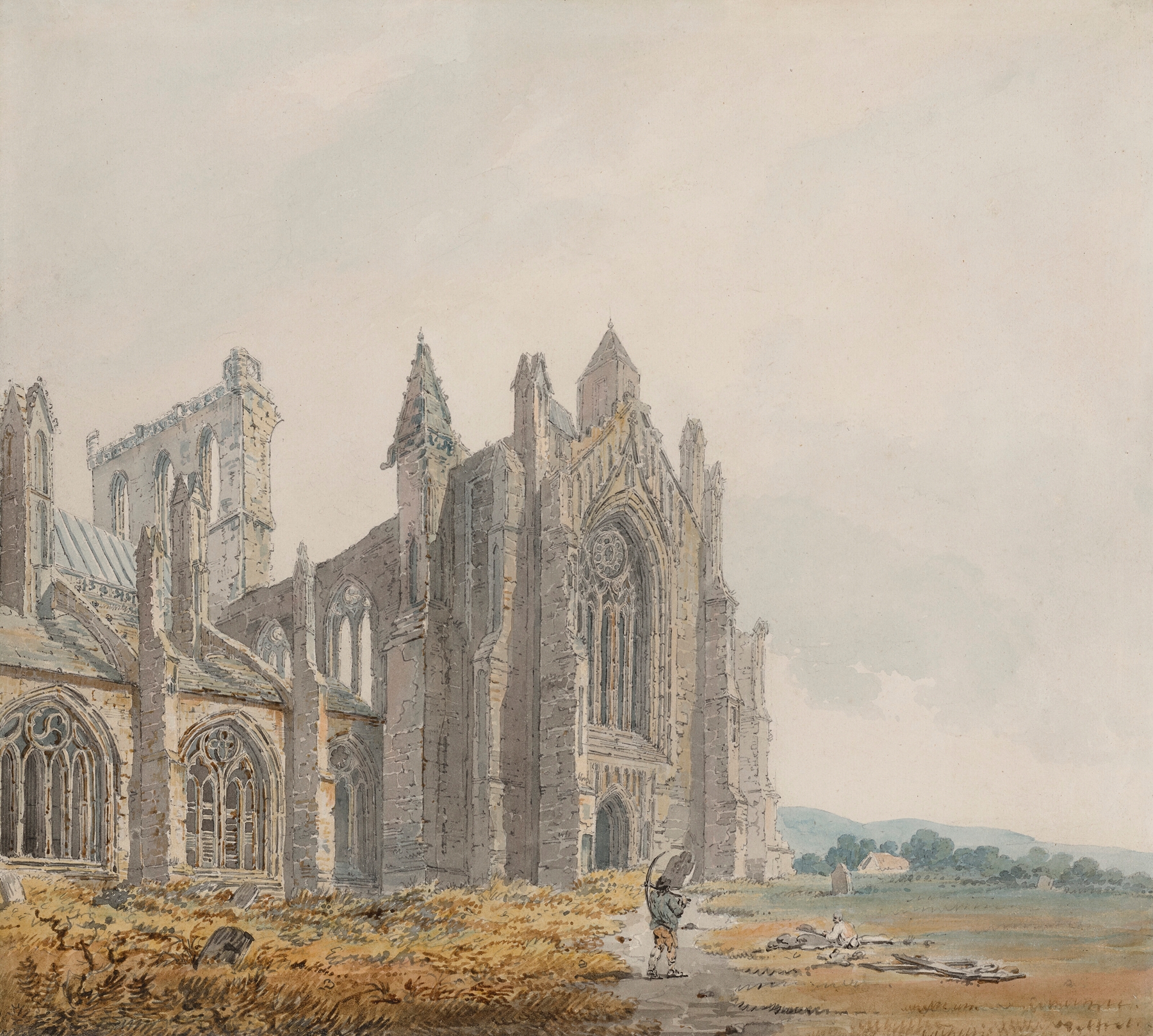
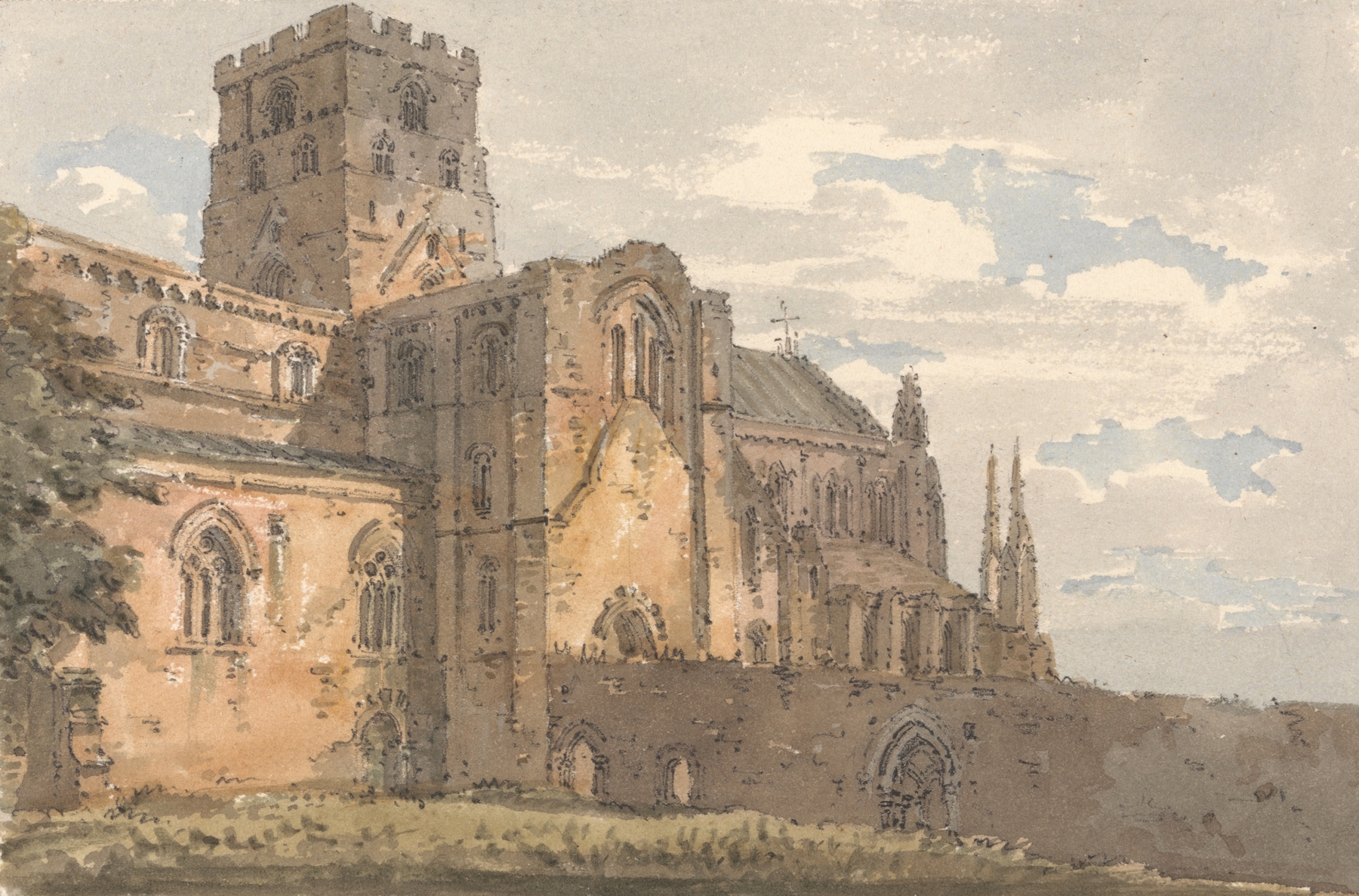
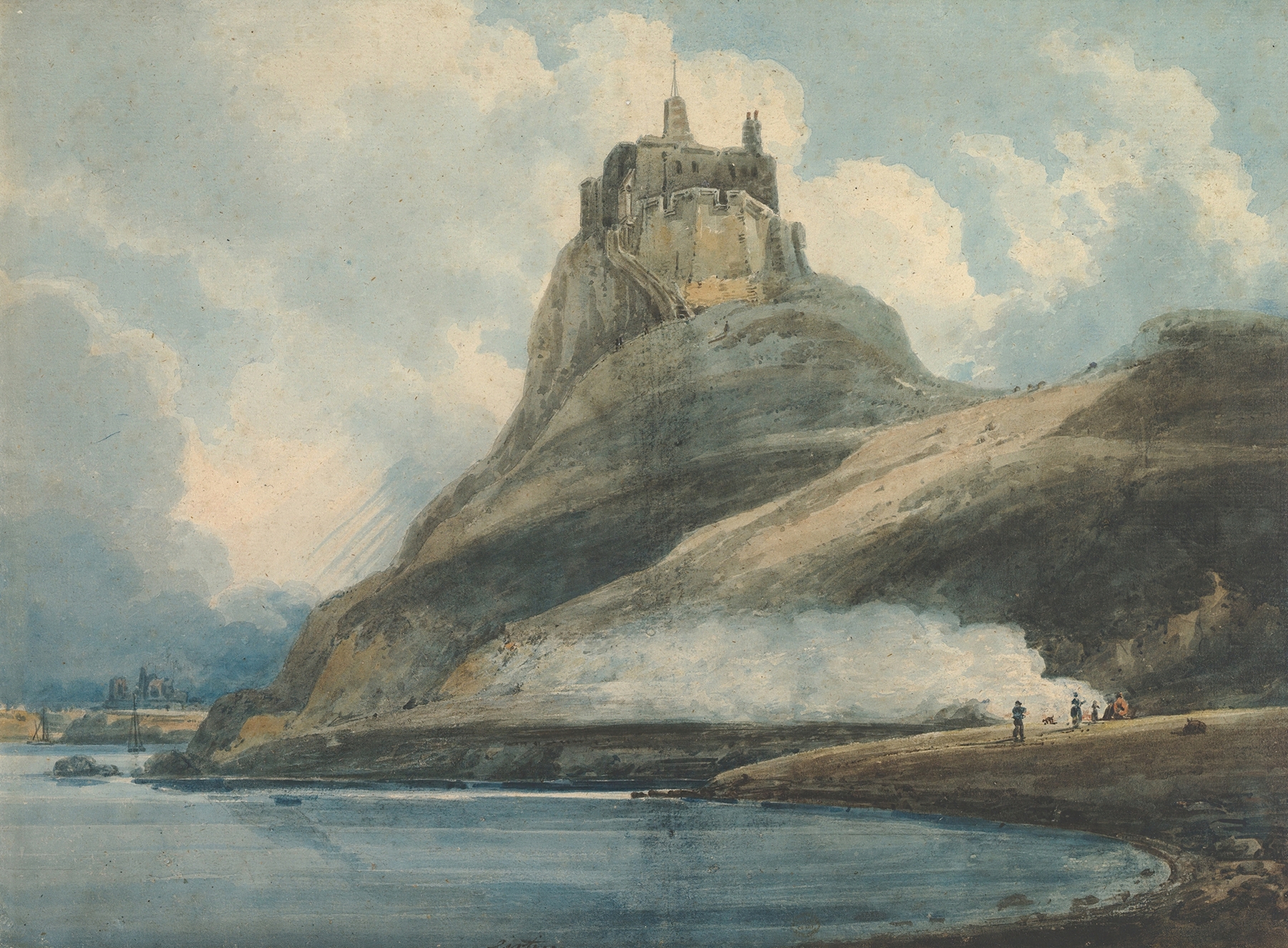
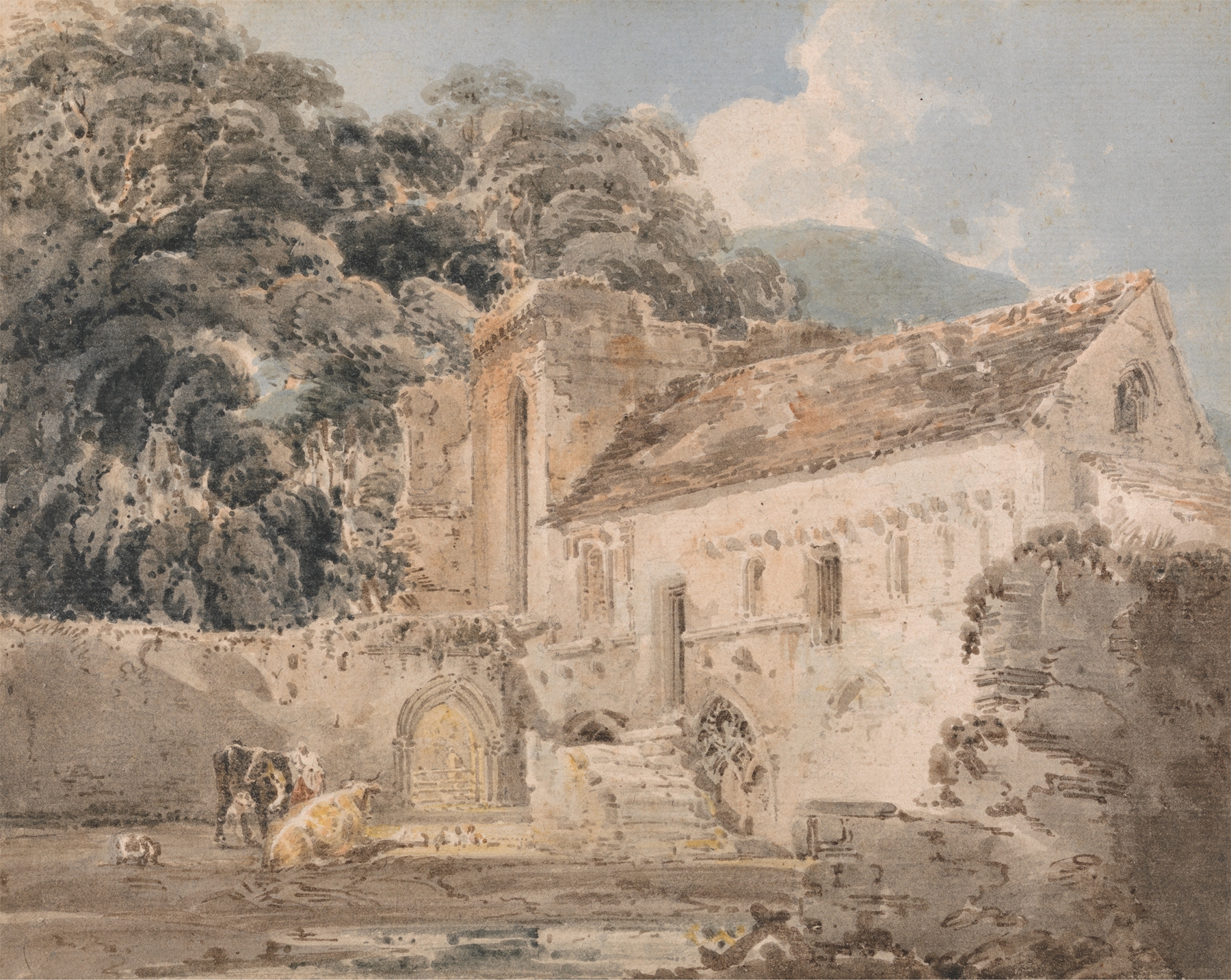
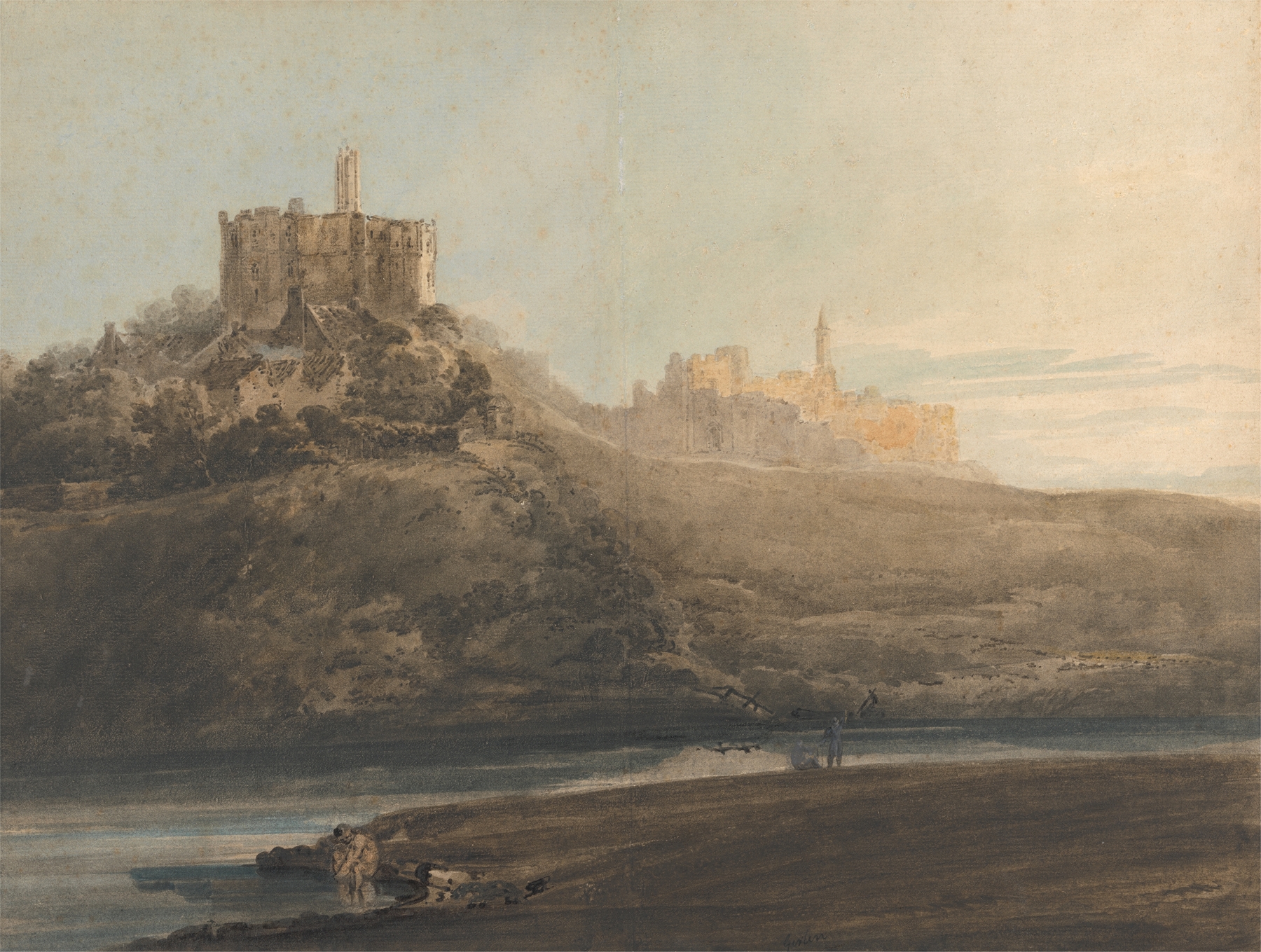
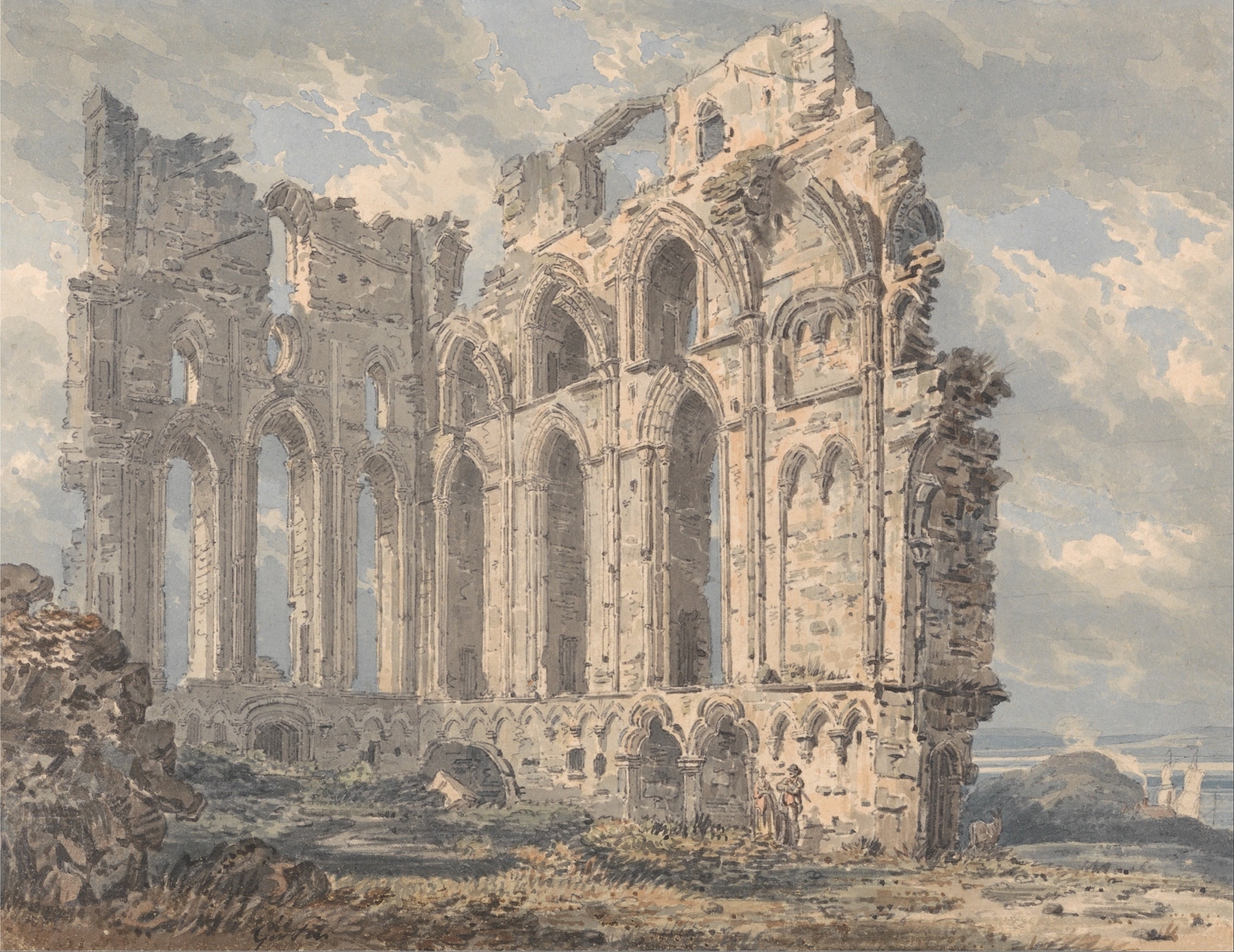
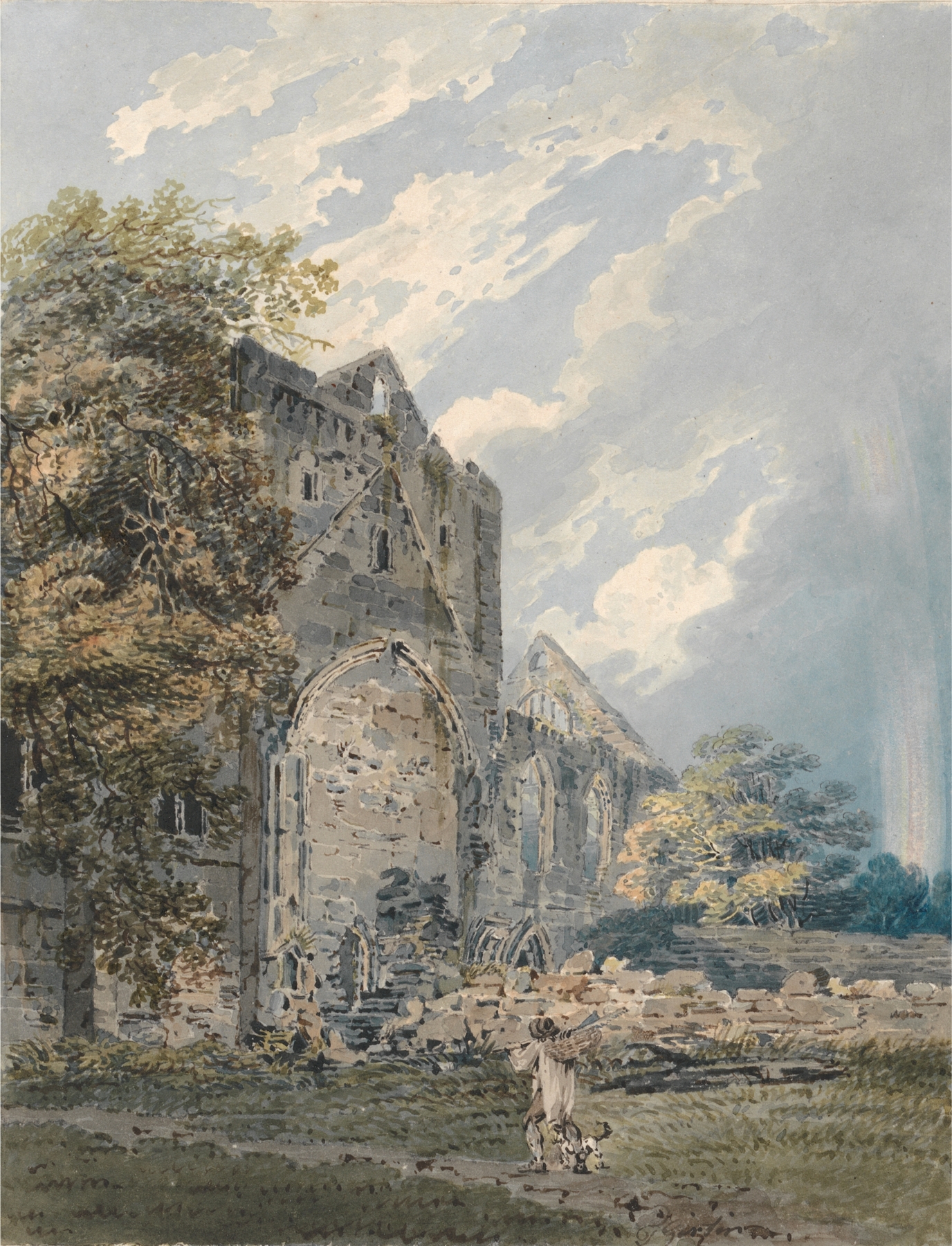
“To paint is to remember what time wants us to forget.” Memory is both fragile and poignant, a delicate thread that binds us to moments now passed. In the serenity of Saint Cuthbert’s Holy Island, we are invited to reflect on the echoes of history and the weight of spirituality that permeate the landscape. Look to the horizon, where the gentle brushstrokes of Girtin establish a luminous sky, transitioning from soft blues to warm golds, as if capturing the fleeting hours of dusk. The foreground draws the eye to the ruins of a monastery, its stones weathered and entwined with nature, a silent testament to time’s passage.
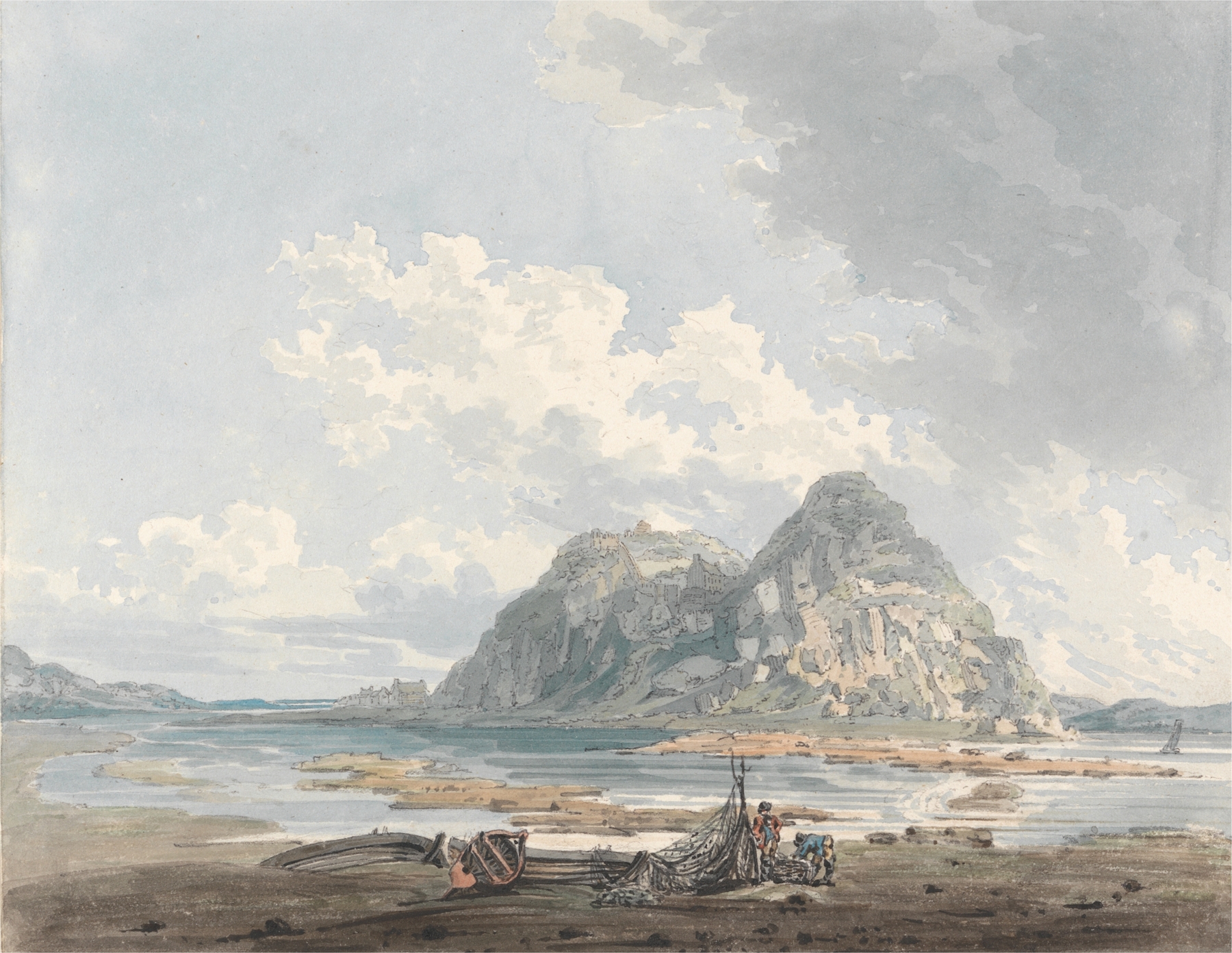
The interplay of light and shadow dances over the serene waters, suggesting a tranquil yet haunting stillness, evoking the sacredness of the site. Within this landscape lies a profound contrast between the enduring essence of the natural world and the ephemeral nature of human endeavor. The dilapidated structure signifies both loss and reverence, a reminder of the power of faith in the face of time's relentless march. The surrounding land, rich with subtle greens and browns, symbolizes the resilience of nature, providing a backdrop where memory and spirituality intertwine effortlessly.
In 1797, Thomas Girtin painted this work during a pivotal time in his career on the cusp of the Romantic movement. He was exploring the idea of capturing emotional resonance within landscapes, a departure from the more rigid conventions of the past. Girtin’s innovative use of watercolor was gaining recognition, marking an important evolution in the practice of landscape painting amidst the burgeoning interest in the sublime and the personal connection to nature.