Saint-Vaast-La-Hougue, La Baie — History & Analysis
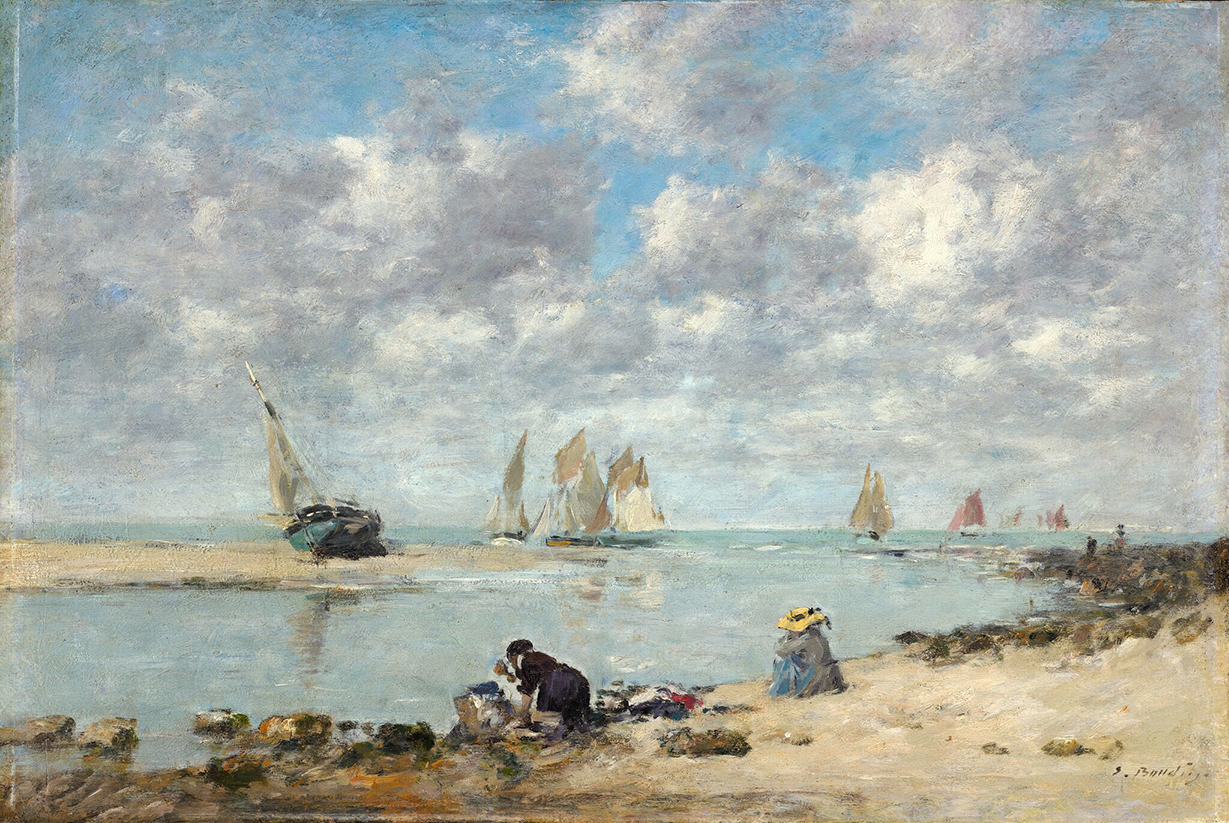
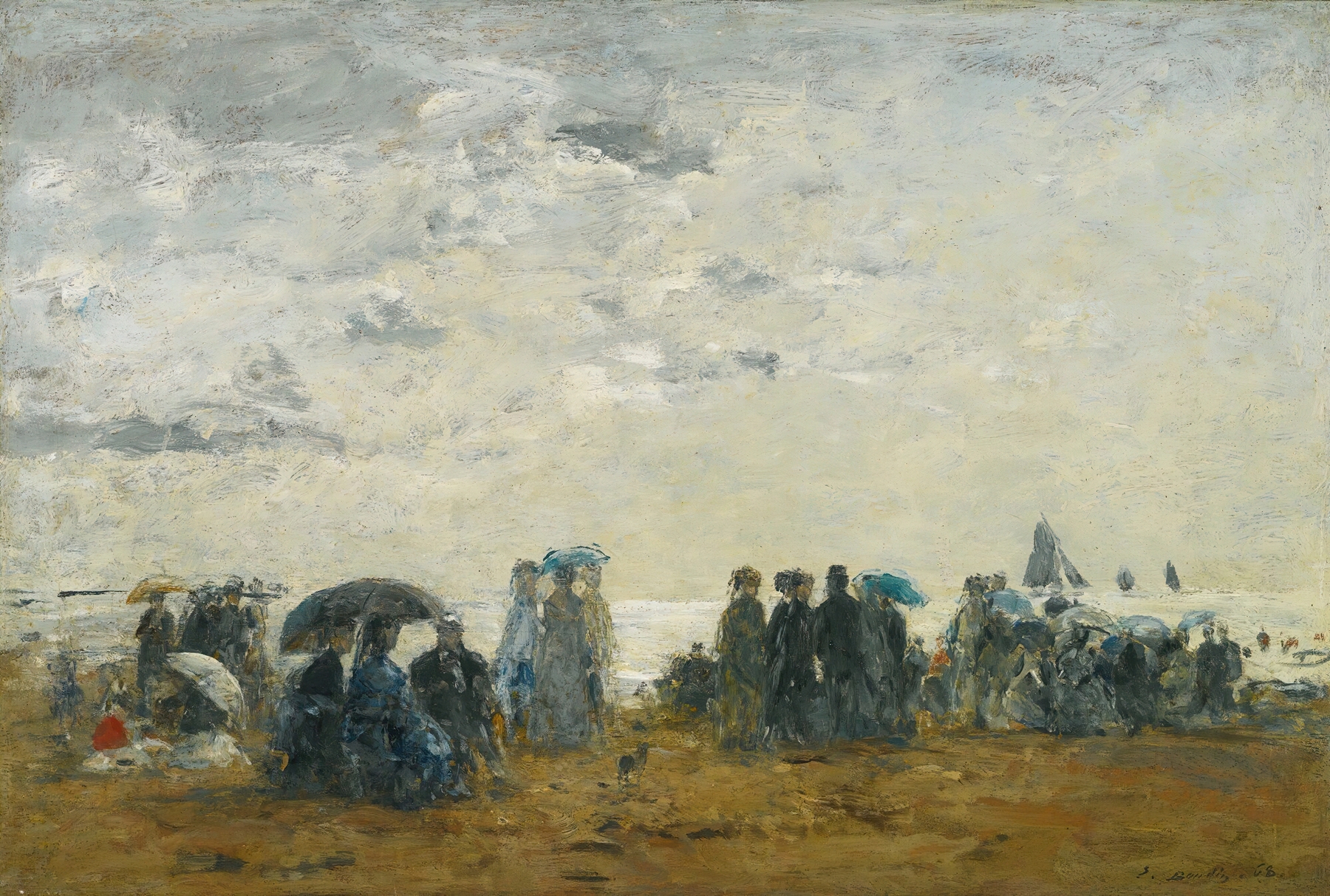
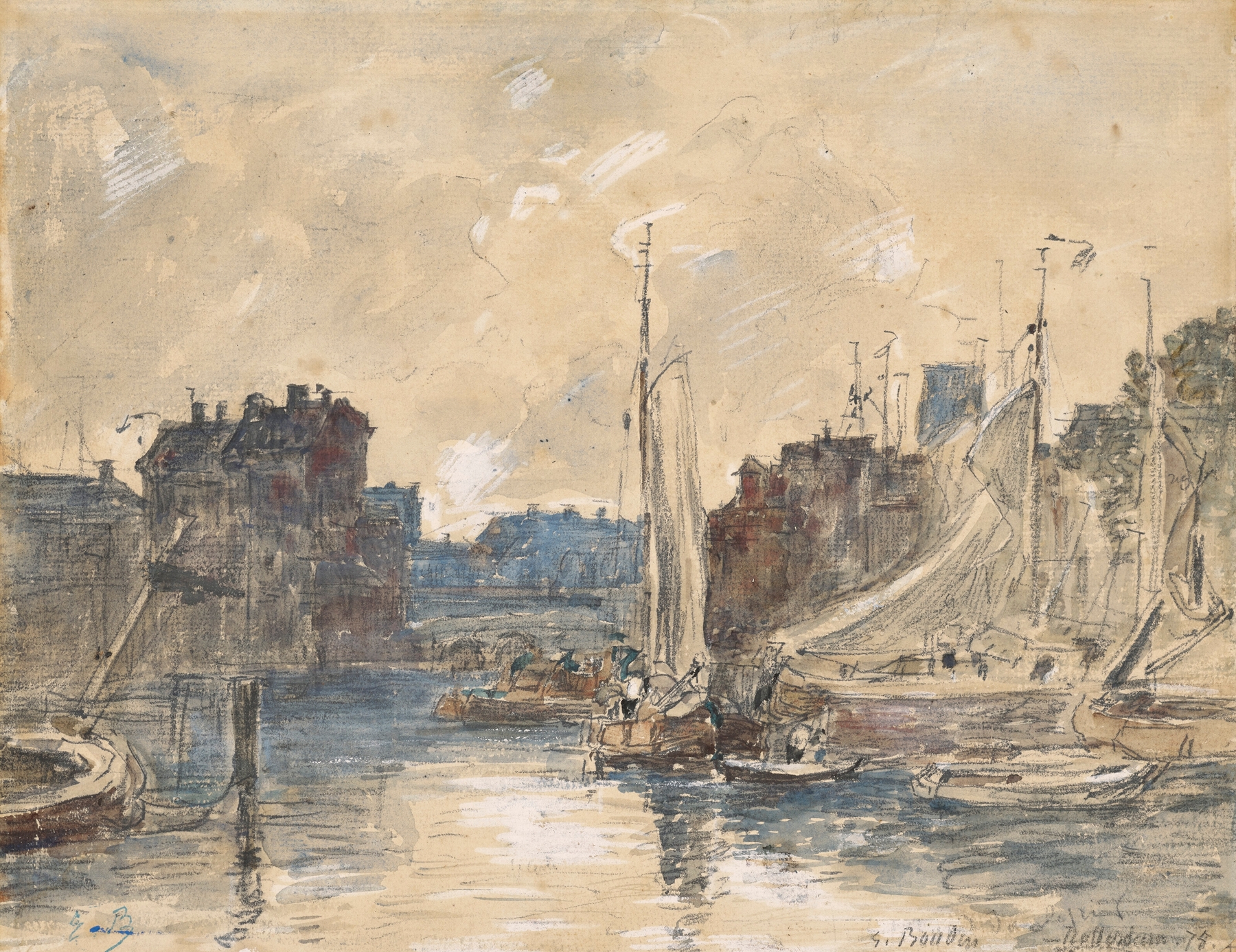
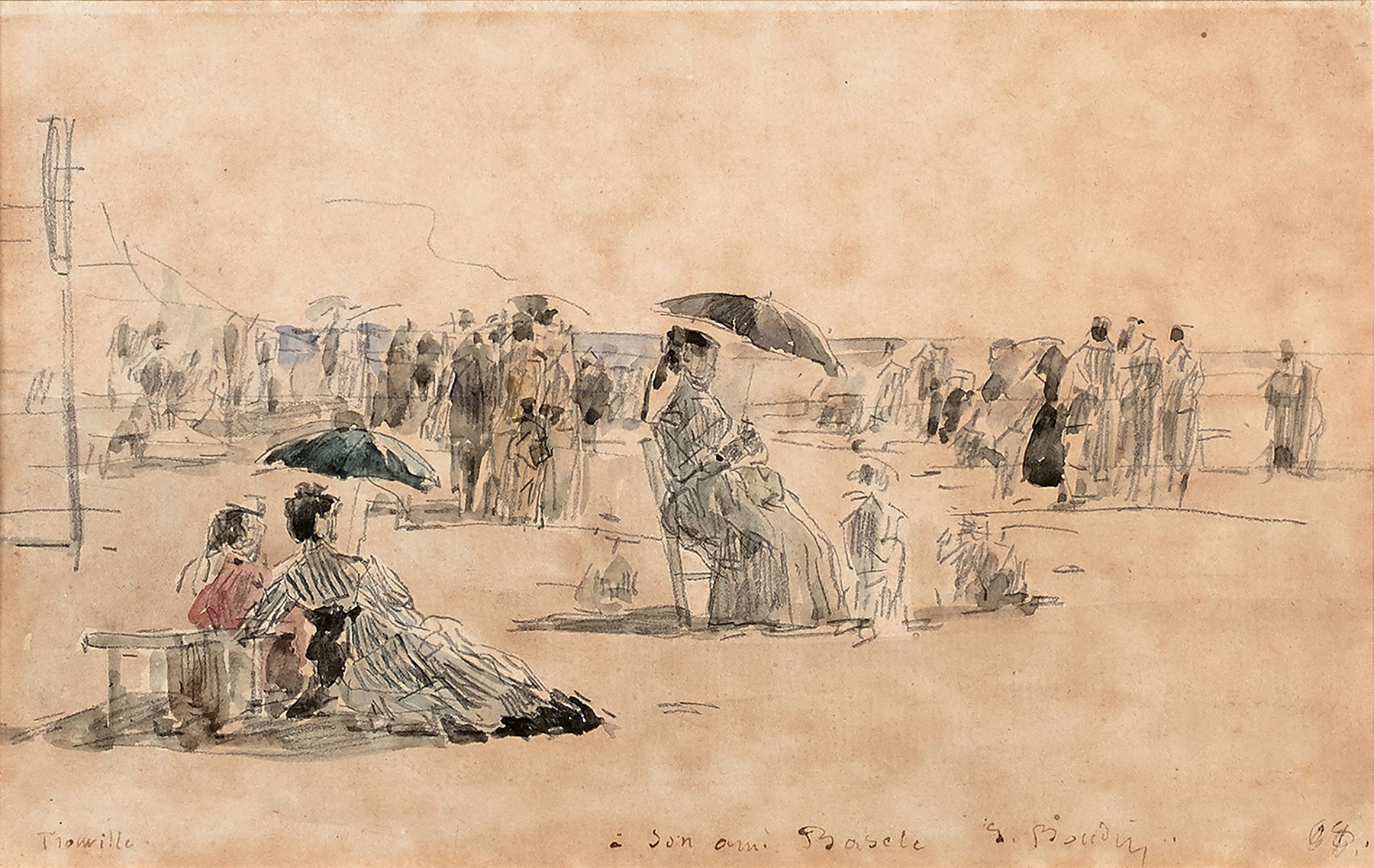
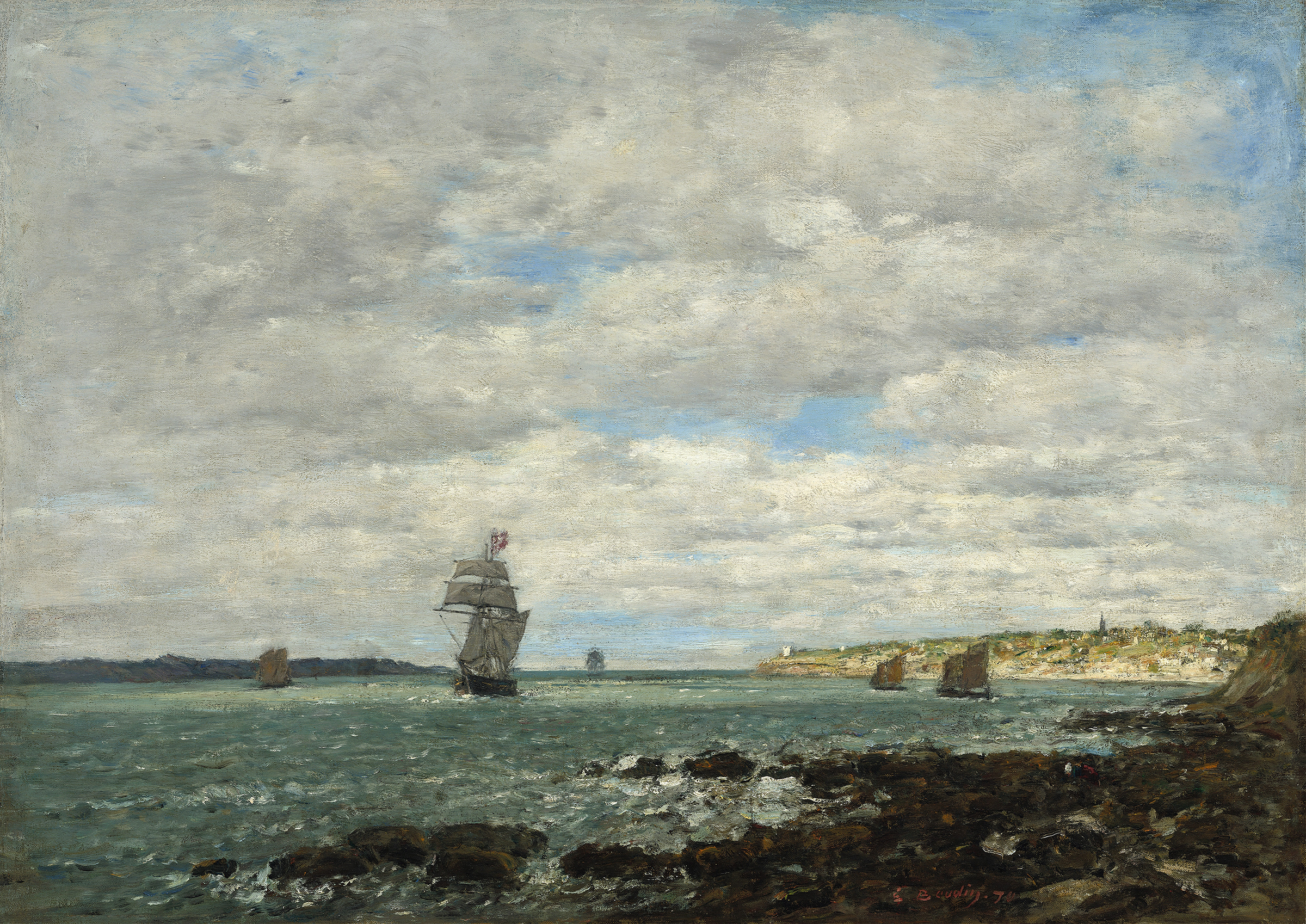
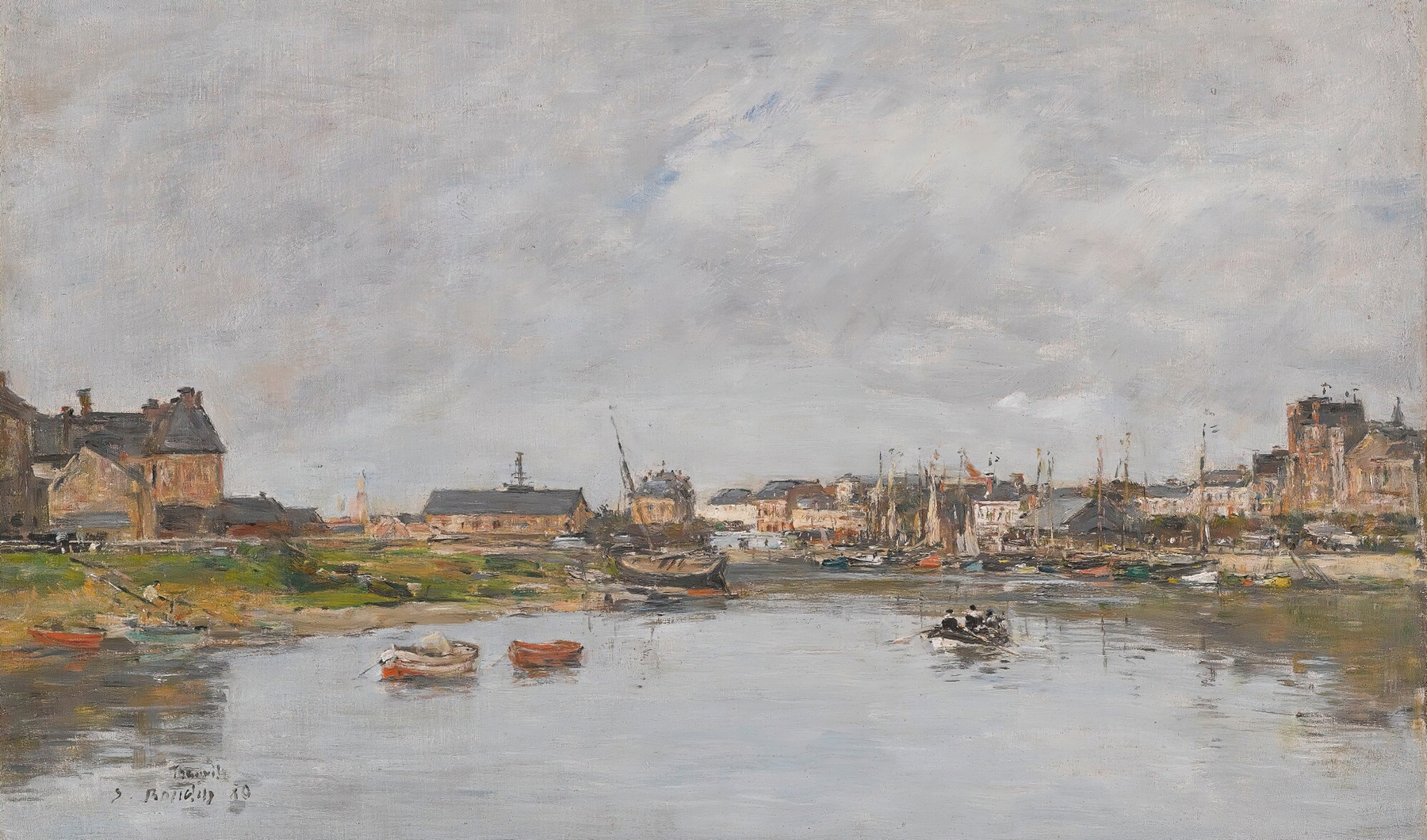
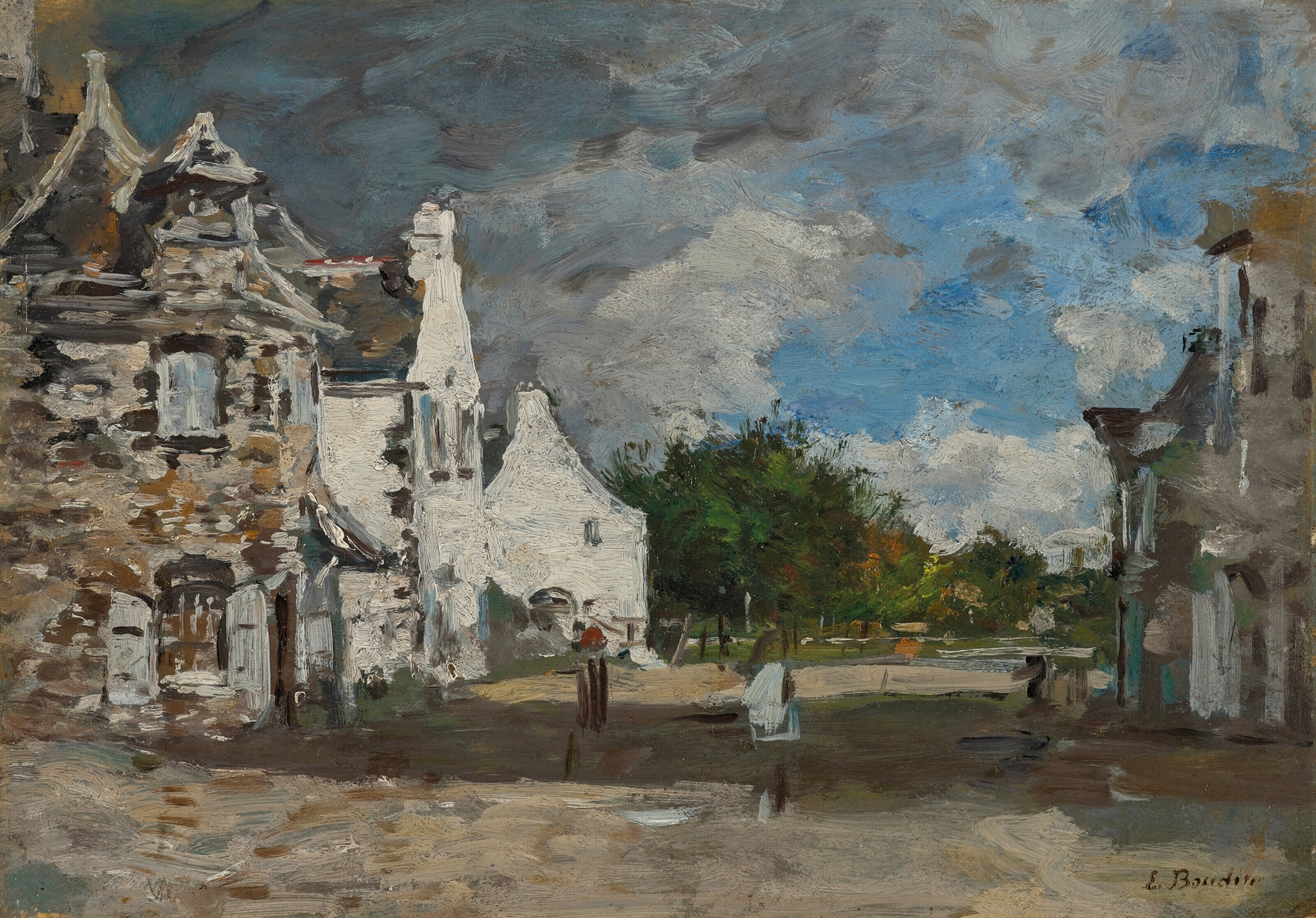
“To paint is to remember what time wants us to forget.” In capturing fleeting moments, artists wield the brush to hold onto what might otherwise slip away, rendering reflections that echo both beauty and transience. Look to the foreground where the tranquil waters of the bay shimmer with soft ripples, their movement a dance beneath the gentle caress of the afternoon light. The horizon stretches wide, a delicate blend of blues and whites, as sailboats glide gracefully, their billowing sails catching the breeze. Notice the fleeting strokes of color employed by the artist, which breathe life into the scene, inviting the viewer to feel the cool air and hear the distant murmur of the waves.
Within this serene landscape lies a tapestry of contrasts. The vibrant energy of the boats, filled with potential and motion, stands in stark juxtaposition to the calmness of the waters, embodying the dichotomy of human ambition against nature's serene backdrop. The reflections in the water offer not just a mirror of the sky, but also a representation of memories, hinting at the unseen stories that linger just beneath the surface. Each brushstroke holds the weight of time, whispering the histories of those who have passed through this coastal haven.
In 1892, when this piece was created, Boudin was firmly established in the artistic landscape of France, celebrated for his ability to depict coastal scenes with a fresh eye. He was immersed in the Impressionist movement, which was reshaping how artists approached light and color. During this time, he was deeply influenced by the changes in the world around him, as urbanization began to alter the coastline, making his reflections not just about beauty, but also about the impermanence of place in an ever-evolving society.