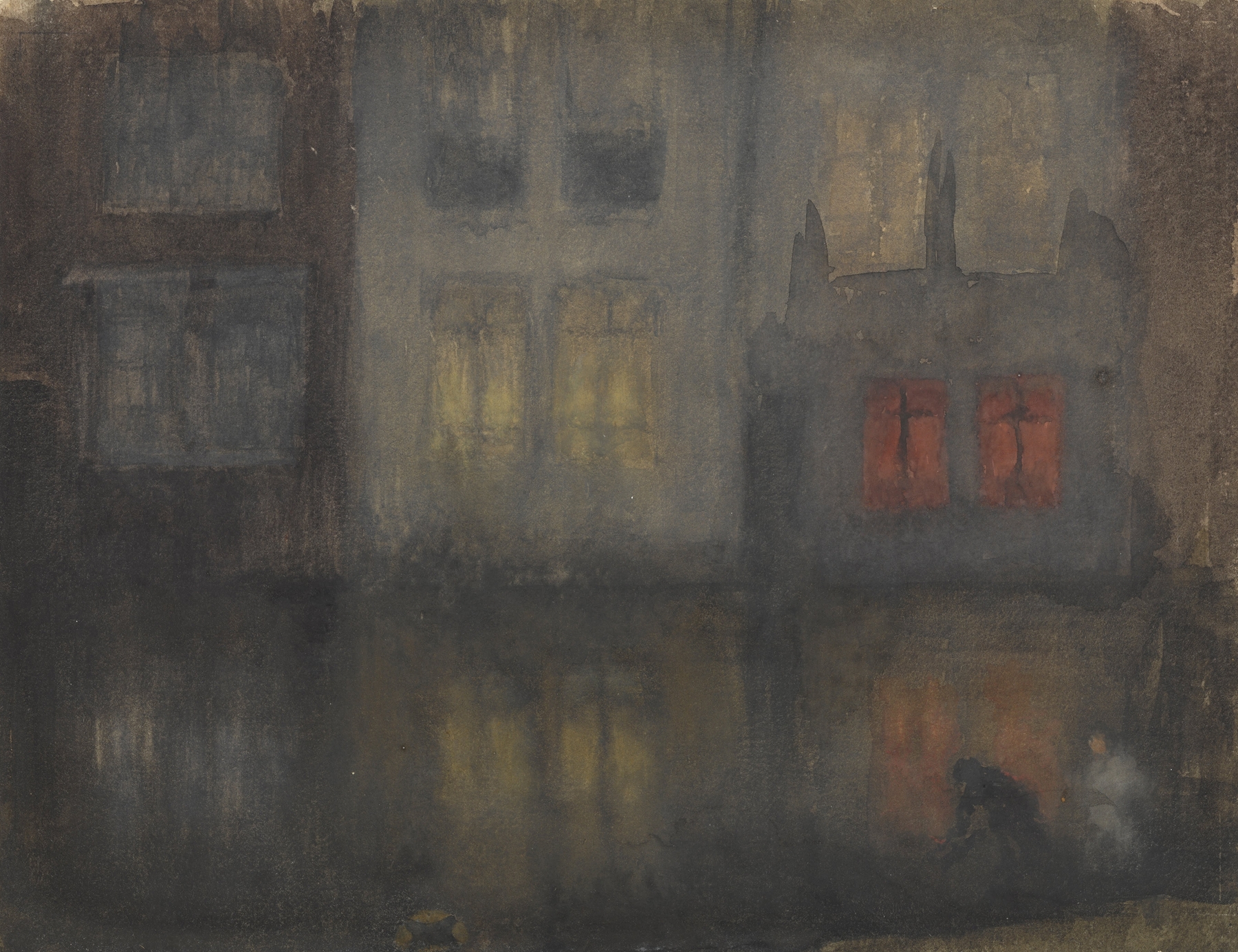
San Giorgio, Venice — History & Analysis
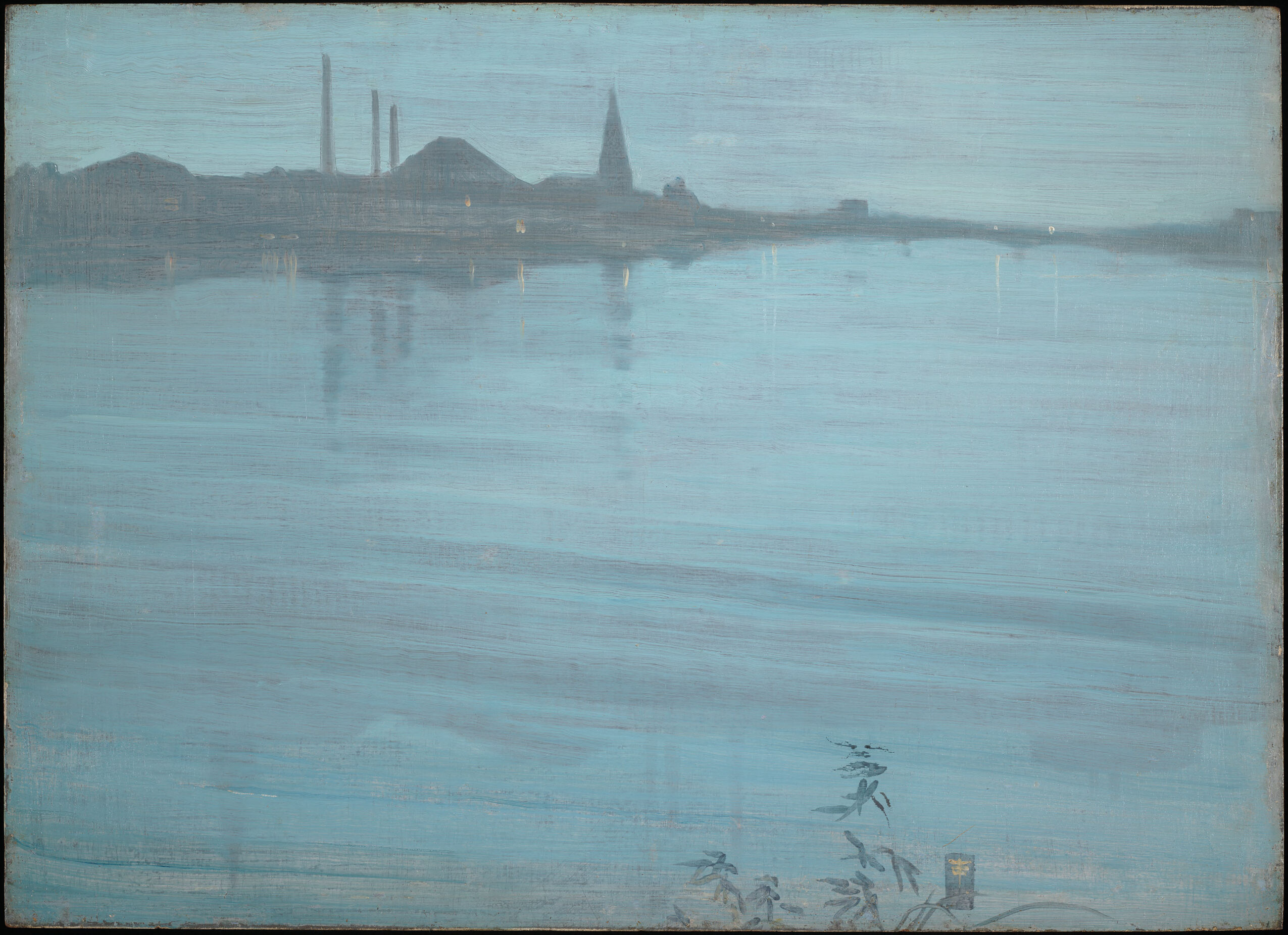
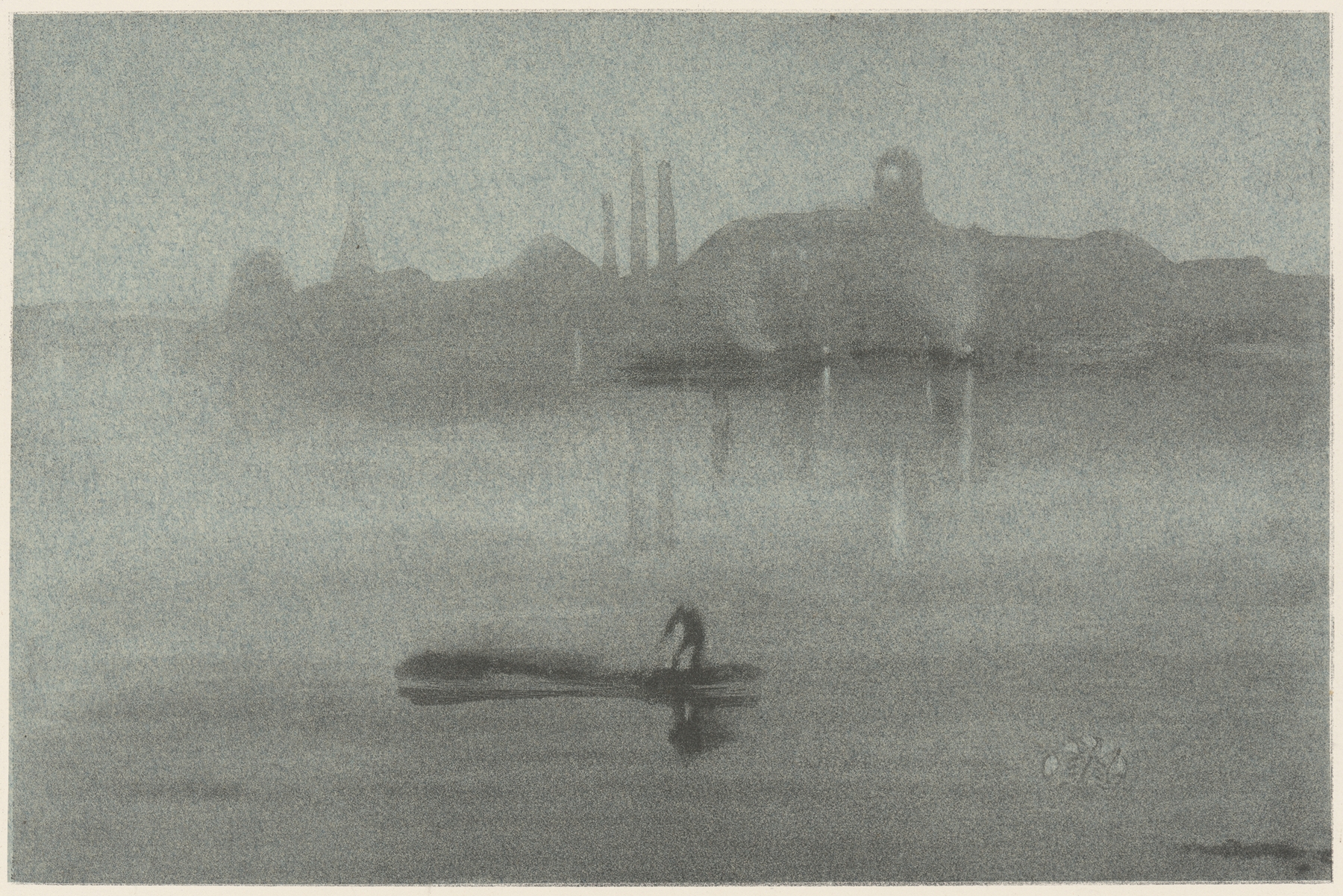
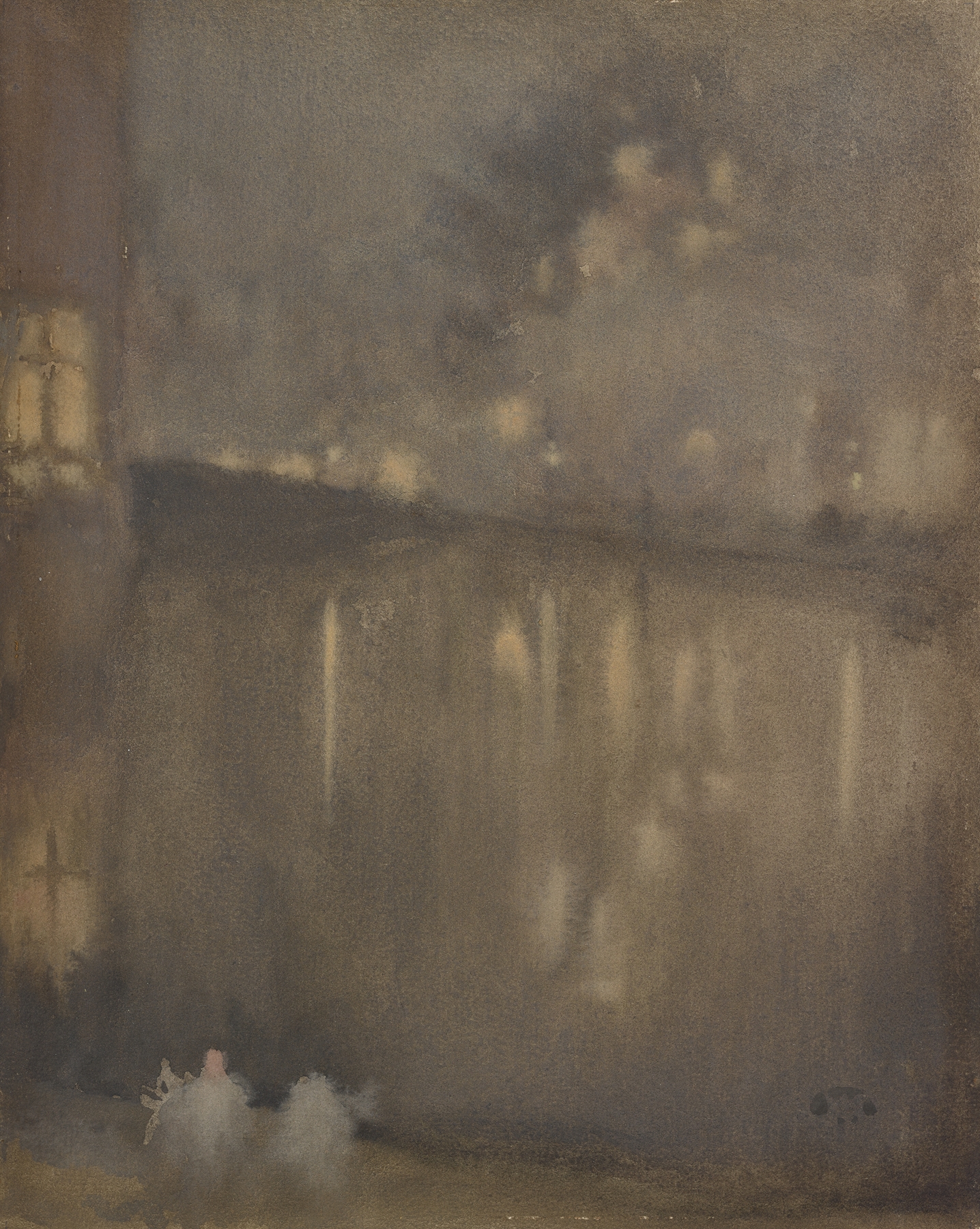
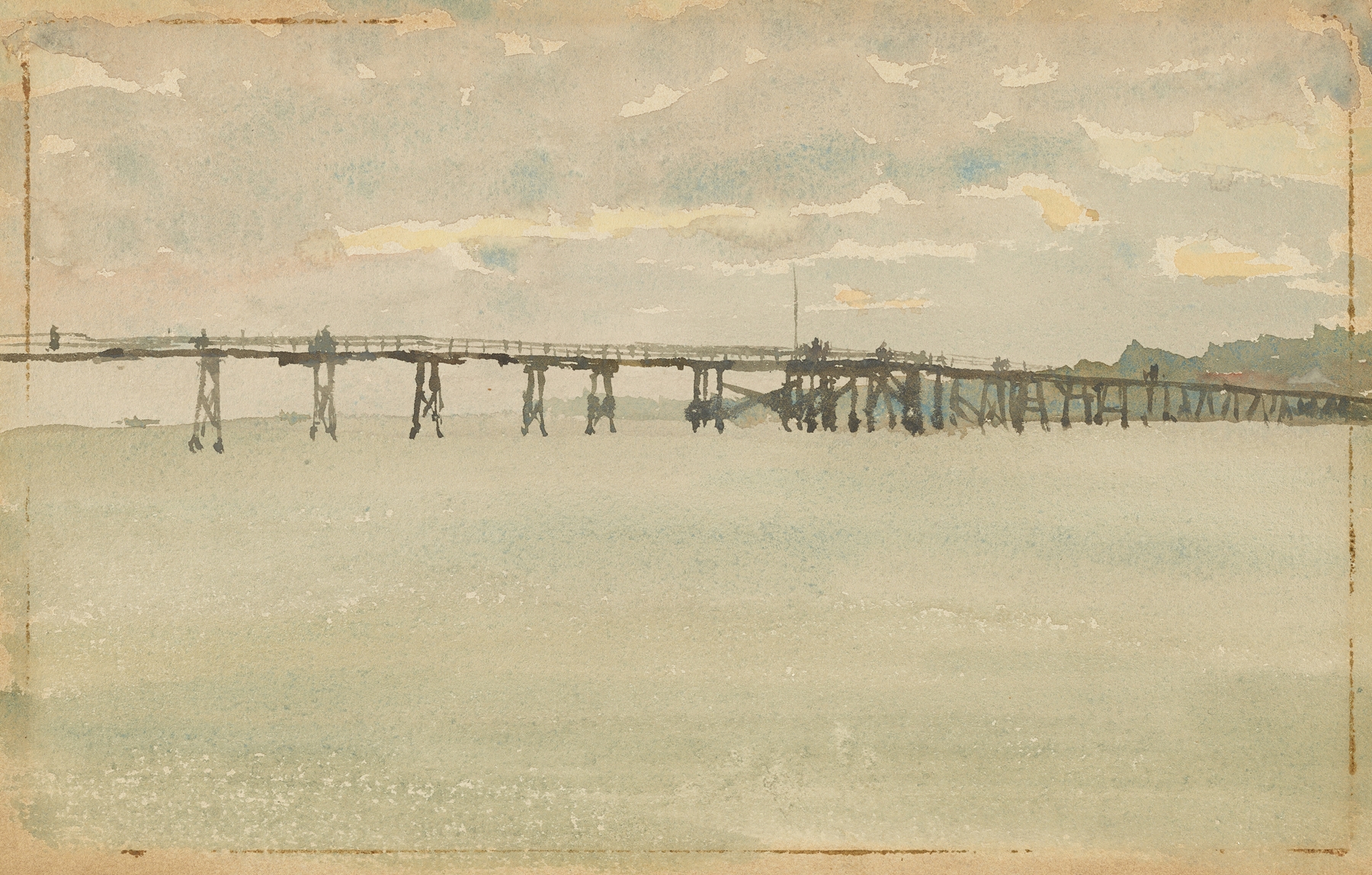
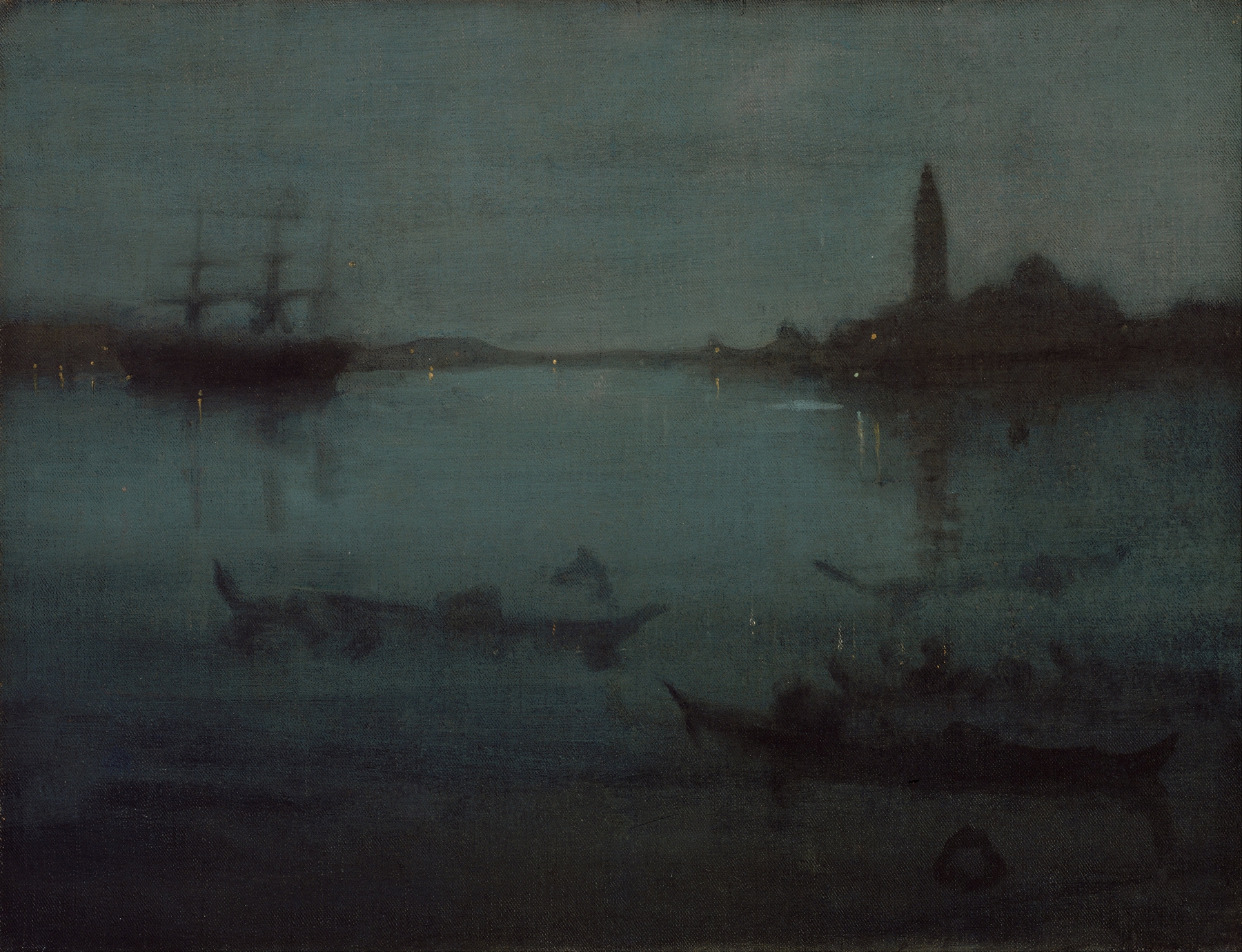
“Every brushstroke is a heartbeat remembered.” In San Giorgio, Venice, the artist captures a deep longing and desire for connection, resonating through the tranquil waters of the lagoon. Look to the left at the delicate silhouette of San Giorgio Maggiore, its bell tower rising gracefully against the backdrop of a soft, pastel sky. The subtle interplay of blues and pinks in the water reflects the setting sun, creating a harmonious palette that envelops the viewer. Whistler's masterful use of light and shadow guides your gaze across the canvas, imbuing each element with a sense of serenity and introspection.
The painting unfolds layers of emotional depth; the tranquil water suggests both stillness and yearning, echoing the artist's desire for beauty and transcendence. The juxtaposition of the solid architectural form of the church against the ephemeral quality of the sky conveys a tension between permanence and fleeting moments. Each brushstroke invites contemplation, allowing the viewer to explore their own yearnings and aspirations.
In 1886, Whistler created this work in Venice, a city that profoundly influenced him. During this period, he was navigating a complex relationship with the art world, balancing his innovative approach with the traditional expectations of his contemporaries. The painting reflects not only his personal experiences but also the broader artistic movement that sought to capture the essence of a moment, making it a crucial piece in the evolution of Impressionism.