Sandsend, Yorkshire — History & Analysis
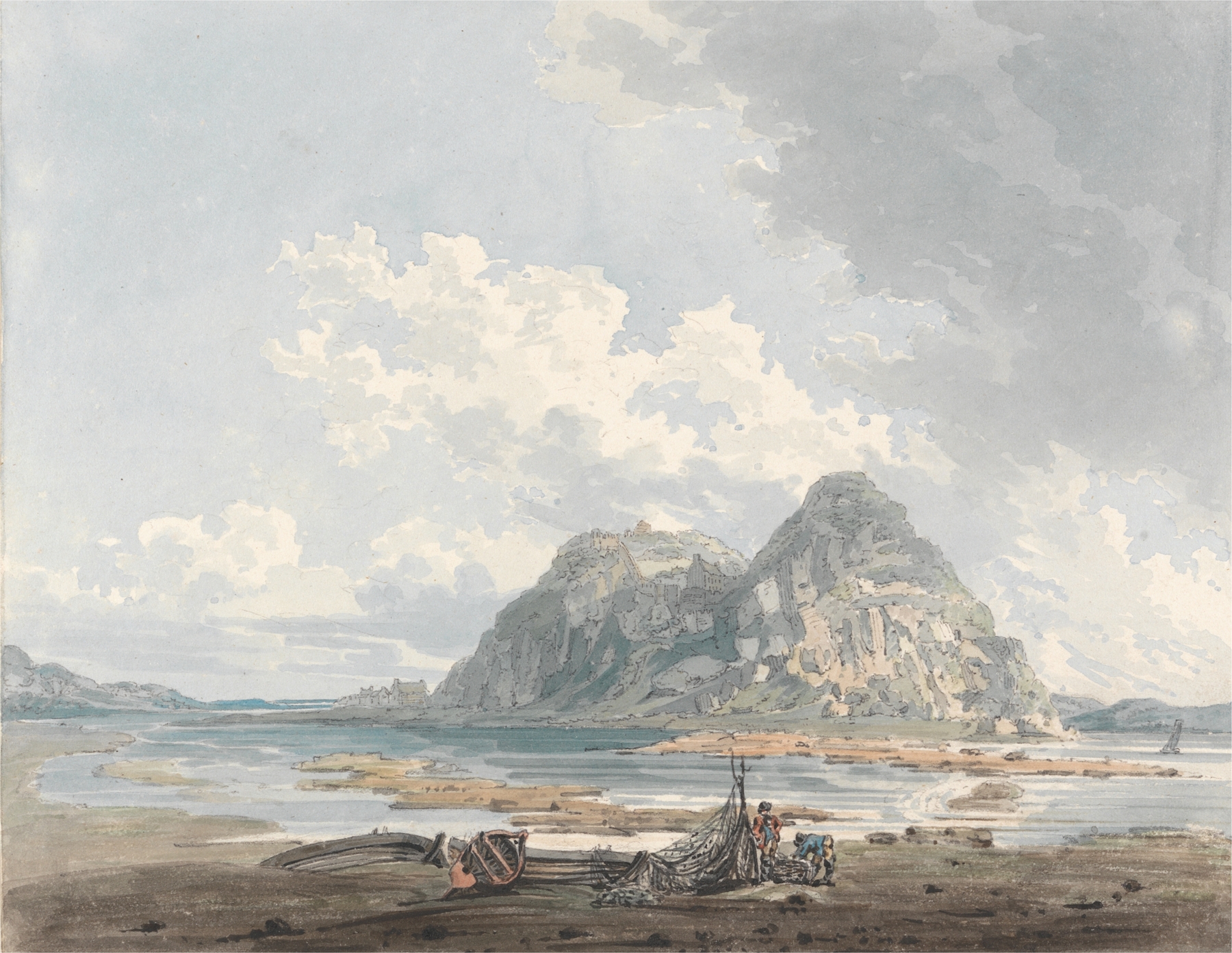
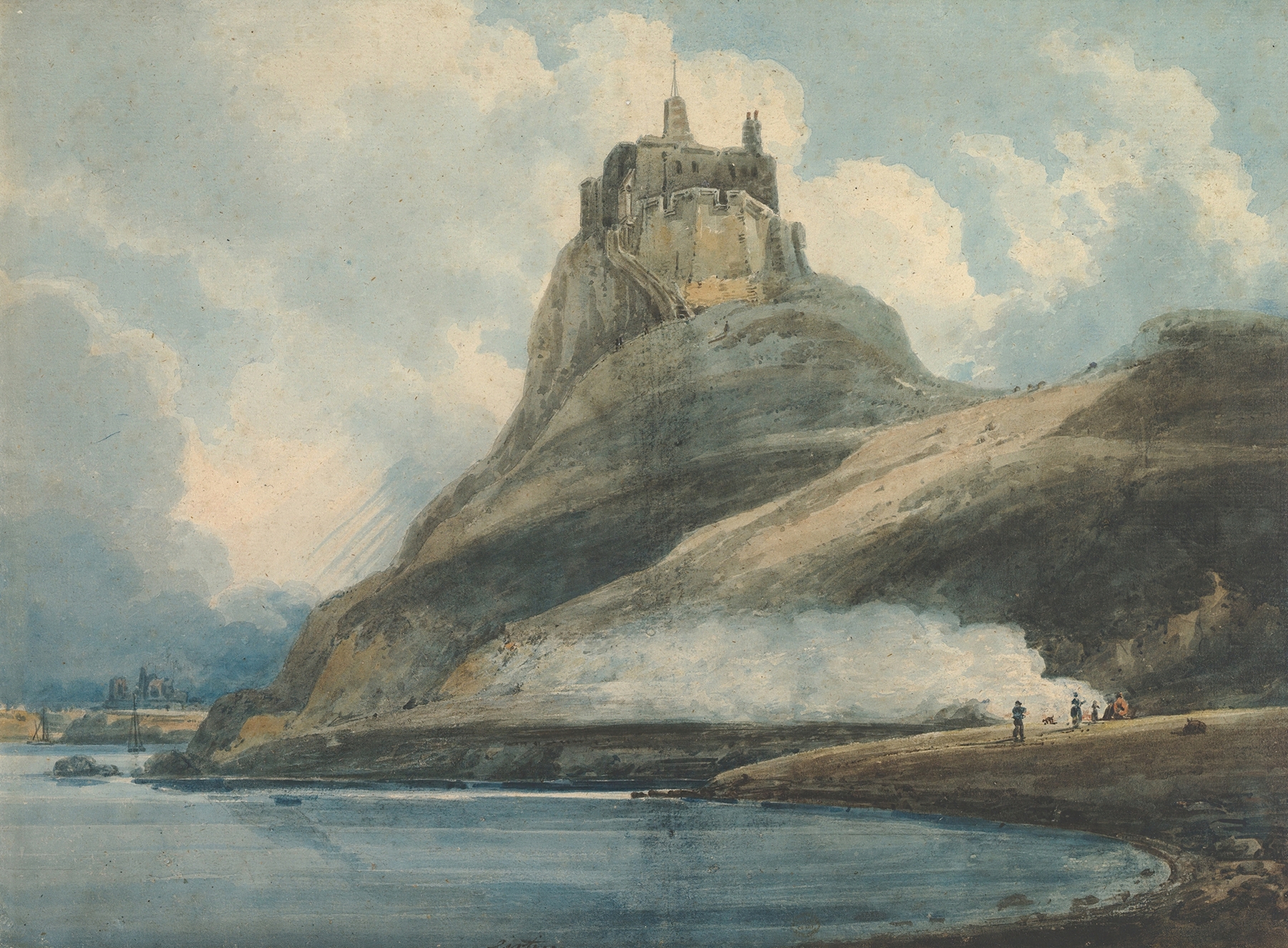
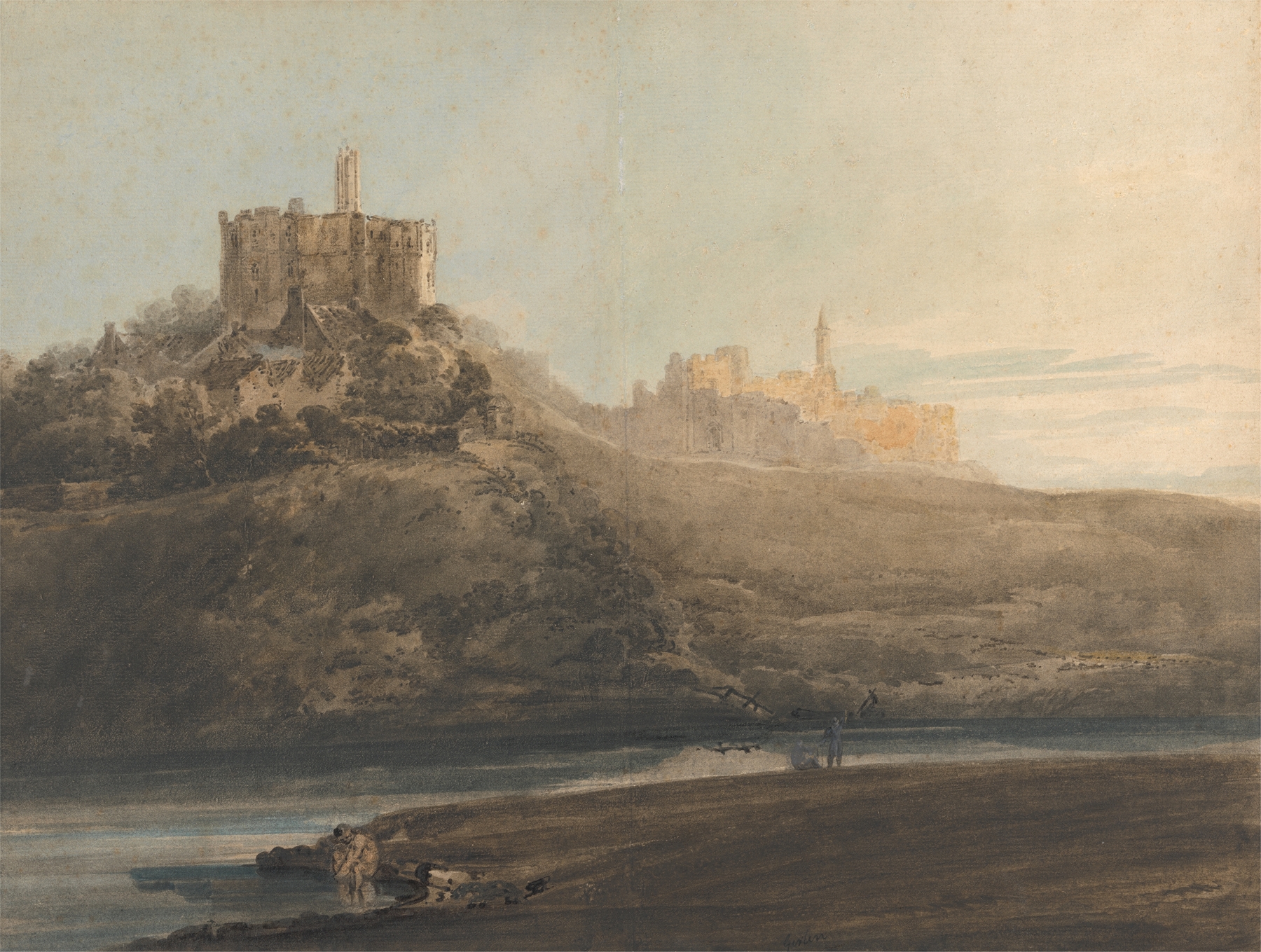
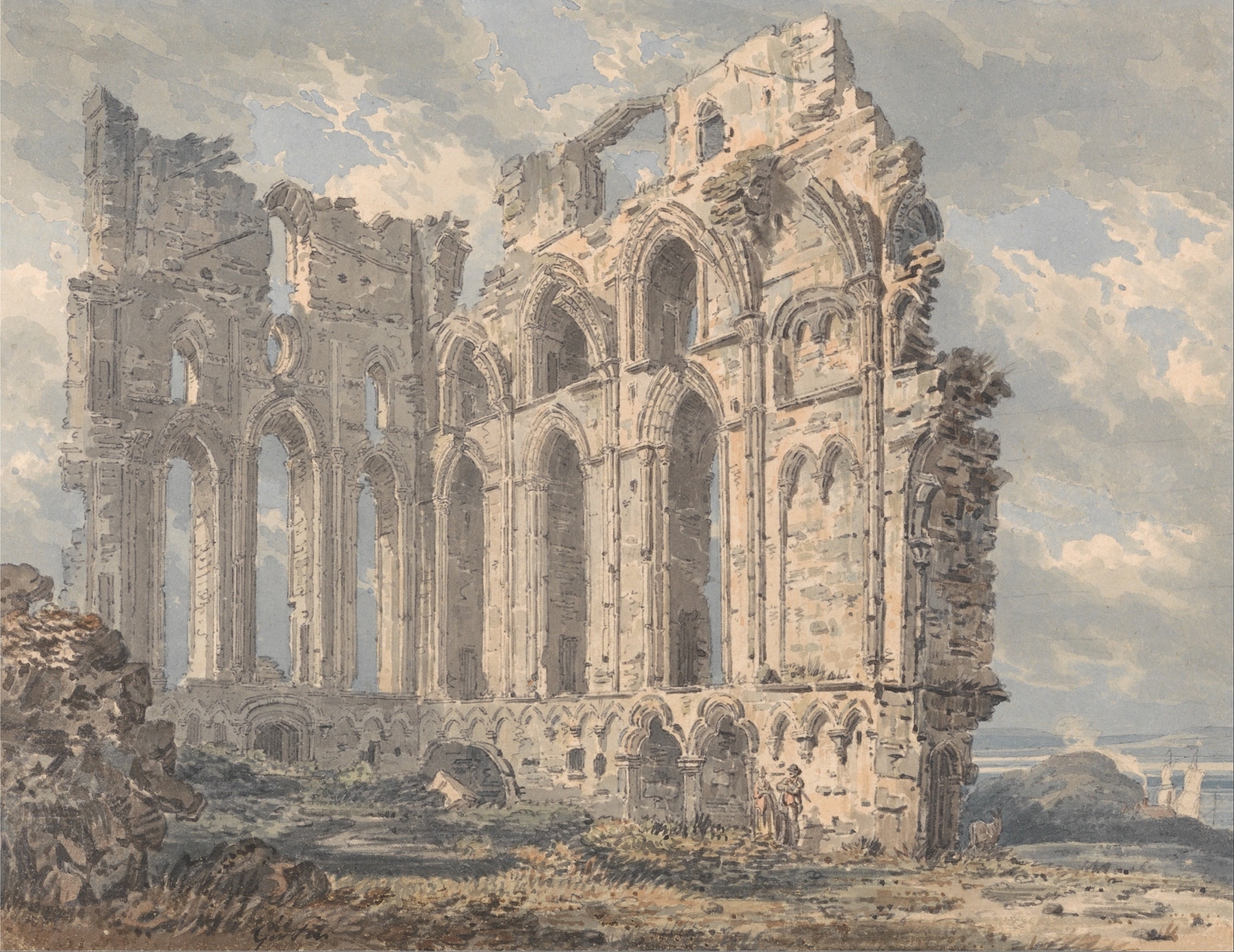
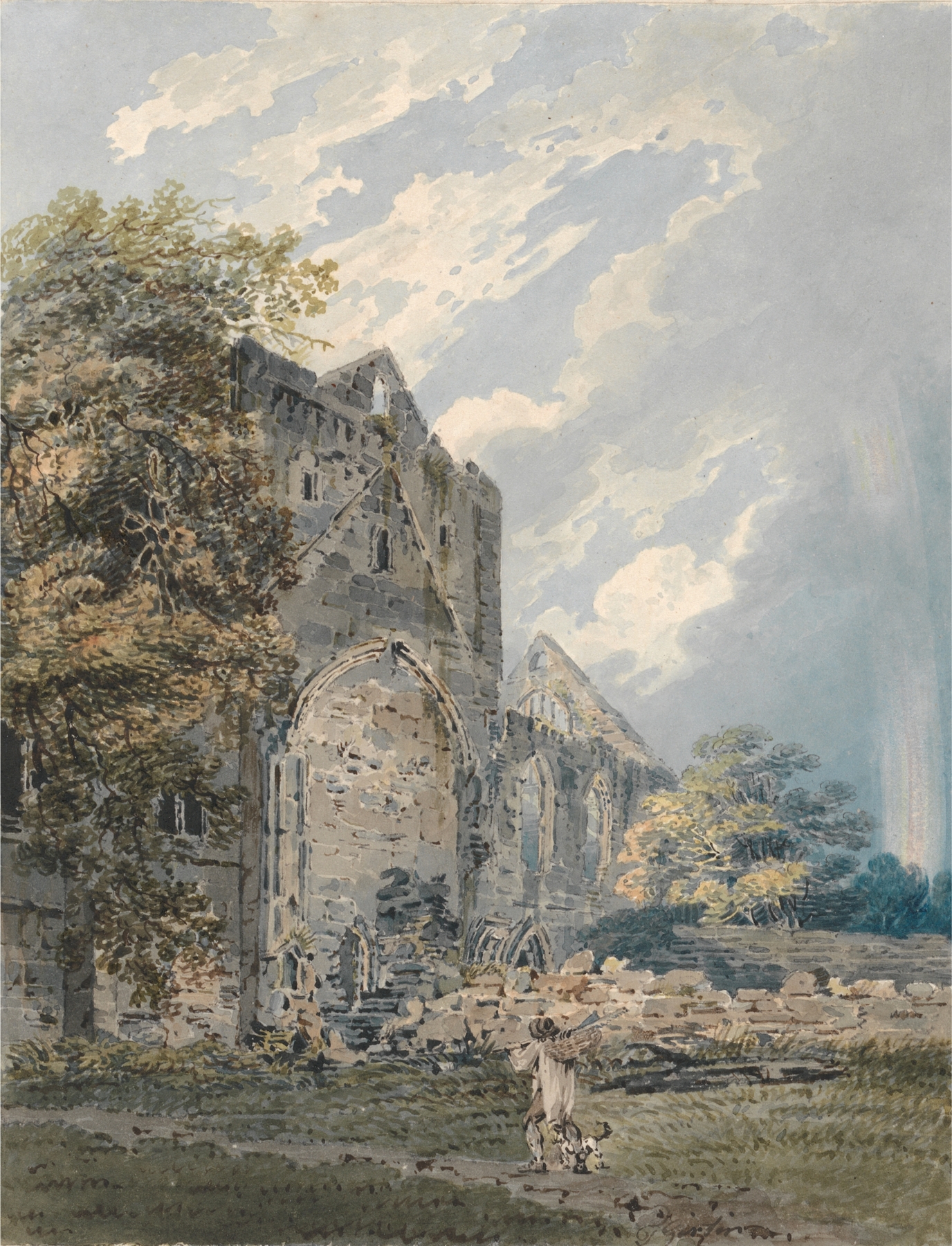
Who listens when art speaks of silence? In Sandsend, Yorkshire, the soft embrace of light gently caresses the landscape, whispering secrets of tranquility and solitude that beckon the viewer to pause and reflect. Look closely at the delicate interplay of light and shadow that envelops the beach. The horizon, a thin line where sky meets sea, draws your gaze toward the west as the sun descends, sending golden hues spilling across the water.
Notice how the artist has expertly layered translucent washes of color to capture the ethereal quality of twilight, creating a serene atmosphere that feels both weighty and freeing. The subtle gradations of blue and warm earth tones give life to the sand, while wispy clouds float in the expansive sky, evoking a sense of calm. In this tranquil moment, the painting hints at deeper themes of transience and connection to nature. The contrasting elements of land and sea reflect a delicate balance, reminding us of life’s fleeting beauty.
This interplay speaks to the essence of the human experience—our longing for peace amidst the chaos of existence. The quietude conveyed resonates with viewers, inviting them into a shared contemplative space where silence itself becomes palpable. Created in 1802, this work emerged during a pivotal time in Thomas Girtin's career, as he navigated the transition from watercolor to oil painting, solidifying his reputation in the Romantic movement. Working in a period marked by rapid changes in society and art, Girtin found inspiration in the natural landscapes of England, seeking to capture the sublime quality of light that defined his work.