Paysage — History & Analysis
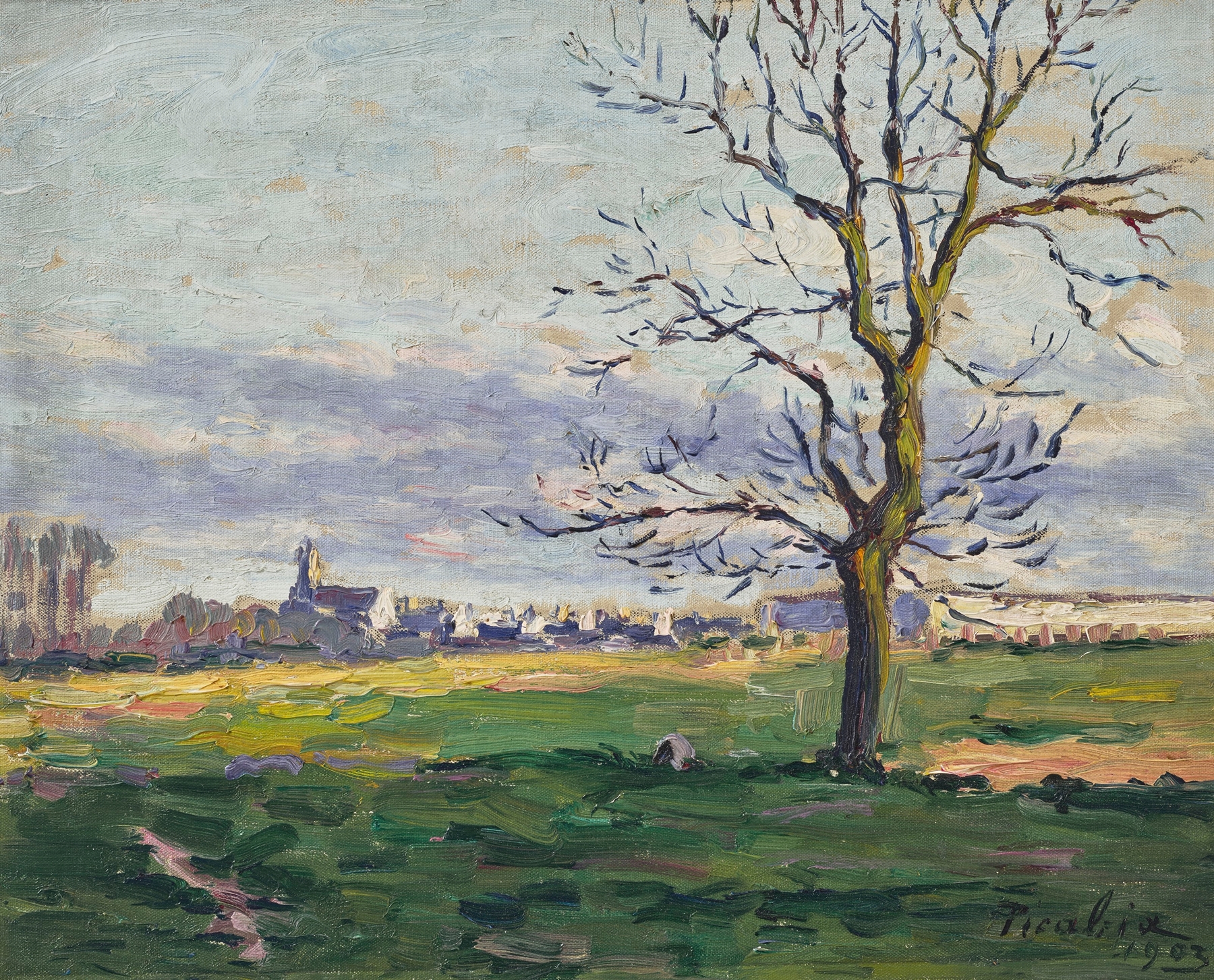
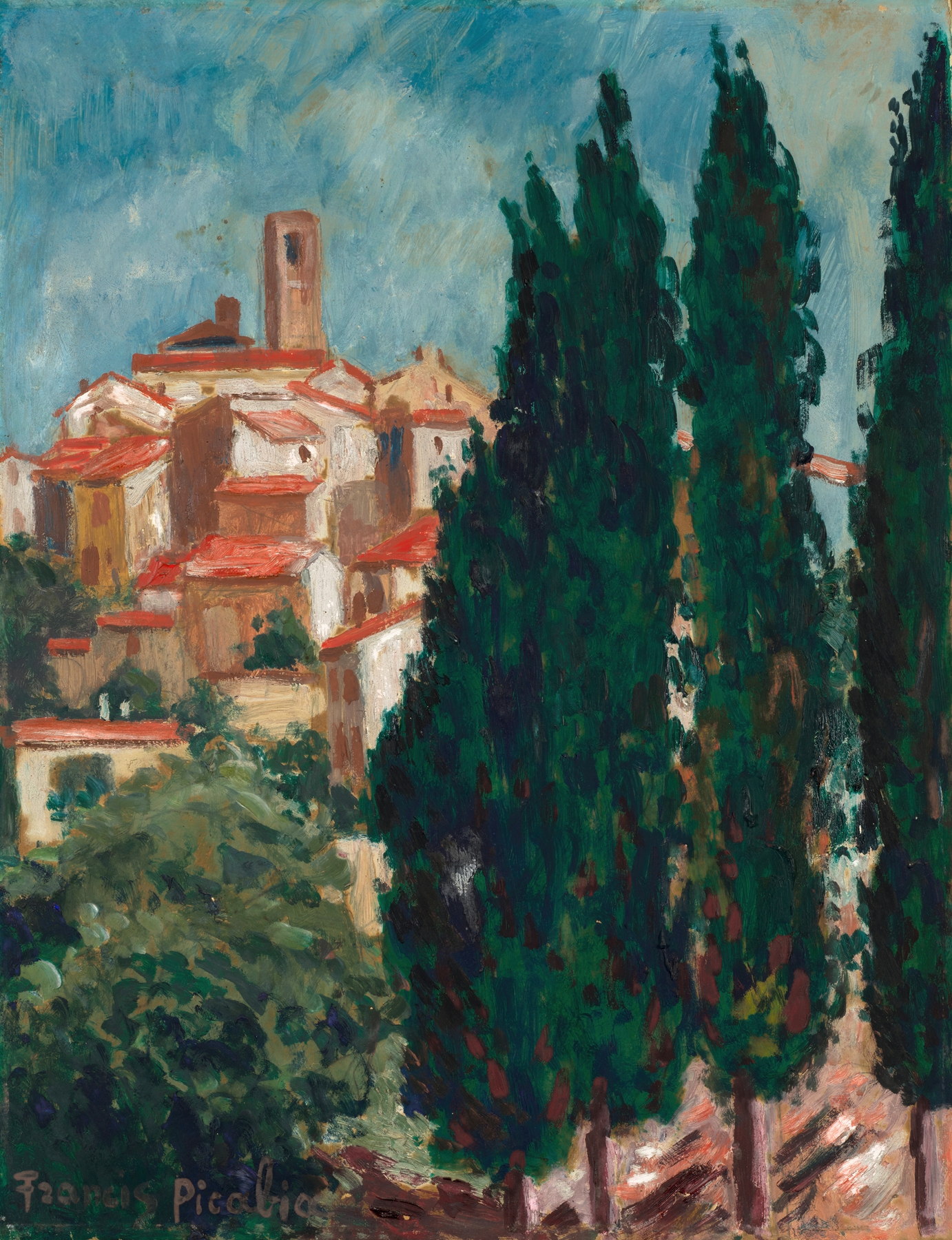
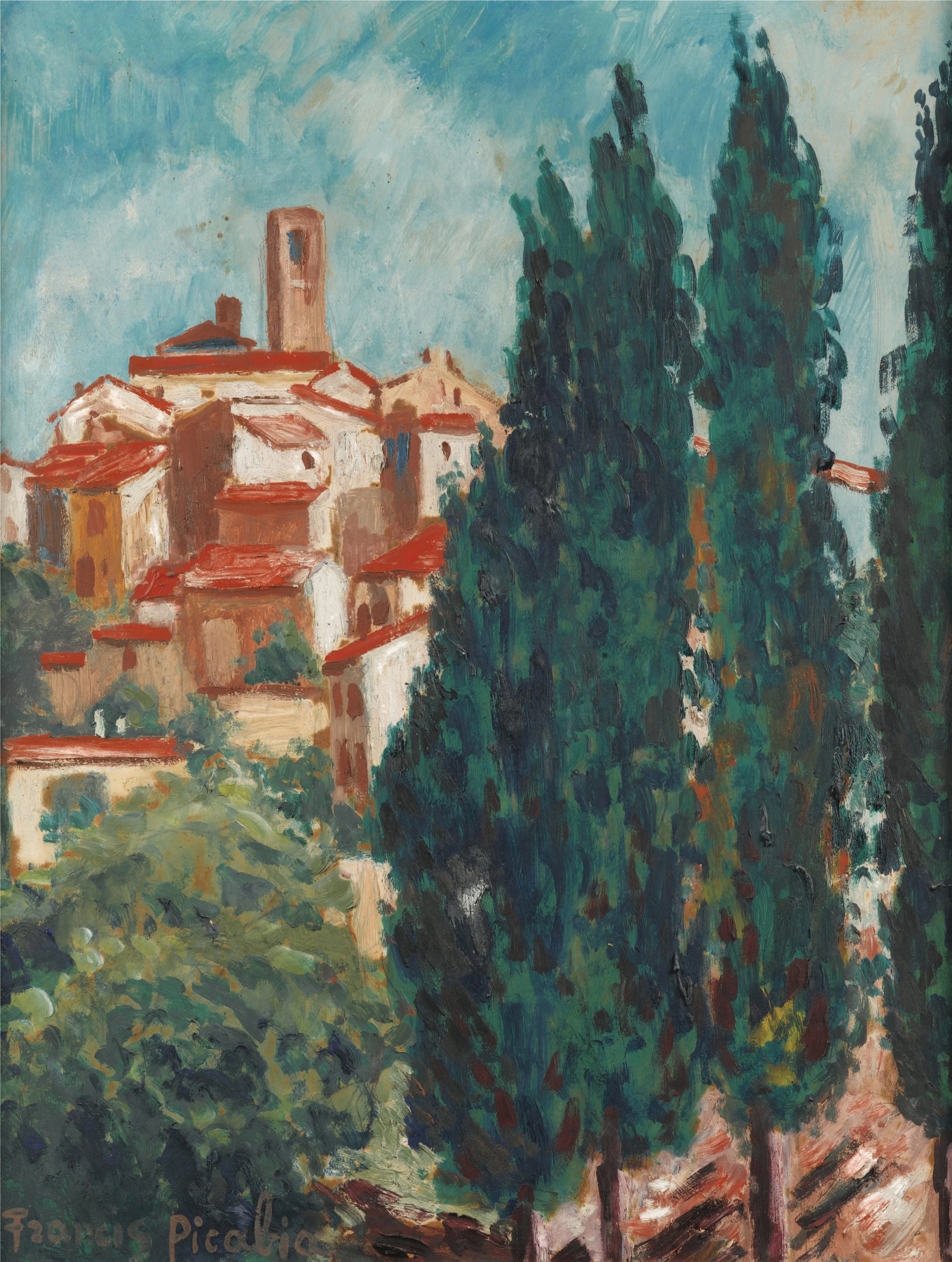
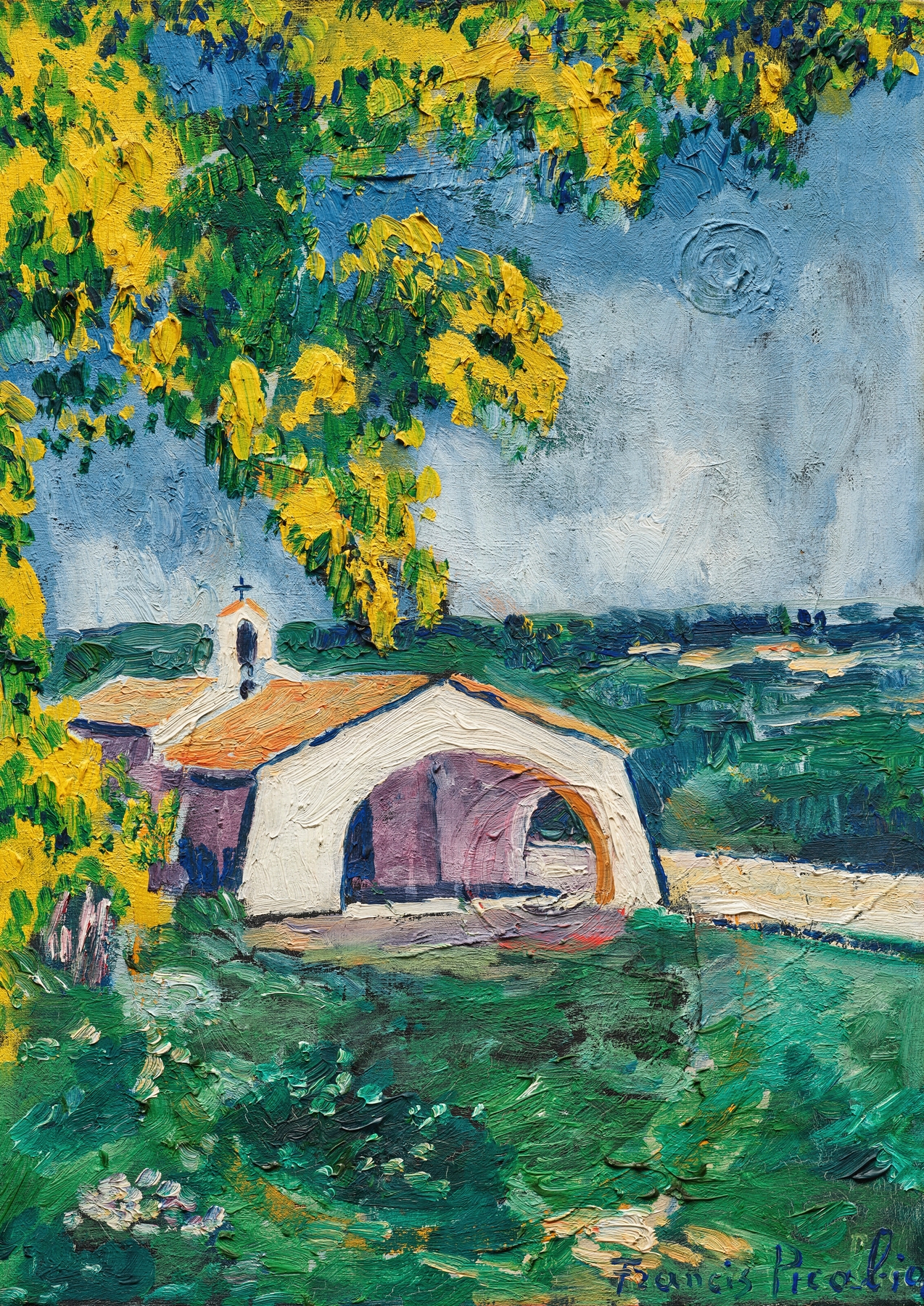
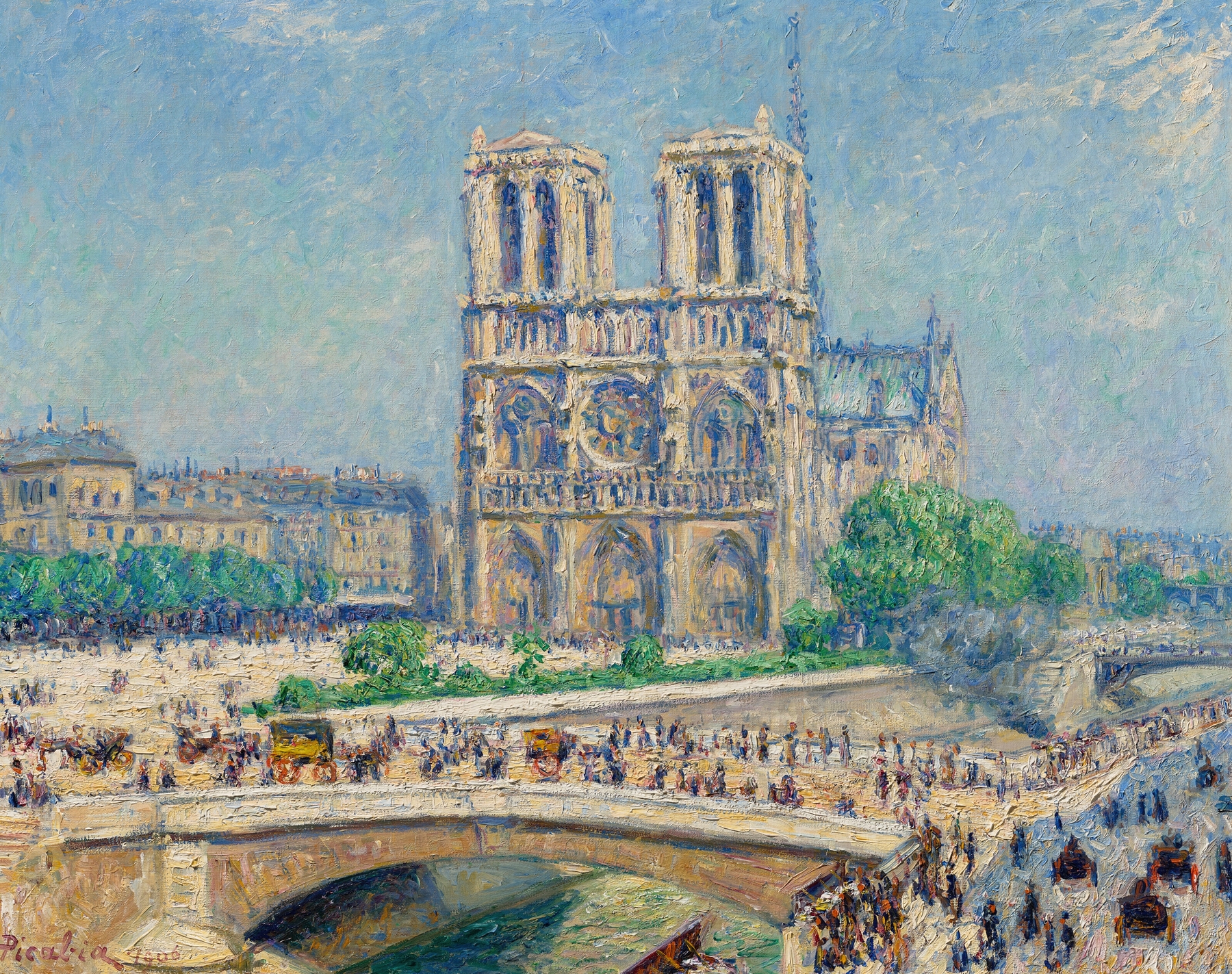
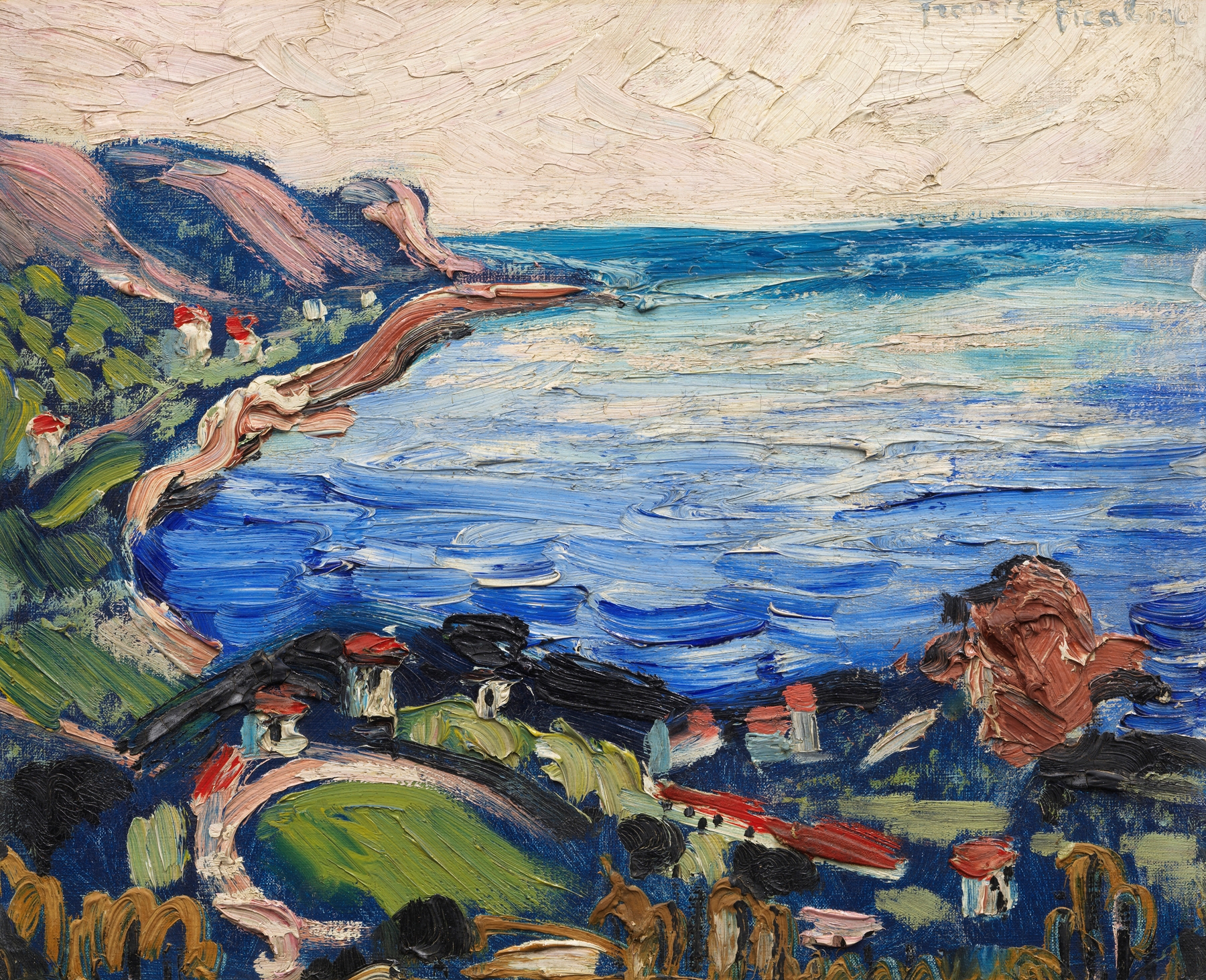
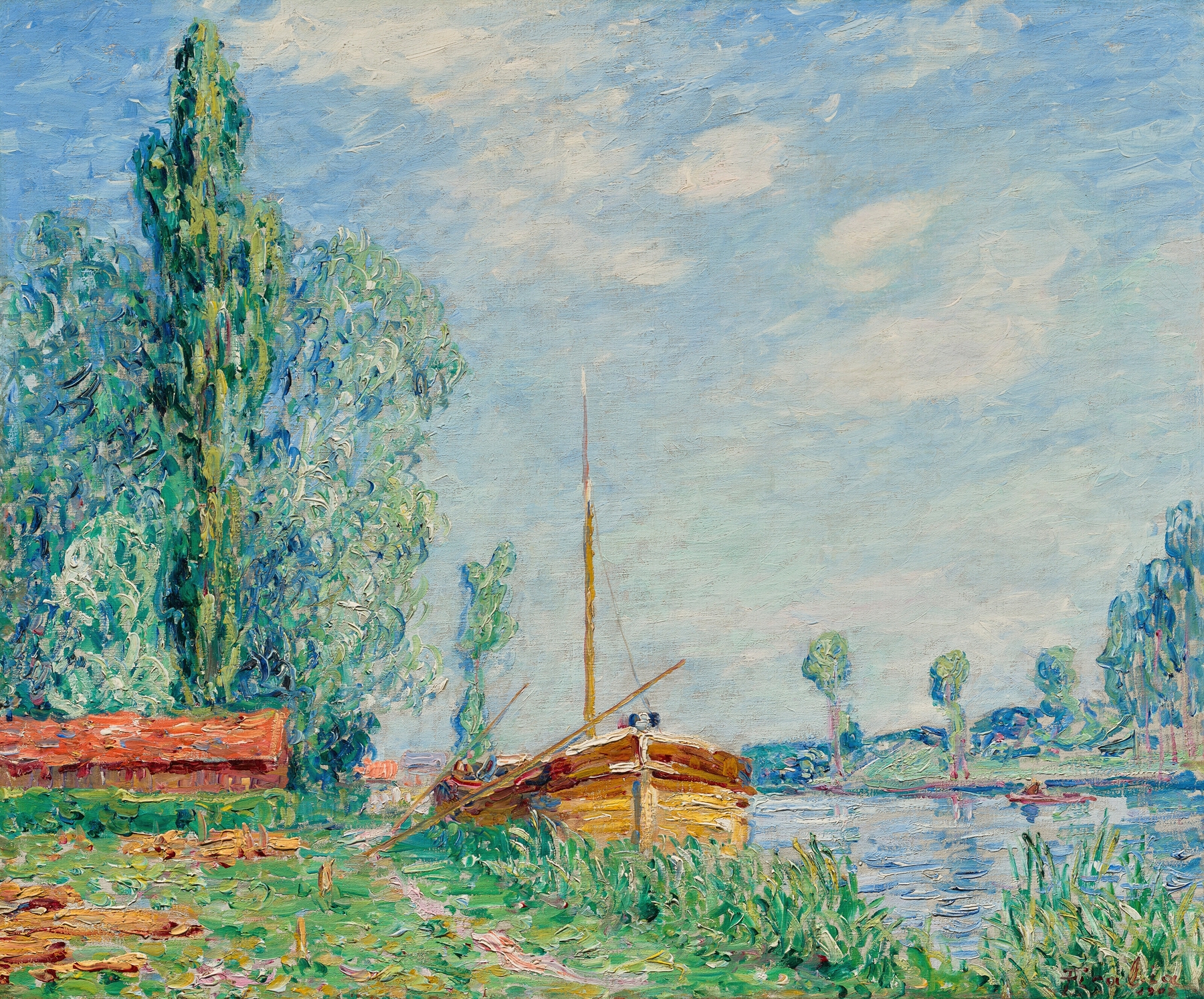
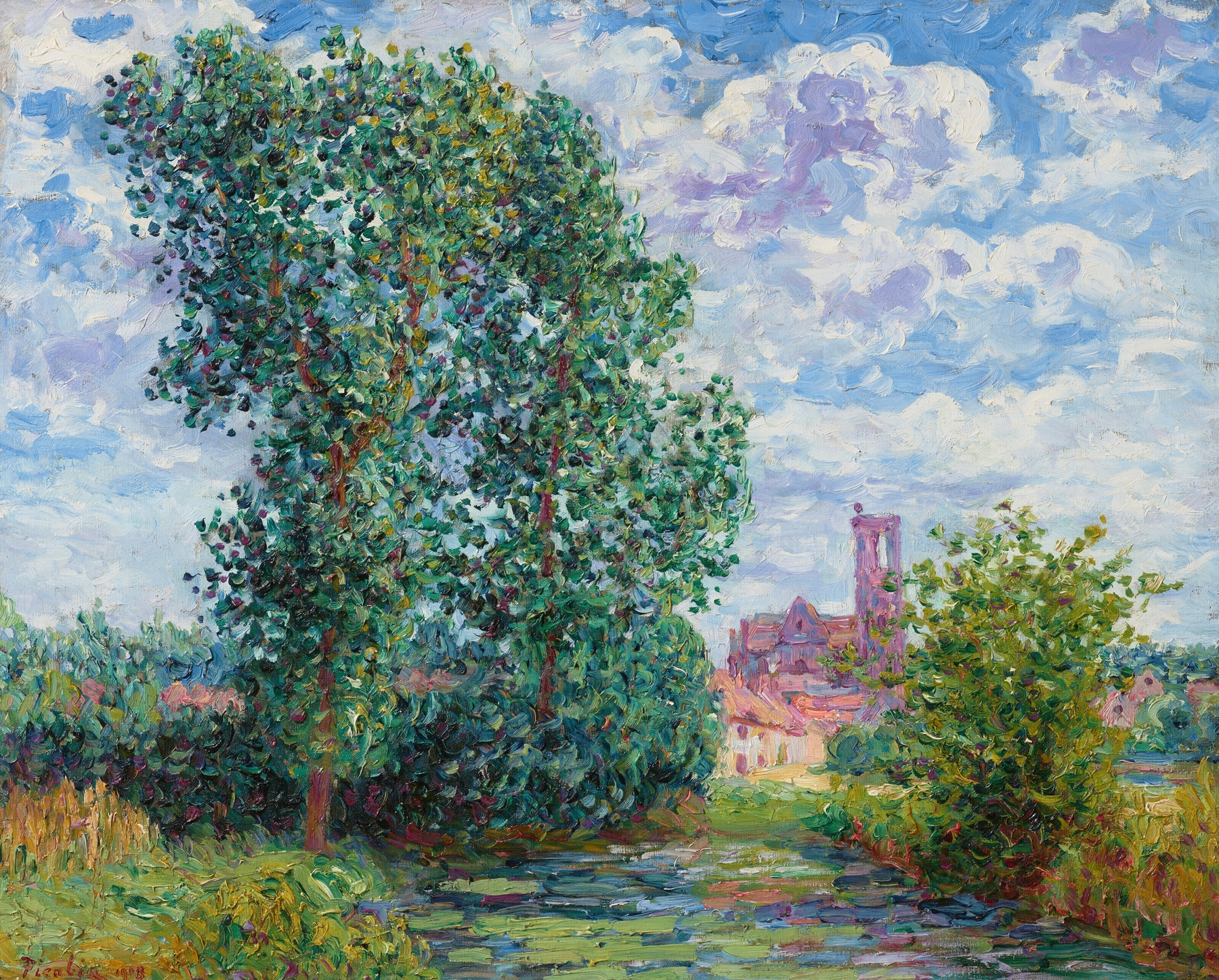
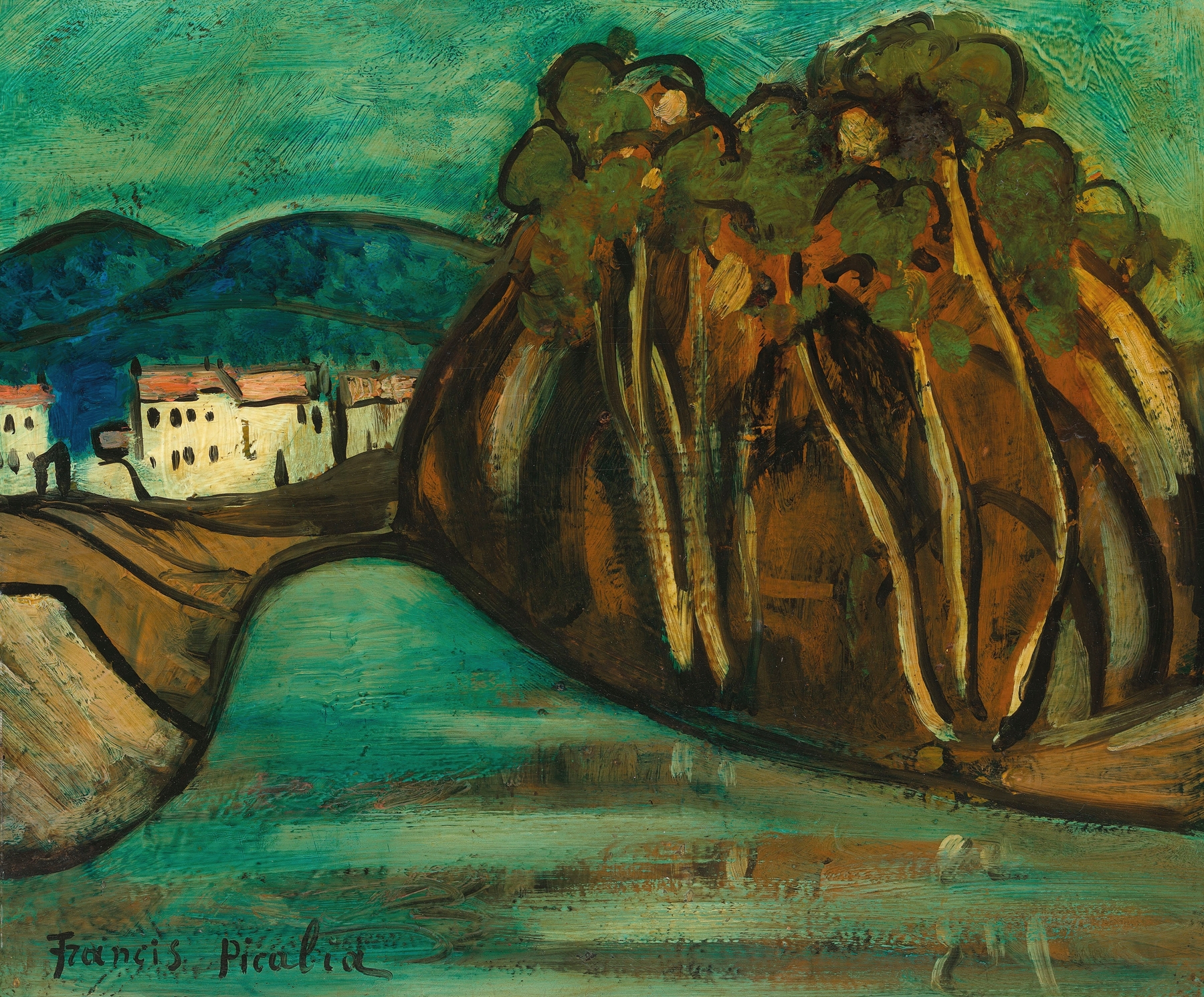
Can paint confess what words never could? In Paysage, the vibrant chaos of color and form invites us to interrogate the very nature of reality and perception, revealing an illusion that transcends verbal articulation. Focus on the interplay of shapes and hues at the center of the canvas, where swirling colors coalesce into a dreamlike landscape. The bold strokes create a rhythm, drawing the eye through the layered textures and vivid contrasts.
Notice how the muted earth tones recede into the background, allowing the brighter, more abstract elements to leap forth, creating a sensation of depth and movement, as if the painting itself is alive and breathing. Beneath the surface lies a tension between abstraction and representation, conjuring questions about what we perceive versus what is real. The juxtaposition of fluid forms and more rigid shapes provokes an emotional response, hinting at the transitory nature of our experiences. This dichotomy sparks intrigue, as viewers are left to ponder their own interpretations, each finding meaning in the chaos that reflects their inner landscapes.
In 1937, Picabia was at a pivotal point in his career, experimenting with various styles while embracing the avant-garde movement. Living in Paris, he grappled with the shifting dynamics of the art world as it oscillated between the realms of abstraction and realism. During this time, global political tensions were rising, and his work became a form of commentary on the tumultuous era, blending innovative techniques with personal expression.