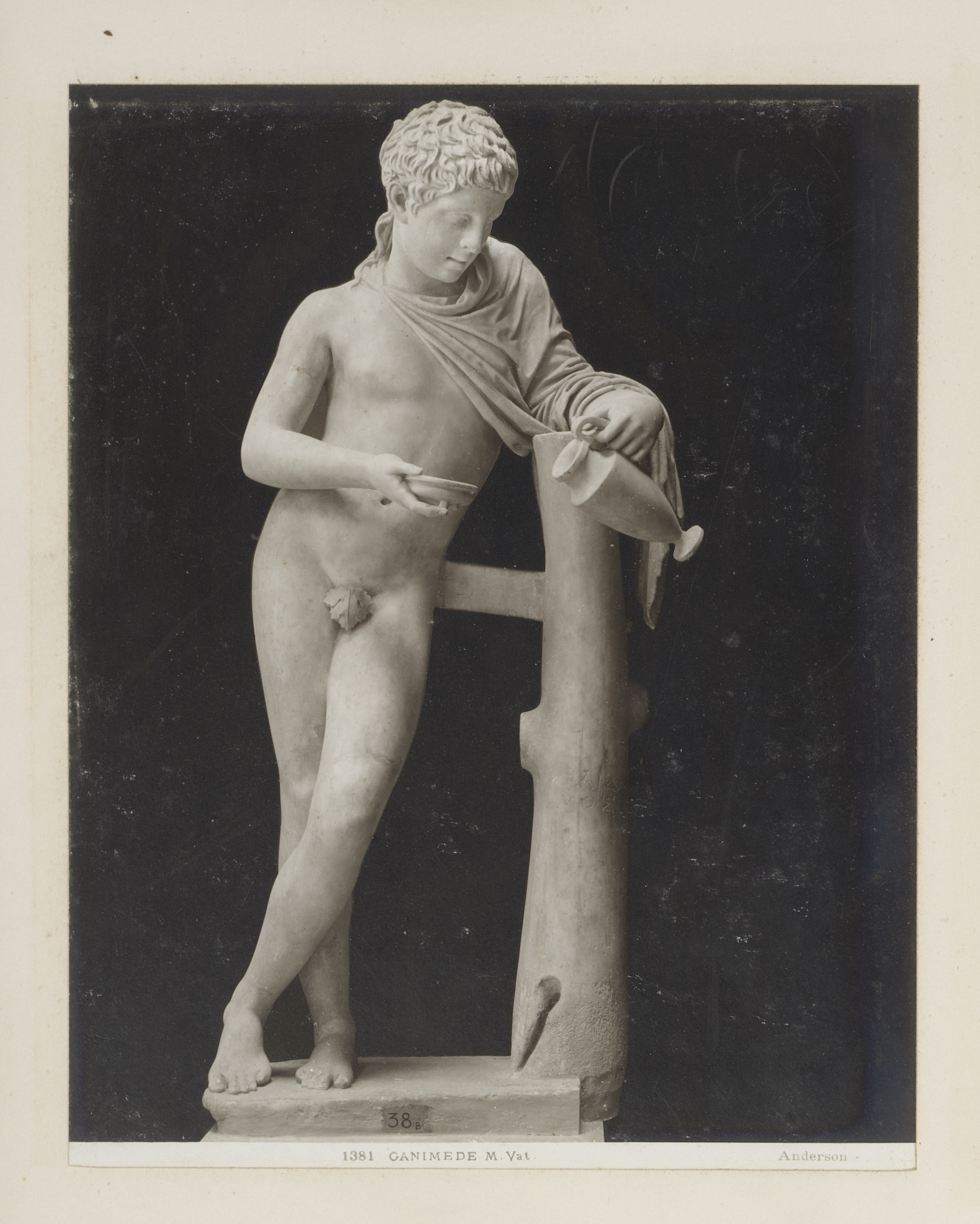
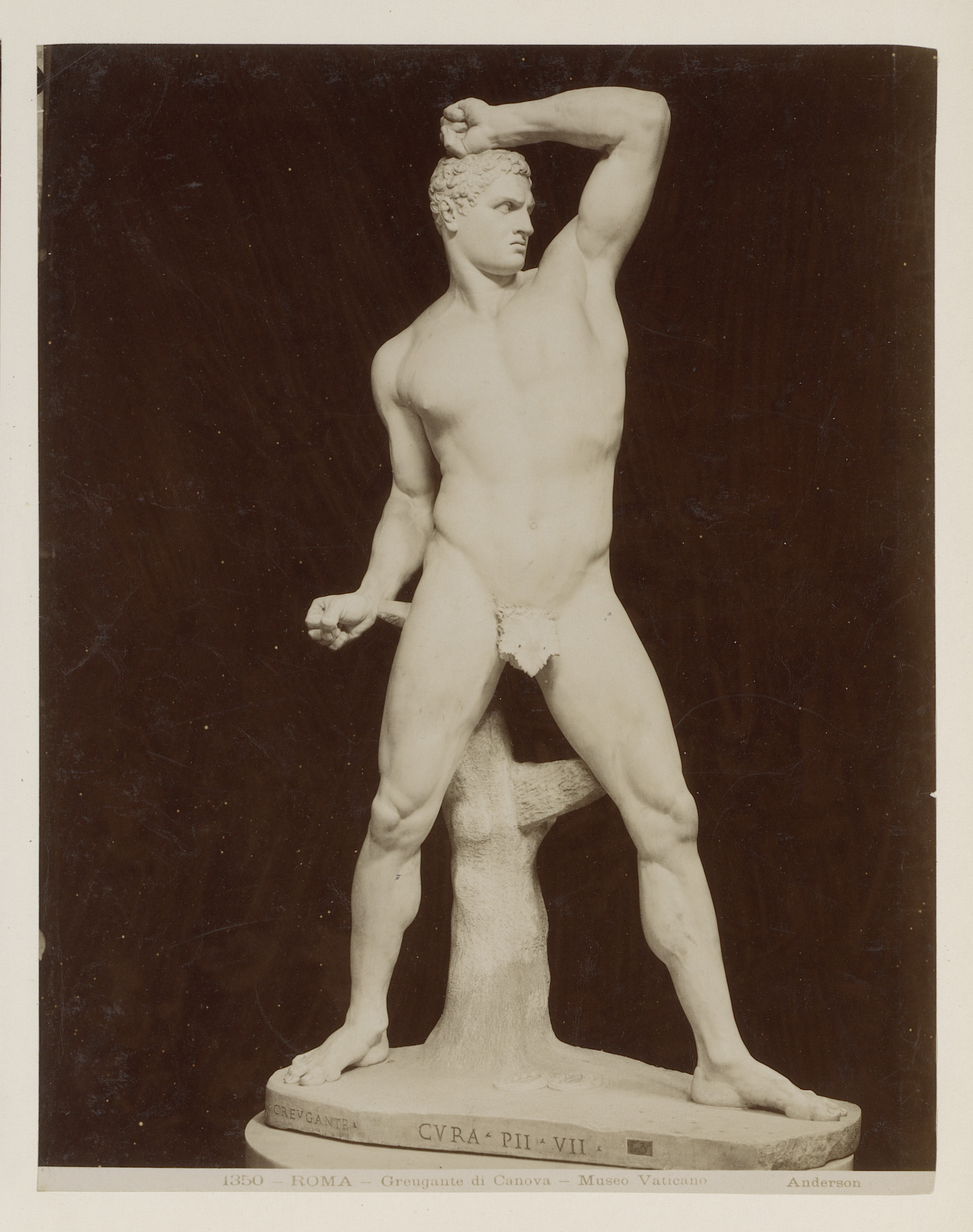
Sarcofaag van de heilige Costantina, Vaticaan — History & Analysis
Could beauty survive in a century of chaos? This question hovers over the intricate craftsmanship of the sarcophagus, inviting contemplation on the desire that drives creation even amid turmoil. Look closely at the elaborate carvings that adorn the surface, where every curve and detail seems to pulsate with life. The flowing lines of the figures, entwined in delicate gestures, draw the eye inwards, revealing a narrative of transcendent beauty.
Notice how the muted tones of the stone allow the fine details to stand out, while the interplay of light and shadow breathes depth into this monumental relic. Beneath the serene exterior lies a tension: it embodies both a celebration of life and a solemn reminder of mortality. The juxtaposition of the sacred figures, their expressions imbued with both reverence and longing, evokes a sense of yearning, a desire that transcends time.
This interplay of emotions reflects a world caught in the throes of transformation, where the divine and the ephemeral intertwine. Created between 1857 and 1875, during a period of social and political upheaval in Europe, this work emerged from James Anderson’s hands as he navigated the shifting tides of the art world. The mid-19th century saw the rise of Romanticism, which sought to capture deep emotions and individual experience, and Anderson, influenced by this movement, poured his aspirations into this sarcophagus, marking a poignant moment in his artistic journey amid a rapidly changing landscape.