Sawley Abbey — History & Analysis
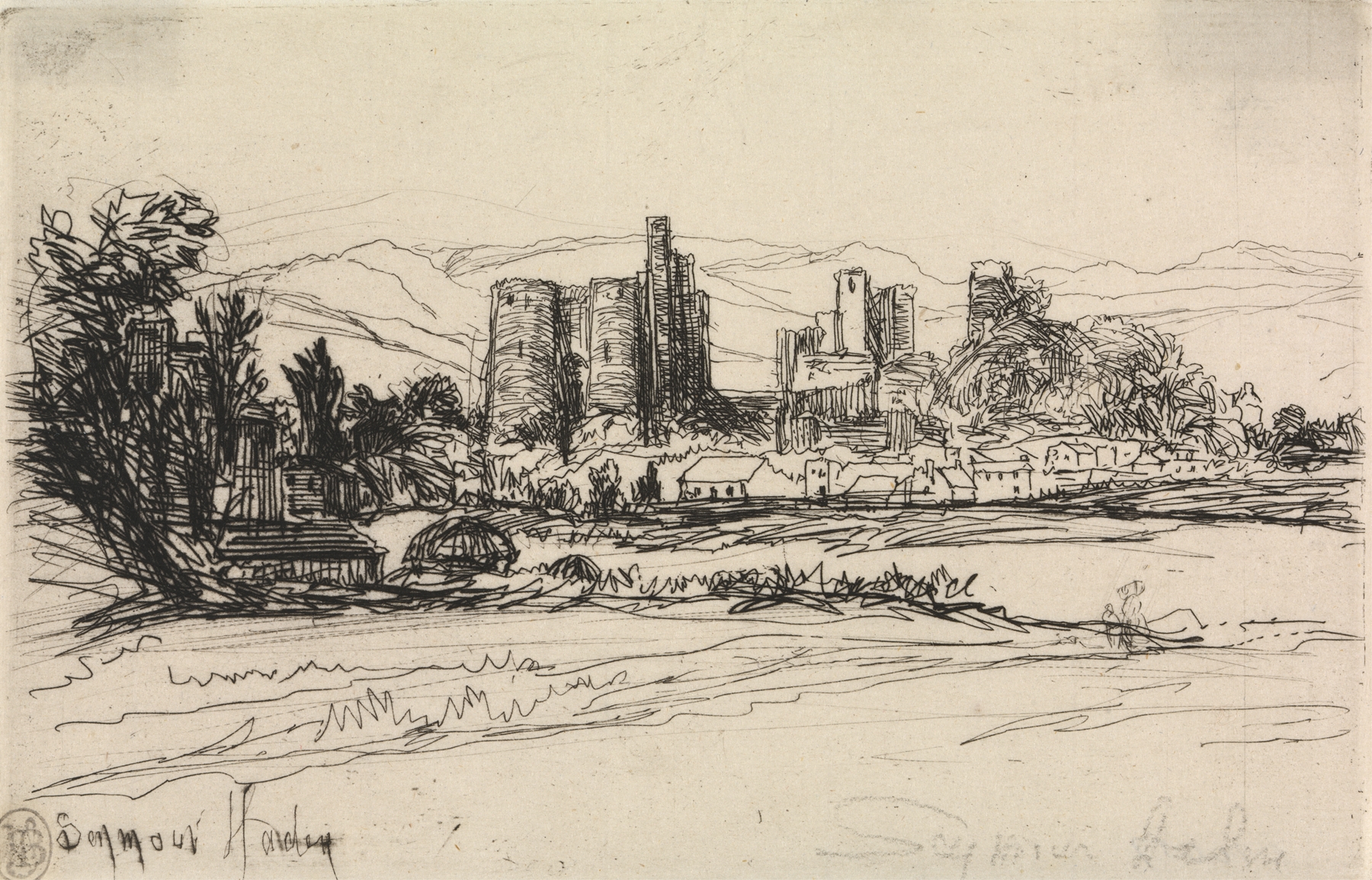
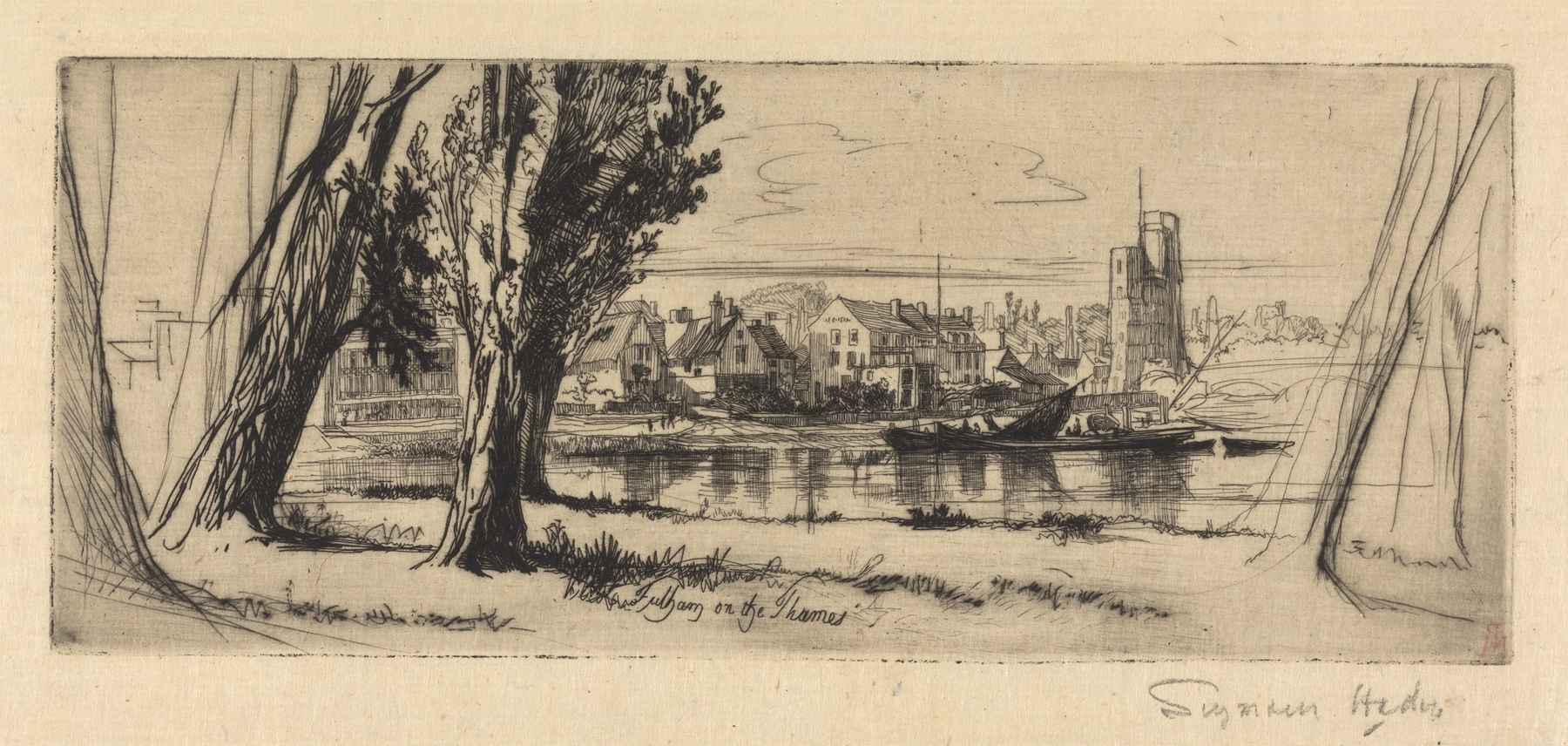
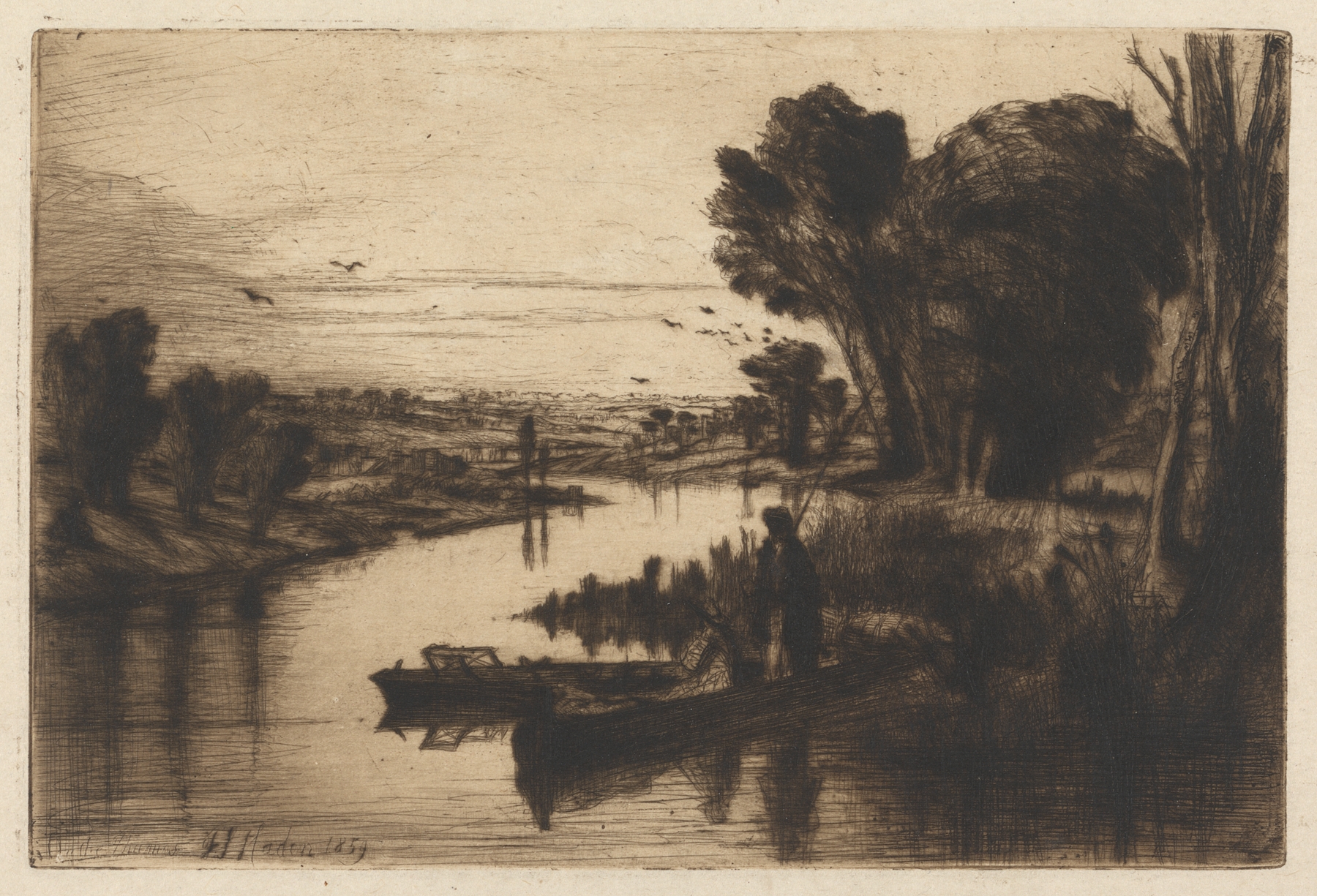
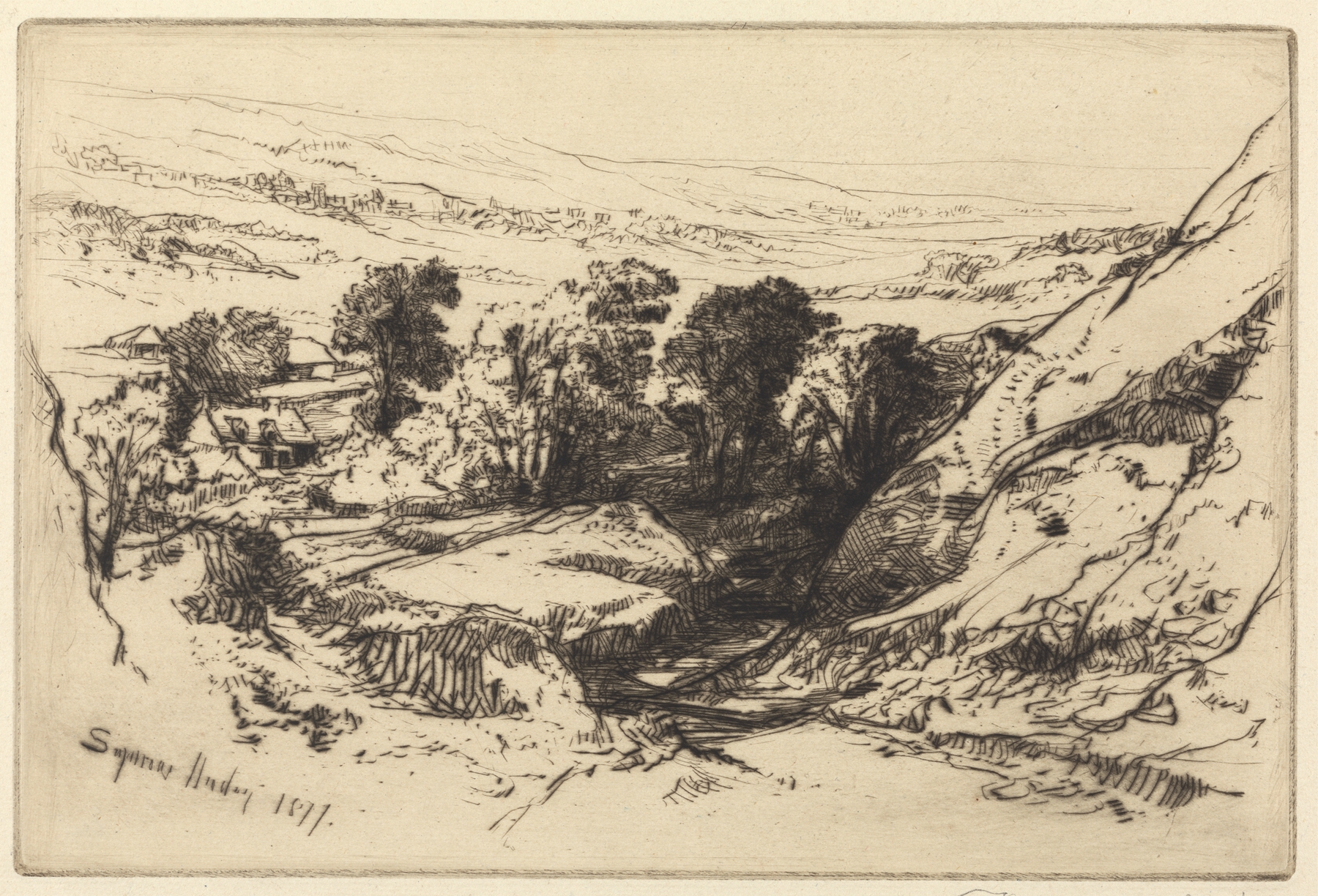
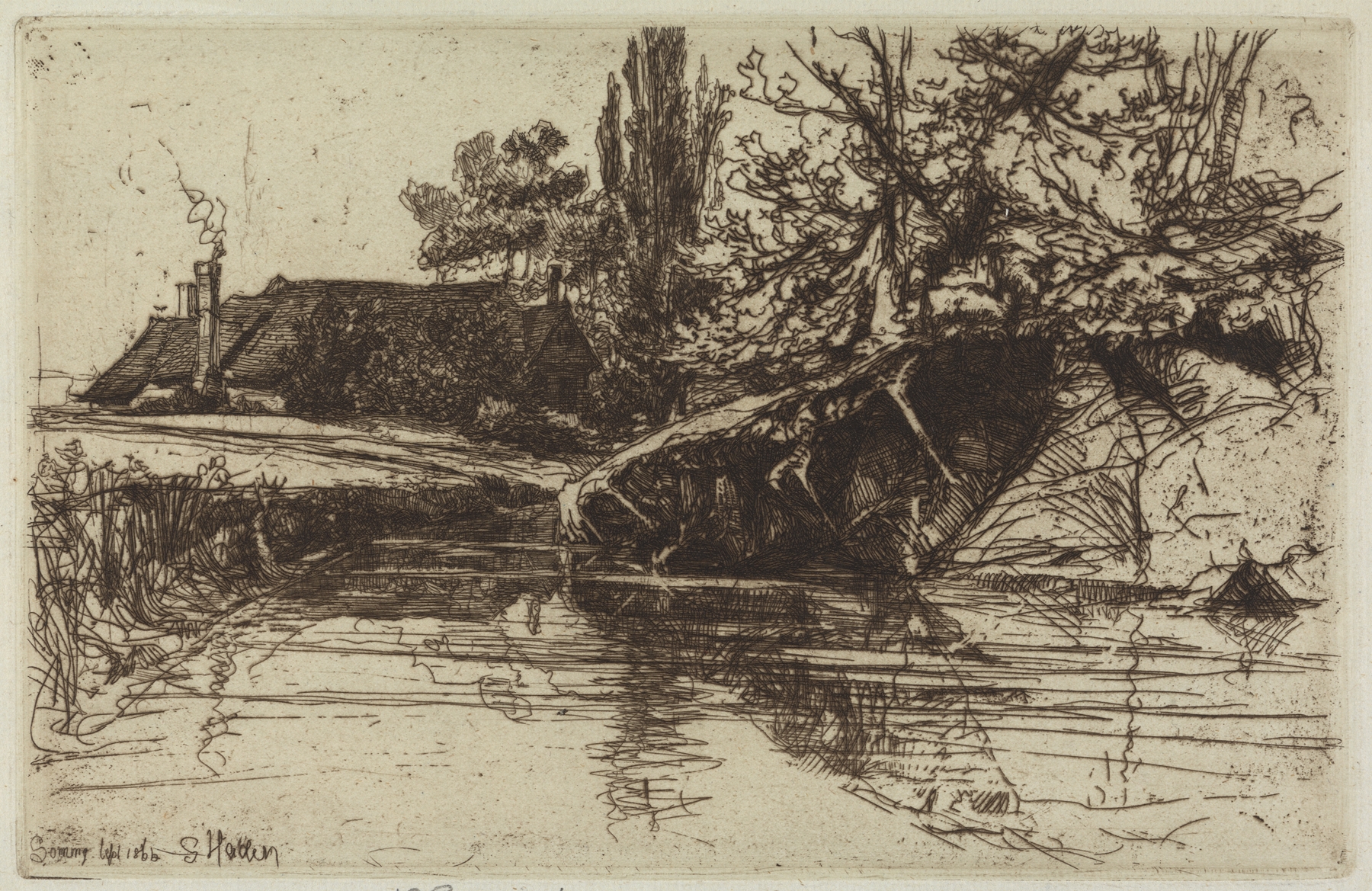
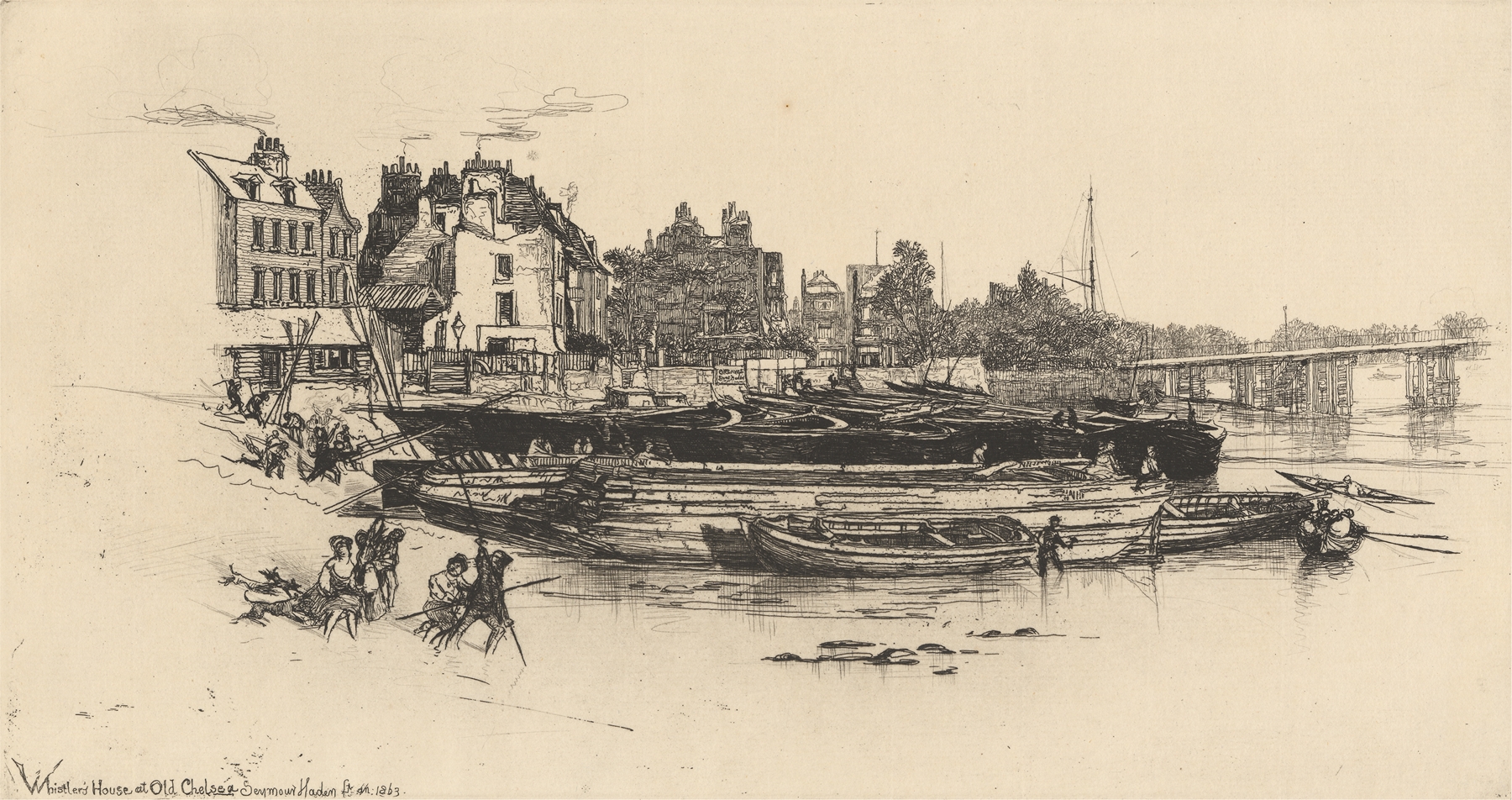
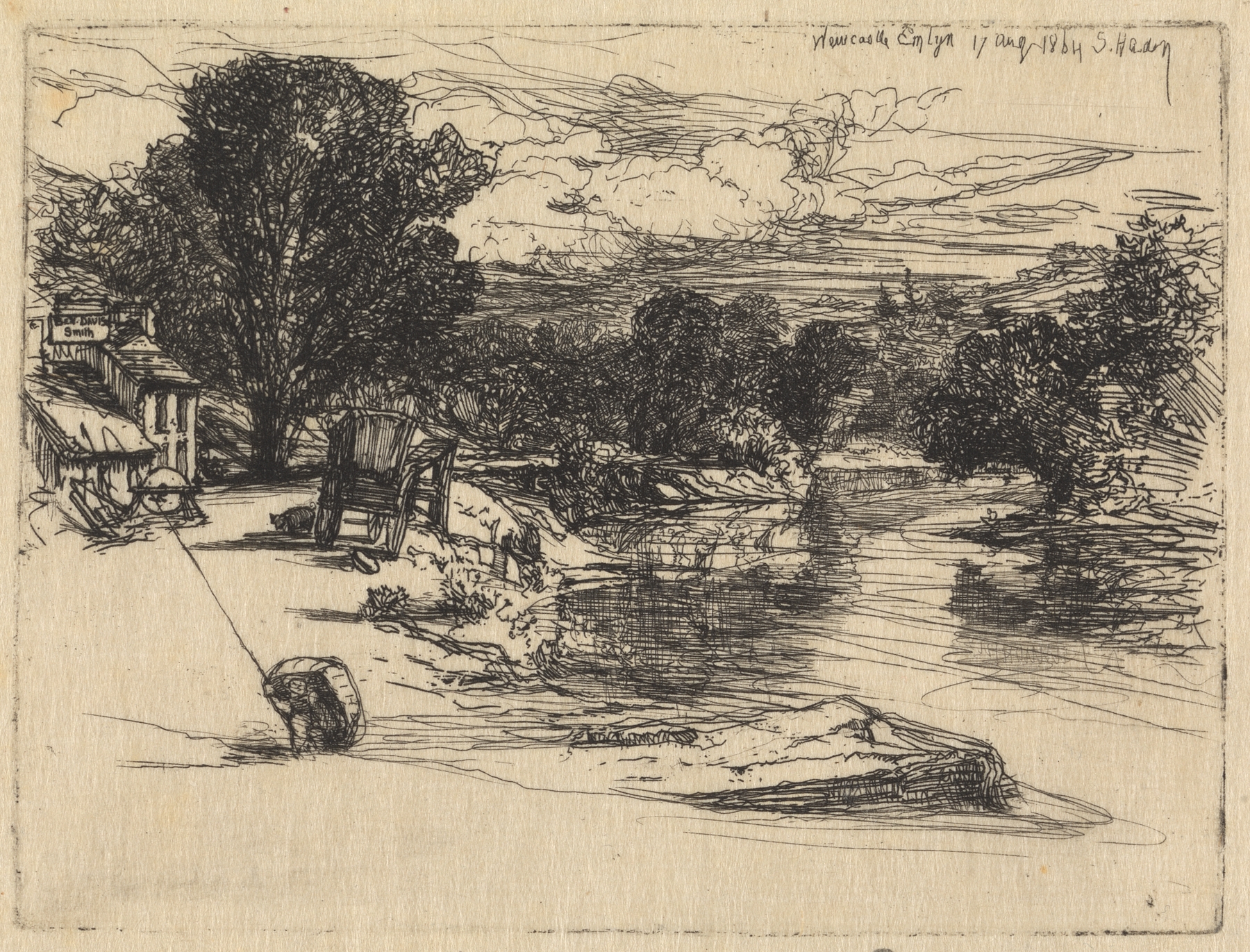
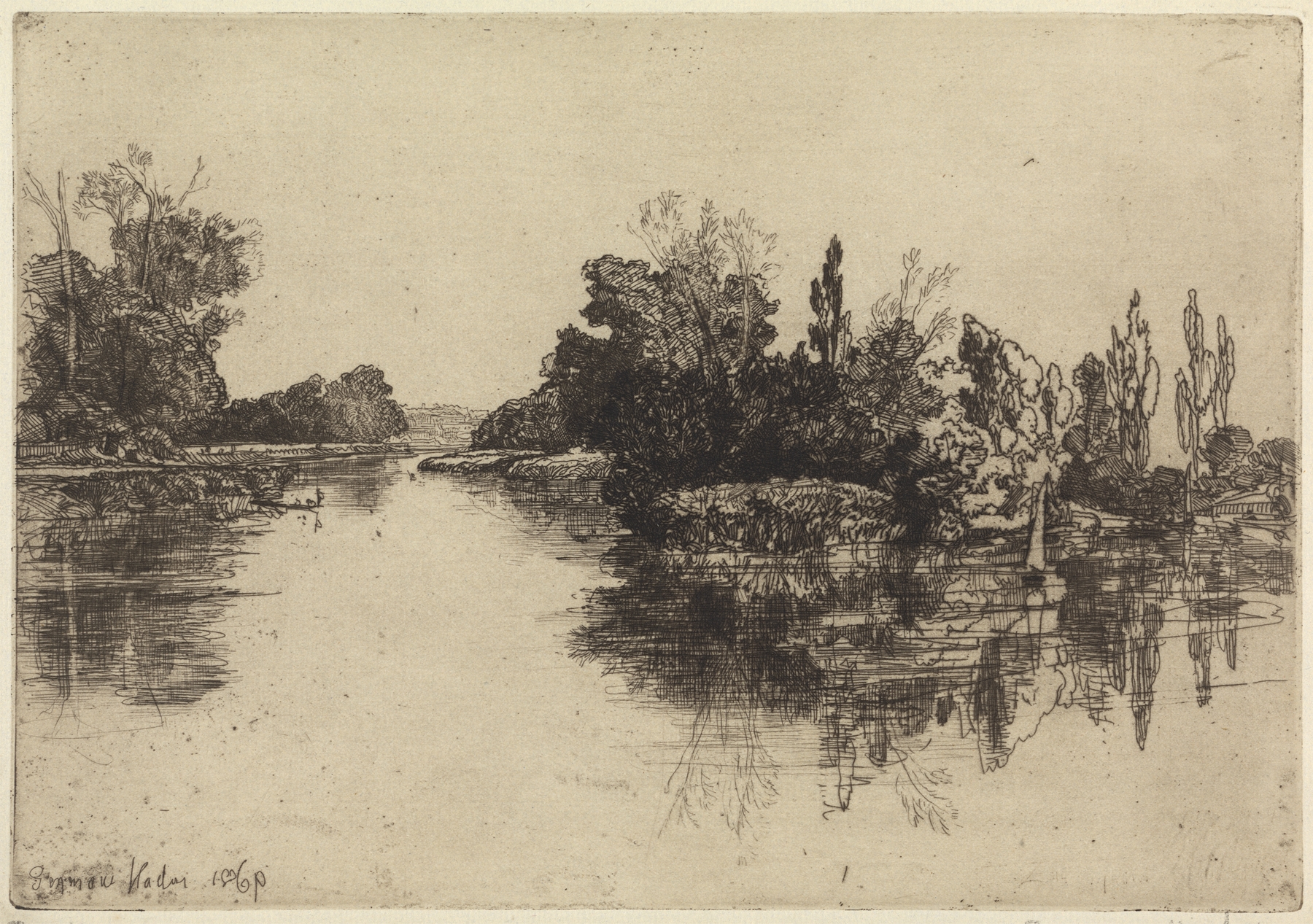
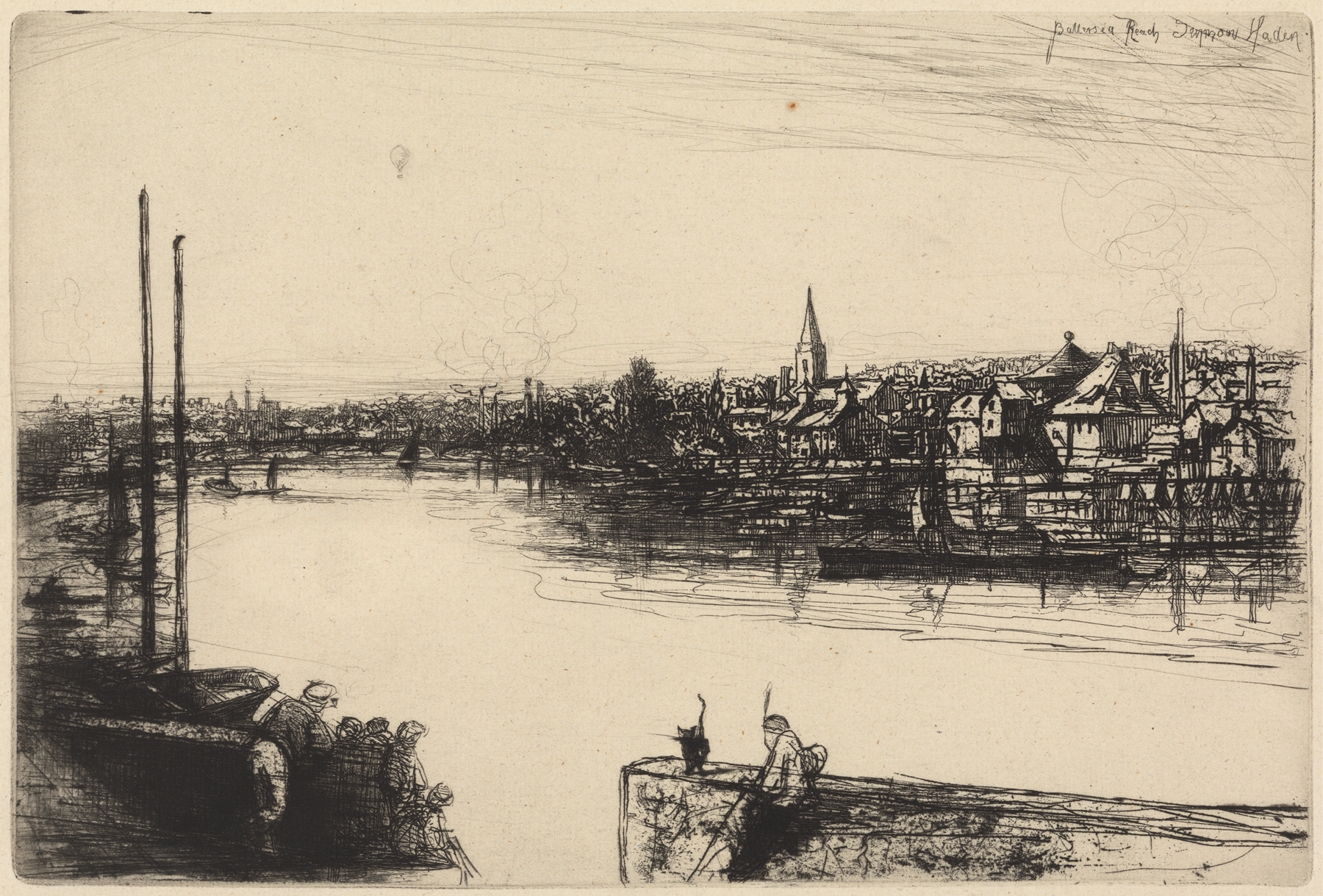
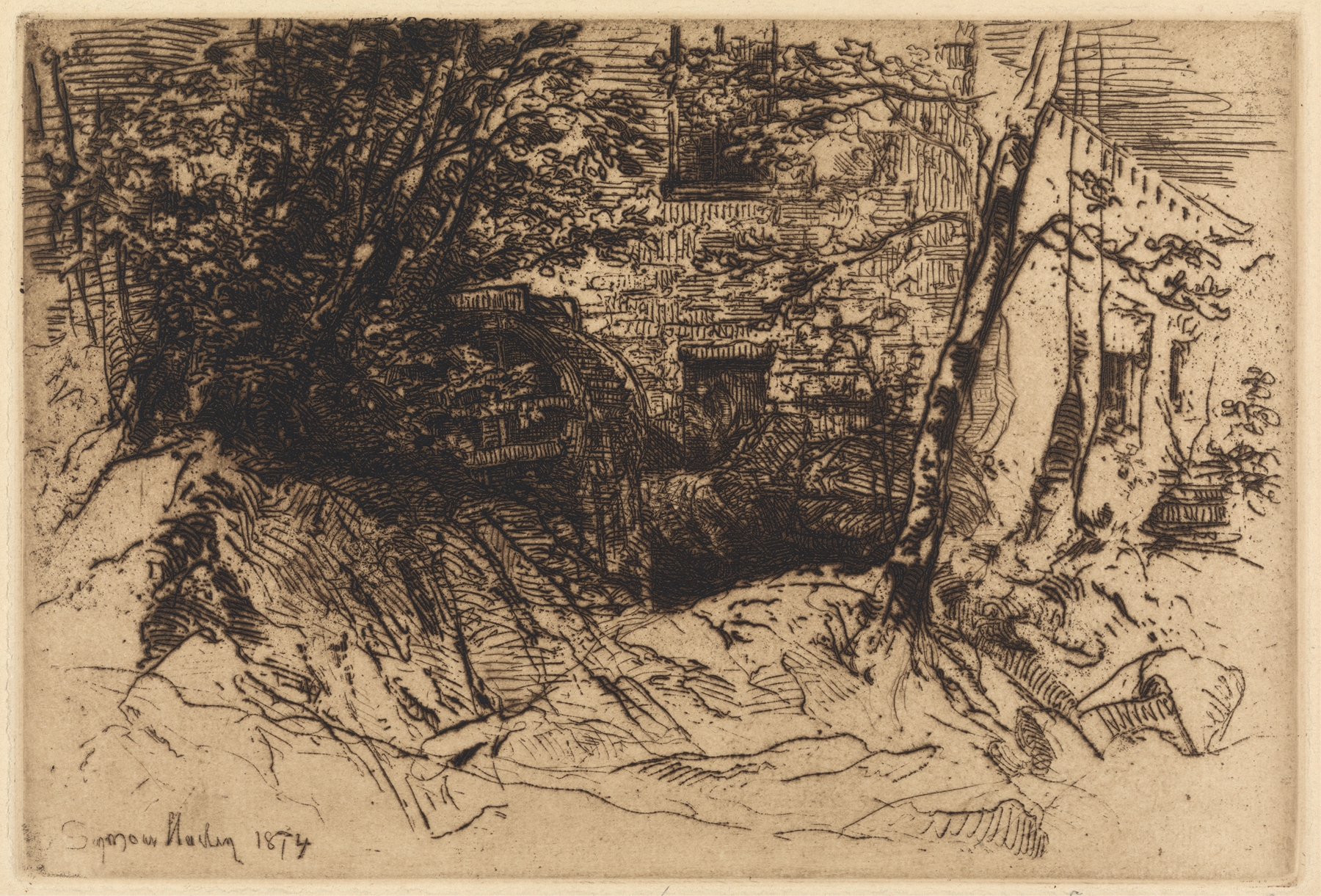
What if beauty was never meant to be finished? In Sawley Abbey, the delicate interplay of light and shadow invites us to ponder the transient nature of existence, captured in a moment that feels both incomplete and eternal. Look to the foreground, where the intricate details of the abbey's ruins reveal Haden's masterful etching technique. The lines are both precise and flowing, drawing your eye through the crumbling stone and lush vegetation.
Notice how the light filters through the trees, casting gentle reflections upon the water's surface, creating a serene yet haunting atmosphere that emphasizes the passing of time. This contrast between the solidity of the abbey and the fluidity of the water evokes a sense of nostalgia, as the viewer is reminded of the cycle of decay and renewal. As you explore the composition, pay attention to the juxtaposition of the structured architecture against the wildness of nature reclaiming its space. The remnants of the abbey symbolize a glorious past now fading into obscurity, while the vibrant foliage hints at life’s resilience.
This tension between man-made beauty and the relentless force of nature speaks to the impermanence that often surrounds our greatest achievements, forcing us to confront our own relationship with time and memory. In 1873, Haden was immersed in the world of printmaking, a period marked by experimentation in techniques and themes among artists. Living in England, he was influenced by the picturesque landscapes of the British countryside, as well as the burgeoning interest in capturing fleeting moments. The creation of Sawley Abbey reflects both personal introspection and the broader artistic movement of the time, encapsulating a moment where beauty lies not solely in completion, but in the very act of reflection.