Sculptuur van Cato de Jongere en zijn dochter Porcia, Vaticaan — History & Analysis
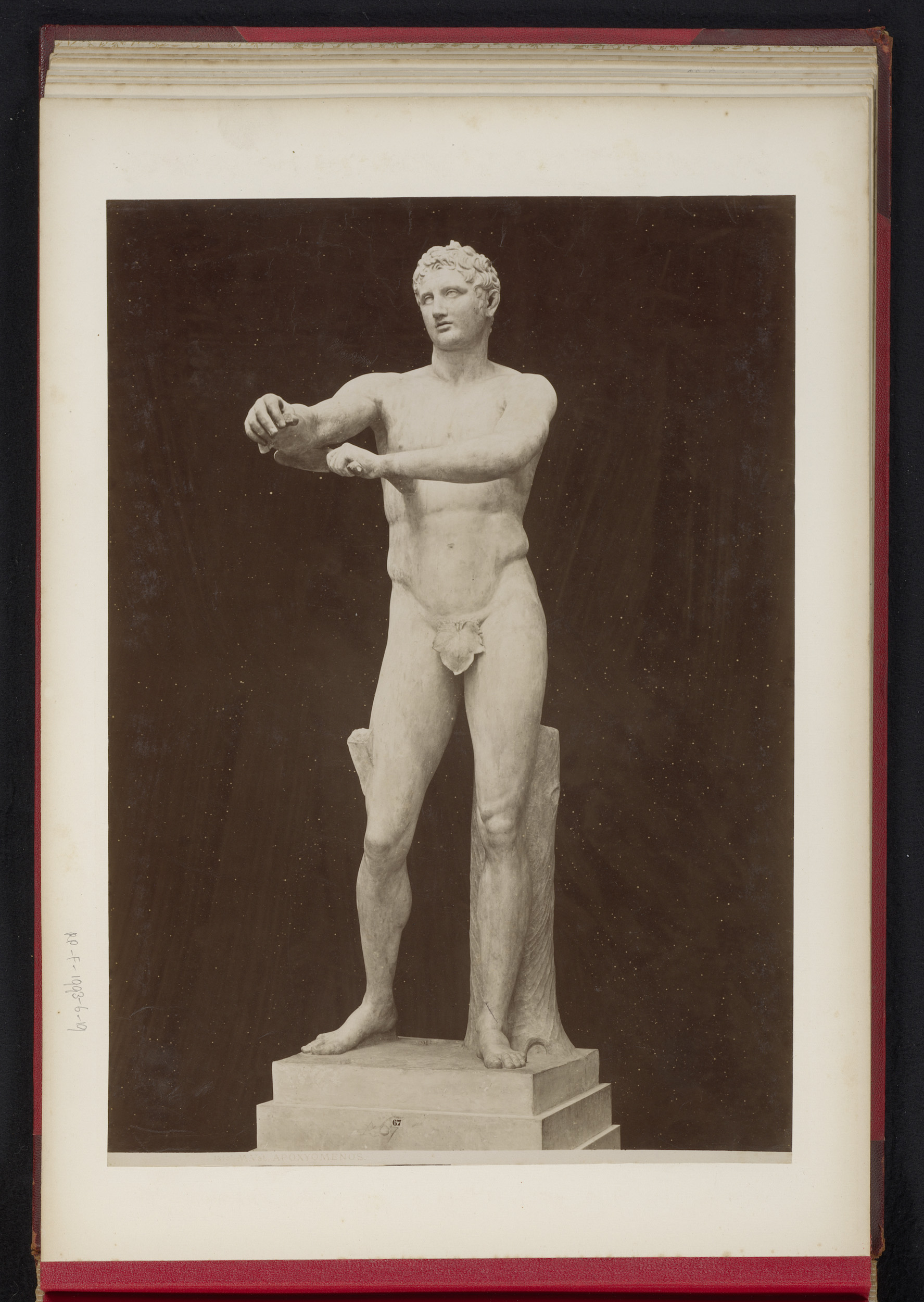
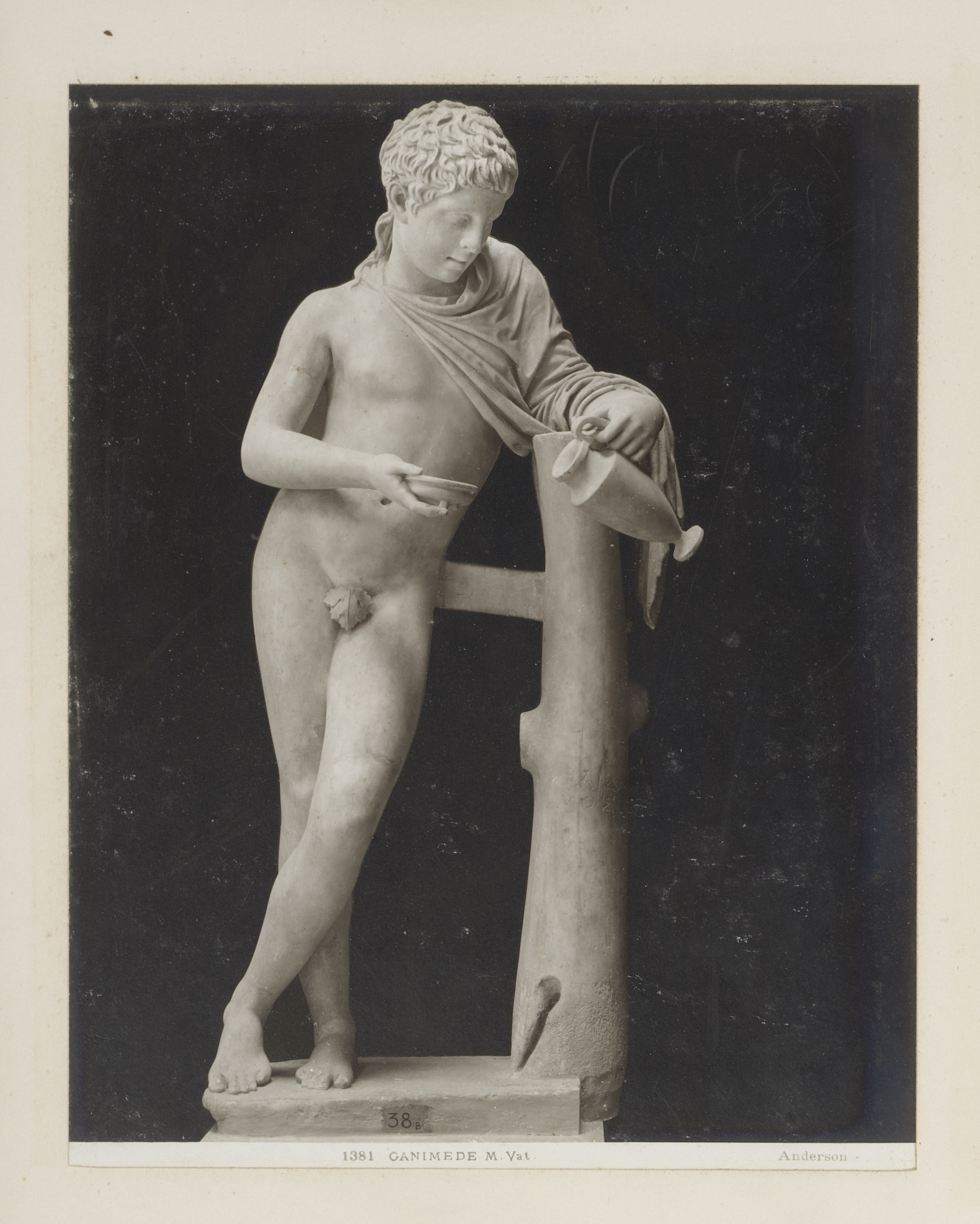
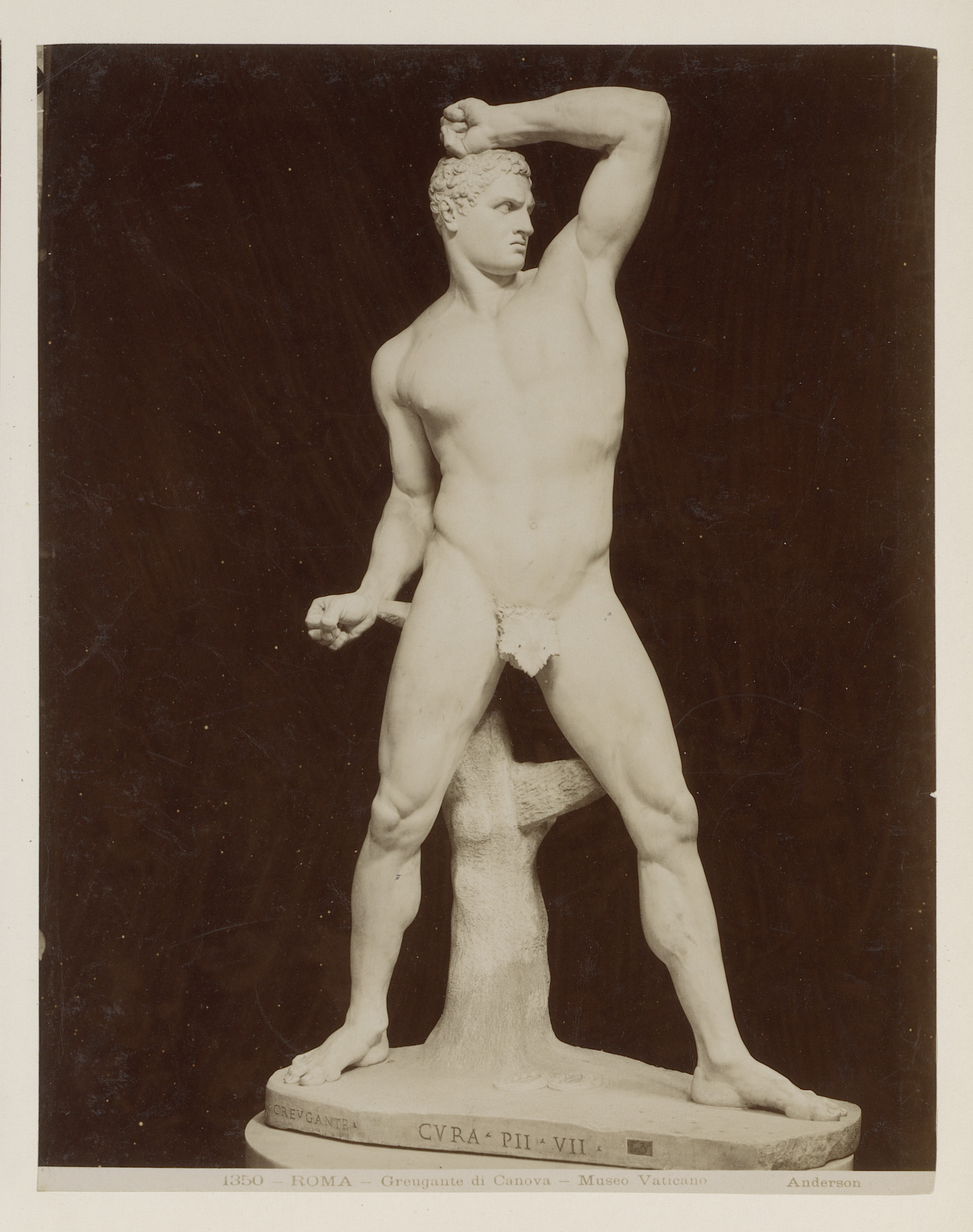
Can beauty exist without sorrow? In the quietude of Sculptuur van Cato de Jongere en zijn dochter Porcia, that question reverberates through stone, capturing an eternal moment of love and loss. Look to the left at the tender embrace between the figures; Anderson meticulously carves Cato’s protective stance around Porcia, her delicate features bathed in a soft, melancholic light. Notice how his strong hands, rugged yet gentle, cradle her face, emphasizing the contrast between strength and fragility.
The choice of marble, with its subtle veining, enhances the emotional depth, inviting viewers to trace the intricacies of their expressions and the gentle drapery that envelops them. Delve deeper into this interaction; the juxtaposition of Cato’s stoicism against Porcia’s vulnerability conveys a profound emotional tension. Their gazes lock, yet there is a palpable distance, an unspoken acknowledgment of impending tragedy. The sculpture transcends mere representation, inviting reflections on sacrifice, duty, and the bittersweet nature of familial bonds.
Each detail, from the furrowed brow of the father to the wistful gaze of the daughter, speaks volumes of a shared truth that echoes through time. James Anderson created this masterpiece between 1857 and 1875, a period marked by a fascination with classical themes amidst the rise of modernism. Working in the Vaticaan, he sought to blend traditional techniques with contemporary sensibilities, capturing the essence of human emotion through stone. In a world increasingly focused on scientific progress, Anderson’s work reminds us of the timeless nature of our struggles and affections.