Seashore with Two Figures and a Distant Town — History & Analysis
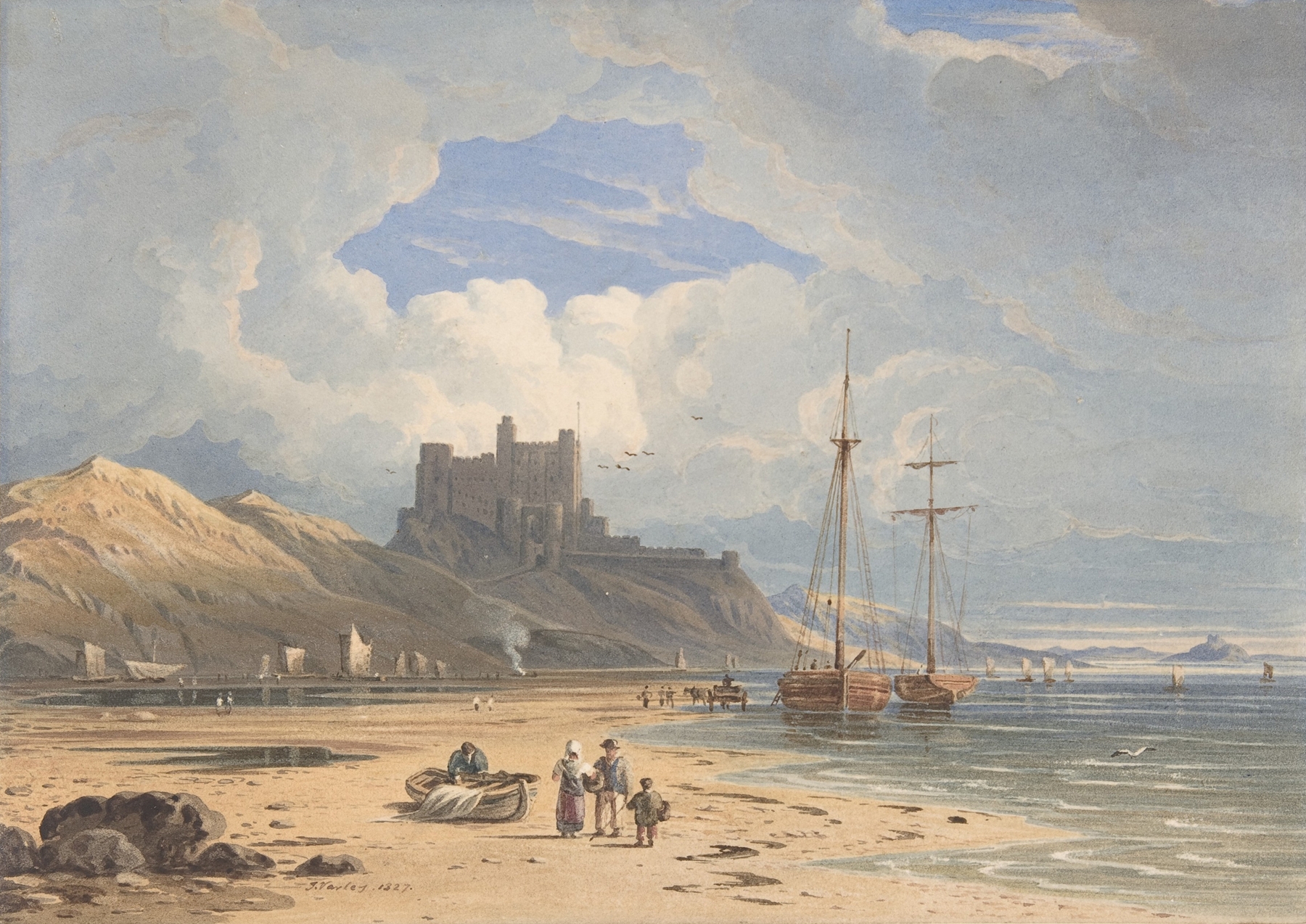
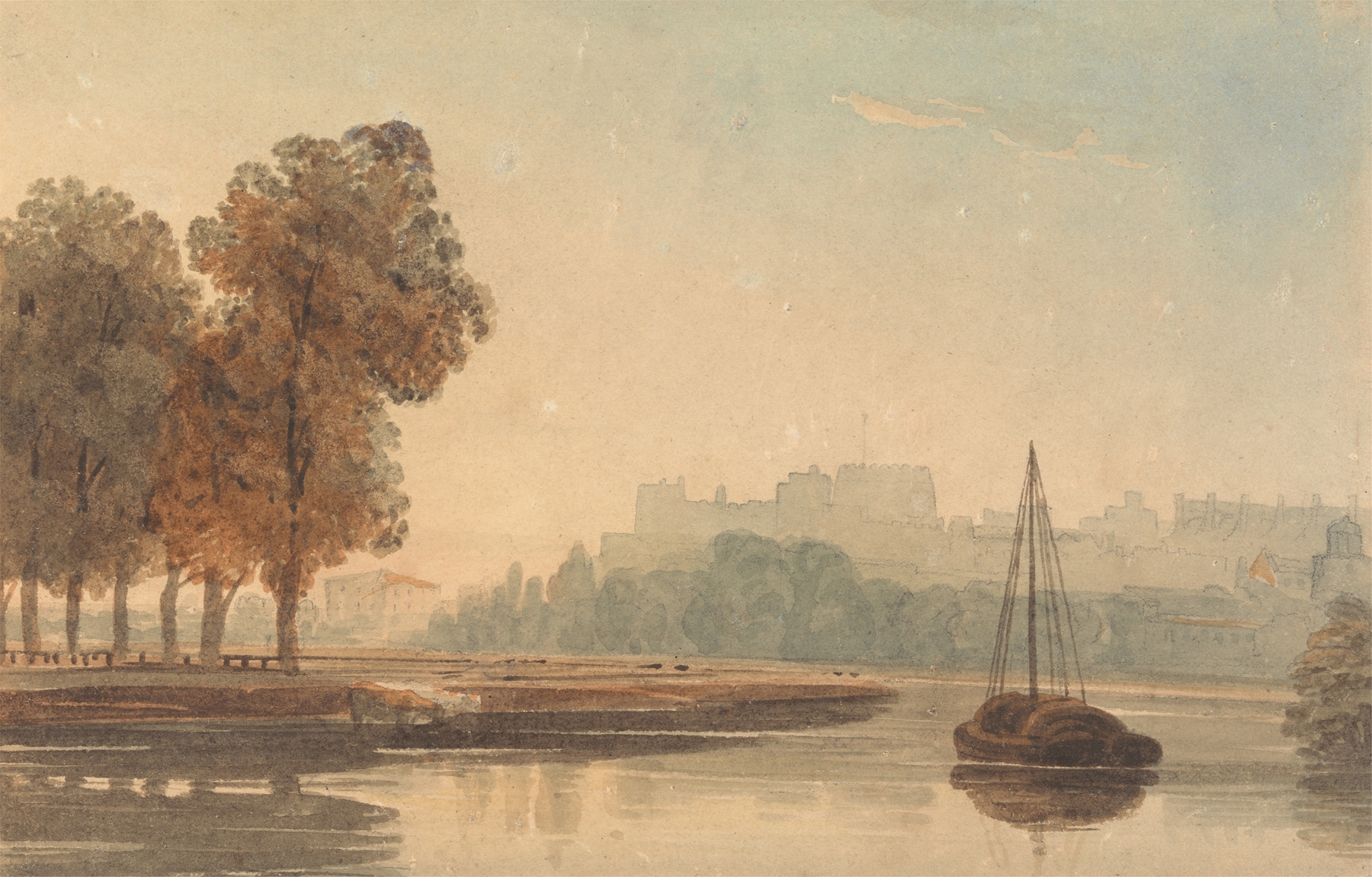
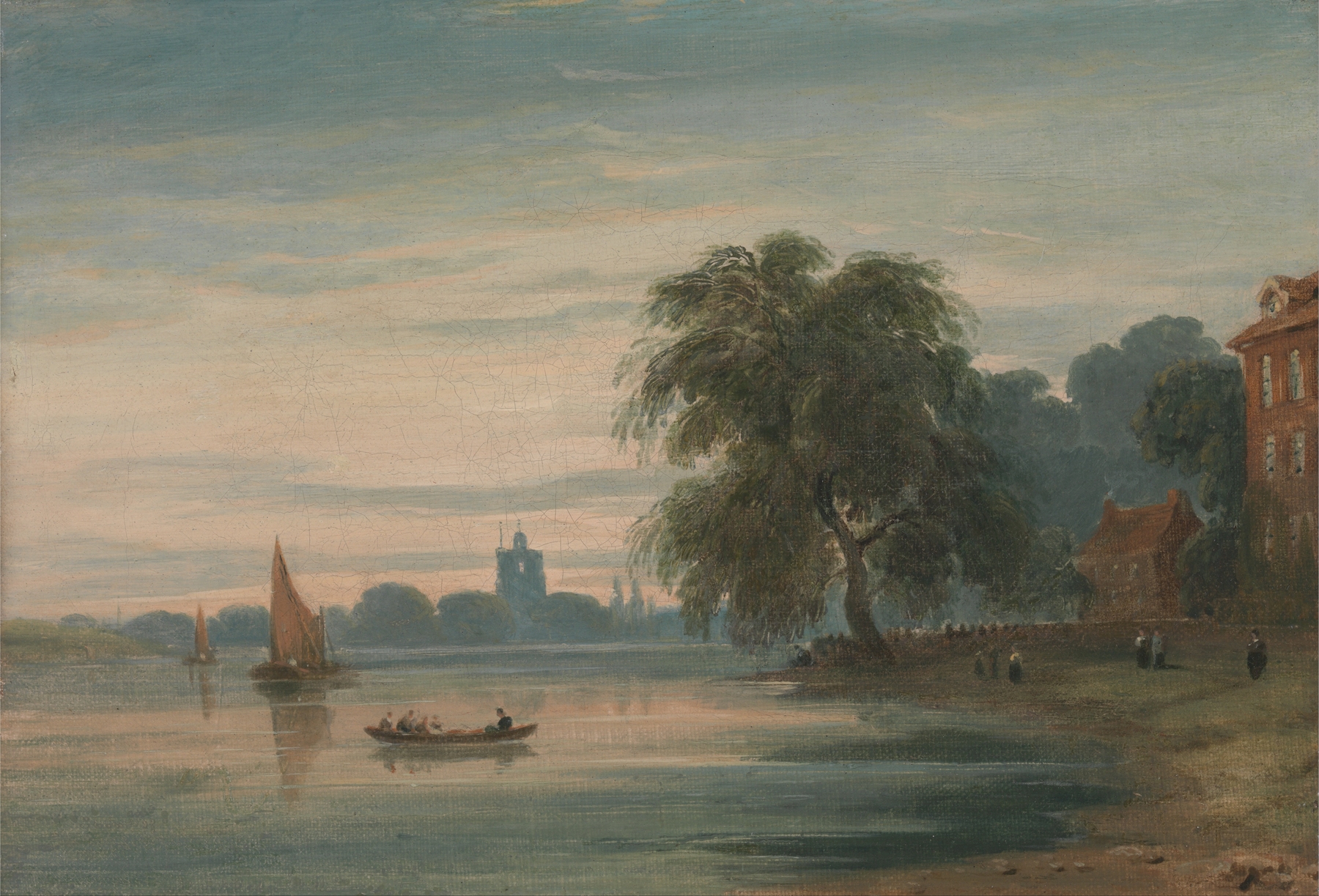
Can paint confess what words never could? In a world where loss lingers like a fading echo, the landscape speaks a language all its own. Look to the left at the two figures standing on the shoreline, their silhouettes etched against a vast expanse of muted blues and grays. The gentle waves rhythmically kiss the sand, creating a delicate dance of light and shadow that invites exploration.
Notice how the distant town, painted in soft, almost ghostly hues, hovers on the horizon, as if caught between memory and reality. The brushwork here is both delicate and spirited, revealing an artist's yearning to capture the ephemeral moments of life. In the distance, that town becomes a symbol of what has been left behind, a reminder of connection now frayed. The figures, seemingly lost in their own reverie, suggest a shared sorrow, their postures communicating a silent dialogue about absence and longing.
The delicate balance of colors — the warm sands contrasting with the cool sea — further emphasizes the tension between presence and void, painting a poignant narrative of separation. John Varley created this work during a time when he was exploring the vastness of the English coast, reflecting on both the beauty and isolation of nature. The piece, painted in the early 19th century, captures the essence of Romanticism, a movement that resonated with the personal and the sublime. As the artist wrestled with the emotional undertones of his surroundings, he crafted a scene that transcends mere representation, inviting viewers to confront their own experiences of loss and longing.