Seconde vue de Stubbe-Lian — History & Analysis
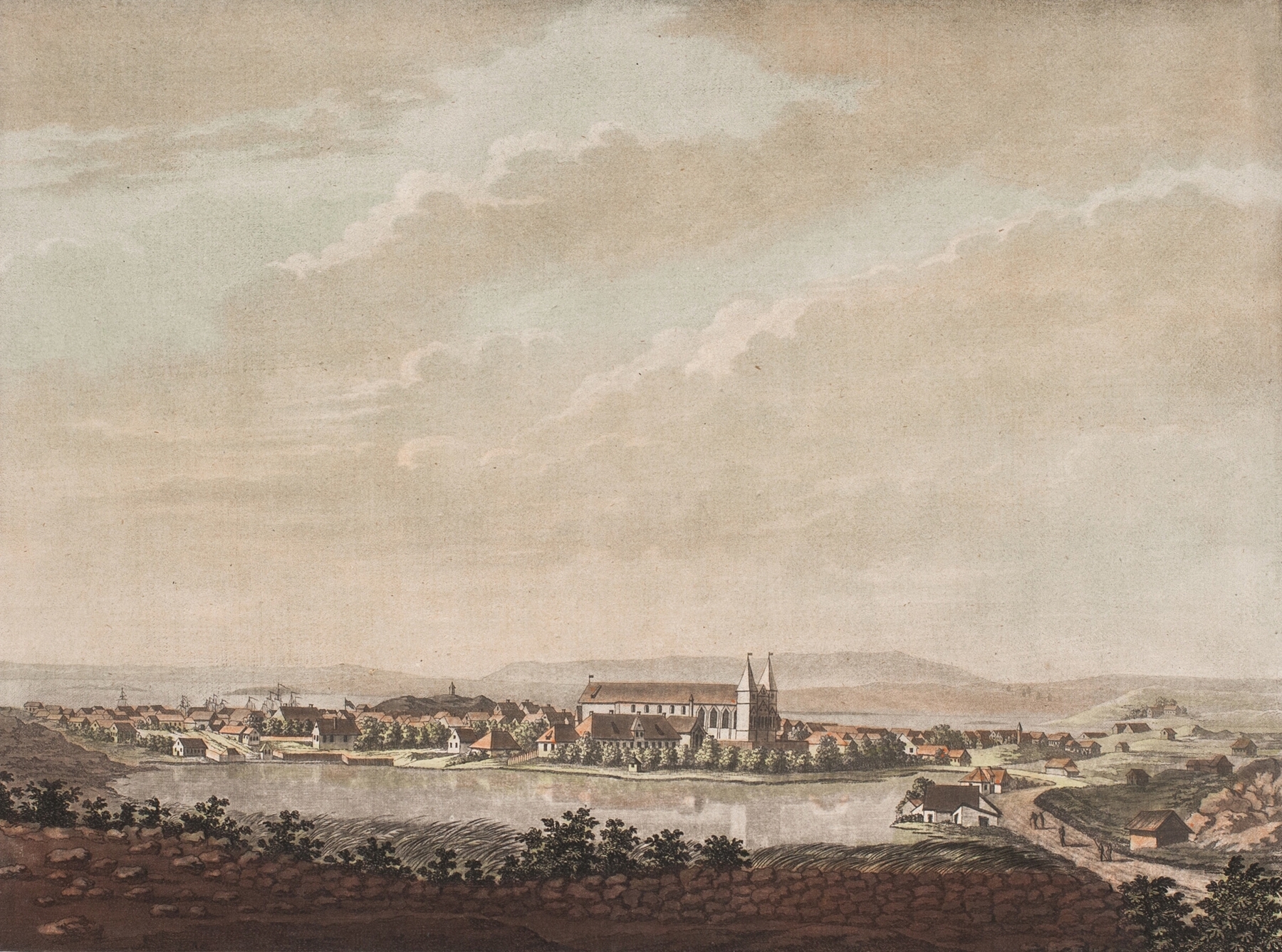
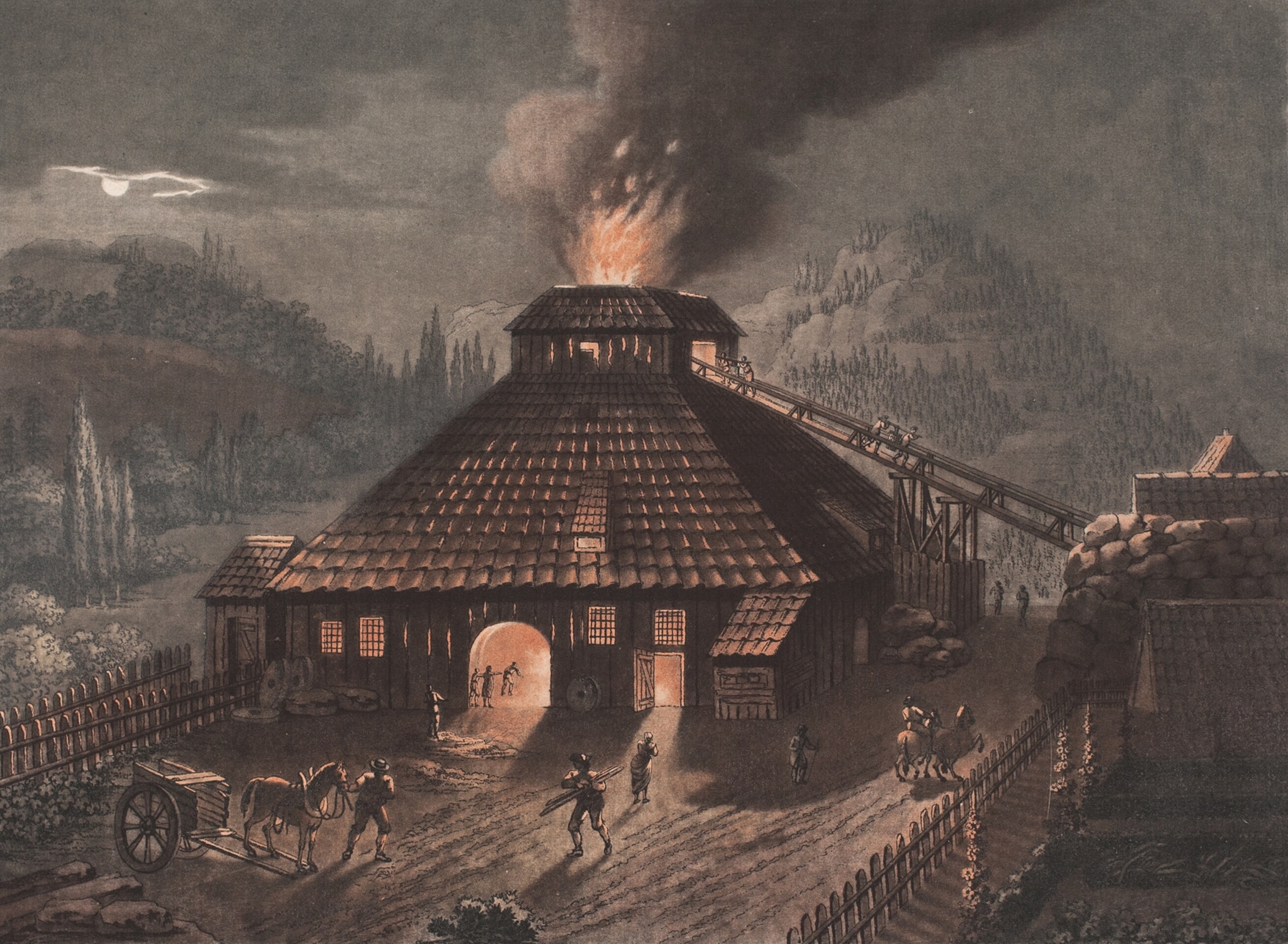
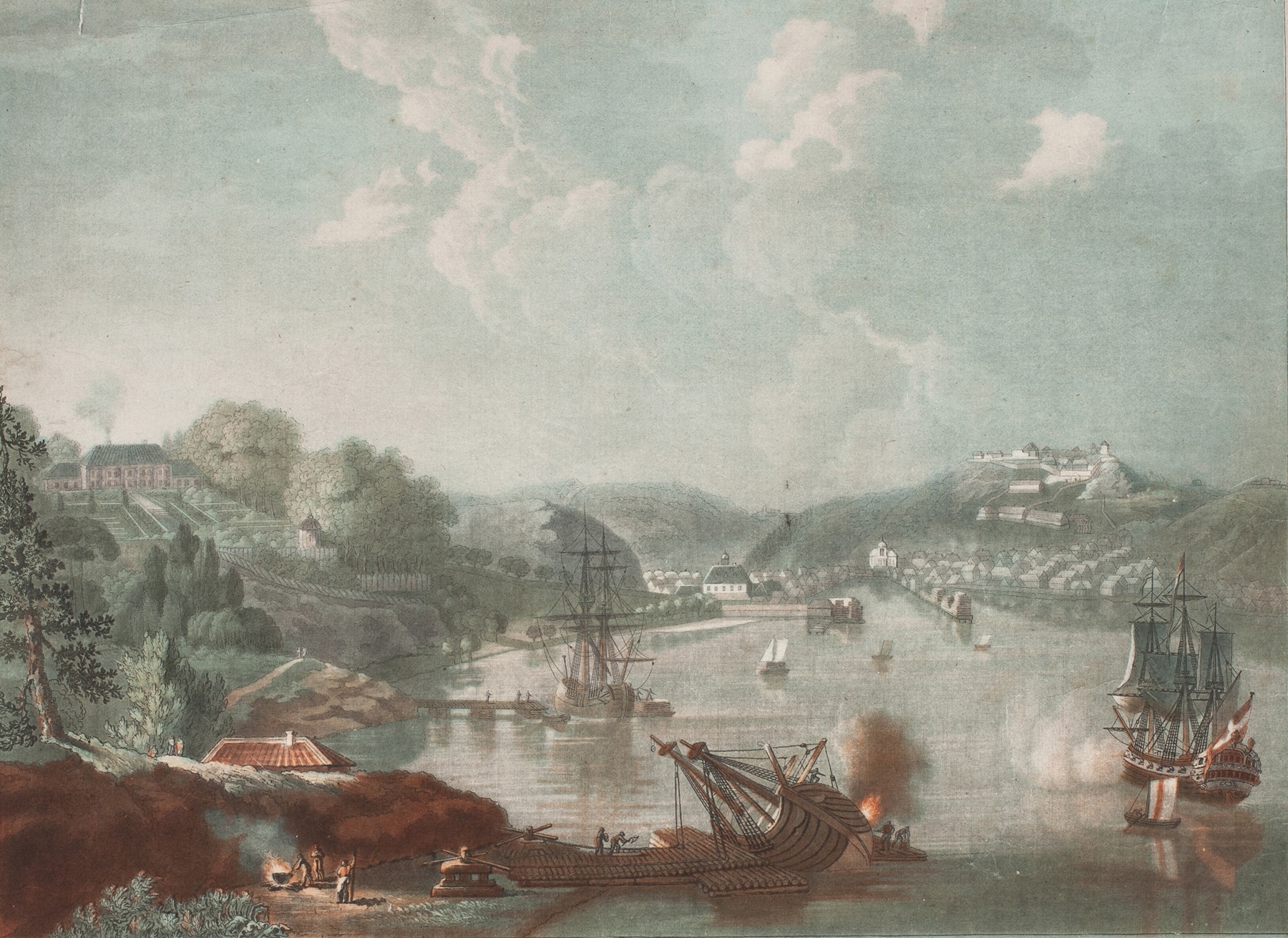
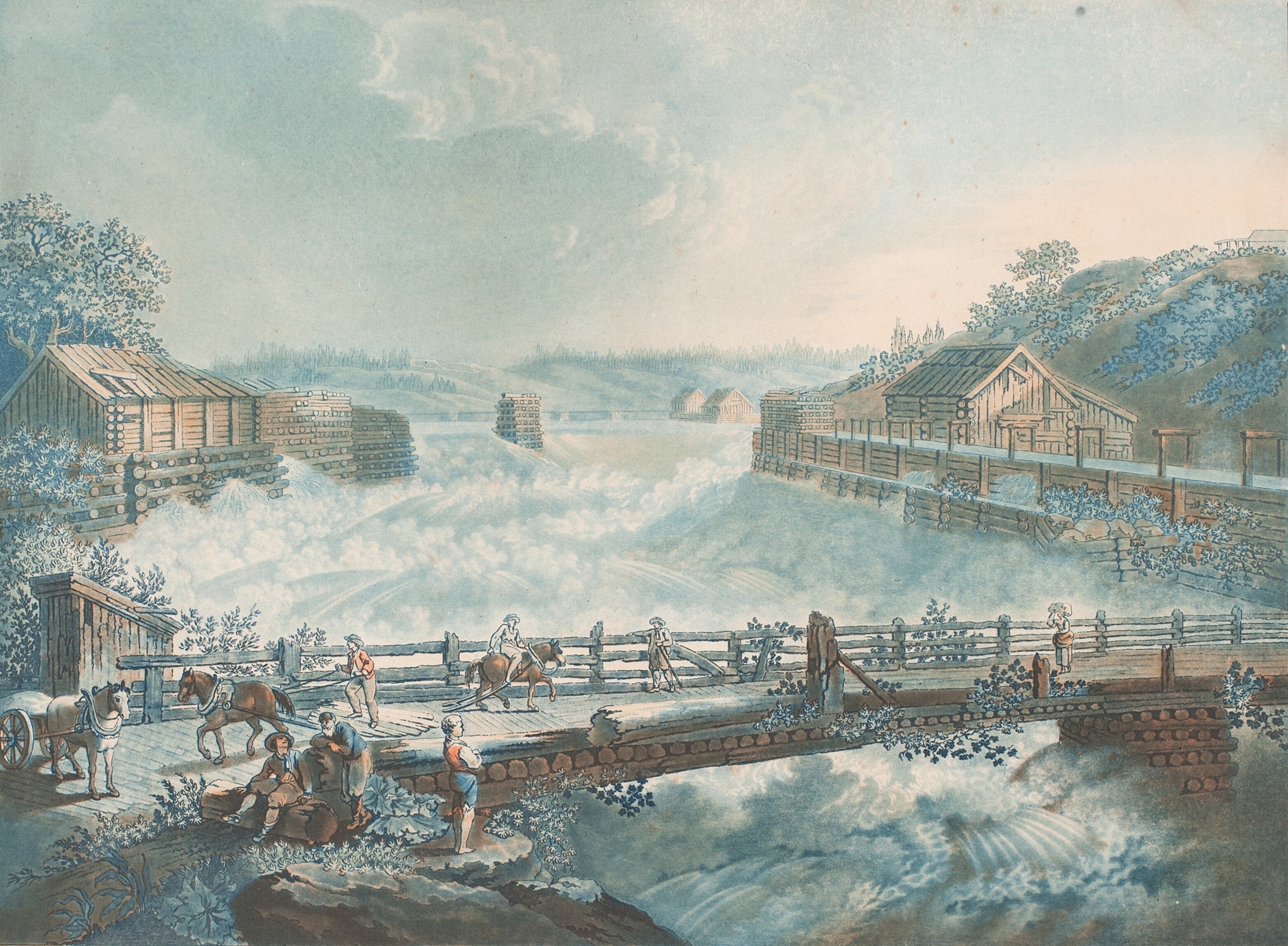
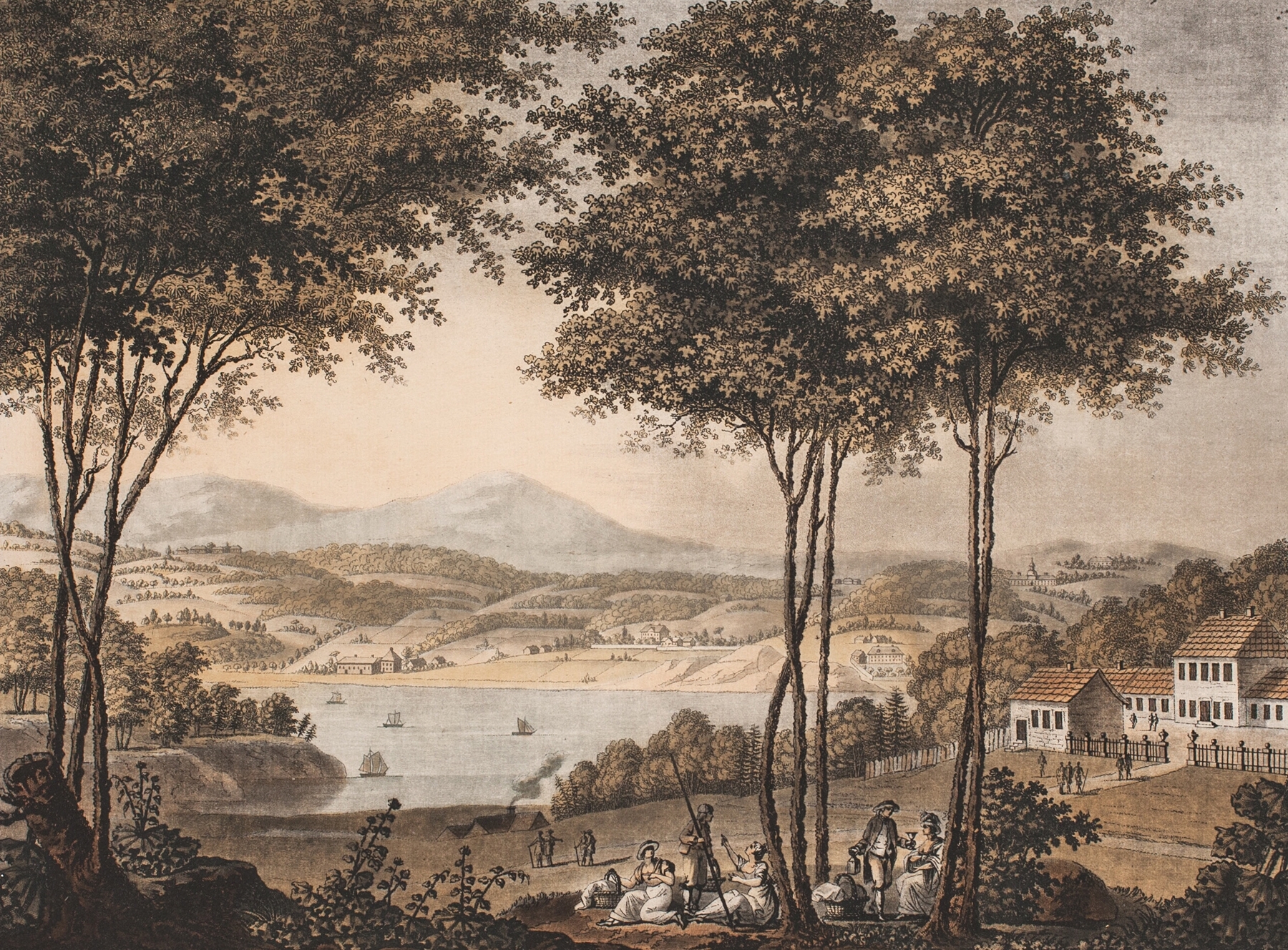
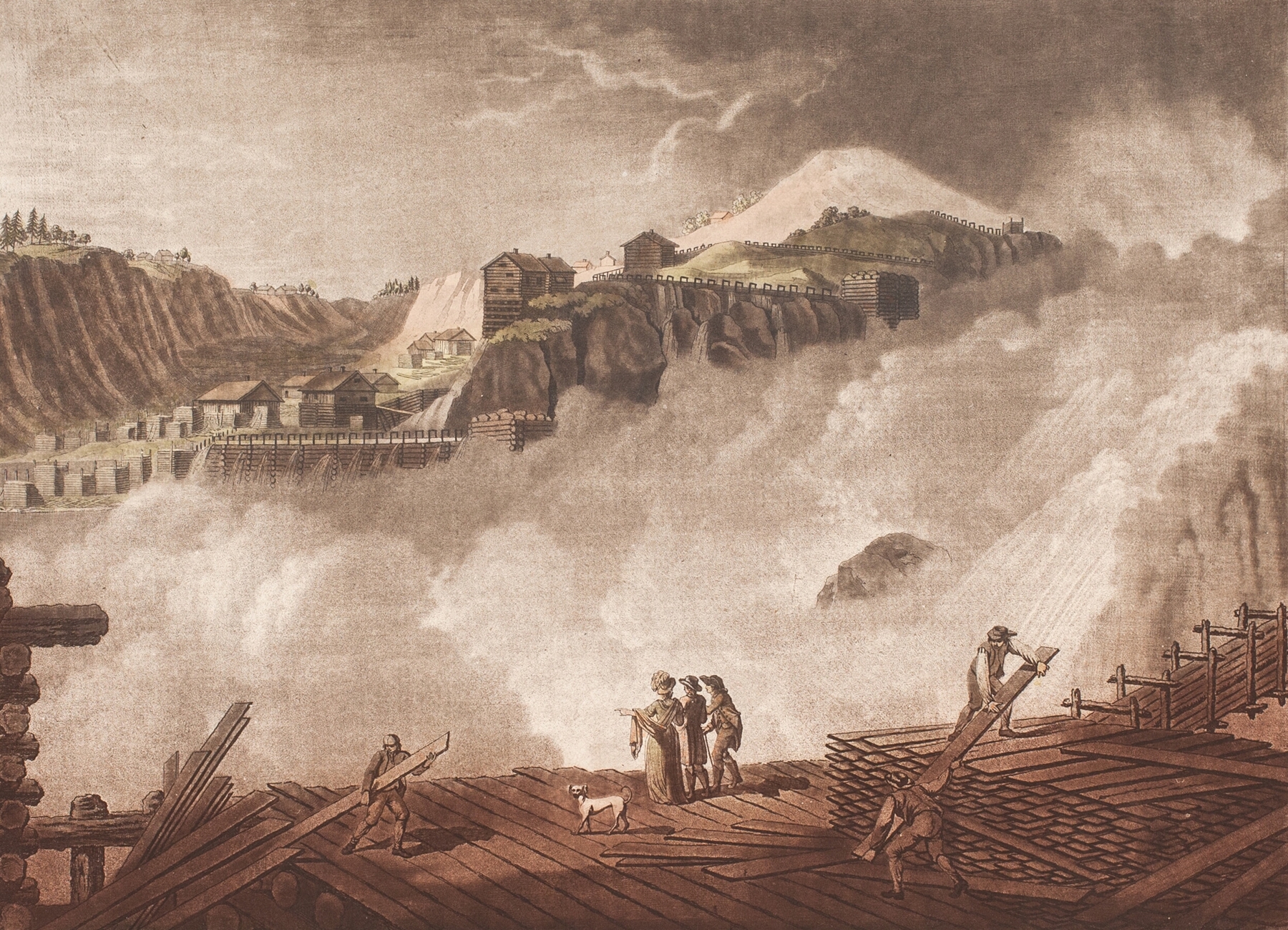
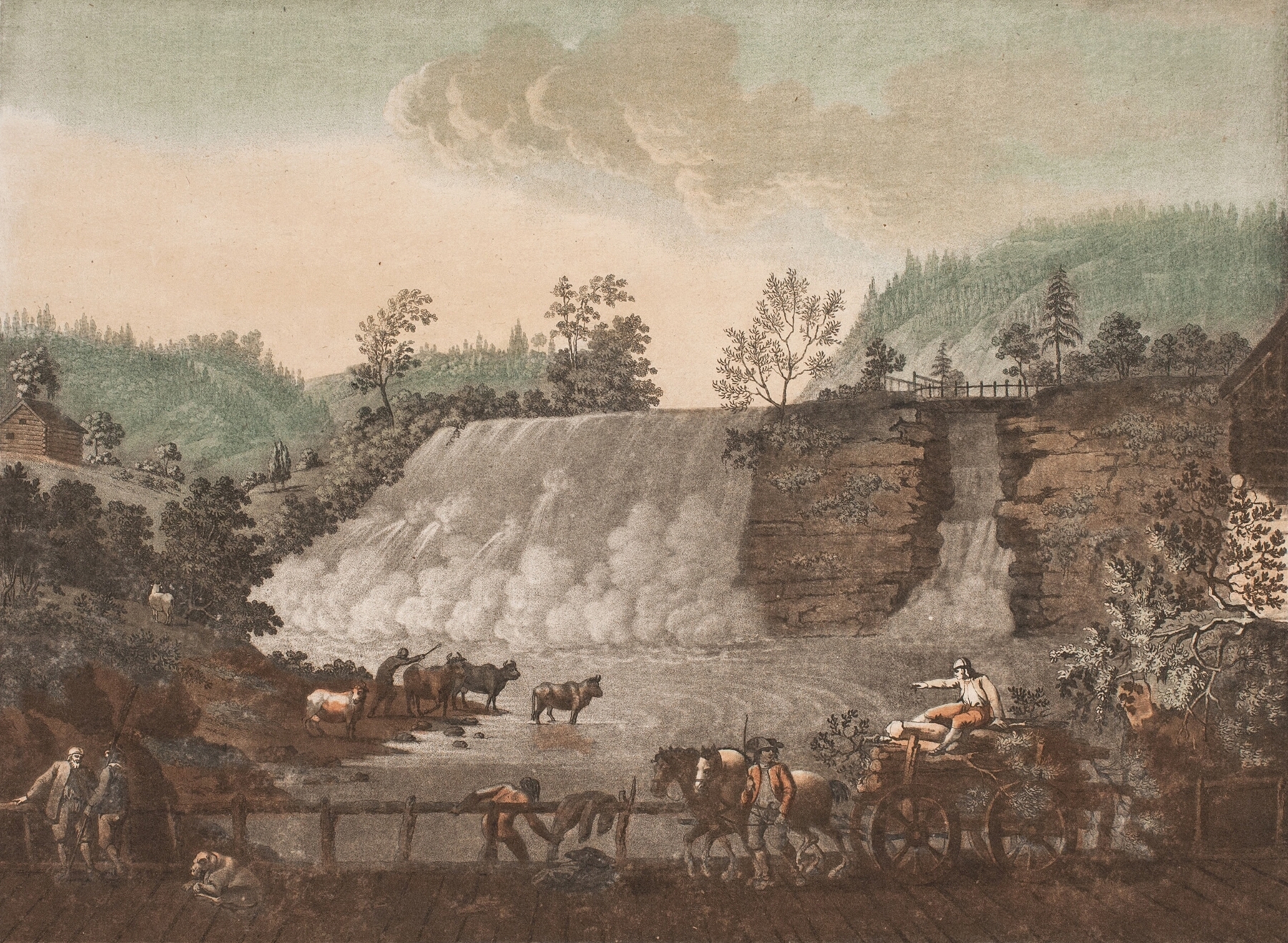
“The canvas doesn’t lie — it simply waits.” In this stillness lies a profound truth about the nature of hope, a quiet promise suspended in the air. It invites us to contemplate what could be rather than what is, urging us to look deeper into our own aspirations. Focus on the intricate details of the landscape; the soft hues of green and brown beckon from the left, creating a serene backdrop for the human figures that dot the foreground. Look closely at the delicate brushwork that outlines the trees; they sway gently as if whispering secrets of the past.
The light falls delicately, casting elongated shadows that dance across the ground, suggesting the passage of time. The careful composition draws the eye inward, guiding us to the heart of the scene where human interaction unfolds in a harmonious union with nature. Amidst the calm, there’s tension in the juxtaposition of the figures’ postures and the surrounding environment. The upright stance of one figure contrasts with the relaxed posture of another, hinting at differing emotions — anticipation versus acceptance.
The soft blending of colors evokes nostalgia and an unspoken yearning for connection, as if the landscape itself holds the desires of those who traverse it. Every element of the painting resonates with the idea of hope — not in loud declarations, but in subtle gestures and soft whispers. Created between 1787 and 1791, this work emerged during a transformative period in Georg Haas's life, marked by personal reflection and a commitment to capturing the complexities of the human experience. Working in an artistic climate that favored realism and emotional depth, Haas sought to blend these ideals into a visual narrative that resonates universally, connecting individuals to their own hopes and dreams amid the natural world.