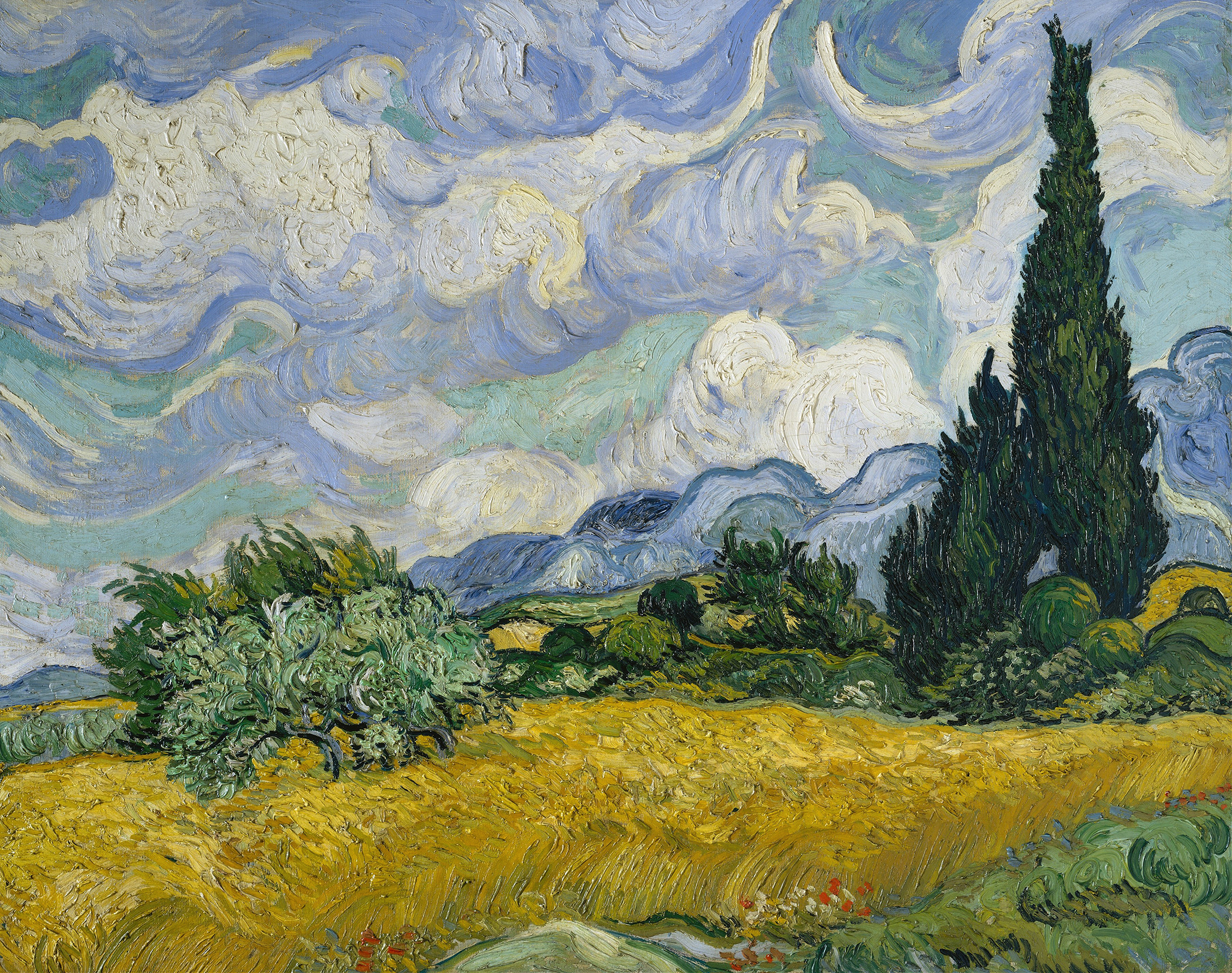
Sheaves of Wheat — History & Analysis
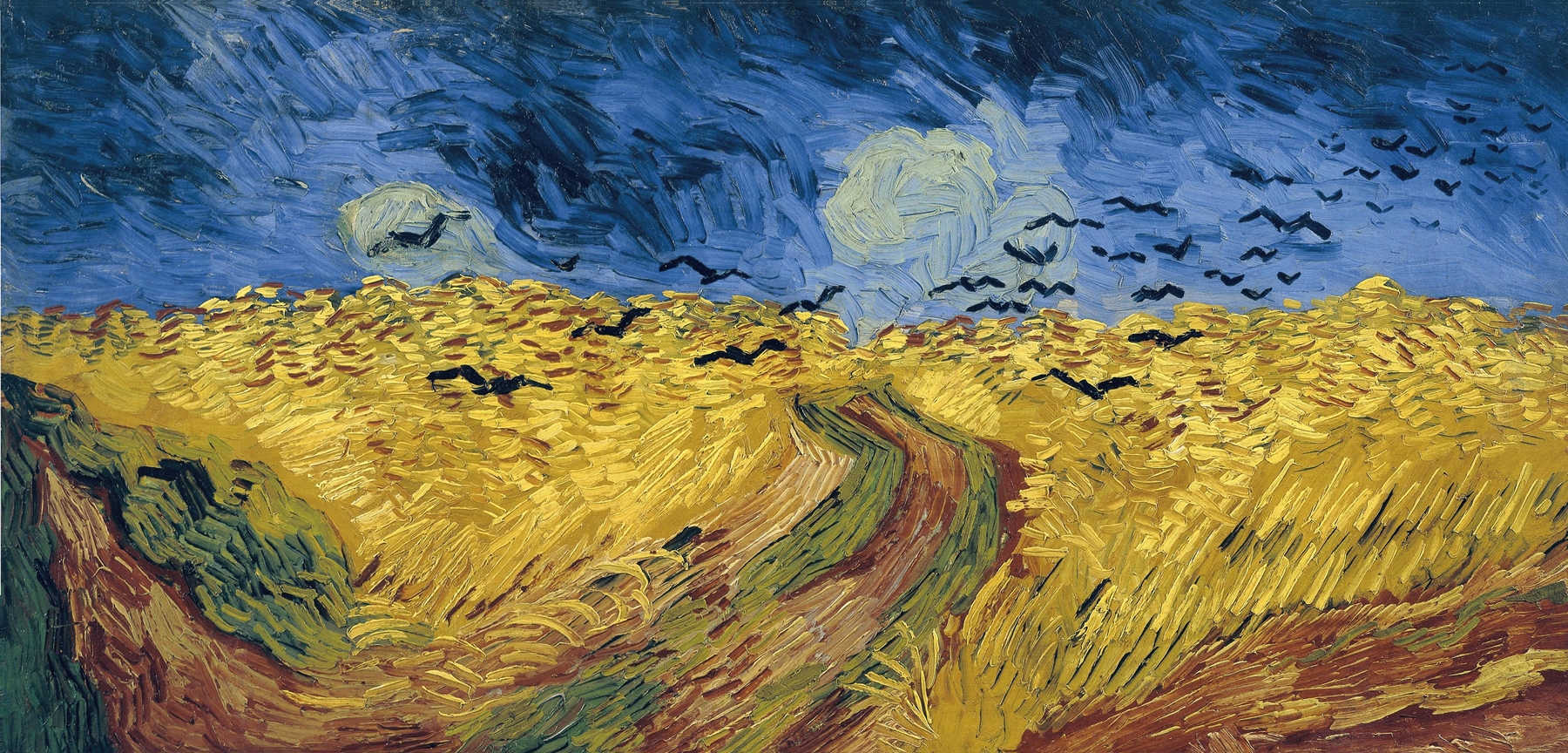
What secret hides in the quiet of the canvas? In Sheaves of Wheat, a profound sense of rebirth resonates through strokes of radiant gold and rich earth tones, inviting contemplation on nature’s cycles and the promise of renewal. Look to the lower part of the canvas where bundles of wheat stand in a proud yet humble formation. Each sheaf, meticulously painted, captures the glowing essence of summer, contrasting with the deep blue sky that stretches infinitely above.
Notice how the textured brushwork creates a tactile sensation, making the wheat seem almost alive, rustling gently in a warm breeze, while the vibrant yellows suggest the sun’s embrace, a symbol of life and abundance. Delve deeper into the emotional tension woven throughout the piece. The sheaves can represent not just agricultural bounty but also the struggles of growth—life’s persistent fight against adversity. This duality evokes reflections on the fleeting nature of time and the resilience of the human spirit, encapsulating the beauty that can arise from hardship.
The interplay between light and shadow further emphasizes this dichotomy, inviting viewers to ponder their own cycles of loss and hope. In July 1890, while living in Auvers-sur-Oise, Van Gogh painted this piece during a tumultuous period in his life marked by both creativity and mental anguish. The late 19th century was an era of radical transformation in the art world, as Impressionism had given way to Post-Impressionism. This painting, along with others from his final moments, illustrates the artist’s search for meaning and harmony in the world, reflecting his enduring connection to the land and its harvests.