South-East View of the Church of Ifs, Near Caen, Normandy — History & Analysis
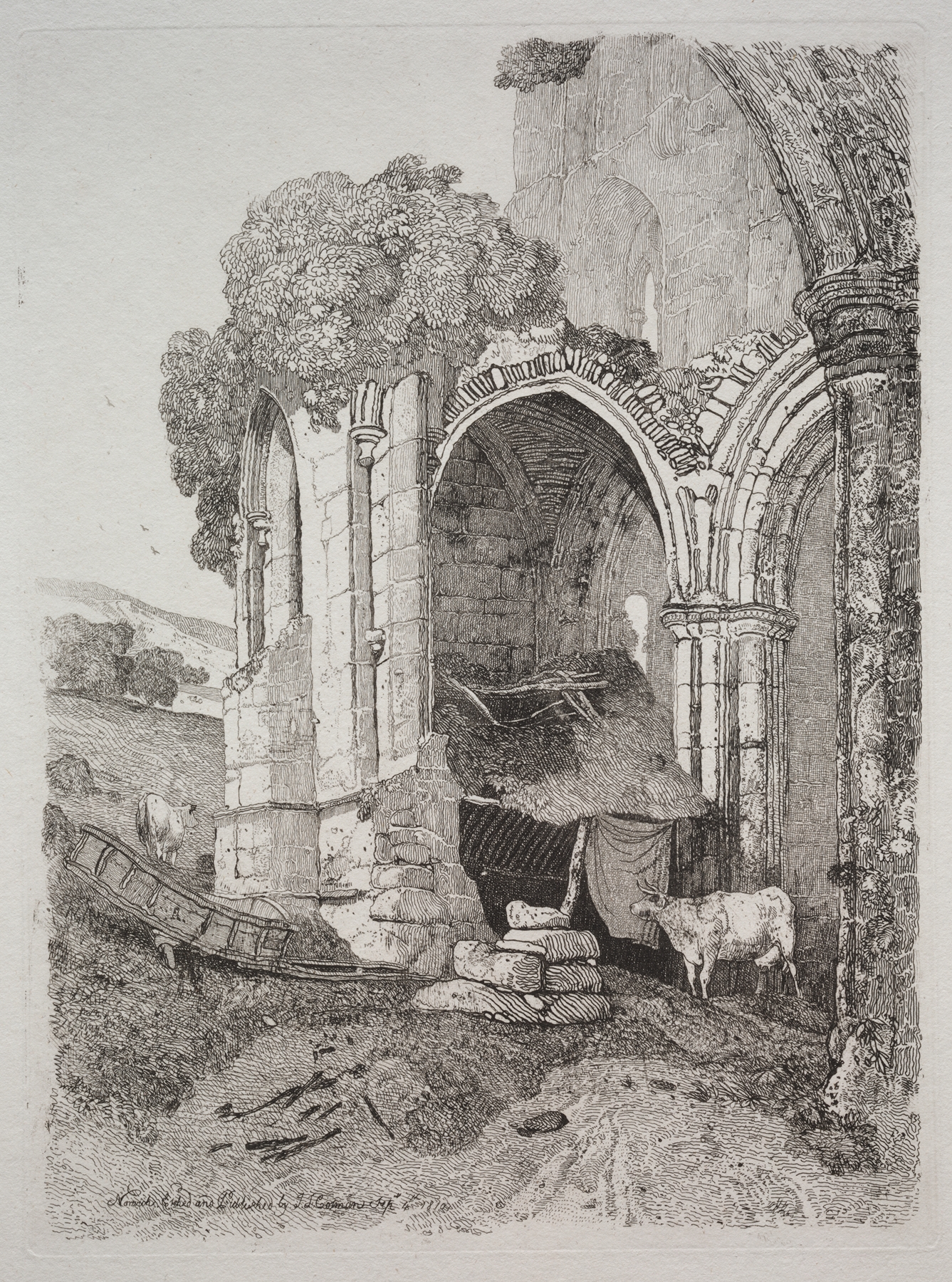
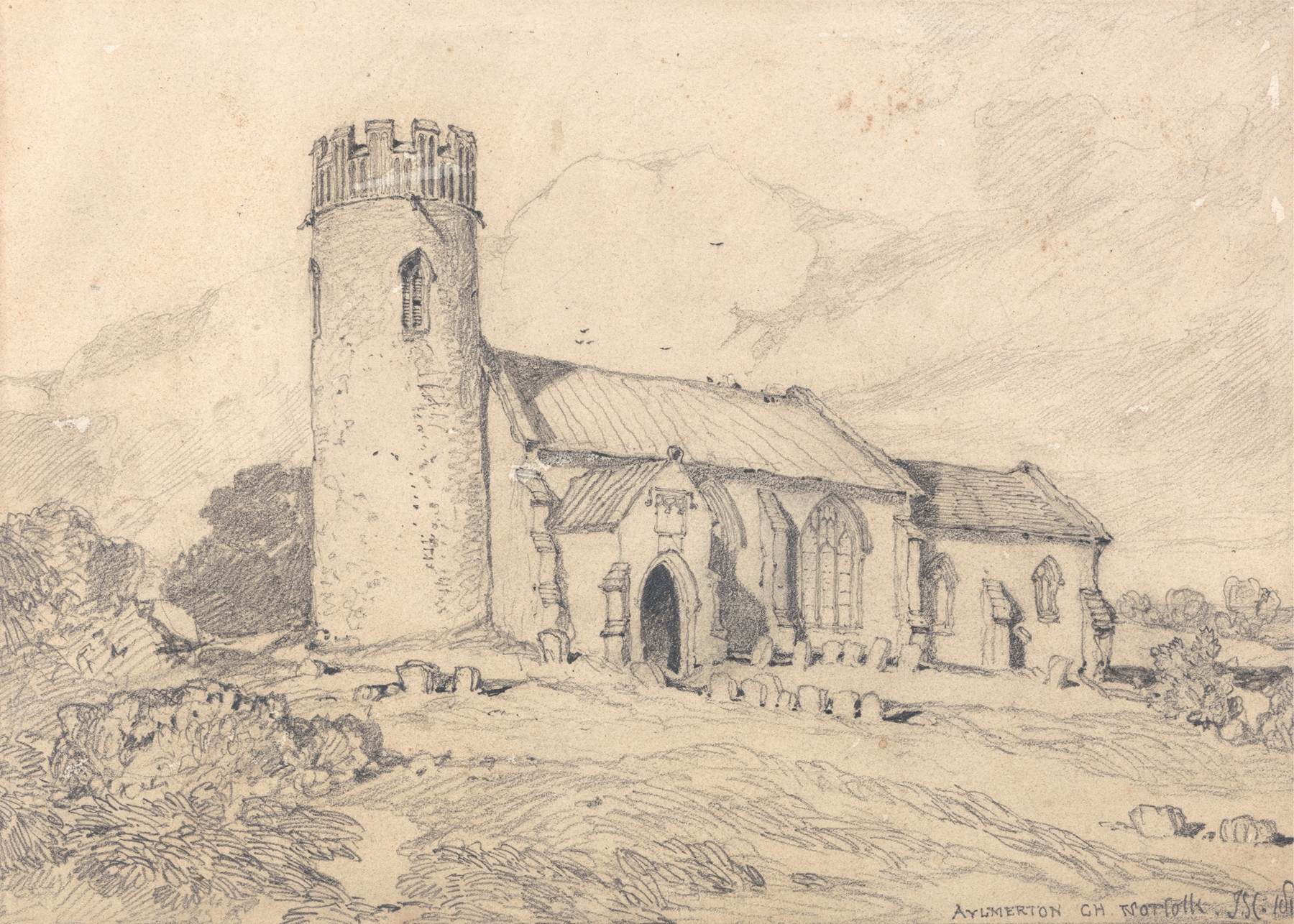
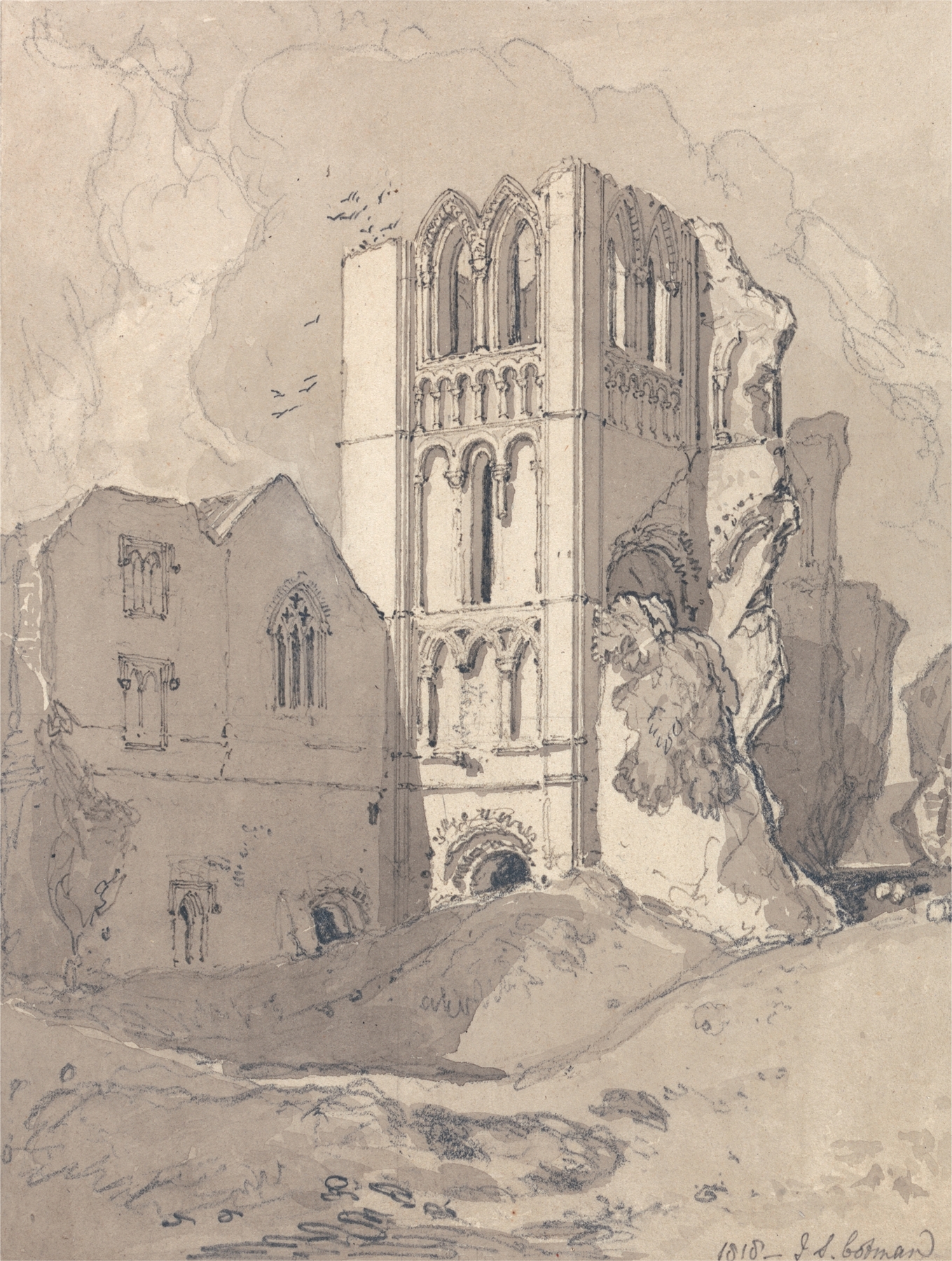
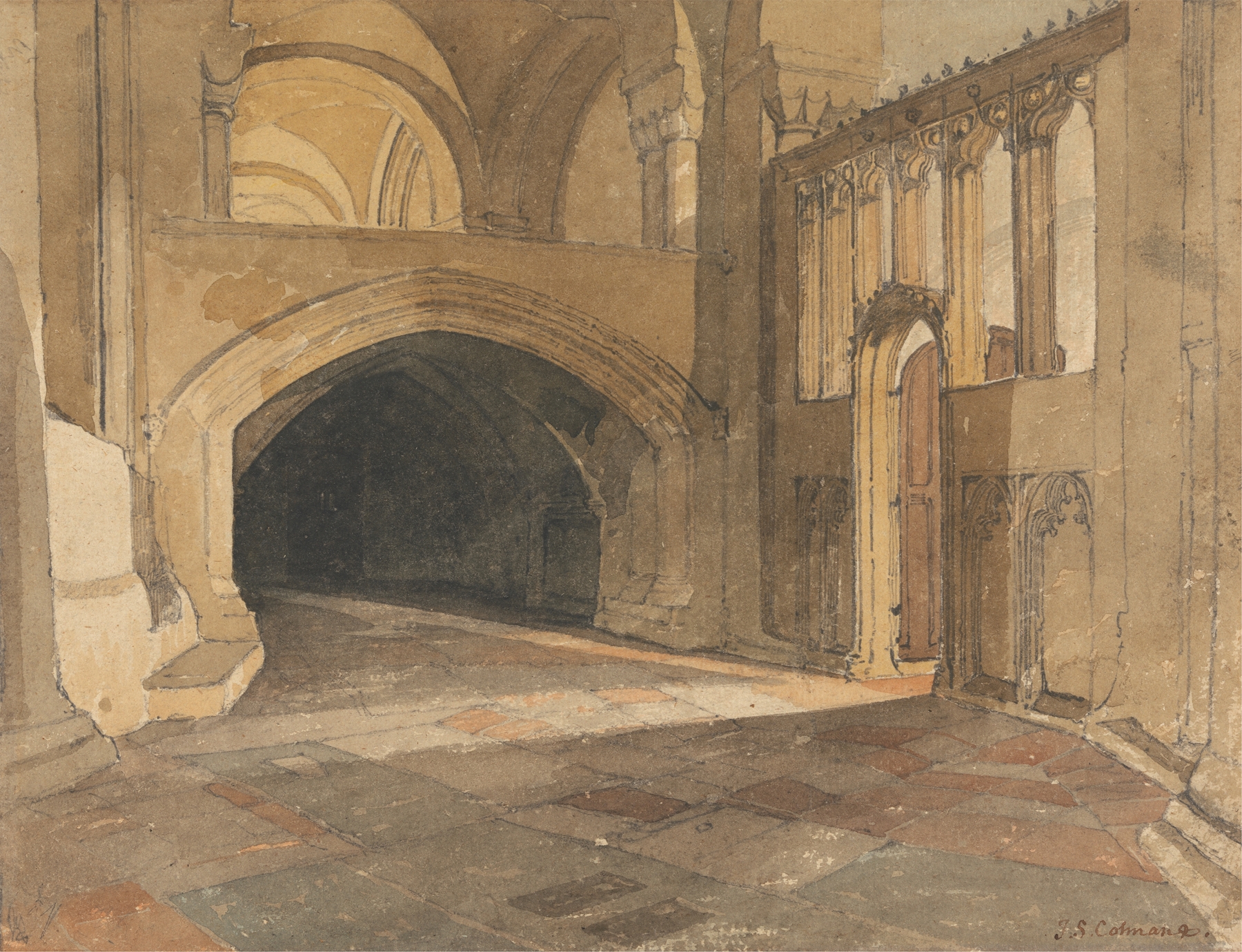
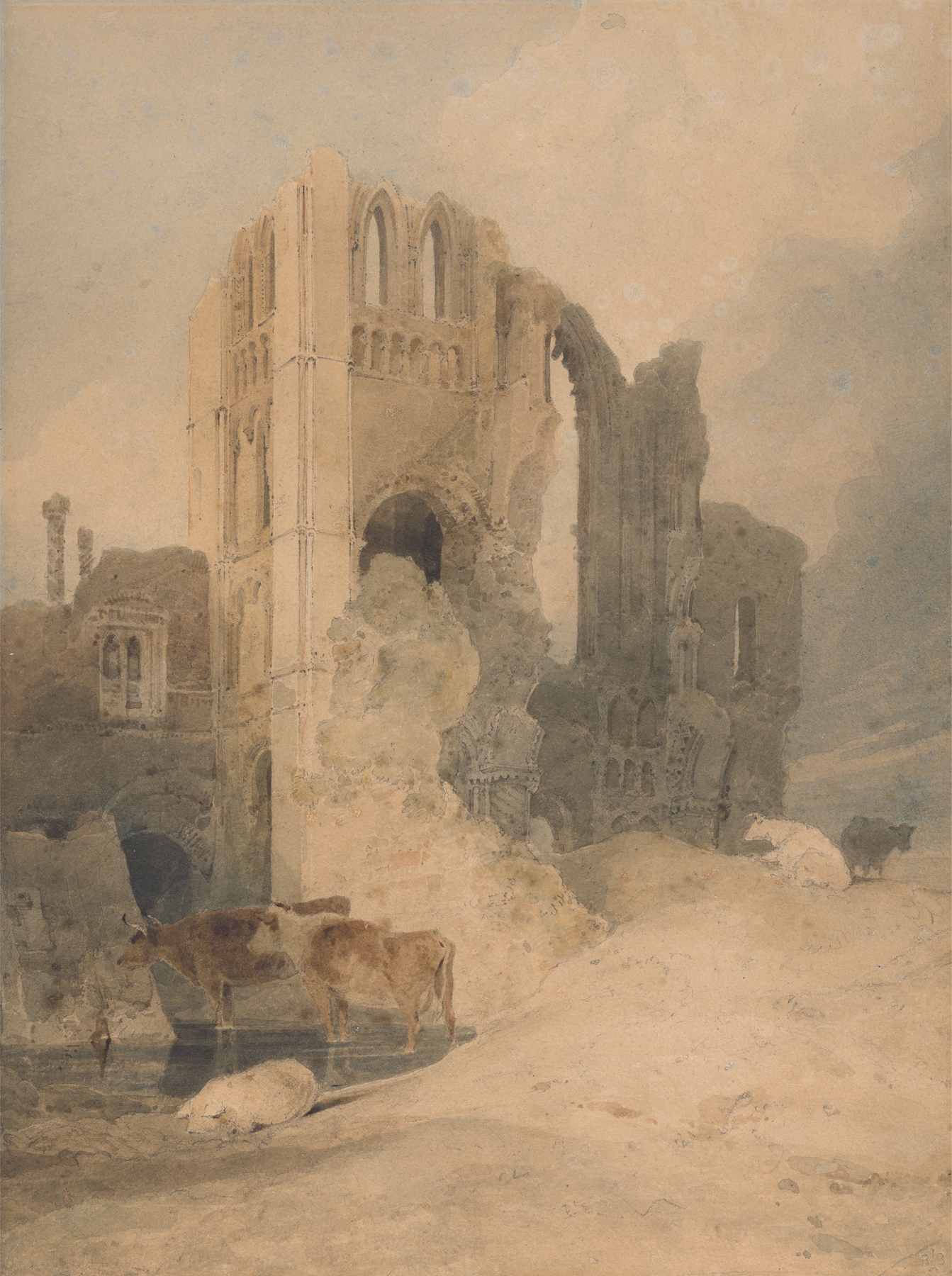
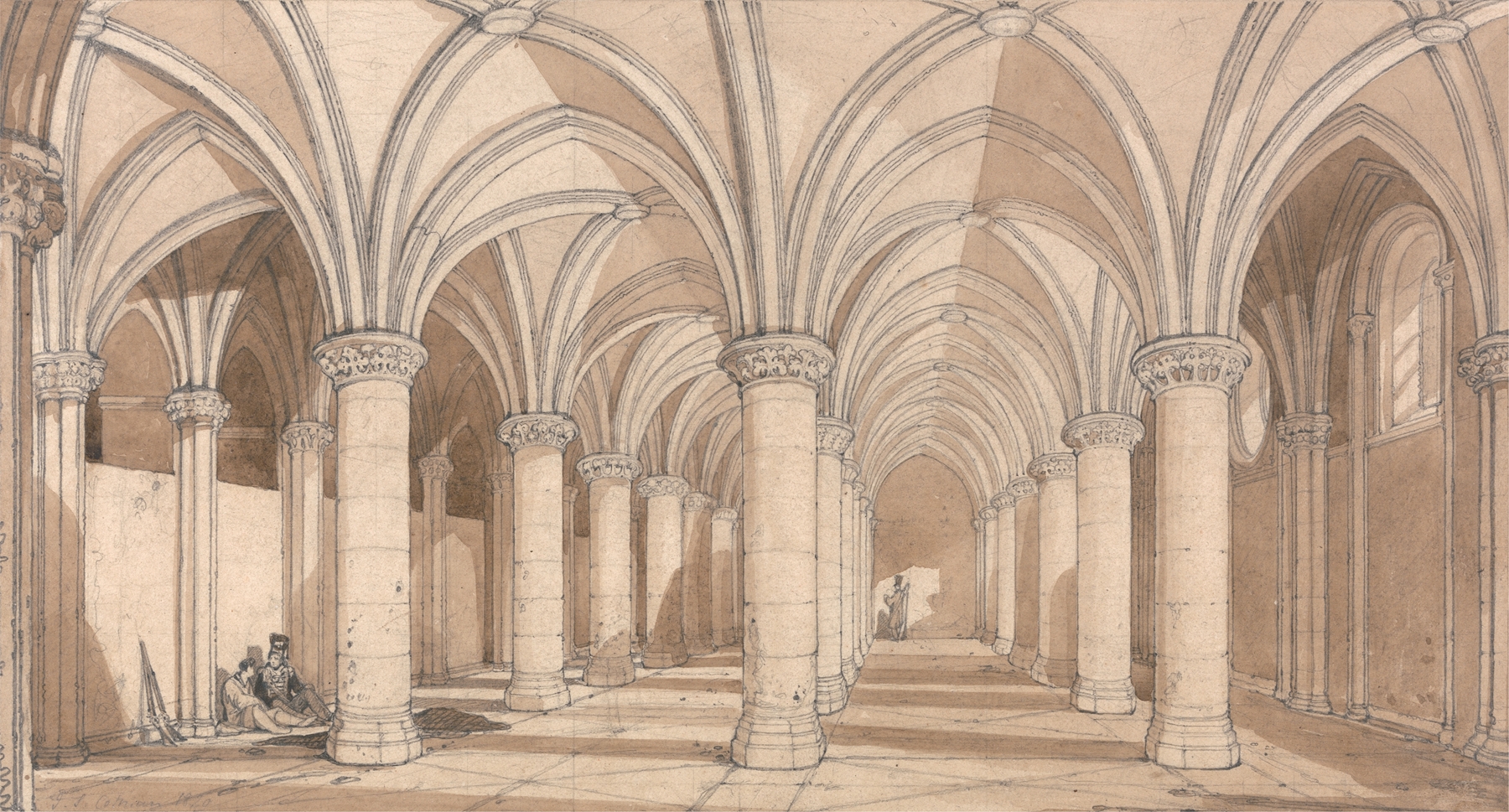
Did the painter know this moment would outlive them? In South-East View of the Church of Ifs, Near Caen, Normandy, time stands still, encapsulating a quiet faith that resonates through the ages. Focus on the gentle sweep of the landscape that cradles the church, the soft hues of earth and sky blending seamlessly. Look closely at the church’s steeple, piercing the muted clouds as if reaching for divine connection.
Notice how the warm light bathes the structures, illuminating the intricate stonework, while shadows play delicately across the fields, hinting at life just beyond the frame. The composition draws the eye towards the church as a beacon amidst the tranquil surroundings, embodying both permanence and grace. The juxtaposition of the sturdy church against the ephemeral sky symbolizes the enduring nature of faith amidst the transience of life. Subtle details, such as the fluttering branches in the foreground, suggest movement, a whisper of the winds that have carried countless prayers.
This balance between stillness and motion evokes a sense of serenity, inviting viewers to reflect on their own beliefs and connections to the sacred spaces they cherish. In 1820, John Sell Cotman created this work during a time when the British art scene was evolving, leaning into Romanticism’s embrace of nature and emotion. Living in Norwich, he was deeply influenced by his surroundings and the burgeoning interest in watercolor as a medium. As a pioneer of his time, he sought to capture the essence of places, demonstrating how art can preserve moments and feelings that might otherwise slip away.