Souvenir of Brittany — History & Analysis
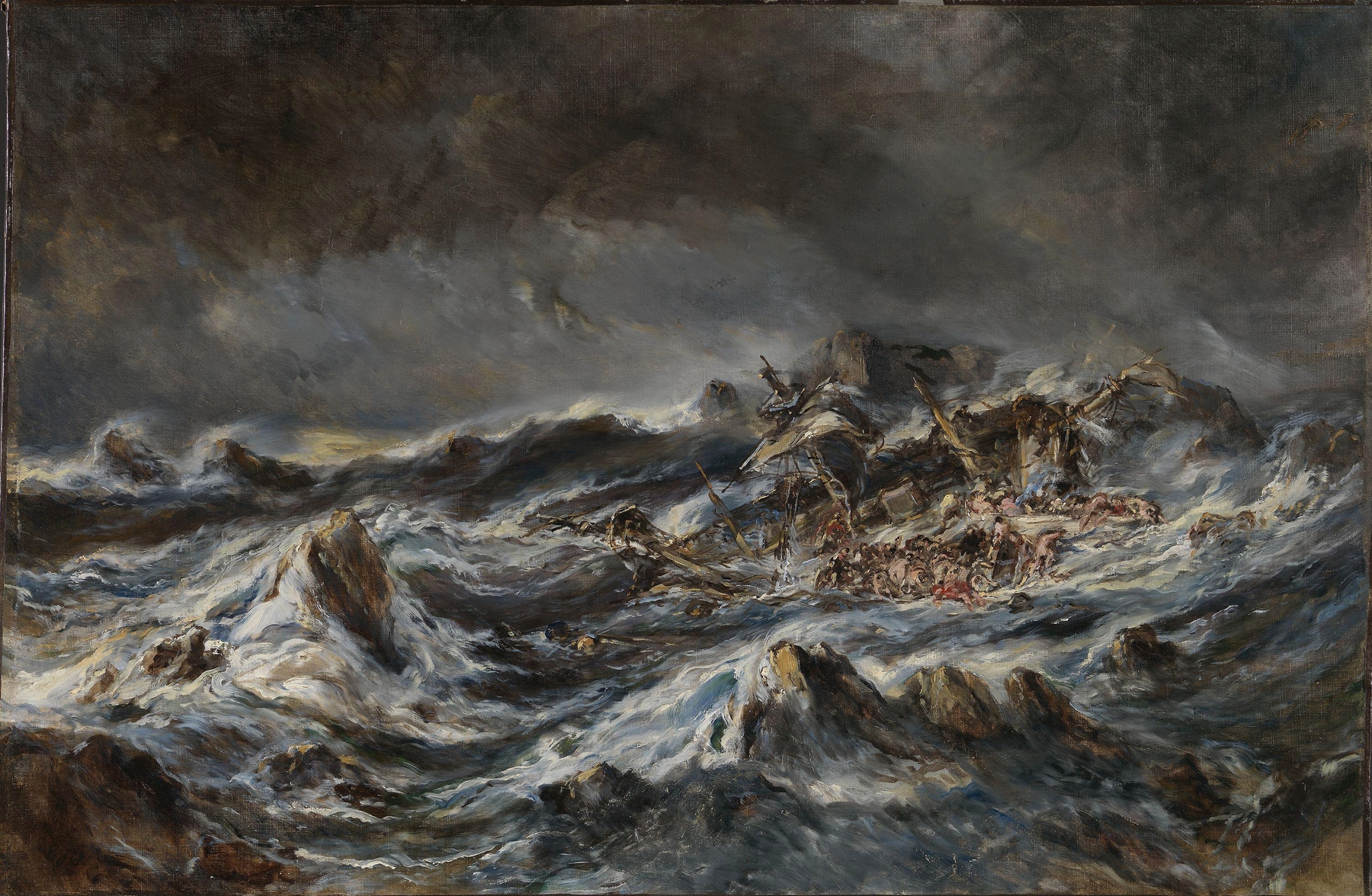
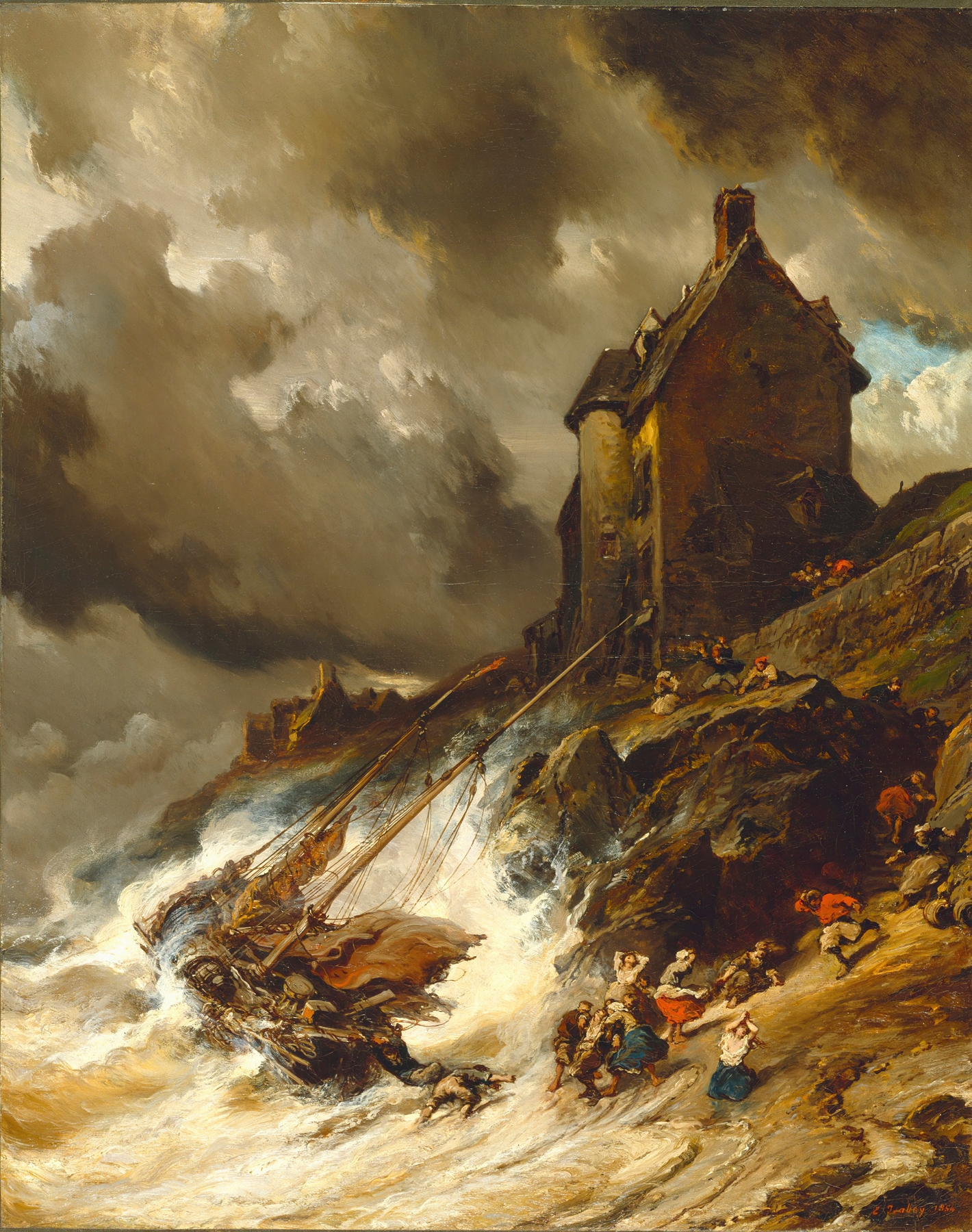
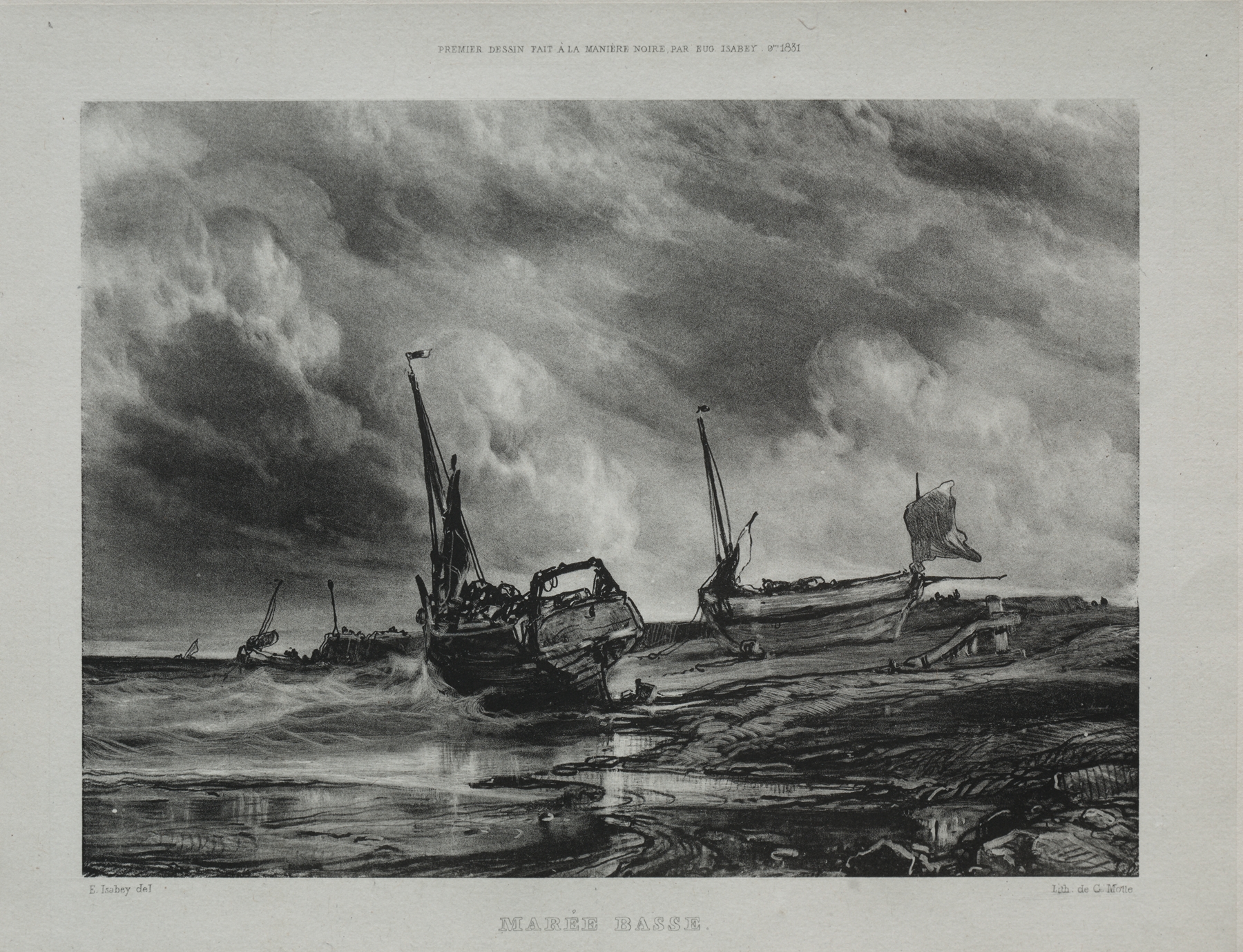
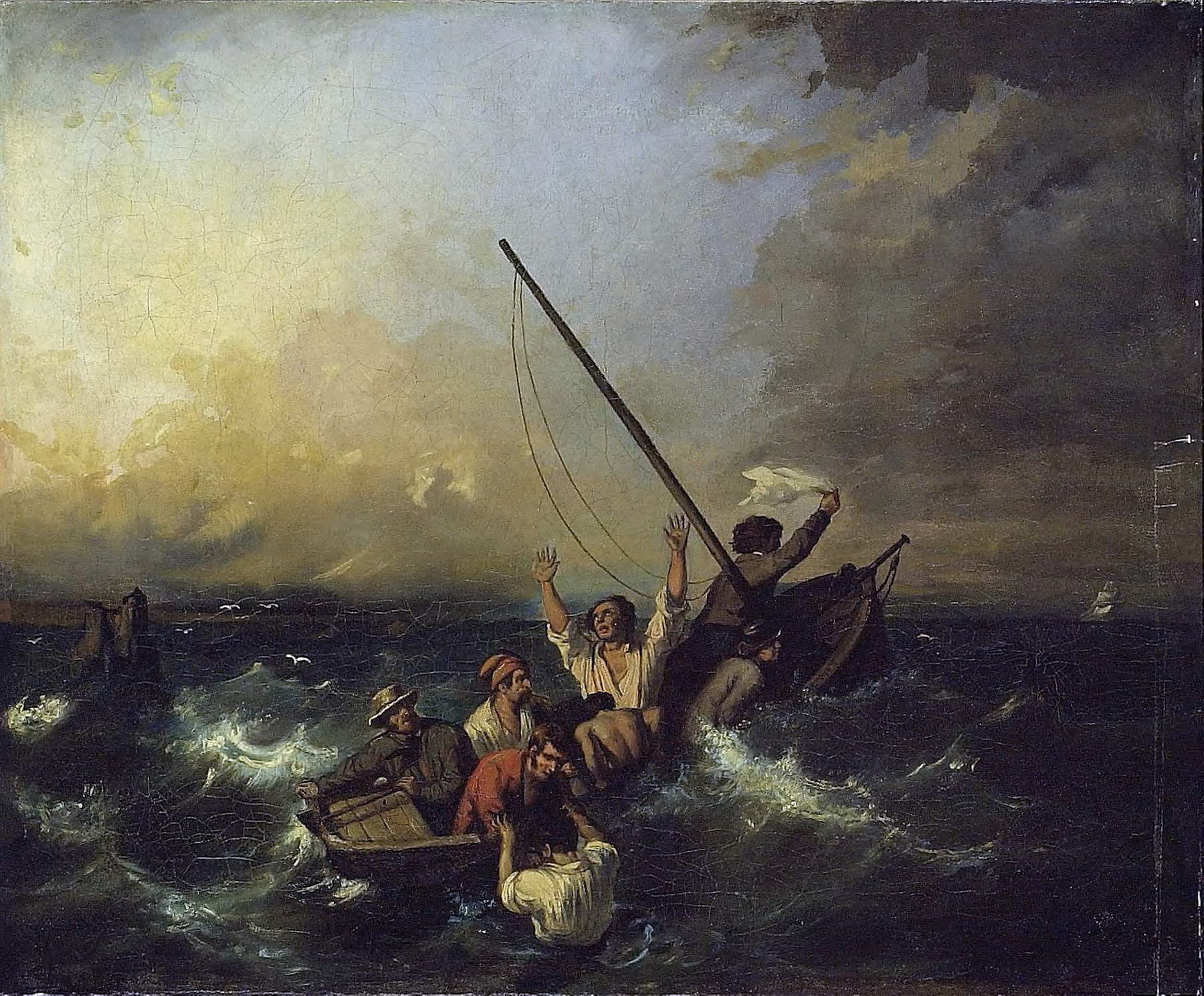
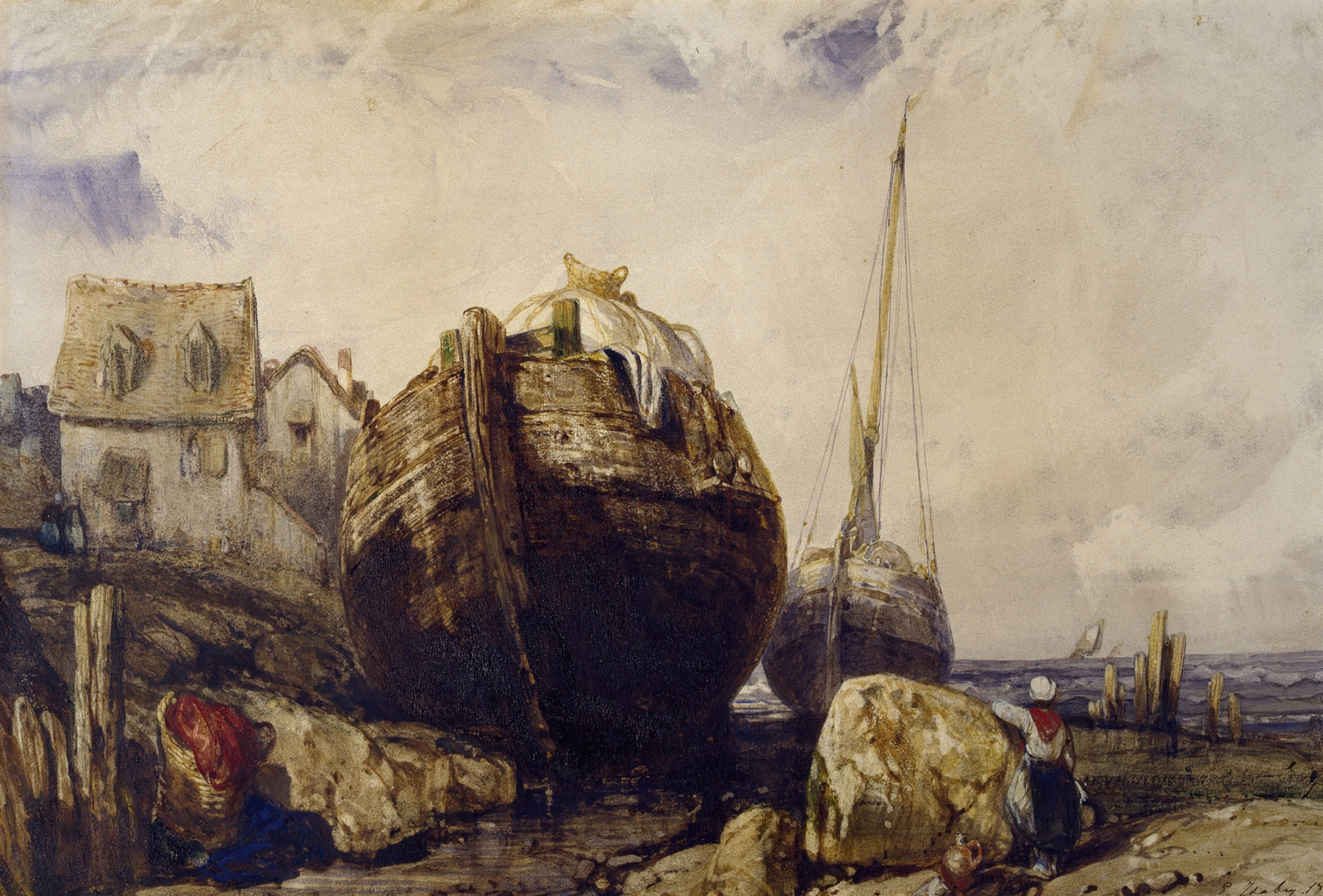
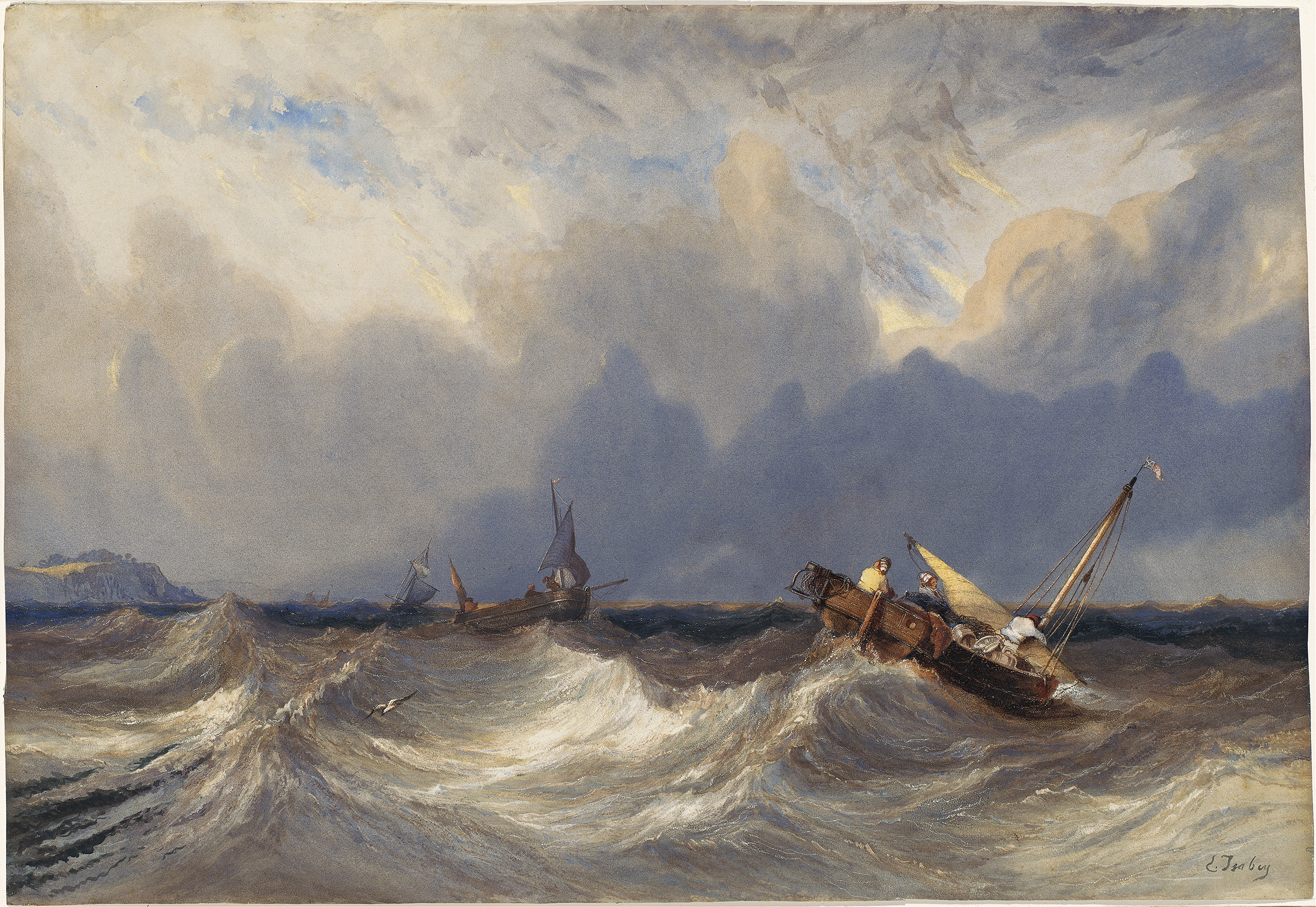
“Art reveals the soul when the world turns away.” In a moment of serenity, Souvenir of Brittany captures a tranquil escape into nature, inviting viewers into its gentle embrace. Look to the left at the soft, muted colors of the sky, where pale blues and delicate pinks mingle in a tender dance. The horizon melts into a horizon of calm waters, with small boats floating languidly, suggesting a stillness that envelops the entire scene. Notice how the brushstrokes, fluid yet deliberate, create texture in the clouds and reflections, drawing you into the quietude of this coastal landscape.
Beneath the surface, layers of meaning emerge, revealing a tension between tranquility and solitude. The lone boatman, nearly lost in the vastness of the sea, evokes feelings of introspection, hinting at the solitude that accompanies such serene beauty. The juxtaposition of the serene environment against the solitary figure prompts reflections on the human experience — the search for peace amidst the chaos of life.
Eugène Isabey painted Souvenir of Brittany in 1832 during a period marked by Romantic ideals in the art world. Living in Paris, he embraced the emerging fascination with coastal scenes and the exploration of nature’s emotive power. This piece reflects not just a personal journey into the picturesque landscapes of Brittany, but also the broader artistic trend of immersing viewers in moments of profound serenity, inviting them to reflect on their own inner landscapes.